Vermont’s CWD Surveillance Program
There's a constant worry in the back of every Vermont hunter's mind: the threat of Chronic Wasting Disease (CWD). It's a devastating neurological condition that impacts deer, elk, and moose, and the thought of it reaching our Green Mountain herds is enough to keep any passionate outdoors person up at night. This comprehensive guide will walk you through Vermont's robust CWD surveillance program, explaining how it works to keep our wildlife healthy and what role you play in these critical efforts.
Understanding Chronic Wasting Disease (CWD)
Before we dive into how Vermont is fighting CWD, it's crucial to understand what this disease actually is and why it poses such a significant threat. It's not just another wildlife illness; CWD is a game-changer for deer populations and, consequently, for hunting traditions.
What CWD Is and How It Spreads
Chronic Wasting Disease is a fatal, progressive neurological disease that affects cervids – that's deer, elk, moose, and reindeer. It's caused by abnormal proteins called prions, not a virus or bacteria. These prions accumulate in the brain and other tissues, slowly but inevitably causing severe damage. Animals infected with CWD might appear normal for a long time, often over a year, before symptoms become obvious. This "incubation period" is one of the tricky parts about controlling its spread.
The disease spreads through direct contact between animals, but also indirectly through contaminated environments. Prions can be shed through saliva, urine, and feces, and they can persist in the soil for years, potentially infecting other animals who come into contact with it. Imagine a deer licking a branch or pawing at the ground where an infected animal has been – that's a potential transmission route. This environmental persistence makes CWD incredibly challenging to eradicate once it takes root in an area, which is why prevention is paramount.
The Devastating Impact on Deer and Elk Populations
The effects of CWD on a deer herd are truly heartbreaking. As the disease progresses, infected animals exhibit a range of neurological symptoms: drastic weight loss (hence "wasting" disease), stumbling, drooling, lethargy, and a general loss of fear of humans. They become emaciated, disoriented, and eventually, the disease is always fatal. There's no vaccine, no cure, and no treatment.
Beyond the individual animals, CWD can decimate entire populations. As more animals become infected, the herd's overall health declines, reproductive rates can drop, and the sheer number of animals on the landscape can shrink dramatically. This isn't just an ecological problem; it's a deep cultural blow to communities where hunting is a way of life, impacting traditions, local economies, and the very fabric of outdoor recreation. The loss of a healthy deer herd impacts so many aspects of life here in Vermont.
Why Vermont Takes CWD So Seriously
Vermont has been incredibly fortunate to remain free of CWD, unlike many neighboring states and provinces. This isn't by accident; it's a testament to continuous vigilance and proactive measures. Our state knows the devastating impact CWD has had elsewhere, and the goal is to keep Vermont's CWD-Free Deer Herd strong and healthy. The Vermont Fish & Wildlife Department understands that once CWD is established, it's nearly impossible to remove, leading to long-term challenges for wildlife management and hunting opportunities.
The proactive approach stems from a deep commitment to preserving our natural heritage and the cherished tradition of hunting. Preventing CWD from entering Vermont is far more effective and less costly than trying to manage an outbreak. It protects the health of our deer and moose populations, ensures sustainable hunting for future generations, and safeguards the ecological balance of our beautiful state. Every hunter, every landowner, and every resident has a stake in this effort.
Vermont's Proactive Surveillance Efforts
Vermont's strategy against CWD isn't about waiting for a problem to appear; it's about actively looking for it, year after year. This vigilant surveillance is the backbone of keeping our state CWD-free.
The Foundation of the Program: Annual Testing
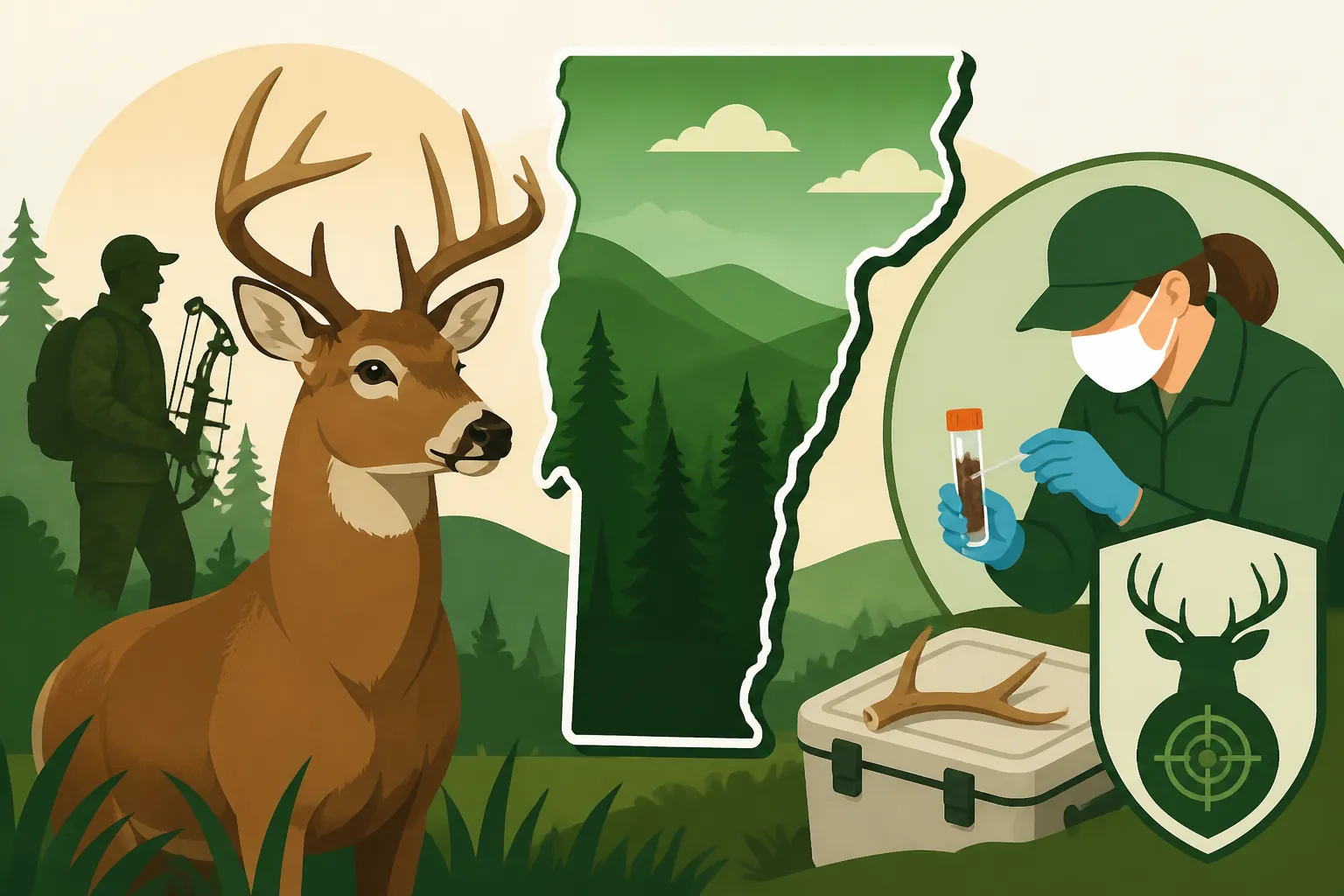
The core of Vermont's CWD surveillance program is a robust annual testing regimen. Each year, the Vermont Fish & Wildlife Department collects samples from harvested deer and moose across the state. This isn't a random effort; it’s a targeted collection designed to gather data from areas deemed most at risk, or from specific cervids showing signs that could indicate CWD. The goal is to detect the disease as early as possible, should it ever arrive, to allow for the best chance of containment.
Hunters are absolutely vital to this process. When you harvest a deer or moose, the department relies on your cooperation to provide samples. These samples, typically lymph nodes or brainstem tissue, are then sent to a diagnostic laboratory for analysis. Think of it as an ongoing health check for our wild cervids, with thousands of tests conducted annually to maintain a comprehensive picture of herd health. This commitment to widespread testing is a cornerstone of why Vermont Has Stayed CWD-Free.
Key Collection Points and Hunter Participation
To make it as easy as possible for hunters to participate, the Fish & Wildlife Department establishes various collection points throughout the state during hunting seasons. These often include regional offices, specific deer check stations, or even partnerships with local butchers and taxidermists. The department provides clear instructions on how to properly collect and submit samples, ensuring the integrity of the testing process.
Hunter participation isn't just encouraged; it's essential. Every sample submitted adds another layer of protection to the overall surveillance effort. Imagine the data collected – thousands of individual data points spread across the state, giving biologists a comprehensive understanding of the health of White-Tailed Deer Across Vermont. Your involvement directly contributes to this critical dataset, allowing wildlife managers to make informed decisions and respond quickly if CWD is ever detected. Without hunters, this extensive monitoring simply wouldn't be possible.
Monitoring Wildlife Management Units (WMUs)
While CWD surveillance is a statewide effort, it's often intensified in specific areas, particularly those Wildlife Management Units (WMUs) that are geographically closer to CWD-positive regions in neighboring states or provinces, or areas with higher deer densities. This targeted approach allows for efficient allocation of resources and increased vigilance where the risk might be slightly elevated. Biologists study deer movement patterns, habitat use, and potential pathways of disease introduction to prioritize these monitoring zones.
The department carefully analyzes data from each WMU, not just for CWD but as part of a broader Vermont Deer and Moose Disease Monitoring program. This granular level of monitoring helps identify any localized health concerns and allows for a rapid, focused response if necessary. Understanding deer populations and movements within specific WMUs is also key for general herd management, ensuring that any CWD findings can be contextualized within the broader health and density of the local cervid population.
How Hunters Participate in CWD Surveillance
You, the hunter, are truly on the front lines of Vermont's CWD defense. Your actions and cooperation are indispensable to the success of the state's surveillance program. It's more than just harvesting an animal; it's about being a responsible steward of our wildlife resources.
Mandatory Testing in Specific Scenarios
While voluntary participation is always encouraged, there are specific scenarios where CWD testing may become mandatory for harvested animals. This usually occurs if Vermont's wildlife biologists determine a heightened risk, such as a confirmed CWD case in a nearby area, or if a particular deer exhibits clinical signs consistent with CWD. In these cases, hunters will be clearly informed of the requirement through official channels, including the Fish & Wildlife website, local news, and signage at deer registration stations.
If you happen to harvest an animal that appears sick or emaciated, even outside of a mandatory testing zone, it's crucial to report it to the Vermont Fish & Wildlife Department immediately. They can assess the situation and determine if testing is warranted. This vigilance on your part is a key component of early detection, which is paramount in managing any potential disease outbreak. The department understands that reporting a potentially sick animal can be disappointing, especially after a successful hunt, but it's an act of profound responsibility to the wider herd.
Voluntary Sample Submission Opportunities
Even when not mandatory, the Vermont Fish & Wildlife Department provides ample opportunities for voluntary sample submission. Throughout various hunting seasons, especially the longer deer seasons like Bowhunting Vermont's Expanded Archery Season or Vermont's November Rifle Season, you'll find designated drop-off locations or receive instructions on how to submit a sample. This often involves a simple process of collecting specific tissue, labeling it correctly, and placing it in a designated cooler or drop box.
Many hunters choose to participate voluntarily because they understand the collective benefit. It's a small effort that contributes significantly to the overall health security of Vermont's deer and moose. Think of it as your personal contribution to keeping our wild places healthy and ensuring that future generations can enjoy the same incredible hunting opportunities we do. Plus, knowing your deer tested clean can offer real peace of mind.
The Role of the Vermont Fish & Wildlife App and GoHunt
In this digital age, technology plays a crucial role in modern wildlife management and hunter participation. The Vermont Fish & Wildlife Department utilizes digital tools to streamline processes and improve communication. For instance, the official Reporting a Deer Through Vermont's App is a vital resource. Not only can you register your harvest through it, but it also provides up-to-date information on CWD surveillance, special collection points, and any new regulations.
Platforms like GoHunt also play a role in connecting hunters with essential information. While the official state app is primary for reporting, resources like GoHunt can help hunters prepare for their season, scout new areas, and stay informed about broader wildlife trends and health concerns that might affect their plans, such as CWD updates. Always cross-reference with official state channels, but these tools can be part of a comprehensive approach to staying informed and compliant. Hunters often consult various resources, and having GoHunt as another means to stay abreast of hunting news and information related to states like Vermont can be quite useful, though the direct CWD reporting and official rules will always come from the state’s own channels.
Vermont's CWD Prevention Rules and Regulations
Beyond testing, Vermont has a series of stringent rules designed to act as a barrier against CWD entering the state. These regulations are critical, addressing known pathways of disease transmission.
Carcass Import Restrictions from CWD-Positive States
One of the most significant threats to Vermont's CWD-free status is the importation of infected deer or moose carcasses from areas where the disease is present. To combat this, Vermont has strict Vermont Carcass Import Restrictions in place. Generally, this means that hunters cannot bring whole carcasses or certain high-risk parts (like brain, spinal cord, lymph nodes) of deer, elk, or moose harvested in CWD-positive states or provinces into Vermont.
The idea is to prevent potentially infected prions from entering Vermont's environment. If you've hunted out of state, it's crucial to thoroughly familiarize yourself with these regulations before you return. Typically, only deboned meat, clean hides, skull caps (antlers attached, with all brain tissue removed), and finished taxidermy mounts are allowed. Failing to comply with these rules not only puts Vermont's herds at risk but can also result in significant penalties for the individual hunter. Ignorance of the law is never an excuse, especially when the health of our wildlife is on the line.
The Ban on Urine-Based Lures
Another proactive measure Vermont has taken is the Vermont's Rule Against Urine-Based Deer Lures. Many hunters historically used natural deer urine or gland secretions as attractants, believing they could lure in unsuspecting bucks. However, if those lures came from an animal infected with CWD, they could potentially spread prions into new territories. Given that CWD prions can remain viable in the environment for extended periods, this was identified as a significant risk.
To eliminate this potential pathway of transmission, Vermont implemented a ban on the possession and use of these types of natural urine-based lures. This means hunters must now rely on synthetic alternatives or other methods of attraction, such as rattling and grunting, or habitat scouting techniques. While some hunters initially found this change challenging, it's a necessary step to protect our herds. It's a small sacrifice to ensure that our deer remain healthy and that we don't inadvertently introduce a devastating disease into our woods.
Penalties for Non-Compliance
It's important to understand that Vermont's CWD prevention rules are not suggestions; they are serious regulations with real consequences for those who choose not to comply. Violating carcass import restrictions or the ban on urine-based lures can result in substantial fines, suspension of hunting privileges, and potentially even confiscation of game and equipment. These penalties reflect the gravity of the threat CWD poses to Vermont's wildlife and hunting future.
The state invests considerable resources into educating hunters about these regulations, and ignorance is not a valid defense. It’s the responsibility of every hunter to know and follow the rules. This commitment to enforcement underscores the state's resolve to protect its wild cervids. Always check the latest regulations from the Vermont Fish & Wildlife Department or consult resources like GoHunt which often highlight critical regulatory updates. Taking the time to understand these rules is not just about avoiding a penalty, it's about being a responsible conservationist.
Looking Ahead: The Future of CWD Monitoring in Vermont
While Vermont has been successful in keeping CWD out, the threat isn't going away. The state's commitment to monitoring and prevention is an ongoing, evolving process.
Adapting to New Challenges and Scientific Findings
The science around CWD is constantly advancing, and Vermont's surveillance program must adapt alongside it. Wildlife biologists are continuously reviewing new research, understanding new transmission pathways, and assessing emerging risks. This means the CWD surveillance program isn't static; it evolves based on the latest scientific understanding. For example, if new research indicates that certain types of environmental factors make prions more persistent, or that new species could be potential carriers, the program would be adjusted accordingly.
This adaptive management approach ensures that Vermont's efforts remain at the forefront of CWD prevention. It means staying connected with national and international wildlife health experts, sharing data, and being prepared to implement new strategies or modify existing regulations as needed. This flexibility is crucial in a battle against a disease as insidious and persistent as CWD.
Ongoing Research and Collaboration
Vermont's Fish & Wildlife Department doesn't operate in a vacuum. They actively collaborate with other state wildlife agencies, federal organizations, universities, and research institutions to pool knowledge and resources in the fight against CWD. This collaborative effort is essential because CWD is a regional, even continental, problem that requires a coordinated response. Sharing data on deer movement, disease prevalence in nearby areas, and the effectiveness of different management strategies strengthens everyone's ability to protect their herds.
Furthermore, ongoing research within Vermont, often in partnership with academic institutions, helps to understand the unique characteristics of our local deer and moose populations, their habitat, and potential vulnerabilities. This local knowledge, combined with broader scientific findings, allows Vermont to tailor its CWD prevention strategies for maximum effectiveness, making sure that efforts like those outlined in Vermont's Wildlife Disease Monitoring Program are as robust as possible.
The Collective Responsibility of Hunters and Landowners
Ultimately, the future of CWD monitoring and prevention in Vermont rests on the shoulders of everyone who cares about our wildlife, especially hunters and landowners. Government agencies can implement programs and regulations, but it's the vigilance and cooperation of individuals that make these efforts truly effective. From accurately reporting harvests and submitting samples, to following carcass import restrictions and understanding why rules like the ban on urine-based lures are in place, every action counts.
Landowners also play a vital role, especially in understanding local deer activity and reporting any unusual sightings of sick animals. It's a collective responsibility, a shared commitment to preserving the health and vitality of Vermont's cherished wild cervid populations. By working together, informed by resources from the state and tools like GoHunt, we can ensure that future generations continue to experience the joy of hunting healthy deer and moose in the beautiful Green Mountains.
Summary of Vermont's CWD Surveillance Program
Here's a quick overview of the key components of Vermont's proactive CWD surveillance and prevention program:
| Program Component | Description | Hunter Involvement | Purpose |
|---|---|---|---|
| Annual Testing | Systematic collection and laboratory analysis of samples from harvested deer and moose statewide. | Mandatory in specific zones/scenarios; voluntary submission widely encouraged. | Early detection of CWD if it enters Vermont. |
| Carcass Import Rules | Restrictions on bringing high-risk cervid parts (brain, spinal cord, etc.) from CWD-positive areas into VT. | Know and follow regulations for out-of-state harvests. | Prevent introduction of CWD prions into VT's environment and herds. |
| Urine-Based Lure Ban | Prohibition of natural urine-based deer lures and attractants. | Use only synthetic lures; do not possess or use natural urine products. | Eliminate potential transmission pathway via infected lure products. |
| Symptom Reporting | Encouragement to report any cervid observed with CWD-like symptoms (wasting, neurological issues). | Immediately contact VT Fish & Wildlife if you see a sick or emaciated deer/moose. | Crucial for rapid assessment and investigation of potential cases. |
| Public Education | Dissemination of information regarding CWD, its risks, and prevention strategies. | Stay informed via VT Fish & Wildlife website, app, and other resources. | Empower hunters and public to understand and participate in prevention efforts. |
| Interagency/Interstate Collaboration | Working with other states, federal agencies, and scientists on research and coordinated strategies. | Indirectly benefits from robust, informed state policies. | Enhance knowledge, share data, and develop effective regional responses to CWD. |
This table illustrates the multi-faceted approach Vermont takes to protect its wildlife resources from this persistent threat.
Disclaimer
This article is for general informational purposes only and does not constitute professional advice. Laws, prices and regulations vary by location and change over time. Consult a qualified professional for guidance on your specific situation.