Vermont Turkey Harvest Numbers by WMU
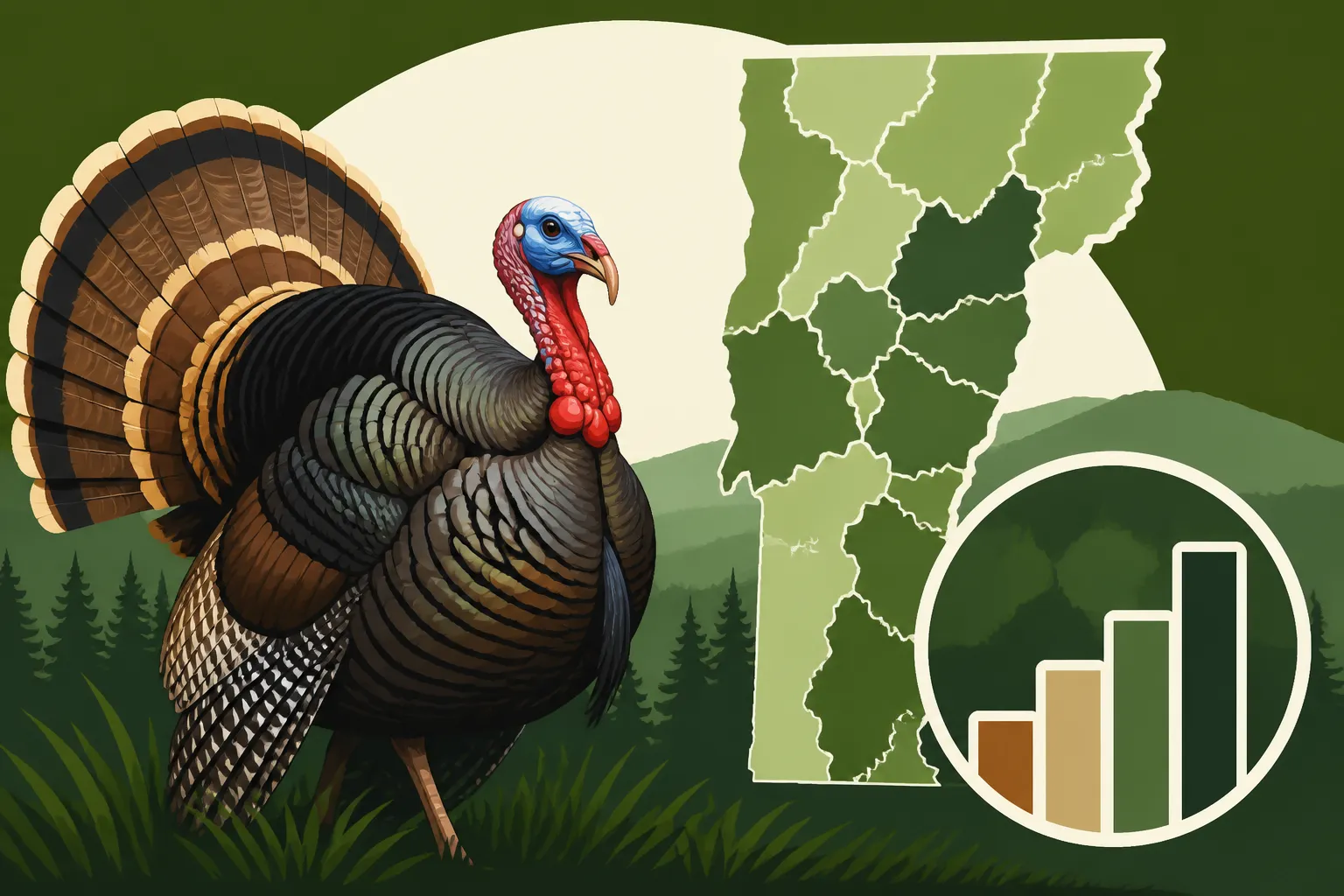
It can feel overwhelming to look at all the available hunting regulations and data for Vermont and try to make sense of it, especially when you're trying to figure out where the turkeys are thriving and where you might have the best chance to tag a bird. Sifting through tables of numbers, trying to connect dots between a WMU's name and its actual habitat, can be frustrating, making you wonder if you're even looking at the right information. This comprehensive guide is here to demystify Vermont's turkey harvest numbers by Wildlife Management Unit (WMU), helping you understand how to use this valuable data to plan a more successful hunt.
Understanding the "Why" Behind Harvest Data
For many of us, turkey hunting in Vermont is about more than just numbers; it’s about the experience of being in the woods, hearing that first gobble pierce the morning silence, and the satisfaction of a well-executed hunt. Yet, understanding the harvest data released by the Vermont Fish and Wildlife Department is crucial for both individual hunters and the health of the overall turkey population. These statistics aren't just for show; they're the bedrock of sound wildlife management, reflecting the delicate balance between abundant game, healthy habitat, and sustainable hunting pressure. Ignoring this data is like trying to navigate the Green Mountains without a compass—you might get somewhere, but it won't be efficient, and you might miss the best routes.
The Role of Data in Wildlife Management
Wildlife agencies, including Vermont Fish and Wildlife, collect harvest data for a very important reason: to monitor population trends and ensure sustainable hunting. Think of it like a doctor checking a patient’s vital signs. By tracking how many turkeys are harvested in specific areas, wildlife biologists can gauge the health and size of turkey populations within each WMU. If harvest numbers decline in a particular unit over several years, it might signal a problem with habitat, disease, or over-pressured birds. Conversely, consistently high harvest numbers indicate a robust population that can support hunting pressure. This information helps the department make informed decisions, such as adjusting season lengths, bag limits, or even special permit allocations, all aimed at ensuring future generations of hunters will have opportunities to pursue wild turkeys. It's a continuous feedback loop that protects the resource we all cherish.
Hunter Expectations vs. Reality
Let's be real: we all go into the woods with a certain level of optimism, dreaming of bringing home a big tom or a plump fall bird. However, the reality of turkey hunting, especially in a state like Vermont with its diverse terrain and varying turkey densities, can sometimes be a dose of humble pie. Harvest data helps to bridge the gap between our expectations and the ground truth. When you see that a particular WMU consistently has lower harvest numbers, it doesn't necessarily mean there are no turkeys, but it does suggest that successful hunts might be harder to come by or require different strategies. It forces us to adjust our tactics, perhaps focusing more on scouting, calling less, or hunting in more remote areas. It also manages expectations; if you know a WMU is typically a tougher hunt, you can approach it with a different mindset, appreciating the challenge and the experience even if you don't fill a tag. Understanding these numbers helps us celebrate every bird, knowing the effort it took.
Deciphering Vermont's WMUs for Turkey Hunting
Vermont is a beautiful patchwork of mountains, valleys, forests, and agricultural lands, and its Wildlife Management Units (WMUs) are designed to reflect these varied landscapes and their unique wildlife populations. Trying to hunt turkeys across the entire state with one strategy is a recipe for frustration. Each WMU, from the rolling farmlands of the Champlain Valley to the rugged peaks of the Green Mountains and the vast timberlands of the Northeast Kingdom, presents its own set of challenges and opportunities. Understanding these divisions is the first step in unlocking the secrets to successful turkey hunting in the Green Mountain State.
Geographic Divisions and Habitat Variety
Vermont is divided into numerous WMUs, each with its own distinct characteristics. For instance, WMUs like B and C in the Champlain Valley often feature a mix of open agricultural fields, river bottoms, and mature hardwoods, providing excellent food sources and roosting cover, which can lead to higher turkey densities and better harvest numbers. This is a very different landscape than, say, WMU I in the heart of the Green Mountains, which might be dominated by steeper, more remote timberland with fewer agricultural influences. In these mountainous regions, turkeys might be more spread out, and finding them often involves more strenuous scouting and still-hunting tactics.
Other WMUs, particularly those in the Northeast Kingdom like E and F2, offer vast tracts of public land and a mix of softwood and hardwood forests, providing diverse habitats. These areas might hold significant turkey populations, but the sheer amount of cover can make locating and calling birds a greater challenge. The variations in topography, forest type, and human development directly influence where turkeys thrive and, consequently, where hunters find success. Getting familiar with the specific geographical and habitat makeup of each WMU will give you a significant advantage when planning your hunt. For more detailed information on specific areas, you might want to look into articles like Hunting the Northeast Kingdom or Hunting the Champlain Valley.
Where to Find WMU Maps and Boundaries
Knowing about WMUs is one thing; actually seeing and understanding their boundaries on the ground is another. Fortunately, Vermont makes it relatively easy to access this crucial information. The Vermont Fish and Wildlife Department website is your primary resource, offering downloadable maps that clearly delineate all the WMUs. These maps are invaluable, showing not only the WMU boundaries but often also major roads, rivers, and public lands.
Beyond the official state resources, several excellent mapping applications can greatly enhance your ability to navigate and scout WMUs. Platforms like GoHunt (or similar mapping apps such as onX Hunt, HuntStand, etc.) are fantastic tools that allow you to overlay WMU boundaries with satellite imagery, topographical maps, and even landowner information. This capability is a game-changer for serious turkey hunters. You can pinpoint prime habitat features like field edges, timber stands, creek bottoms, and potential roosting areas within your chosen WMU, all from the comfort of your home. It's like having a virtual scouting partner that knows every contour of the land. Before you even step foot in the woods, you can identify potential bottlenecks, travel corridors, and access points, making your time in the field much more efficient.
Breaking Down Recent Spring Turkey Harvest Numbers by WMU
The spring turkey season is arguably the most anticipated time for many Vermont hunters. The pursuit of a vocal, strutting tom is an experience unlike any other. Understanding where and when these birds are being harvested can significantly impact your scouting efforts and hunting strategy. While actual year-to-year numbers fluctuate based on a multitude of factors, observing trends and recognizing consistent patterns across WMUs provides invaluable insight into the state of Vermont's turkey populations and hunting opportunities.
Top-Performing WMUs for Spring Gobblers
When we look at spring turkey harvest data, certain WMUs consistently tend to produce higher numbers of harvested gobblers. These often include units with excellent habitat diversity, a good mix of agricultural lands and mature hardwoods, and accessible public and private lands where turkeys can thrive and hunters can pursue them. For instance, WMUs located in the Champlain Valley, such as WMU B and C, often show robust harvest numbers. This is largely due to the rich agricultural landscape providing ample food sources like waste grain and insects, alongside ideal roosting timber in adjacent woodlots and river corridors. Hunters in these areas benefit from these concentrated food sources, which often keep birds more localized and predictable.
Similarly, WMUs in southern Vermont that have significant tracts of diverse habitat, like WMU O or WMU M, can also be high producers. These regions often have a mosaic of forest types, old fields, and smaller agricultural plots, all of which contribute to a healthy turkey population. The key takeaway here isn't just which WMUs are top performers, but why they are. They offer prime habitat that allows turkeys to flourish, and often present opportunities for hunters to employ various tactics, whether it’s setting up on a field edge at dawn or still-hunting timber. Before your hunt, check the latest harvest reports from the Vermont Fish and Wildlife Department, which break down success by WMU, giving you a real-time snapshot of the best places to consider for your next Spring Turkey Hunting in Vermont adventure.
Year-Over-Year Trends and Anomalies
While some WMUs consistently perform well, it's also important to pay attention to year-over-year trends and any anomalies that might appear in the harvest data. A sudden dip in harvest numbers in a traditionally strong WMU, or a surprising spike in a lesser-known unit, can tell a story. For example, a severe winter can lead to increased winter mortality, especially for younger birds, which might be reflected in lower harvest numbers the following spring. Conversely, a mild winter and a successful breeding season (known as a "good hatch") can mean more turkeys on the landscape, leading to higher harvest figures.
Anomalies can also be linked to significant habitat changes, such as extensive logging operations that create new clearings and thick regrowth, altering turkey movement patterns. Or perhaps a sudden influx of hunters into a previously overlooked area due to social media buzz could temporarily inflate harvest numbers in that specific WMU. By examining these trends over several years, rather than just focusing on a single season's data, you gain a deeper understanding of the underlying population dynamics and environmental factors at play. This long-term perspective is vital for discerning genuine population shifts from temporary fluctuations, helping you to make more informed decisions about where to invest your scouting and hunting efforts for Vermont Turkey Population Trends.
The Impact of Weather on Spring Success
No matter how good the habitat or how healthy the turkey population, weather often holds the trump card when it comes to spring harvest success. A cold, wet spring can significantly depress gobbling activity, making birds harder to locate and call in. Hunters often find themselves struggling during periods of prolonged rain or unseasonably low temperatures, as birds may remain on the roost longer or be less responsive to calls. Conversely, a spell of warm, stable weather can ignite gobbling activity, making turkeys much more vocal and predictable, leading to higher success rates across many WMUs.
Wind is another major factor, especially in mountainous regions. Strong winds can make it incredibly difficult to hear distant gobblers and can also make calling less effective as sound doesn't carry as well. Heavy fog or sudden snow squalls, while less common in spring, can also impact visibility and turkey behavior. Experienced hunters know to monitor the weather forecast closely and adapt their plans accordingly. Sometimes, waiting for a break in the weather, even for a day or two, can dramatically improve your chances of success. It's a frustrating but unavoidable reality of spring hunting, where even the "best" WMU might offer a tough hunt if Mother Nature isn't cooperating.
Analyzing Fall Turkey Harvest Numbers Across Vermont
While the spring season gets most of the glory, fall turkey hunting offers a unique and often equally rewarding experience in Vermont. Instead of calling in lovesick gobblers, fall hunting typically involves locating flocks, breaking them up, and then calling them back together. The harvest numbers for the fall season, just like spring, provide important clues about population health and hunter success, though the nature of the hunt itself means these numbers often tell a different story. Understanding these nuances is key to planning a successful fall campaign.
Statewide Archery vs. Shotgun-Legal WMUs
Vermont's fall turkey season is structured a bit differently than spring, with both statewide archery opportunities and specific WMUs designated for shotgun hunting. This distinction is critical when analyzing harvest data. The statewide archery window for fall turkeys allows bowhunters to pursue birds across all WMUs, offering widespread access. However, success rates with a bow can be lower than with a shotgun, reflecting the challenge of getting a wary fall flock within archery range. This doesn't mean archery isn't effective; rather, it highlights the need for different strategies, such as patterning flocks and setting up ambushes. For those interested, diving into Hunting the Statewide Fall Archery Turkey Season can provide more specific tactics.
On the other hand, certain WMUs are designated as "shotgun-legal" for fall turkeys, often in areas with higher turkey densities or specific management objectives. These WMUs typically see higher harvest numbers due to the extended range and pattern of a shotgun, which can increase a hunter's odds of success once a flock is located. When reviewing harvest data, it's crucial to remember this difference. Comparing a shotgun-legal WMU's harvest to an archery-only WMU isn't an apples-to-apples comparison. Instead, focus on trends within each category. The Vermont Fall Turkey WMU Rules will detail which units allow shotgun hunting, guiding your research into areas with potentially higher overall fall harvest figures.
Comparing Spring and Fall Opportunities
When you look at the total annual turkey harvest in Vermont, you'll generally notice that the spring season accounts for a significantly larger portion of the birds taken. This isn't surprising, given the vocal nature of gobblers in the spring, which makes them more susceptible to calling strategies and generally easier to locate. The motivation of breeding birds to respond to calls makes for exciting and often more productive hunting.
Fall hunting, while offering the challenge of breaking up flocks and calling in scattered birds, often yields lower overall harvest numbers across the state. This can be attributed to several factors: turkeys are typically less vocal, flocks are often larger and warier, and hunters often have to cover more ground to locate birds. However, fall hunting offers a different reward: the chance to fill the freezer with multiple birds (if bag limits allow and you have the skill), as often multiple birds from a scattered flock can be called back in. For those who enjoy the strategic challenge and the opportunity to hunt later in the year, fall can be incredibly rewarding. The choice between spring and fall often comes down to personal preference and the type of hunting experience you're seeking, but the harvest data clearly indicates which season historically offers higher overall success rates.
Factors Influencing Turkey Harvest Success
Turkey hunting success isn't just about showing up in a "good" WMU; it's a complex interplay of environmental factors, turkey behavior, and hunter skill. Harvest data provides a snapshot of success, but understanding the underlying reasons for those numbers can transform a casual outing into a strategic endeavor. From the availability of food to the pressure exerted by other hunters, many variables contribute to whether you'll be punching a tag or just enjoying the sunrise.
Habitat Quality and Food Availability
At the heart of any healthy wildlife population, including wild turkeys, is quality habitat and abundant food. This is perhaps the single biggest factor influencing turkey harvest numbers within any given WMU. Areas with a diverse mix of mature hardwood forests (especially oak and beech for mast crops), open fields, agricultural lands, and reliable water sources will consistently support more turkeys. When acorns, beechnuts, or other hard mast crops are abundant, turkeys will often be more concentrated in those areas, making them easier to locate. Conversely, a poor mast crop year can cause birds to disperse widely in search of alternative food sources, making them harder to pattern.
Take, for instance, the difference between a WMU with vast, unbroken tracts of softwoods and one with a mosaic of fields, mature hardwoods, and brushy edges. The latter almost always supports a higher density of turkeys because it offers everything they need: food, cover for roosting and protection, and nesting habitat. This direct link between habitat quality and turkey numbers is clearly reflected in the harvest data. When you're scouting, whether physically or using tools like GoHunt, pay close attention to these habitat elements. Look for evidence of a good mast crop year or fresh agricultural activity, as these can be indicators of where turkeys will be concentrated and where your chances of success might be higher. An article on Hunting After a Poor Acorn Year could be a good follow-up read.
Hunting Pressure and Turkey Behavior
Another significant factor, particularly in easily accessible WMUs or those known for high turkey populations, is hunting pressure. Turkeys are intelligent birds, and they quickly learn to associate human presence with danger. In WMUs that see a lot of hunter activity, birds can become "call-shy," meaning they are less likely to respond to even the most expert calling. They might also become more nocturnal, moving primarily in low light, or seek refuge in the thickest, most inaccessible cover available.
This increased wariness directly impacts harvest numbers. Even if a WMU has a healthy turkey population, if the birds are heavily pressured, hunters may struggle to get them into range. This is often why hunters seek out more remote areas or focus on scouting overlooked pockets of cover within popular WMUs. Understanding how to adapt to pressured birds, perhaps by using quieter, more subtle calling or adopting a "run and gun" approach to cover more ground, can be crucial. For example, knowing how Decoy Placement for Pressured Spring Birds can make a difference or learning new calling strategies like those discussed in Calling a May Gobbler Off the Roost are vital skills when facing educated birds. When looking at harvest data, consider not just the total numbers, but also the amount of public access and known hunter activity in that WMU. Sometimes, a WMU with slightly lower numbers but also lower pressure might offer a better quality hunt than a high-volume, high-pressure area.
Using Harvest Data to Plan Your Next Hunt
Now that you understand the nuances of Vermont's turkey harvest data and the factors influencing it, how do you put this knowledge to practical use? The goal isn't just to accumulate facts but to transform them into actionable strategies that improve your chances of success in the field. Think of harvest data as one crucial piece of your hunting puzzle, guiding your scouting efforts and helping you refine your approach.
Identifying High-Potential Areas
One of the most immediate benefits of reviewing turkey harvest numbers by WMU is the ability to identify high-potential areas. While past success doesn't guarantee future results, consistently strong harvest numbers in a particular WMU are a reliable indicator of a healthy, huntable turkey population. When you see units like WMU B, C, or O frequently appearing at the top of the list, it's a strong signal that these areas possess the right combination of habitat and turkey density to offer good opportunities.
However, "high-potential" doesn't always mean the easiest hunt. These areas might also see higher hunter pressure. Instead, use this information to narrow down your initial search. If you're a newer hunter, starting your scouting in a historically productive WMU can boost your confidence and chances of encountering birds. For seasoned hunters, it might mean looking for overlooked pockets within these high-potential WMUs – perhaps a small, hard-to-access parcel of public land, or a less obvious corner of a private property where you've secured permission. Combining harvest data with detailed topographical maps and aerial imagery, perhaps even considering tips from Scouting Vermont Public Land Before Season, allows you to identify specific ridges, creek bottoms, or field edges within those WMUs that might hold birds.
Leveraging Tools like GoHunt for Planning
In today's digital age, hunters have access to an incredible array of tools that can supercharge their planning, and platforms like GoHunt are at the forefront of this revolution. While the specific features vary, these tools often allow you to overlay official WMU boundaries with detailed satellite imagery, topographic maps, and even public/private land ownership layers. This is invaluable when you're looking at harvest data. For example, if you see that WMU F2 in the Northeast Kingdom had a good spring harvest, you can then use a mapping app to zoom in on that WMU.
Within the app, you might be able to identify specific clear-cuts that offer new growth and bugging areas for turkeys, or map out potential roosting sites along major river systems. You can mark waypoints for potential scouting locations, plan your access routes, and even get an idea of the terrain's steepness before you ever leave home. Many platforms also offer features like weather overlays, moon phase calendars, and even community forums where hunters share insights, which, while not harvest data itself, can contribute to a more informed hunt. The ability to visualize the landscape that produced those harvest numbers is a powerful asset in your hunting arsenal, helping you to connect the dots between the numbers on a report and the actual places on the ground.
Season-Specific Strategies Based on Data
Finally, harvest data empowers you to tailor your hunting strategies for both the spring and fall seasons. For spring, a look at WMU-specific gobbler harvest numbers can highlight areas where toms are most active and responsive. If a WMU shows consistently high spring harvests, it might indicate a strong breeding population, meaning more gobbling and more opportunities for calling birds in. You might then focus on aggressive calling tactics early in the season, or adapt your strategy to the more pressured, mid-morning birds often encountered in productive areas.
For the fall season, where the objective shifts from calling a single gobbler to breaking up a flock and calling scattered birds back, understanding the distribution of entire flocks becomes paramount. Fall harvest numbers, especially for hens and jakes, can indicate areas with abundant family groups. You might then prioritize scouting efforts in WMUs that show strong fall harvest reports, looking for areas with reliable food sources like mast crops or waste grain fields where flocks congregate. This data can also inform your decision on whether to focus on Hunting the Regular Archery Opener in October or hold out for the shotgun-legal WMUs if that's your preference. By combining the statistical insights from harvest data with your knowledge of turkey behavior and your chosen hunting method, you can develop more effective, season-specific strategies that increase your odds of punching that Vermont turkey tag.
Vermont Turkey Harvest Numbers by WMU: Sample Data
To illustrate how turkey harvest data might be presented and interpreted, here's a simplified example of how one might view a snapshot of spring turkey harvest success across a few representative WMUs in Vermont. Please note that actual numbers vary greatly year to year and are typically much more detailed, but this table offers a conceptual framework.
| WMU | Region | Habitat Characteristics | Spring Tom Harvest (Sample) | Rank (Sample) |
|---|---|---|---|---|
| B | Champlain Valley | Ag fields, hardwoods, river bottoms | 125 | 1 |
| C | Champlain Valley | Ag fields, hardwoods, river bottoms | 110 | 2 |
| O | Southern VT | Mixed forests, small farms, rugged terrain | 90 | 3 |
| M | Southern VT | Mixed forests, some agriculture | 75 | 4 |
| G | Central Green Mtn | Steep timber, less agriculture | 30 | 8 |
| F2 | Northeast Kingdom | Vast timber, some clear-cuts | 45 | 7 |
| I | Central Green Mtn | Remote, high elevation timber | 20 | 10 |
This table represents illustrative data, not current live statistics. Always refer to official Vermont Fish and Wildlife Department reports for the most accurate and up-to-date harvest numbers.
As you can see from this sample, WMUs B and C, often characterized by their fertile Champlain Valley soils and diverse habitats, tend to lead in spring tom harvests. This aligns with the understanding that these areas provide excellent food and cover for turkeys. WMUs in more mountainous or remote regions, like G or I, typically show lower harvest numbers, which is to be expected given the challenging terrain and often lower turkey densities. This kind of overview helps hunters quickly identify general areas of higher turkey activity and plan their reconnaissance accordingly.
Disclaimer
The information provided in this guide is for general educational and informational purposes only and is not intended as legal advice. Hunting regulations, season dates, and WMU boundaries can change. Always consult the official Vermont Fish and Wildlife Department website and current year's regulations handbook before planning any hunting trip to ensure compliance with all applicable laws and rules.