Vermont Buck Age Structure
There's nothing quite like the feeling of being in the Vermont woods, listening to the crunch of leaves underfoot, scanning the timber for movement. But for many deer hunters, a common frustration emerges year after year: "Where are all the mature bucks?" It can feel like you're constantly seeing young bucks, yearlings, or just does, making you wonder if the big boys even exist. This guide will dive deep into understanding Vermont's buck age structure, explaining what it means for your hunting success and how the state manages this vital aspect of our deer herd.
Understanding What "Buck Age Structure" Really Means for Vermont
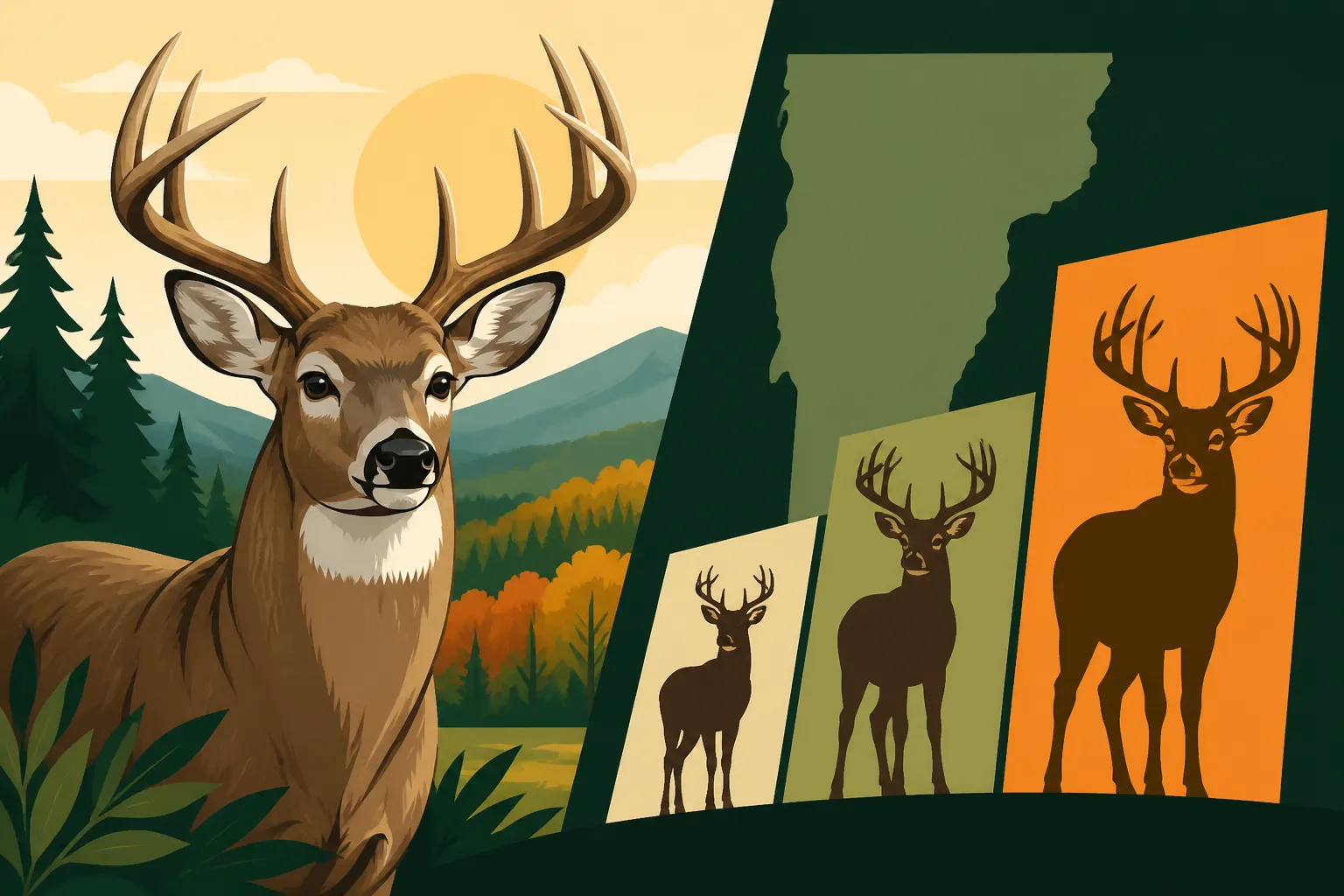
When we talk about "buck age structure," we're really discussing the distribution of male deer across different age classes within a given area. Think of it like a population pyramid for bucks, showing how many 1.5-year-olds (yearlings), 2.5-year-olds, 3.5-year-olds, and older bucks exist in the herd. It's not just about the number of bucks, but the proportion of those bucks that have had a chance to mature. For hunters, this is critical because it directly impacts the quality of your hunting experience and the chances of encountering a truly impressive animal. A herd with a healthy age structure means a better chance of seeing diverse age classes, including those older, more elusive bucks we all dream of.
A truly robust buck age structure will show a good representation of older deer, not just a handful. It's a sign that bucks are surviving past their first year or two, allowing them to express their full genetic potential in terms of antler growth and body size. When you're out there on a crisp November morning, understanding the age structure helps you set realistic expectations and adapt your hunting strategies. If the age structure leans heavily towards young bucks, you might adjust your tactics for smaller deer, or focus your efforts on areas known to hold older animals. Conversely, a balanced age structure means more opportunities and potentially more challenging hunts against wiser, more experienced deer.
This concept extends beyond just "trophy" hunting. A balanced buck age structure is also a strong indicator of overall herd health. It suggests that there's enough forage, adequate cover, and that mortality factors (including hunting pressure) are in check, allowing deer to reach older ages. Vermont's Fish and Wildlife Department monitors this data closely, using harvest reports and biological surveys to gauge the health of the deer population. Their goal isn't just to have more deer, but a healthy, resilient population that can thrive and provide quality hunting opportunities for generations to come.
Factors Shaping Vermont's Buck Age Structure
Vermont's unique landscape, hunting traditions, and wildlife management efforts all play a significant role in shaping the age structure of its buck population. It’s a dynamic interplay of biological and human influences that create the conditions you encounter in the woods.
Antlerless Harvest and Its Ripple Effect
One of the most powerful tools in wildlife management for influencing buck age structure is the antlerless deer harvest. When hunters take antlerless deer (does and fawns), it helps manage the overall deer population density. This might seem counterintuitive at first, but reducing the total number of deer often means less competition for available food sources. With more forage per animal, deer of all ages, including bucks, benefit from improved nutrition. Better nutrition during critical growth periods translates directly into healthier, larger-bodied deer, and importantly, bucks with the potential for better antler development.
If a region has an overpopulation of deer relative to its habitat, even young bucks will struggle to get the nutrients they need, leading to stunted growth and smaller antlers for their age class. By issuing Vermont Any-Deer Versus Antlerless Tag Rules, the state can fine-tune the herd's density in different Wildlife Management Units (WMUs). A healthy antlerless harvest can mean that more bucks survive their younger years with better body condition, making them more resilient to harsh winters and giving them a greater chance to reach older age classes. It’s about balance: ensuring the herd doesn't outgrow its food supply, thereby supporting the long-term health and age structure of the buck population.
Buck Harvest Pressure and Hunter Behavior
This is perhaps the most direct factor influencing how many bucks make it into the older age classes. If hunters consistently harvest bucks at a young age, the population will naturally skew towards yearlings and 2.5-year-olds, simply because fewer bucks survive to become older. Vermont has specific hunting seasons and regulations that dictate when and how bucks can be harvested, but hunter choice within those seasons is also a huge driver. For example, if many hunters are focused solely on "any buck" rather than letting younger deer walk, it creates a high mortality rate for those younger age classes.
The traditional enthusiasm during Hunting the Rut in Early-to-Mid November or on Vermont Rifle Season Opening Day often leads to a significant harvest of the most visible bucks, which are frequently younger animals. While there's absolutely nothing wrong with taking any legal buck you encounter, understanding the collective impact of hunter choices is key to understanding the age structure. Some management philosophies, like Quality Deer Management (QDM), encourage hunters to pass on younger bucks, allowing them to mature. While Vermont doesn't strictly impose antler point restrictions statewide, the general harvest pressure on bucks directly affects how many survive to become 3.5, 4.5, or even 5.5+ years old. The state collects Vermont Deer Harvest Records which are a crucial dataset to analyze these trends.
Habitat, Nutrition, and the Green Mountain Landscape
The quality and quantity of habitat are foundational to supporting a healthy buck age structure. Vermont's diverse landscape, from the rich agricultural lands of the Champlain Valley to the rugged, forested peaks of the Green Mountains and the sprawling woodlands of the Northeast Kingdom, offers varied conditions for deer. Areas with abundant and diverse food sources – think acorns, beech nuts, apples, agricultural crops, and diverse browse – allow bucks to put on weight and grow antlers rapidly. Conversely, poor habitat or areas with intense deer density relative to food can lead to stunted growth and lower survival rates, even for young bucks.
Good cover is also vital. Thick softwood stands, dense clear-cuts, and remote pockets of timber provide sanctuary from predators and harsh weather, especially during the deep snows of a Vermont winter. Bucks that can find safe havens are more likely to survive hunting seasons and natural stressors, thus contributing to an older age structure. The varying Deer Density by Vermont Region directly reflects the quality of habitat available, impacting how many bucks an area can support and how well they can thrive. A mapping tool like GoHunt can be invaluable for pinpointing these crucial habitat components, helping you understand where older bucks might be able to evade pressure and find sustained nutrition.
Predation and Winter Severity
Beyond human influence, natural factors like predation and winter severity are always at play. Predators such as coyotes can exert pressure on deer populations, particularly fawns, which can indirectly affect the recruitment of bucks into the age structure. While their impact on adult, healthy bucks is generally less significant than on fawns or sick animals, they are part of the ecosystem's checks and balances.
Vermont winters, especially in higher elevations or the deep woods of the Northeast Kingdom, can be brutal. Deep snow and prolonged cold periods can significantly stress deer, leading to winter mortality, particularly among younger, weaker, or older, less robust animals. Bucks that go into winter with poor body condition due to inadequate nutrition or stress from the rut are more susceptible. The presence of good deer wintering yards is critical for survival in many parts of the state. Hard winters can effectively "cull" the weaker animals, leaving a population of more resilient deer, but it can also reduce the overall number of bucks that survive to older age classes if conditions are severe enough. Understanding these natural challenges helps paint a full picture of the dynamic forces acting on Vermont's deer, as analyzed by how Fish and Wildlife Counts the Deer Herd.
How to Interpret Vermont's Buck Age Data
Understanding buck age structure isn't just about what happens in the woods; it's also about interpreting the data available to us. Vermont's Fish and Wildlife Department works hard to provide insights into the health and demographics of the deer herd, and knowing how to read this information can be a powerful tool for hunters.
Reading Harvest Reports and Regional Differences
The state's annual harvest reports are a treasure trove of information. These reports often break down the total buck harvest by age class, giving you a snapshot of what kind of bucks are being taken by hunters. You might see statistics like the percentage of yearlings (1.5 years old) versus older bucks. If a report shows a very high percentage of yearlings harvested, it indicates that many bucks aren't surviving past their first hunting season, suggesting a relatively young age structure. Conversely, a higher percentage of 2.5-year-old and older bucks points to a healthier, more mature age structure. These reports are often broken down by WMU, which means you can zero in on the specific areas you hunt.
It's absolutely vital to remember that buck age structure can vary dramatically across different regions of Vermont. The fertile agricultural landscape of the Champlain Valley, for instance, often provides richer nutrition, potentially leading to bucks that grow larger antlers at a younger age and generally have better body condition. In contrast, the more rugged, densely forested areas of the Northeast Kingdom might have lower deer densities and different growth patterns. By looking at Northeast Kingdom Versus Champlain Valley Deer data, you can see these regional differences clearly. What constitutes a "good" age structure in one WMU might be different in another due to habitat, hunting pressure, and winter severity. Using detailed mapping resources, like those found on GoHunt, can help overlay harvest data with local habitat features, providing an even clearer picture.
Aging on the Hoof: Practical Field Tips
While harvest data gives us a big-picture view, a truly savvy hunter learns to "age on the hoof" – estimating a buck's age when they see it in the field. This skill doesn't come overnight, but with practice, it can significantly enhance your hunting strategy. It moves beyond simply counting antler points and focuses on body characteristics.
Here’s a general guide to help you distinguish age classes:
| Age Class | Antler Characteristics (General) | Body Characteristics (General) | Typical Behavior |
|---|---|---|---|
| 1.5 Year Old | Small basket, spike, or fork horn. Thin bases. Often narrow. | Lean, long-legged, and "gangly" look. Neck tapers into shoulder. Slight belly. | Skittish, reactive to perceived threats. Often seen with does or other young bucks. Quick, nervous movements. |
| 2.5 Year Old | Developing spread and mass. May have 6-8 points. Still somewhat thin bases. | More filled out body, but still athletic-looking. Neck begins to thicken, blends better with shoulders. | More independent, but still curious. Beginning to challenge younger bucks. More deliberate movements. |
| 3.5 Year Old | Good mass, wider spread, longer tines. Antlers begin to show character. | Blockier body, shoulders fill out. Noticeably thicker neck, especially during the rut, often looks like a "bull neck." Minimal belly sag. | More dominant and purposeful. Strategic movement patterns. Actively participates in the rut, seeking out does. |
| 4.5+ Year Old | Heavy mass, long tines, wide spread. Unique, often gnarled character. | Sagging belly, stout, heavy-chested body. Very thick, bull-like neck in rut, blending smoothly into shoulders. | Highly elusive, often nocturnal or crepuscular. Generally solitary outside of breeding. Wary and experienced. |
Learning to differentiate these characteristics is key. Focus on the body, not just the antlers. A small-racked buck could still be an older deer if it has a deep, blocky body and a thick neck, especially if you're hunting late season. Pay attention to how a buck carries itself – older bucks often move with a more deliberate, confident gait. This skill, combined with scouting data, helps you pass on younger bucks if your goal is to find a truly mature animal, aligning with broader goals of maintaining a healthy Vermont Buck-to-Doe Ratio by Region.
What a Healthy Buck Age Structure Looks Like in Vermont
Achieving and maintaining a healthy buck age structure is a key goal for Vermont's wildlife managers, and it’s something every hunter can appreciate. It’s about more than just the sheer number of deer; it’s about the vitality and resilience of the herd.
Balanced Ratios and the Benefits of Maturity
In an ideal, healthy buck age structure, you wouldn't just see a sea of young, 1.5-year-old bucks. Instead, there would be a good distribution across multiple age classes, with a significant percentage of bucks reaching 2.5, 3.5, and even 4.5+ years old. While specific percentages can vary based on habitat and management goals, a commonly cited benchmark for a quality deer herd might aim for something like 30-40% of the harvest composed of bucks 3.5 years or older. This indicates that bucks have a genuine chance to mature.
The benefits of a balanced ratio are extensive. Older bucks are more dominant during the rut, leading to more intense breeding activity and potentially stronger fawns. Their presence can help regulate the timing of the rut and ensure genetic diversity. From a hunting perspective, more older bucks means more challenging hunts against truly wise animals, offering a greater sense of accomplishment. It also often means larger antlers, as bucks typically don't reach their peak antler growth until 4.5 to 6.5 years of age. A healthy age structure means better hunting, plain and simple, and is crucial for sustaining the population. You're more likely to find a truly impressive animal when there are more Best Vermont WMUs for Big Bucks in the system.
Management Goals and Sustaining the Herd
Vermont's Fish and Wildlife Department continuously monitors various metrics, including buck age structure, as part of its comprehensive deer management strategy. Their goals aren't just about maximizing harvest numbers, but about sustaining a robust, healthy deer herd for the long term. This involves balancing ecological needs with hunter desires and preventing issues like disease transmission (though Vermont remains vigilant with Vermont CWD Prevention Rules). By ensuring bucks survive to older age classes, the state helps maintain natural behaviors and a more resilient population overall.
This commitment to sound management ensures that when you head into the woods, whether it's the steep terrain of the Green Mountains or a quiet Champlain Valley woodlot, you have a realistic opportunity to encounter a mature buck. It's a testament to the department's efforts, supported by hunters who participate in data collection through deer reporting, to understand and nurture the state's deer population. For a hunter using tools like GoHunt for planning, looking at historical data and understanding these age structure trends can provide crucial insights into where the best opportunities for a mature buck might lie. Ultimately, a healthy buck age structure is a cornerstone of sustainable hunting and a thriving deer population in our beautiful state.
Disclaimer
This article is for general informational purposes only and does not constitute professional advice. Laws, prices and regulations vary by location and change over time. Consult a qualified professional for guidance on your specific situation.