Vermont Moose Population Decline Since the 1990s
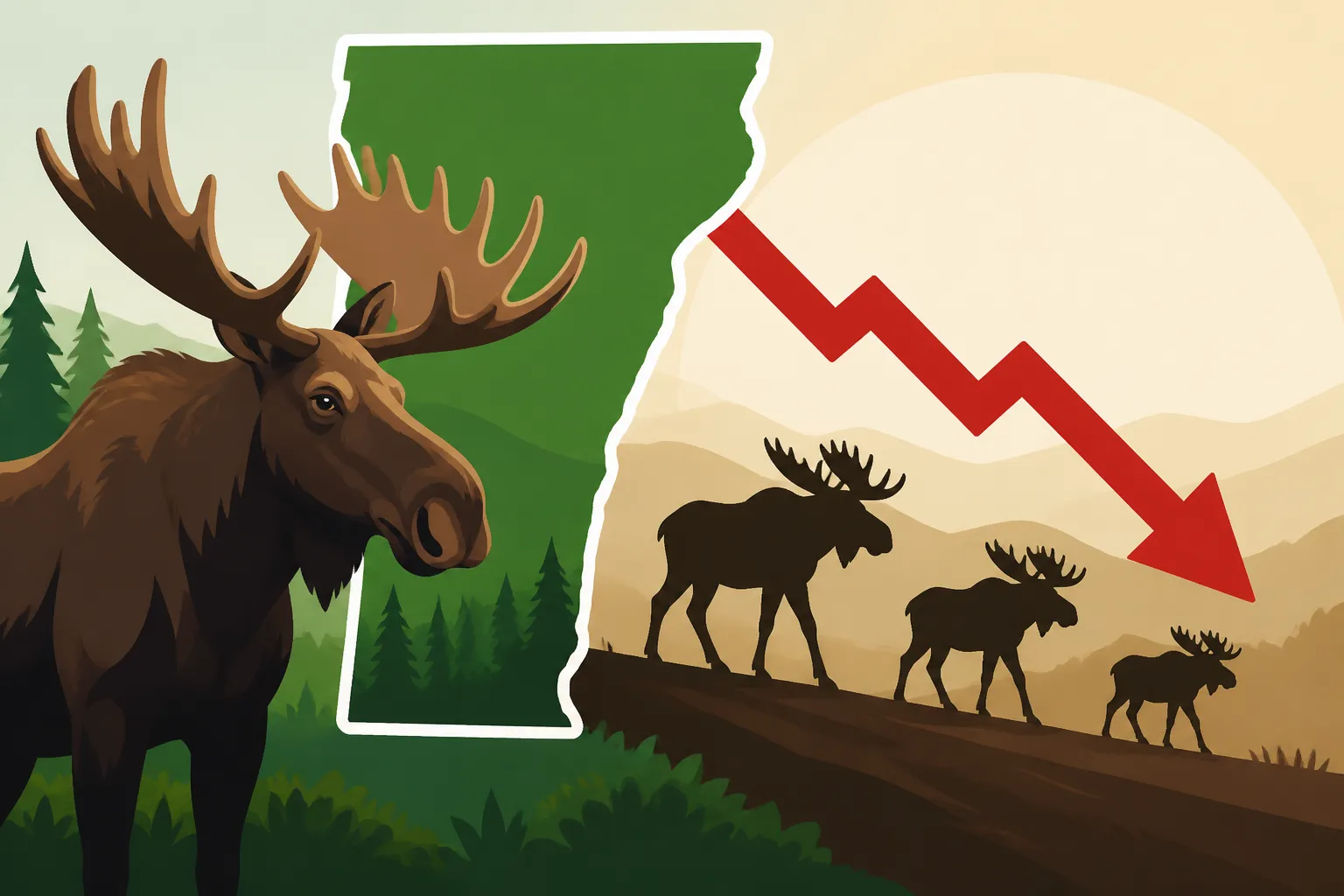
For those of us who cherish Vermont's wild places and the magnificent creatures that call them home, few things stir the soul like the sight of a moose. If you've spent any time hunting or simply exploring the vast, remote tracts of the Northeast Kingdom, you might have noticed something concerning over the past couple of decades. The robust moose population we once celebrated, which truly boomed in the 1980s and 90s, has been steadily declining. It's a disheartening trend that has left many hunters and wildlife enthusiasts wondering what's happening to our iconic big game. This guide will delve into the complex reasons behind Vermont's moose population decline since its late 1990s peak, explore the impacts, and discuss the management strategies being employed to address this critical issue.
The Shifting Landscape: Tracing Vermont's Moose Population Decline Since the 1990s
It feels like just yesterday, or at least within recent memory for many of us, that hearing about a moose sighting wasn't a rare occurrence. We marveled at their resurgence after historical extirpation, witnessing a remarkable comeback that peaked in the late 1990s and early 2000s. Vermont's wilderness, especially the dense forests of the Northeast Kingdom, seemed to echo with their presence. This was a golden age for moose, a testament to conservation efforts and the resilience of nature when given a chance.
Peak and Plateau: The Good Old Days
Back in the 1980s and 1990s, Vermont's moose population experienced an incredible boom. After being largely absent for a century due to overhunting and habitat loss, moose began to recolonize the state, especially the wilder, less developed regions. Forest regrowth from abandoned farms created ideal early successional habitat, rich with young hardwoods and shrubs that moose love to browse. The population grew rapidly, reaching an estimated peak of around 5,000 animals in the early 2000s. This period saw increased hunting opportunities and a general sense of optimism about the health of the herd. Many hunters fondly recall seeing numerous moose tracks and browsing signs, and the chances of drawing a permit for a Moose in Vermont's Northeast Kingdom felt genuinely achievable.
The Turning Point: When Numbers Began to Slip
However, around the early 2000s, things started to shift. What was once a steady upward climb, or at least a stable plateau, began to show signs of faltering. We started hearing whispers, then more definitive reports, of declining calf survival and a general reduction in overall moose health. The harvest numbers, while carefully managed, also began to reflect a smaller overall population. Instead of seeing multiple moose on a scouting trip, encounters became fewer and farther between. The once-thriving population began to shrink, and the question of How Many Moose Live in Vermont became a much more somber inquiry, with estimates gradually falling from those peak numbers. This decline was particularly pronounced in certain areas, signaling that something significant was at play.
The Primary Culprit: Understanding the Winter Tick's Devastating Role
If there's one single factor that wildlife biologists point to as the most significant driver of Vermont's moose decline, it's the winter tick. This isn't just a nuisance; it's a genuine threat that has profoundly impacted the health and survival of our moose, especially our vulnerable calves. It’s a parasitic relationship that has spiraled out of control, fueled by environmental shifts.
The Life Cycle of the "Moose Tick" and Its Impact
The winter tick, Dermacentor albipictus, has a unique life cycle that makes it particularly devastating to moose. Unlike deer ticks, which drop off and reattach, winter ticks spend their entire parasitic phase on a single host. In the fall, thousands upon thousands of larval ticks climb onto a moose as it brushes through vegetation. These tiny ticks then feed throughout the winter, molting and growing on the same host. Imagine carrying 50,000, 70,000, or even over 100,000 ticks on your body for six months straight. That's the reality for many Vermont moose, particularly calves, and it's a horrifying thought. These massive infestations lead to severe blood loss, causing anemia and extreme stress. The constant itching causes moose to rub and scratch themselves raw against trees, leading to extensive hair loss, often giving them a ghostly, pale appearance. This loss of insulating hair makes them susceptible to hypothermia in late winter. They become so preoccupied with trying to relieve the itching that they reduce their feeding time, leading to emaciation. This constant drain on their energy and blood reserves means they emerge from winter severely weakened, making them vulnerable to disease, predation, and simply dying of exhaustion. It's a cruel fate, and a major reason Why Winter Ticks Threaten Vermont Moose.
Climate's Complicity: Shorter Winters, More Ticks
While ticks are naturally occurring, their explosion to epidemic levels is directly linked to climate change, specifically our warming winters. Historically, prolonged cold snaps and deep snow earlier in the fall would either kill off many questing tick larvae before they could find a host or bury them under snow, reducing their access to moose. Similarly, earlier springs would mean ticks drop off sooner to lay eggs, and shorter overall winters meant fewer cumulative feeding days.
However, we're now experiencing shorter, milder winters with less consistent snow cover. This creates a longer window in the fall for ticks to find hosts, and a more hospitable environment for them to survive the winter. The ticks that do infest moose have more time to feed, grow, and reproduce. This amplifies the problem year after year, creating a positive feedback loop where more ticks survive, lay more eggs, and thus lead to even higher infestations in subsequent years. It's a grim reality that highlights how deeply interconnected climate and wildlife health truly are. Without those sustained periods of deep cold, the natural checks on tick populations simply aren't as effective as they once were.
The Vulnerability of Calves and Cows
The impact of winter ticks is felt most acutely by moose calves. Their smaller body size means a tick load that might weaken an adult moose can be fatal for a calf. It's truly heartbreaking to hear reports from biologists about How Many Ticks Infest a Vermont Moose Calf, often numbering in the tens of thousands, leading directly to their demise. Calves, lacking the fat reserves and experience of adult moose, simply can't withstand the extreme blood loss and stress. Many succumb to anemia, starvation, or hypothermia before spring arrives. This dramatically lowers recruitment into the population, meaning fewer young moose are surviving to replace older animals, which is a key factor Why Moose Calves Die From Winter Ticks.
Additionally, pregnant cows are also severely impacted. Carrying a heavy tick load during pregnancy is incredibly taxing, further weakening them and potentially leading to stillbirths or calves born with compromised health. The long-term health and reproductive success of the cows that do survive a tick-heavy winter can be significantly reduced, impacting future generations. This vicious cycle, primarily driven by the winter tick, is preventing the population from recovering, even with reduced hunting pressure.
Broader Environmental Pressures and Habitat Challenges
While winter ticks are undeniably the primary villain in this story, they aren't the only factor at play. Moose, like all wildlife, exist within a complex ecosystem, and other environmental pressures are contributing to their struggles. These factors often act in concert with the tick problem, further stressing the animals and making recovery more challenging.
Forest Maturation and Changing Food Sources
The same forest regrowth that fueled the moose boom in the late 20th century is now, ironically, becoming a challenge. Moose thrive on early successional forests – areas that have been recently logged, burned, or cleared, allowing young trees and shrubs to sprout. These saplings, like aspen, birch, maple, and willow, provide highly digestible and nutritious browse.
However, many of Vermont's forests are now maturing. As these stands grow into older, denser timber, the understory browse that moose depend on becomes less abundant and often of poorer nutritional quality. Older forests offer shade, which moose need, but they don't provide the buffet of young, tender shoots. This reduction in optimal foraging habitat means moose have to travel farther and expend more energy to find adequate food, especially during the lean winter months. A less nutritious diet can make them even more susceptible to the effects of tick infestations and other stressors. It’s a dynamic that forestry and wildlife managers are constantly trying to balance.
Human Development and Habitat Fragmentation
Vermont is a beautiful state, and people want to live here. This means ongoing development, which inevitably leads to habitat fragmentation. Roads, houses, power lines, and other infrastructure break up contiguous blocks of moose habitat, making it harder for moose to move freely to find food, water, and mates without encountering human-dominated landscapes.
These fragmented habitats can also isolate smaller groups of moose, reducing genetic diversity and making them more vulnerable to localized threats. For a large animal like a moose, which requires vast tracts of undisturbed land, even seemingly minor developments can have a cumulative impact. Furthermore, increased road density often means more moose-vehicle collisions, adding another layer of mortality that wasn't as prevalent when the population was soaring in the less developed 90s. While not as dramatic as the tick problem, this slow erosion of suitable, connected habitat is a persistent underlying stressor for the herd. Finding good areas to hunt sometimes requires tools like GoHunt, which can help identify larger swaths of undeveloped or public lands.
The Subtle Strain of a Warming Climate on Moose Physiology
Beyond its direct effect on tick populations, a warming climate also imposes physiological stress on moose. Moose are cold-adapted animals. They have thick coats and a low surface area to volume ratio, making them incredibly efficient at retaining heat in cold northern climates. However, this adaptation becomes a disadvantage when temperatures rise.
Even moderate increases in summer temperatures can cause moose to overheat. When moose get too hot, they reduce their activity, spend more time seeking shade or cooling off in water, and consequently, spend less time foraging. This reduced feeding can lead to lower body condition, impacting their ability to store fat reserves for the winter and to reproduce successfully. It’s a subtle but significant factor. A moose struggling with heat stress in the summer will be less robust when the thousands of winter ticks latch on in the fall, creating a deadly synergy. The effects of global warming are slowly but surely chipping away at the inherent resilience of these magnificent animals in Vermont's ecosystem.
Vermont's Response: Management Strategies and Hope for the Future
Facing the stark reality of the moose population decline, Vermont wildlife managers haven't been idle. They've recognized the severity of the situation and have implemented a series of thoughtful and often difficult management strategies, coupled with ongoing research, to try and stabilize the population and, hopefully, facilitate a recovery. It's a testament to their dedication to conserving these incredible animals.
Strategic Adjustments to Moose Permit Quotas
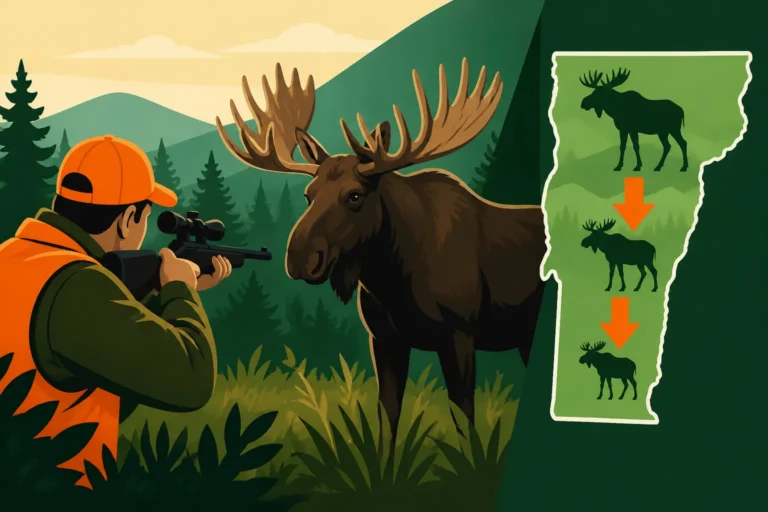
One of the most immediate and visible responses to the decline has been a significant reduction in moose hunting permits. When the population was robust, Vermont offered a substantial number of permits to manage the herd and provide hunting opportunities. However, as the decline became apparent, the number of permits issued has been drastically scaled back. The state's approach now reflects Vermont's Moose Permits as a Density Management Tool, primarily aimed at maintaining a healthy remaining population by reducing human-caused mortality.
This often means very few, if any, antlerless permits in certain Wildlife Management Units (WMUs), focusing primarily on bull permits to minimize impact on breeding potential. The goal is to reduce overall pressure on the herd, allowing more moose to survive and potentially reproduce, especially in the areas hardest hit by tick infestations. For hunters, this has meant the Vermont Moose Lottery Application Process has become even more competitive, making a moose tag a truly once-in-a-lifetime opportunity for most. These are tough decisions, but necessary ones based on sound biological principles, driven by Vermont's Winter-Tick-Driven Moose Permit Strategy.
Ongoing Research and Monitoring Programs
Understanding the problem is half the battle, and Vermont's Fish & Wildlife Department is heavily invested in robust research and monitoring programs. Biologists are actively studying moose health, tick loads, and calf survival rates across different regions of the state. This involves:
- Collaring and Tracking: Moose are captured, fitted with GPS collars, and tracked to monitor their movements, survival, and reproductive success. This helps gather crucial data on mortality causes and habitat use.
- Tick Load Assessments: Biologists visually assess moose for tick infestations, often correlating these observations with body condition and survival.
- Harvest Data Analysis: Information gathered from legally harvested moose (age, weight, health indicators) provides valuable insights into the overall health and age structure of the herd.
- Aerial Surveys: While challenging for moose, periodic aerial surveys attempt to estimate population numbers and distribution, helping to confirm trends observed through other methods.
This continuous stream of data allows managers to refine their strategies, adapt to new challenges, and better predict the future trajectory of the population. The insights gained from these studies are vital for making informed conservation decisions.
Habitat Preservation and Restoration Initiatives
While ticks are the dominant issue, addressing habitat is still crucial. Wildlife managers are working to ensure that existing high-quality moose habitat is protected and, where possible, enhanced. This includes working with private landowners and managing public lands like the Green Mountain National Forest to create and maintain the early successional forests that moose need.
This can involve carefully planned timber harvests that mimic natural disturbances, creating patches of young browse. It's about ensuring a diverse forest structure, providing both the dense cover of mature stands and the crucial food sources found in younger growth. Projects that restore degraded wetlands or improve stream crossings can also benefit moose by increasing access to water and diverse forage. While it won't solve the tick problem directly, healthy, abundant habitat ensures that moose have the best possible chance to thrive when other pressures are alleviated.
What Hunters Can Do to Help
As hunters, we are often the first line of defense for wildlife, deeply connected to the health of the ecosystems we rely on. We spend countless hours in the woods, observing, learning, and contributing to conservation through our license fees and advocacy. When it comes to the struggling moose population, our role is more important than ever.
Supporting Conservation Efforts
One of the most direct ways hunters contribute to wildlife management is through the purchase of hunting licenses and permits. A significant portion of these funds goes directly to the Vermont Fish & Wildlife Department, supporting the very research, monitoring, and habitat work discussed above. Beyond that, consider joining and supporting conservation organizations that advocate for wildlife and habitat protection in Vermont. Groups focused on preserving large tracts of undeveloped land or promoting sustainable forestry practices are vital.
You can also lend your voice to discussions about wildlife policy. Staying informed about proposed changes, attending public meetings, or writing to your representatives can make a real difference. Hunters have a powerful, vested interest in healthy wildlife populations, and making that voice heard helps ensure that sound science guides management decisions. Every little bit of advocacy helps ensure that the future of hunting and the future of wildlife remain intertwined.
Ethical Hunting Practices and Reporting Observations
For those fortunate enough to draw one of the highly coveted moose permits, ethical hunting practices are paramount. This means making clean, quick kills, knowing your limitations, and diligently tracking and recovering any animal you shoot. Beyond the hunt itself, your observations in the field are incredibly valuable to wildlife biologists.
If you are out Scouting Vermont Public Land Before Season or just enjoying the wilderness, pay attention to moose you encounter. Note their general health, presence of hair loss (indicating heavy tick loads), and calf sightings. Reporting these observations to the Vermont Fish & Wildlife Department can contribute to their ongoing monitoring efforts. Even if you aren't actively hunting moose, if you encounter a sick or dead moose, especially one that appears emaciated or heavily tick-infested, reporting it promptly with details and location can provide critical data for researchers studying the Vermont Deer and Moose Disease Monitoring program. Every pair of eyes and every bit of information helps paint a clearer picture of the challenges facing our moose.
Educating Others on the Challenges
Perhaps one of the most powerful things we can do is to educate others. Many people are unaware of the severity of the moose population decline or the complex role of winter ticks and climate change. As hunters and outdoors enthusiasts, we have an opportunity to share accurate, science-based information with friends, family, and the wider community.
By explaining the intricate ecological factors at play, we can foster a greater understanding and appreciation for the challenges facing Vermont's wildlife. This isn't about blaming anyone, but about raising awareness and promoting a collective sense of responsibility. Whether you're discussing Vermont Deer Camp Traditions or just chatting at the local coffee shop, casually sharing information about the moose situation can help build broader support for conservation efforts. Our shared passion for Vermont's natural heritage is a powerful tool for ensuring these magnificent animals continue to roam our wild places for generations to come.
Disclaimer
This article is for general informational purposes only and does not constitute professional advice. Laws, prices and regulations vary by location and change over time. Consult a qualified professional for guidance on your specific situation.