Vermont’s Moose Density Reduction Efforts
For many years now, Vermont's wildlife managers have been grappling with a complex and heartbreaking challenge: a declining moose population, particularly due to the devastating impact of winter ticks. If you've spent any time hunting or simply observing our majestic moose in the Northeast Kingdom, you've likely noticed their numbers aren't what they once were, and the sight of a tick-ravaged animal is truly concerning. This guide is dedicated to explaining why these efforts are so crucial, what steps are being taken, and how hunters play a vital role in the future health of Vermont's moose herd through the state's density reduction strategies.
Understanding the Need for Moose Density Reduction
It might sound counterintuitive to talk about reducing moose density when we're also concerned about their declining numbers. However, this isn't about eliminating moose; it's about managing their numbers in specific areas to create a healthier, more resilient population overall. The primary driver behind these efforts is the alarming impact of winter ticks.
The Devastating Impact of Winter Ticks
Winter ticks, often called "moose ticks," are a native parasite that has become an overwhelming problem for our moose, especially calves. These ticks don't typically transmit diseases like Lyme, but their sheer numbers can be lethal. Unlike other ticks that drop off after a blood meal, winter ticks stay on a single host for their entire life cycle, from fall through spring. Imagine literally tens of thousands of these tiny parasites feeding on one animal for months on end.
The impact is profound. Moose can lose so much blood that they become anemic, weak, and susceptible to hypothermia. You might see a moose in early spring with huge patches of hair missing, often referred to as "ghost moose." This isn't just cosmetic; it's a sign of severe irritation. They rub and scratch so vigorously trying to relieve the itching that they rub off their protective winter coats. This loss of insulation in late winter and early spring can be fatal, especially for calves, which are particularly vulnerable. Why Winter Ticks Threaten Vermont Moose isn't just a biological curiosity; it's a crisis for our herd. Calves simply don't have the body mass or blood volume to withstand the blood loss, and their survival rates plummet, leading to significant Vermont Moose Population Decline Since the 1990s.
The Role of Moose Density in Tick Burdens
It’s a simple but stark equation: more moose in a given area means more opportunities for winter tick larvae to find a host. The ticks quest (wait on vegetation) in the fall, waiting for an animal to brush by. If moose density is high, it's easier for thousands, or even hundreds of thousands, of ticks to hitch a ride on a single moose. The more moose that are in close proximity, the more ticks can successfully find hosts, complete their life cycle, and then drop off to lay eggs the following spring, perpetuating the cycle.
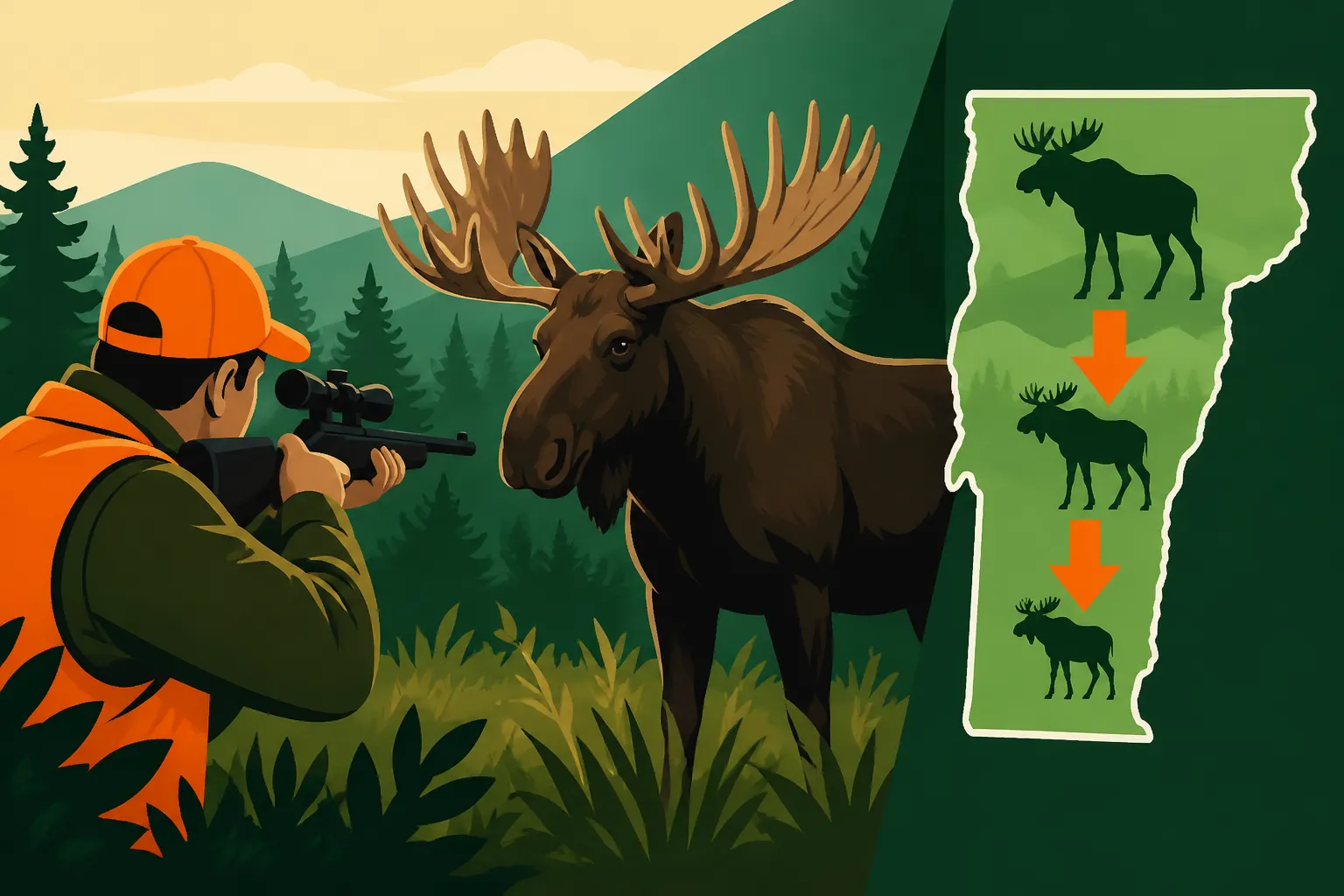
By strategically reducing moose density in specific areas, particularly those in the Northeast Kingdom where the problem is most acute, the aim is to break this cycle. Fewer moose per square mile means fewer ticks finding hosts, which in turn means fewer ticks successfully reproducing, and ultimately, a lighter tick burden on the remaining moose. This isn't about reducing the entire population dramatically, but about creating more space, better habitat, and ultimately, healthier animals.
Vermont's Management Strategies for Moose Density
Vermont's Fish and Wildlife Department employs several strategies, with the primary tool being controlled hunting through a limited permit lottery system. This isn't a simple free-for-all; it's a carefully calculated approach based on scientific data and population models.
The Moose Permit Lottery as a Management Tool
The cornerstone of Vermont's moose density reduction efforts is the annual moose permit lottery. This lottery doesn't just offer hunters a chance at a once-in-a-lifetime experience; it's a critical mechanism for managing the herd. Each year, the department determines the number of permits to issue based on extensive research, aerial surveys, and understanding the impact of winter ticks. The goal is to issue enough permits to allow for a targeted harvest that reduces density in areas needing it most, while still ensuring the long-term viability of the population.
Applying for a permit through the Vermont Moose Lottery Application Process is a thoughtful decision for many. While some hunt for the meat, others recognize they are participating in a vital conservation effort. The department's strategy, particularly as outlined in Vermont's Winter-Tick-Driven Moose Permit Strategy, has shifted over the years to directly address the tick problem. Hunters are drawn for specific Wildlife Management Units (WMUs), and the number of permits can vary greatly depending on the management objectives for that zone. GoHunt, for example, offers resources that can help hunters analyze historical permit allocations and harvest data by WMU, providing valuable insights if you're considering applying.
Targeted Harvesting in Key Wildlife Management Units
The permits aren't distributed uniformly across the state. Instead, they are concentrated in WMUs where moose density is highest and the winter tick impact is most severe, primarily in the expansive forests of the Northeast Kingdom. This targeted approach allows the department to focus harvest pressure where it will have the greatest benefit in reducing tick loads on the remaining moose.
Hunters lucky enough to draw a permit are then tasked with Hunting a Drawn Moose Zone in the Northeast Kingdom. This involves not just finding a moose, but understanding the specific management goals of that area. The harvest data collected from these hunts is crucial. Every moose taken provides valuable information about the health, age structure, and distribution of the herd, which in turn informs future management decisions. This scientific feedback loop is vital for adaptive wildlife management.
Education and Public Awareness
Beyond direct management through hunting, Vermont Fish and Wildlife also invests in educating the public about the challenges facing moose. This includes explaining the complex biology of winter ticks, the rationale behind density reduction, and the importance of hunting as a management tool. They want everyone, from hikers to hunters, to understand that these efforts are aimed at a healthier ecosystem.
This public outreach is essential for gaining support and understanding for strategies that might otherwise seem counterintuitive. Hunters are often the first line of defense, observing the health of animals in the field and reporting unusual findings, acting as crucial eyes and ears for wildlife biologists.
The Impact and Future of These Efforts
Measuring the success of moose density reduction efforts isn't a quick or easy task. It requires long-term monitoring, careful data analysis, and a commitment to adapting strategies as conditions change.
Monitoring Population Trends and Tick Prevalence
One of the most important aspects of this management strategy is continuous monitoring. Biologists track moose calf survival rates, overall population estimates, and the prevalence of winter ticks through various methods, including aerial surveys and examination of harvested animals. The goal is to see a reduction in the number of ticks per moose, which should correlate with improved calf survival and overall herd health.
These population trends help determine if the current permit allocations are effective or if adjustments need to be made. While moose populations don't rebound overnight, early indicators of reduced tick loads on calves and improved health are positive signs. Tools like GoHunt can provide a platform for hunters to delve into these statistics and understand the health metrics themselves.
| Year (Illustrative) | Estimated Moose Population (Northeast Kingdom) | Permits Issued (Northeast Kingdom) | Reported Calf Survival Rate |
|---|---|---|---|
| 2020 | 1,200 | 60 | 35% |
| 2021 | 1,150 | 75 | 38% |
| 2022 | 1,100 | 90 | 42% |
| 2023 | 1,050 | 85 | 45% |
| 2024 | 1,000 | 80 | 48% |
| 2025 | 980 | 70 | 52% |
| Note: Numbers in this table are illustrative and do not reflect actual historical or future data. |
Long-Term Goals for a Resilient Herd
The ultimate vision is a healthy, resilient moose population that can thrive in Vermont's diverse landscapes. This means a herd that is less susceptible to parasitic outbreaks, maintains a healthy age and sex structure, and is in balance with its habitat. It's a long-term commitment, recognizing that ecological problems often require persistent, adaptive solutions.
For many hunters, drawing a moose permit isn't just about the hunt itself, but about being part of this larger conservation effort. Whether you're interested in Vermont Moose Antler Records or simply enjoying the challenge of the hunt, every participant contributes to the overall data and management goals. The experience of Packing Out a Vermont Moose is often talked about, but the contribution to wildlife science is just as significant.
The Hunter's Role in Moose Conservation
Hunters are not just consumers of wildlife; they are active participants in conservation. In Vermont's moose management, this role is more critical than ever.
Ethical Hunting Practices
When pursuing a moose, especially in the context of density reduction, ethical hunting practices are paramount. This includes responsible shot placement to ensure a quick, clean kill, respect for the animal, and adherence to all regulations. Hunters are expected to be knowledgeable about their gear, their abilities, and the specific rules for the season. Learning how to properly identify an animal, understanding its behavior, and knowing your effective range are all crucial elements of ethical hunting.
It's also about appreciation for the resource. Each moose taken contributes not only to the management goals but also provides sustenance and a profound connection to the wild. This respect for the animal and the hunt is a cornerstone of responsible hunting culture.
Data Collection and Reporting
Every moose hunter becomes a citizen scientist once a tag is filled. The data collected at check stations, or through online reporting, is incredibly valuable. This includes information about the age, sex, weight, and general health condition of the harvested moose. Biologists examine these animals for signs of winter tick infestations, collecting data that helps them assess the effectiveness of their management strategies.
Understanding the regulations around Vermont Deer Reporting Requirements and extending that diligence to moose is important. The more accurate and complete the data, the better informed the management decisions can be. Hunters are directly contributing to the scientific understanding of Vermont's moose population and the fight against winter ticks.
Supporting Wildlife Management Efforts
Beyond the hunt itself, supporting Vermont's Fish and Wildlife Department through license purchases and active participation in public forums contributes to the overall health of our wildlife. The revenue generated from licenses and permits directly funds wildlife research, habitat restoration, and enforcement efforts—all crucial components of robust conservation programs.
Being informed and engaged is key. Whether you're scouting new areas, looking for information using platforms like GoHunt, or simply chatting with fellow hunters at camp, sharing knowledge and respecting the science behind these decisions helps foster a stronger hunting community and a healthier moose population for generations to come.
Disclaimer
This article is for general informational purposes only and does not constitute professional advice. Laws, prices and regulations vary by location and change over time. Consult a qualified professional for guidance on your specific situation.