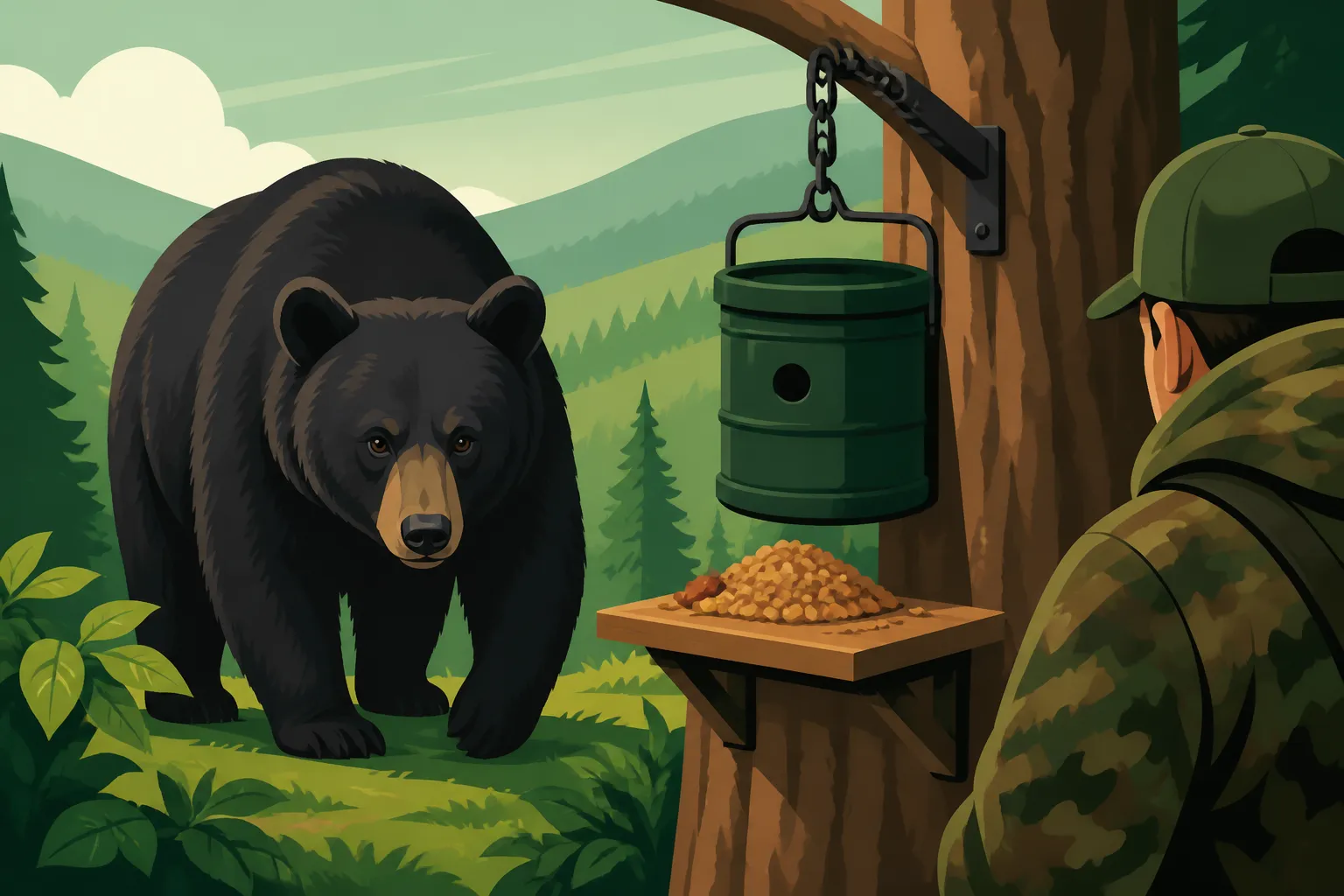
Baiting Bears Legally in Vermont
For many Vermont hunters, the thought of legally baiting bears can feel like stepping into a tangled thicket of rules and rumors. It's a common frustration, trying to decipher what's permissible and what's not, often leading to hesitations about even attempting this highly effective method. This comprehensive guide aims to untangle those complexities, offering clear, actionable advice on how to establish and manage a bear bait site in Vermont, ensuring you stay within the law while maximizing your chances of a successful hunt.
Understanding Vermont's Bear Baiting Regulations
Navigating the regulations around bear baiting in Vermont is the first and most critical step. Unlike some states where baiting is either broadly permitted or entirely forbidden, Vermont has a very specific set of guidelines designed to manage bear populations responsibly, ensure ethical hunting practices, and prevent conflicts with human populations and other wildlife. Ignoring these rules isn't just a minor infraction; it can lead to hefty fines, license suspension, and the loss of your hunting privileges. It’s essential to approach this with a clear understanding of what the state demands.
Defining Legal Bait Materials
When it comes to what you can actually use to bait bears, Vermont's regulations are quite precise. The primary goal is to use natural, biodegradable, and non-toxic food items that primarily attract bears without posing a significant risk to other wildlife or the environment. Think about items that bears naturally forage for, or readily consume without becoming dependent on unhealthy food sources. Common examples of legal bait include stale pastries, donuts, cookies, bread products, corn, oats, and various fruits and vegetables. Molasses is a perennial favorite, not only for its strong scent but also for its stickiness, which can hold a bear at the site longer. These items are generally allowed because they decompose naturally and don't introduce harmful substances into the ecosystem.
Conversely, there's a strict prohibition on certain bait types, and this is where many hunters can inadvertently run afoul of the law. You absolutely cannot use any meat, meat products, fish, or fish products as bear bait. This includes any part of a deer or other game animal, whether raw or cooked. The reasoning behind this is multifaceted: meat and fish spoil quickly, creating potential health hazards for bears (including the risk of spreading disease), attracting a wide array of non-target predators like coyotes and domestic animals, and leaving behind putrefying odors and residues that degrade the environment. Furthermore, any materials derived from deer farms are strictly prohibited, as Vermont is committed to maintaining its CWD-free status, and avoiding the spread of Chronic Wasting Disease is a top priority.
The "non-toxic, biodegradable" rule is a foundational principle. This means avoiding anything that could harm a bear or other wildlife if ingested, or anything that would leave behind lasting litter. While plastic wrappers on pastries need to be removed before placing bait, the bait itself should break down into the natural environment. This focus on ethical and ecological responsibility helps ensure that baiting is conducted in a manner that supports both effective hunting and the long-term health of Vermont's diverse wildlife populations. Always err on the side of natural, simple, and clean.
Permit Requirements and Seasonality
To legally bait bears in Vermont, possessing a standard hunting license and a valid bear tag is just the starting point. You must also obtain a specific "Bear Baiting Permit" from the Vermont Fish & Wildlife Department. This permit is not just a formality; it's a critical tool for wildlife managers to monitor baiting activity, understand its impact on bear distribution, and ensure compliance with regulations. The permit often requires you to register the exact location of your bait site, allowing the department to track areas where baiting occurs. Failing to secure this additional permit makes any baiting activity illegal, regardless of how meticulously you follow other rules.
The timing of bear baiting in Vermont is also strictly controlled, aligning with the state's hunting seasons. Typically, baiting is permitted only during the early bear season, which generally runs from early September through mid-November. The specific dates for establishing and maintaining a bait site are announced annually by the Vermont Fish & Wildlife Department and it’s crucial to know these dates inside and out. For example, you might be allowed to start baiting a week or two before the early season opens, and continue until the close of that season. Baiting outside of these designated windows is strictly prohibited, as it can unduly condition bears to human-provided food sources for extended periods, potentially leading to nuisance issues or altered natural foraging behaviors. Always consult the current year's hunting regulations for the exact Vermont Bear Season Dates.
It’s important to understand that this isn't a year-round feeding program; it's a temporary, regulated hunting method. The permit system and seasonal restrictions are designed to integrate baiting into overall bear management strategies, ensuring that while it provides hunters with opportunities, it doesn't negatively impact the broader bear population or public safety. This means you need to be prepared for the commitment of setting up your site within the allowed timeframe, actively managing it during the season, and then completely removing it once the season concludes. Detailed information on how to obtain this permit can be found by researching Vermont Bear Hunting Permit Requirements on the Fish & Wildlife website.
Proximity Restrictions and Public Land Rules
Where you place your bear bait site is just as important as what you put in it. Vermont has stringent proximity restrictions designed to ensure public safety, prevent conflicts with residents, and maintain fair chase principles. A bear bait site must be established a minimum distance from dwellings, occupied buildings, and public roads. These distances are usually significant, often 200 yards or more from any occupied residence and a set distance from the centerline of a public road. These rules are non-negotiable and are in place to prevent bears from becoming habituated to human presence near homes or creating hazardous situations on roadways. Always double-check the current year's regulations for the precise legal distances, as they can sometimes be adjusted.
A crucial distinction in Vermont, compared to many other hunting states, is the prohibition of bear baiting on public lands. This includes Green Mountain National Forest lands, Wildlife Management Areas (WMAs), State Forests, and any other property managed by the state or federal government for public use. This rule is absolute. The reasoning is largely due to the shared-use nature of public lands, where baiting could concentrate bears in areas frequented by hikers, campers, and other recreational users, increasing the risk of human-bear encounters. It also prevents the environmental impact of numerous bait sites on shared resources and maintains the natural behavior of bears in these areas. While you can hunt bears on public land, you cannot bait them there.
Therefore, for bear baiting, hunters must secure permission to hunt on private land. This often requires considerable effort in finding landowners willing to grant access and explicit permission for baiting. Having clear, written permission from the landowner is not only a matter of courtesy but also a legal safeguard. It’s important to discuss your plans openly with the landowner, explaining the nature of baiting and your commitment to responsible site management and post-season cleanup. Without suitable private land, bear baiting is simply not an option in Vermont.
Choosing and Preparing a Legal Bait Site
Successfully baiting bears involves more than just dumping food in the woods; it requires careful planning, meticulous scouting, and a strategic approach to site selection and preparation. Bears are intelligent and possess an incredible sense of smell, meaning any shortcuts or careless mistakes can lead to a wary bear that avoids your site entirely, or worse, only visits under the cover of darkness.
Scouting for Active Bear Sign
Before a single morsel of bait is laid out, intensive scouting is paramount. You're not just looking for a spot; you're looking for a bear's spot. Bears are creatures of habit, often following consistent travel corridors and congregating in areas with abundant natural food sources. Start by identifying these natural food zones: oak flats for acorns, beech ridges for beechnuts, or old apple orchards. Look for primary indicators of bear activity such as fresh scat (droppings), large tracks in soft ground or mud, rub trees where bears have scratched or rubbed, and overturned rocks or logs where they've searched for insects. The presence of natural food sources and fresh sign indicates an area bears already frequent, making them more likely to find and utilize your bait site. For broader scouting techniques, consider looking into Reading Aerial Photos for Green Mountain Deer, as many principles apply to bear habitat as well.
Once you’ve identified areas with good natural activity, focus on locations that offer dense cover and multiple escape routes. Bears, despite their size, are often quite wary, especially mature animals. They prefer to approach food sources under the concealment of thick softwoods, dense clear-cuts, or topographical features like draws and ravines. Avoid wide-open areas where they would feel exposed and vulnerable. A good bait site will be situated where bears can approach, feed, and then retreat back into heavy cover without feeling threatened. This comfort level is crucial for encouraging consistent daylight visits.
Always consider water sources in your scouting. Bears need to drink regularly, and a bait site situated near a spring, creek, or bog can act as a natural magnet. Pay attention to prevailing wind patterns as well. You'll want to choose an approach to your stand that keeps your scent blowing away from the bait site, not towards it. Also, think about your own access and egress; can you get to and from the site discreetly without disturbing the area or bumping any bears that might be in the vicinity? Tools like GoHunt provide excellent mapping overlays for identifying potential bear habitat, water sources, and topography, giving you a serious edge in your scouting efforts.
Creating an Accessible and Discreet Setup
After identifying your ideal location, the physical construction of your bait site comes next. Most experienced bear baiters utilize a robust bait container, typically a 55-gallon steel drum, chained securely to a large tree. The chain is usually run through the drum and locked to prevent bears from easily rolling it away or hauling it off into the deeper woods. This design encourages bears to work at the bait site, keeping them engaged for longer periods. You might also cut small openings in the drum to allow bears to get at the bait, but not remove it all at once, forcing them to spend more time there.
Discretion is paramount not just for bears, but also for respecting the private land you're hunting. Your bait site should be placed in an area that is not easily visible or accessible to casual passersby, especially if you're on a larger private tract where others might recreate. This minimizes unwanted attention and potential interference. Consider natural topographical features and dense vegetation to obscure the site from view. Your access route to the bait site should be as subtle as possible, avoiding well-worn trails that could signal your presence.
Simultaneously, you'll need to consider your hunting setup. If you plan to hunt from a treestand, select a sturdy, healthy tree that offers good shooting lanes to the bait without being directly over it. Clearing a few narrow shooting lanes might be necessary, but do so minimally to maintain natural cover. For those preferring to hunt from the ground, Using a Ground Blind on Public Land offers valuable insights into blind setup, which can be adapted for private land use, ensuring it's brushed in thoroughly to blend seamlessly with the environment. Your stand or blind placement should always prioritize prevailing winds, ensuring your scent is carried away from the bait to avoid alerting approaching bears.
Minimizing Human Scent and Contamination
Bears possess an olfactory sense that is estimated to be seven times greater than a bloodhound's, making them incredibly sensitive to human odor. Any time you visit your bait site, you're leaving a distinct signature that can alert wary bears to your presence, potentially making them shy away or become strictly nocturnal. To combat this, meticulous scent control is absolutely essential. Always wear clean clothes, preferably hunting-specific garments that have been washed in scent-eliminating detergents. Rubber boots are a must, as they don't pick up and retain human odor from the forest floor as easily as traditional leather boots. Handle all bait with gloves to prevent transferring your scent directly onto the food.
Beyond direct contact, be mindful of your personal habits during visits. Avoid smoking, using strong colognes or deodorants, or leaving any trash or foreign objects at the bait site. Even a dropped candy wrapper or an empty water bottle can signal human presence and instill wariness in bears. Treat your bait site like a sterile environment; the less human trace you leave, the more comfortable bears will feel visiting during daylight hours. This commitment to scent control extends to your approach and departure routes, making sure you don't contaminate the area leading directly to the bait.
Some hunters employ mechanical means to minimize scent, such as using an ATV or UTV for access if allowed on the private land. The distinct, non-human smell of gasoline and exhaust can sometimes be less alarming to bears than the persistent, lingering odor of human foot traffic. However, this depends on local regulations and the landowner’s rules. Always ensure you are compliant with vehicle use guidelines. The overarching principle is to be as surgical and discreet as possible in your interactions with the bait site, making it appear as undisturbed as possible to the keen nose of a black bear.
Effective Baiting Strategies and Considerations
Once your bait site is established and prepared, the real work of attracting and holding bears begins. This phase involves strategic bait deployment, maximizing scent attraction, and leveraging technology to monitor activity effectively. Patience and consistency are your greatest allies in this endeavor.
Establishing a Consistent Baiting Schedule
Consistency is the cornerstone of successful bear baiting. Bears are intelligent animals that quickly learn patterns. If they discover a reliable food source that is consistently replenished, they will incorporate it into their foraging routine. Therefore, establishing a regular baiting schedule and sticking to it religiously is critical. Starting your baiting efforts a week or two before the season officially opens (within the legally allowed timeframe) can be highly beneficial, as it gives bears time to discover the site and build confidence in its reliability. For more in-depth guidance on timing, refer to Baiting a Bear Site in Late Summer.
Once you begin, choose a schedule and maintain it. This might mean baiting every other day, every three days, or on specific days of the week. The frequency will depend on how quickly bears are consuming the bait and your personal availability, but consistency is more important than sheer volume. Over-baiting can lead to waste and allow food to spoil, while under-baiting can cause bears to lose interest and seek other food sources. Your trail camera data, which we'll discuss next, will be your best guide for adjusting the quantity and frequency of bait drops.
Try to visit and replenish your bait site during the middle of the day. This timing minimizes the chance of bumping into a bear that might be visiting in the early morning or late evening. It also allows any human scent left during your visit to dissipate somewhat before the peak periods of bear activity begin. Bears are less likely to visit during the brightest parts of the day, making mid-day visits less disruptive. This routine not only builds the bears' confidence in the bait site but also helps you maintain a predictable and safe pattern of activity.
Utilizing Scent and Attractants
While the physical bait itself draws bears in close, powerful scents are what truly attract them from greater distances. Bears have an unparalleled sense of smell, and a potent scent cone can act like a beacon, guiding them directly to your bait site from far off. Molasses is a classic choice, not just for its taste but for its incredibly strong, long-lasting aroma. Anise oil, vanilla extract, and even certain commercial bear attractants are also highly effective. Many hunters swear by products from brands like GoHunt which offer specialized scents designed to mimic natural bear attractants and can be especially enticing.
The key is to deploy these scents strategically. Hang scent rags soaked in attractant from branches upwind of your bait site. As the wind blows, it will carry the aroma through the woods, creating a broad scent trail. Pouring liquid attractants directly onto trees or rotting logs around the bait site can also work, as the porous material will absorb and slowly release the scent over time. After heavy rains, it’s a good practice to reapply scents to ensure the attractant remains potent and active.
Some advanced baiters will even create a "scent trail" leading into the main bait site. This involves dragging a scent-soaked rag or drizzling a liquid attractant in a line from a common bear travel corridor directly to your bait. This can help guide bears that are moving through an area but haven't yet stumbled upon the bait itself. However, be cautious not to overdo it, as an overwhelming, artificial scent combined with lingering human odor can sometimes make bears wary rather than curious. The goal is a subtle, persistent invitation, not an assault on their senses.
Trail Camera Placement and Monitoring
Trail cameras are arguably the most invaluable tool for bear baiting, serving as your "eyes in the woods." They provide crucial intelligence on several fronts: confirming bear presence, estimating their size, identifying individual bears, and most importantly, pinpointing their exact times of activity. When placing cameras, position them about 15-20 feet from the bait site, angled to cover the bait container itself and the most likely approach trails. This distance provides a clear, wide view without being so close that the camera spooks a bear. While this advice is often given for public land, the principles of Trail Camera Placement on Public Land apply directly to private land baiting as well.
The data gathered from your trail cameras will dictate your entire hunting strategy. Check your cameras discreetly and efficiently, minimizing your time at the site and practicing strict scent control. Analyze the timestamps on photos and videos: are bears visiting mostly at night, or are you seeing consistent daylight activity? Are mature, target bears showing up, or primarily smaller, younger animals? This information is essential for deciding when to sit in your stand, which stand location offers the best chance, and if you're seeing a legal bear, which you need to be able to do before pulling the trigger, often with insights from resources like Judging a Legal Bear From a Sow With Cubs.
Pay close attention to patterns. If a particular large bear is consistently showing up between 4 PM and 6 PM, that's your prime hunting window. If all activity is nocturnal, you might need to adjust your baiting strategy to encourage daytime visits, perhaps by reducing bait quantity and increasing frequency. Trail cameras are not just for showing you what's there; they're for helping you understand why and when bears are interacting with your bait, allowing you to adapt and increase your chances of success.
Managing Your Bait Site Responsibilities
Operating a bear bait site is an ongoing commitment that extends beyond just dropping off food. It involves regular maintenance, strategic responses to non-target wildlife, and a significant post-season responsibility to leave the environment as pristine as you found it. Responsible management ensures not only your hunting success but also fosters good relations with landowners and contributes to ethical conservation practices.
Regular Maintenance and Replenishment
Maintaining your bait site goes beyond simply adding more food. It requires regular inspection of the entire setup to ensure everything is functioning as intended. Check the security of your bait drum or container; chains can loosen, locks can fail, and bears are incredibly powerful. Ensure your treestand or ground blind is still safe, stable, and well-camouflaged. Remove any excessive debris, fallen branches, or new saplings that might have grown up and are now obscuring your shooting lanes or making bears wary of approaching the bait. A clear, well-maintained site is a confident site for bears.
Periodically, you might need to rotate or diversify your bait types. Bears, like people, can develop preferences, and sometimes a change can re-ignite interest in a slow site. If you notice activity waning, try introducing a new, highly aromatic bait or a different commercial attractant. What works one week might not be as effective the next, especially as natural food sources become available or disappear. Observing what bears are consuming first on your trail camera can offer clues as to their current preferences.
Always be vigilant for signs of tampering or unauthorized activity. Unfortunately, poaching or bait theft can occur. Look for footprints, vehicle tracks, or disturbed bait that doesn't align with bear activity. If you suspect your site has been tampered with by other people, reposition your trail cameras to capture a broader area, and if necessary, report the suspicious activity to the Vermont Fish & Wildlife Department. Protecting your investment and upholding legal hunting requires a proactive approach to site security.
Dealing with Non-Target Species
It's a simple truth: if you put food in the woods, critters other than bears will find it. Your bait site will inevitably attract a variety of non-target species, including raccoons, skunks, opossums, squirrels, and even deer. While this is a normal occurrence, excessive activity from these smaller animals can quickly deplete your bait, leaving little for the bears you're targeting. This can be frustrating, especially if you're trying to establish a consistent pattern for a specific bear.
While it's impossible to completely exclude all other animals, you can take steps to deter some of the smaller, more persistent visitors. Using sturdy, covered bait containers that require a bear to actively manipulate them (like a chained, partially closed drum) can make access more difficult for smaller critters. Some hunters will place heavy rocks or logs on top of their bait drums to make it harder for smaller animals to access the contents. The goal isn't to create an impenetrable fortress, but to make the bait slightly less convenient for non-bears, thereby conserving it for your target species.
It is absolutely crucial to understand that you cannot, under any circumstances, trap, shoot, or harm non-target animals at your bait site outside of legal hunting seasons for those specific species. This is illegal and carries severe penalties. Your focus must remain on making the site attractive and accessible to bears while passively deterring other animals through container design, not through direct intervention. Remember, all wildlife has its place in the ecosystem, and responsible baiting respects this. You might even find yourself observing a variety of species, from tiny squirrels to larger predators like coyotes, as they visit the bait. While you're primarily focused on bears, observing Coyote Calling Vermont Farm Country or other predator activity can be interesting data for later hunts.
Post-Season Cleanup and Impact
Your responsibilities as a bear baiter do not end when the hunting season closes. In Vermont, as in most ethical hunting jurisdictions, all artificial bait, containers, chains, ropes, and any other man-made objects must be completely removed from the bait site once the legal baiting period concludes. This is not merely a suggestion; it is a legal requirement, and failure to comply can result in fines and penalties. This final cleanup is as important as the initial setup.
Leaving bait or equipment behind has several negative consequences. It can create nuisance bear issues for landowners, as bears become accustomed to relying on an unnatural food source, potentially leading them to approach human residences. It litters the forest, degrading the natural environment and reflecting poorly on all hunters. Furthermore, it can condition bears to unnatural diets and behaviors, disrupting their natural foraging patterns and potentially impacting their long-term health. The goal of any hunting activity should be to leave the land better than or as good as you found it.
Inspect the site thoroughly for any lingering garbage, remnants of bait, or discarded equipment. Your aim should be to leave no trace that a bait site ever existed there. This meticulous cleanup is vital for maintaining good relationships with the private landowners who granted you access, and it demonstrates respect for the wildlife and the hunting tradition. It also ensures that future hunting opportunities remain viable for yourself and others. This commitment to ecological responsibility is a hallmark of ethical hunting in Vermont.
Common Challenges and Troubleshooting
Even with meticulous planning and adherence to regulations, bear baiting can present unique challenges. Bears are wild animals, and their behavior can be unpredictable, often requiring hunters to adapt and troubleshoot. Understanding these common hurdles and having strategies to overcome them is key to a successful season.
Dealing with Bear Shyness and Nocturnal Activity
One of the most common frustrations for bear baiters is seeing abundant sign and trail camera photos of bears, only to discover that they are consistently visiting the bait site exclusively under the cover of darkness. This "nocturnal bear" phenomenon can be a result of several factors, including high hunting pressure, lingering human scent, or simply a naturally shy or older, more dominant bear that prefers the security of night. If your cameras show a big bear, but only at 2 AM, it's time to adjust your strategy. First, re-evaluate your scent control and approach routes. Are you being as discreet as possible? Minimizing your time at the site and ensuring your scent is carried away from the bait can make a significant difference.
To convert a nocturnal bear to a daylight visitor, try reducing the overall quantity of bait while increasing the frequency of smaller replenishment. This encourages bears to visit more often throughout the day, hoping to catch the fresh food immediately after it's been dropped. Experiment with new, highly enticing scents that might pique their curiosity and draw them in more boldly. Sometimes, a "cooler" bait that doesn't spoil as quickly might also help, as bears might feel less urgency to consume it all at once in the dead of night.
Ultimately, patience is a virtue in bear hunting. Some bears simply won't become comfortable enough to visit a bait site during daylight hours, especially if they've had negative encounters with humans in the past. In such cases, a long-term baiting strategy on a quiet, low-pressure piece of private property, where human intrusion is minimal, often yields the best results. Over time, consistent, undisturbed baiting can build enough confidence in even the shyest bears to venture out during legal shooting light.
Predator Interference and Theft
While your primary target is bears, a bait site often becomes a buffet for the entire ecosystem. Beyond the smaller critters, other larger predators can interfere with your baiting efforts. Dominant bears might aggressively chase off smaller, less confident bears, leading to inconsistent activity or preventing younger animals from ever establishing a pattern. If you notice a single, very large bear dominating your bait, sometimes the only solution is to wait them out, or, if legally permissible and feasible, establish a separate, secondary bait site away from the dominant bear's territory.
Coyotes are another common visitor to bear bait sites. While they typically won't consume large quantities of bait, their presence can make bears wary. Bears are often tolerant of other species but can be sensitive to consistent predator activity around their food source. If coyotes are a persistent issue, ensuring your bait is well-secured within a durable container can make it less accessible to them. This will not only preserve bait for bears but might also discourage coyotes from lingering at the site. Hunters interested in managing coyote populations can find useful tips in articles such as Coyote Calling Vermont Farm Country, though direct intervention at a bear bait site is typically not recommended or legal during certain periods.
Beyond wildlife, "bait theft" by humans is an unfortunate reality. If you suspect someone is poaching your bait or disturbing your site, reposition your trail cameras to capture a broader view, perhaps on an approach trail or from a higher vantage point. Consider more robust locking mechanisms on your bait containers. Never confront individuals yourself; instead, gather evidence and report suspicious activity to the Vermont Fish & Wildlife Department. Ethical hunting relies on everyone respecting the rules and each other's efforts.
Weather Impacts and Bait Preservation
Vermont's weather can be notoriously unpredictable, especially during the early fall bear season, and it plays a significant role in bait site management. Heavy rains can wash away valuable scents, saturate and spoil certain types of bait, and make access roads or trails incredibly muddy and difficult to navigate. Conversely, early cold snaps can freeze bait solid, making it inaccessible to bears, while unseasonably warm spells can accelerate spoilage, particularly for bread and pastries. Adapting to Mother Nature is a constant challenge for baiters.
To mitigate rain's impact, use weather-resistant bait containers and incorporate more durable bait types. Hard dog food, dry corn, and stale bread tend to hold up better against moisture than soft pastries. Molasses, with its thick consistency, is an excellent liquid attractant that doesn't easily wash away. For extreme cold, consider baits that resist freezing or that bears can still access when solid, though this is often less of an issue during the early fall season. In warm weather, frequent, smaller bait drops can prevent large quantities from spoiling before bears can consume them.
Always keep a close eye on the weather forecast. Planning your baiting trips around predicted heavy rainfall or extreme temperature changes can save you time, effort, and bait. For instance, if a major rain event is expected, it might be better to delay a bait drop until after the rain passes, rather than having your efforts literally washed away. A reliable weather app, perhaps integrated with mapping and planning tools like those found with GoHunt for real-time conditions and localized forecasts, can be an indispensable resource for any bear baiter in Vermont.
Legal Bear Baiting in Vermont – Key Regulations
| Regulation Category | Key Rule in Vermont | Important Notes |
|---|---|---|
| Permit Required | Yes, a specific "Bear Baiting Permit" is required. | In addition to a valid hunting license and bear tag. Must register site location. |
| Allowed Bait Types | Natural, biodegradable, non-toxic food items. | Examples: stale pastries, corn, molasses, fruits. |
| Prohibited Bait | Meat, meat products, fish, fish products, deer farm materials. | Prevents disease (CWD), spoilage, and attraction of non-target predators/domestic animals. |
| Baiting Season | Only during the designated early bear season. | Specific dates announced annually; check current regulations. |
| Public Land | Strictly prohibited on all state and federal public lands. | Baiting is only allowed on private land with explicit landowner permission. |
| Proximity Rules | Must be a minimum distance from dwellings, roads, etc. | Distances vary (e.g., 200+ yards from dwellings); check current regulations for specifics. |
| Site Cleanup | All artificial bait, containers, and man-made objects must be removed post-season. | Mandatory for legal compliance and ethical hunting practices. Leaves no trace. |
| Trail Cameras | Generally allowed, but check public land rules if applicable for scouting non-baited areas. | Invaluable for monitoring bear activity, but must be checked discreetly to minimize disturbance. |
Disclaimer
Please remember that hunting regulations, including those pertaining to bear baiting, are subject to change. While this guide provides comprehensive information based on current practices, it is always the hunter's responsibility to consult the most up-to-date Vermont Fish & Wildlife Department regulations before engaging in any hunting activities. This information is for educational purposes only and should not be considered legal advice.