Vermont Wildlife Rehabilitation for Injured Game
It's a sight that can stop any Vermonter in their tracks: a beautiful wild creature, lying injured or in distress. Our first instinct is often to rush in and help, to alleviate suffering, but with wildlife, the best intentions can sometimes do more harm than good. This guide is here to walk you through the proper, safe, and legal steps to take if you encounter injured or seemingly orphaned game in Vermont, ensuring you can truly assist these animals while protecting yourself and adhering to state regulations.
The Initial Discovery: What to Do (and Not Do) When You Find Injured Wildlife
Finding an injured wild animal can be incredibly distressing. Your heart aches for the creature, and you naturally want to intervene. However, the wilderness operates on its own set of rules, and our human desire to "fix" things can sometimes backfire. Understanding the proper protocol is crucial, not just for the animal's sake, but for your own safety and to avoid legal issues.
Assessing the Situation Safely
Before you even think about approaching any wild animal, no matter how helpless it appears, you absolutely must prioritize your own safety. A wounded animal, especially a larger one like a deer or bear, is a scared animal, and fear can drive even typically docile creatures to act defensively. Their natural instincts kick in, and they don't distinguish between a rescuer and a threat.
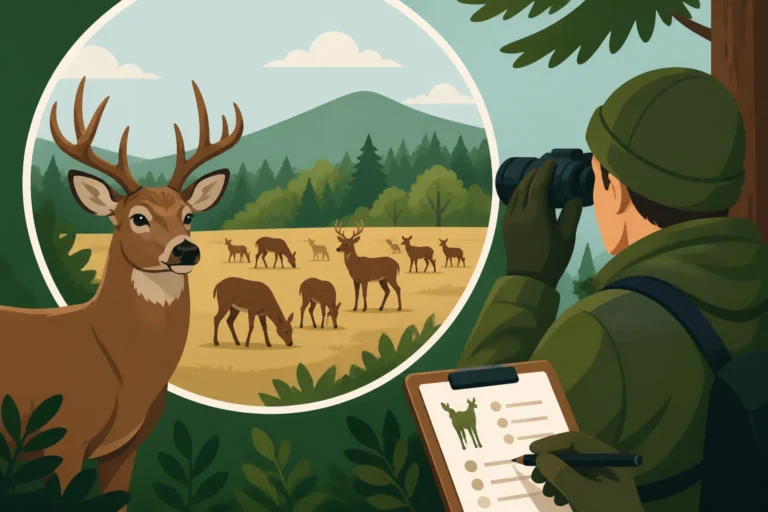
Think about a deer hit by a car on a rural road. It might be lying still, but it could suddenly thrash, kick, or try to run, potentially putting you in harm's way or back into traffic. Or imagine a hawk tangled in netting – its talons are formidable weapons, even when injured. You should never, ever assume an injured wild animal is passive. Always maintain a safe distance, at least 20-30 feet, and use binoculars if you have them to get a closer look without getting close. Observe for signs of life, visible injuries, and any movement. Sometimes, what looks like an injury is actually an animal simply resting or recovering from a minor fright.
It's also important to distinguish between an animal that truly needs help and one that's just living its wild life. This is especially true for young animals. For instance, finding a fawn curled up alone in the woods or a field might lead you to believe it's been abandoned. However, doe often leave their fawns hidden for extended periods while they forage, returning periodically to nurse. Interfering with a seemingly "orphaned" fawn can actually do more harm than good by stressing it or causing the mother to abandon it. Vermont Fawn Survival Rates are often impacted by human interference. Unless you see clear signs of injury, a dead parent nearby, or a fawn crying incessantly for hours, it’s almost always best to leave it alone.
Immediate Steps and Observation
Once you've ensured your safety, the next steps involve careful observation and resisting the urge to take matters into your own hands. This isn't about being heartless; it's about respecting the animal and understanding that licensed professionals are equipped with the knowledge, permits, and facilities to provide appropriate care.
Here’s a breakdown of what you should and shouldn't do:
- Do NOT attempt to treat the animal yourself. You are not a veterinarian specializing in wildlife, and what might seem helpful could be detrimental. Giving an animal human food, attempting to set a bone, or administering medication can cause more injury or even death. Wild animals have very specific dietary and physiological needs.
- Keep a safe distance. We've covered this, but it bears repeating. Your presence, even with good intentions, can add immense stress to an already suffering animal, potentially pushing it further into shock or causing it to flee and exacerbate its injuries.
- Note critical details. This is where you become a valuable reporter. Jot down (or make a mental note) of the exact location (cross streets, landmarks, GPS coordinates if you have them), the species of animal, the time you found it, any visible injuries (e.g., broken wing, limp, blood), and its general behavior (lethargic, aggressive, attempting to move). The more detailed information you can provide to a rehabilitator or game warden, the better.
- Consider minimal, safe containment ONLY if advised by a professional. For very small, non-dangerous animals like a stunned bird, a rehabilitator might instruct you to gently place it in a dark, quiet, ventilated box (like a shoebox with air holes) and keep it in a warm, undisturbed place until they can arrange pickup or you can transport it. Never try this with anything larger or potentially aggressive, like a raptor, fox, or even a determined squirrel. The general rule is: if there's any doubt about your safety, don't attempt it.
Remember, the goal here is not to become the animal's personal doctor, but to be a responsible and effective link to professional help.
Here's a quick guide to help you decide when to take action and when to let nature take its course:
| Situation | Recommended Action |
|---|---|
| Visible Injury (Bleeding, broken limb) | Contact Vermont Fish & Wildlife / Licensed Rehabilitator immediately. Stay away. |
| Animal Hit by Car/Collision | Contact Vermont Fish & Wildlife. Note location, species. Do not approach. |
| Orphaned Fawn (no adult nearby) | Observe from a distance for several hours. Only intervene if fawn is crying, wet, or a dead doe is present. Contact F&W. |
| Bird Hitting Window (stunned) | If safe, gently place in dark, quiet box. Contact F&W/Rehabilitator if not recovered in 1-2 hours. |
| Bird with Feather Loss (no injury) | Leave alone. Natural molting or stress, usually recovers on its own. |
| Animal in Inappropriate Location (e.g., house) | Contact F&W for advice on safe removal. |
| Aggressive Animal Acting Strangely | Maintain extreme distance. Contact local law enforcement/F&W immediately. Rabies concern. |
| Squirrel/Rabbit Alone (no visible injury) | Leave alone. Parents forage, often return. |
| Animal Trapped in Fence/Netting | Contact F&W/Rehabilitator. Do not attempt to free it yourself, as it can cause further injury or stress. |
Connecting with Vermont's Wildlife Rehabilitators
Once you've assessed the situation from a safe distance, the next crucial step is to connect with the right people. In Vermont, that means authorized wildlife rehabilitators or the Vermont Fish & Wildlife Department. These individuals are heroes, often working on a volunteer basis, dedicating their time, resources, and expertise to give injured wildlife a second chance.
Finding Authorized Rehabilitators
You might be wondering, "Who do I even call?" It’s a common question, and thankfully, the state has a system in place. The Vermont Fish & Wildlife Department is your primary resource for finding authorized wildlife rehabilitators. They maintain a list of licensed individuals who have the necessary permits, training, and facilities to care for wild animals. It's incredibly important to stress that only licensed rehabilitators should handle wildlife. Attempting to rehabilitate an animal yourself without the proper permits is not only ineffective but also illegal, and can put both you and the animal at risk.
You can usually find an up-to-date list on the Vermont Fish & Wildlife Department's official website. Look for a section on "Wildlife Rehabilitation" or "Contact Us for Injured Wildlife." This list will typically include names, contact numbers, and often the types of animals they specialize in (e.g., small mammals, raptors, waterfowl). Keep in mind that these dedicated individuals are often operating out of their homes or small facilities, and they aren't always available 24/7 like a hospital. Patience and persistence might be necessary, especially during busy seasons like spring and summer when many young animals are found.
Another important point to remember is that rehabilitators have limitations. They might specialize in certain species, or their facilities might be full. Geographic location also plays a huge role; a rehabilitator in the Northeast Kingdom might not be able to assist with an animal found down in Southern Vermont, simply due to the travel distance and urgency of care. Be prepared for the possibility that you might need to try a few contacts on the list, or be willing to transport the animal if it's feasible and safe to do so.
The Information They Need From You
When you finally get through to a rehabilitator or the Vermont Fish & Wildlife Department, being prepared with clear, concise information will make the process much smoother. They're busy people, and every minute counts when an animal is in distress.
Have these details ready:
- Exact Location: This is paramount. Provide specific cross streets, road numbers, mile markers, or even GPS coordinates from your phone's mapping app. A vague description like "down by the old barn" isn't helpful. This helps them determine if they can reach the animal or if they need to direct you to someone closer.
- Species of Animal: Is it a deer, a hawk, a raccoon, a rabbit? Be as specific as you can. If you're unsure, describe its size, color, and any distinguishing features. Different rehabilitators handle different types of animals.
- Severity of Injury: Describe what you see. Is it bleeding? Limping? Is there a visible fracture? Is it unresponsive or thrashing? The more details, the better they can assess the urgency and type of care needed.
- Circumstances of Injury: How did you find the animal? Was it hit by a car? Attacked by a cat or dog? Did it fall from a nest? This context helps them understand the potential prognosis and necessary treatment. Knowing, for example, that an animal was hit by a car might also prompt them to consider internal injuries beyond what's visible. Vermont Deer Vehicle Collisions and Vermont Moose Vehicle Collision Numbers highlight common scenarios.
- Your Contact Information: Provide your name and a phone number where you can be reached. They may need to ask follow-up questions or coordinate a pickup/drop-off.
Be honest and clear. They aren't there to judge you, but to help the animal. They may also ask if you've touched the animal, especially for rabies vector species like raccoons, foxes, skunks, or bats, as this has implications for both human and animal safety. Sometimes, a game warden will be involved, particularly with larger game or suspected illegal activity. If you suspect the injury was caused by poaching, you should contact the game warden directly, or use a resource like Reporting a Poacher in Vermont.
Transporting an Injured Animal (If Advised)
In many cases, a rehabilitator or game warden might ask you to transport the injured animal to their facility or a designated drop-off point. This is where extra caution and adherence to their specific instructions are absolutely critical. Never, ever attempt to transport an animal unless you have been explicitly instructed and guided by a professional.
Here are general guidelines, but always defer to the rehabilitator's specific advice:
- Dark, Quiet Container: For small to medium-sized animals, a cardboard box with air holes, a pet carrier, or even a laundry basket covered with a towel often works best. The darkness helps to calm the animal, reducing stress and preventing it from struggling and worsening its injuries. Line the bottom with a soft towel or old shirt for comfort and to absorb any fluids.
- Minimal Handling: If you must handle the animal, do so as little as possible. Wear thick gloves (garden gloves, leather work gloves) to protect yourself from bites or scratches, even from smaller creatures. For birds, gently cup them in your hands, supporting their body. For anything with teeth or claws, consider draping a towel over it before attempting to place it in a carrier, but again, only if you've been instructed.
- Avoid Direct Human Contact (especially for rabies vectors): Never handle bats, raccoons, foxes, skunks, or woodchucks with bare hands. These are common rabies carriers, and a bite or scratch could expose you to the virus. If you are instructed to transport one of these, use extreme caution and protective measures.
- Secure the Container: Once the animal is in the container, make sure it's securely closed so the animal cannot escape during transport. Place the container in a quiet, temperate part of your vehicle, out of direct sunlight and away from loud noises. Avoid peering in or trying to comfort it, as this will only increase its stress.
- Go Directly to the Destination: Once you have the animal, proceed directly to the rehabilitator's location. Avoid unnecessary stops or delays. Time is often of the essence.
Remember, the goal is a safe and low-stress transport for both you and the animal. Your willingness to assist with transport can be a huge help to rehabilitators who may have limited time and resources for pickups.
What Happens at a Wildlife Rehabilitation Center
Once an injured wild animal makes it to the door of an authorized Vermont wildlife rehabilitator, a complex and dedicated process begins. These centers are not zoos or pet shops; they are essentially temporary hospitals and recovery facilities for wild creatures, with the ultimate goal of returning them to their natural environment.
Assessment and Initial Care
The first order of business for any rehabilitator is a thorough assessment of the animal's condition. This isn't just a quick glance; it's a careful and knowledgeable evaluation of its injuries, overall health, and prognosis. Think of it like a triage in an emergency room.
Here's what typically happens:
- Detailed Examination: The rehabilitator will perform a physical exam, looking for visible injuries like fractures, wounds, or signs of internal trauma. They'll also check for parasites, dehydration, and signs of shock. They have specialized training to understand wildlife physiology, which is often very different from domestic animals.
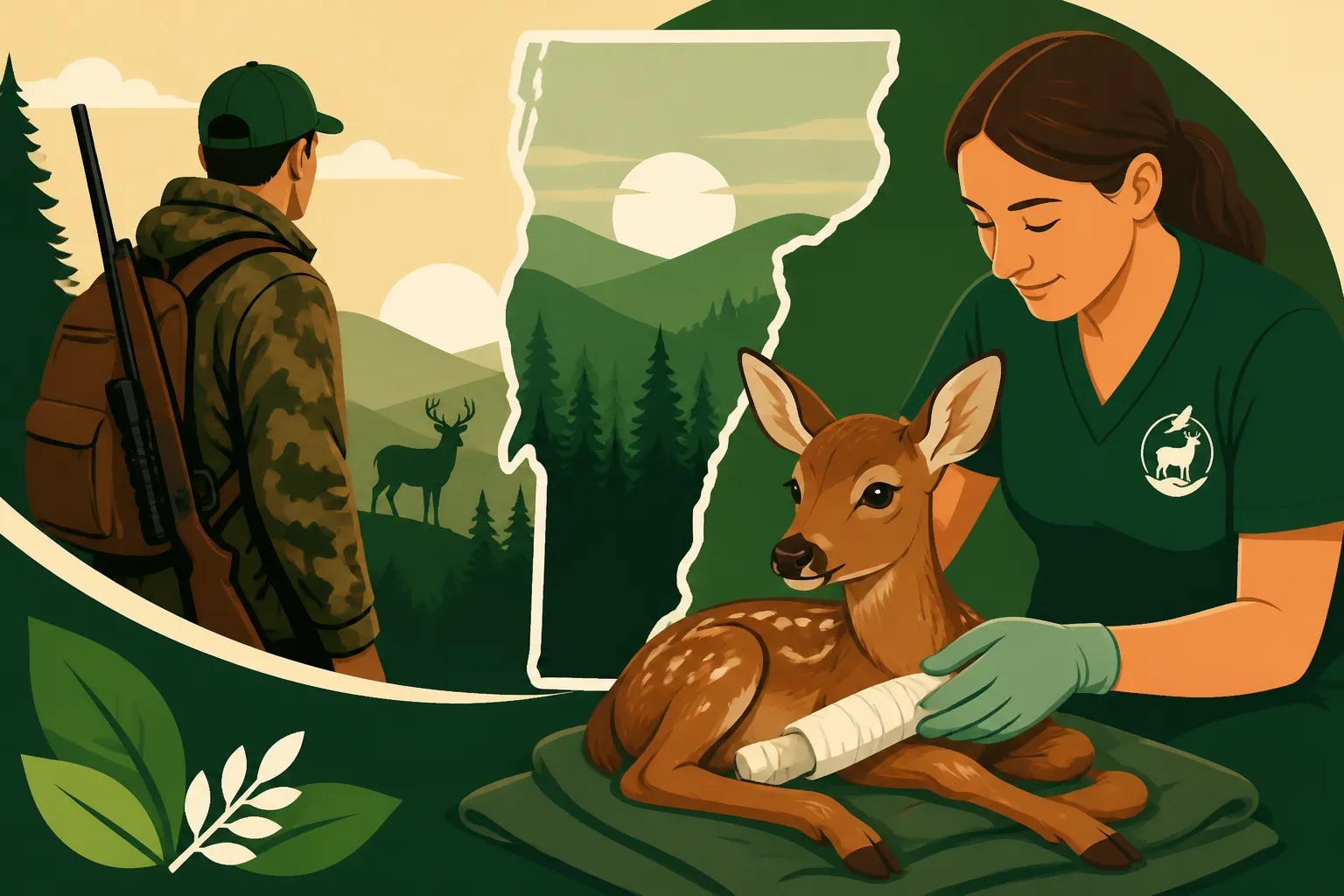
- First Aid and Stabilization: Just like in human medicine, the immediate priority is to stabilize the patient. This might involve cleaning and bandaging wounds, administering fluids for dehydration, or providing pain medication. They have permits to possess and administer medications appropriate for wildlife.
- Warmth and Quiet: Many injured wild animals are in shock, which can be exacerbated by cold. Providing a warm, dark, and quiet environment is crucial for recovery. This helps reduce stress and conserves the animal's energy.
- Specialized Diets: Unlike your dog or cat, wild animals have incredibly specific dietary needs. A rehabilitator understands these requirements and will provide appropriate food to aid in recovery. For example, a baby bird won't eat seeds, and a deer fawn needs a particular milk replacer. Giving the wrong food can be deadly.
- Medical Treatment: Depending on the injury, the animal may receive antibiotics for infections, anti-inflammatory drugs, or other treatments. Sometimes, rehabilitators work closely with veterinarians who specialize in wildlife medicine for more complex cases, such as surgery for a fractured wing or leg.
The people running these centers are skilled professionals, often volunteers, who invest countless hours. They know that proper initial care significantly impacts an animal's chances of survival and successful release. They also track wildlife health trends, contributing to broader efforts like Vermont Wildlife Disease Monitoring Program and Vermont Deer and Moose Disease Monitoring.
Long-Term Rehabilitation and Release
If the animal survives the initial critical period, the longer, often arduous, process of rehabilitation begins. This phase is less about emergency care and more about healing, regaining strength, and ensuring the animal is truly ready to survive on its own in the wild.
The commitment involved is immense:
- Dedicated Care: Rehabilitation can take weeks, months, or even longer, depending on the injury and species. This involves ongoing medical treatment, specialized diets, and a meticulously clean environment to prevent secondary infections.
- Physical Therapy and Conditioning: An animal with a broken leg needs more than just a cast; it needs to regain muscle strength and mobility. A bird with a wing injury might require flight conditioning in a large enclosure. Rehabilitators design programs to help animals build back the skills and strength they need to forage, escape predators, and navigate their environment.
- Minimizing Human Imprinting: One of the biggest challenges, especially with young animals, is preventing them from becoming habituated to humans. An animal that loses its natural fear of humans cannot be successfully released, as it will likely seek out people, putting itself and potentially people at risk. Rehabilitators go to great lengths to minimize human contact, often using specialized enclosures and techniques that mimic natural environments. This is why it’s so important that well-meaning individuals don't try to raise "orphaned" wildlife at home.
- Finding the Right Release Site: When an animal is deemed fully rehabilitated and capable of independent survival, it's released. The ideal release site is often as close as possible to where it was found, assuming that habitat is suitable. This ensures the animal is returned to a familiar territory and doesn't introduce competition into an already established population elsewhere.
- The Unfortunate Reality: It's important to acknowledge that despite the best efforts, not every animal can be saved or successfully released. Some injuries are too severe, or the animal may have lost too much of its wild instinct to survive independently. In these heartbreaking situations, euthanasia is often the most humane option to prevent prolonged suffering. Rehabilitators make these tough decisions based on the animal's welfare and its long-term quality of life. Understanding how Fish and Wildlife monitors animal populations, like How Fish and Wildlife Counts the Deer Herd, gives context to the broader ecosystem considerations at play.
Preventing Wildlife Injuries in Vermont
While wildlife rehabilitators do incredible work, the best solution is always prevention. Many wildlife injuries are directly or indirectly caused by human activity. By taking a few conscious steps, we can significantly reduce the number of animals that end up needing care.
Road Safety and Awareness
One of the most frequent causes of wildlife injury and mortality in Vermont is vehicle collisions. Deer are particularly susceptible, but bears, moose, and a host of smaller animals are also often victims. Vermont Deer Vehicle Collisions are a constant challenge, and Vermont Moose Vehicle Collision Numbers show the dangers even larger animals face.
- Drive Defensively, Especially at Dawn and Dusk: These are prime times for wildlife activity. Deer are most active around sunrise and sunset, moving between feeding and bedding areas. During hunting seasons, especially around When the Vermont Rut Peaks in early to mid-November, deer movement dramatically increases. This is also when many other animals are out foraging.
- Slow Down in High-Risk Areas: Pay extra attention when driving through wooded areas, along field edges, or near water sources. Look for "Deer Crossing" or "Moose Crossing" signs; they are placed there for a reason.
- Scan the Sides of the Road: Instead of just looking straight ahead, constantly scan the shoulders and ditches for any movement or reflective eyes. If you see one deer, expect there to be others. They rarely travel alone.
- Use High Beams Responsibly: On rural roads at night, use your high beams when there's no oncoming traffic. This gives you precious extra seconds to spot an animal. However, if you spot an animal, dim your lights as bright lights can sometimes cause them to freeze in the road.
- Don't Swerve Violently: While your instinct might be to swerve to avoid an animal, this can often lead to a more dangerous accident, causing you to lose control, hit another car, or strike a tree. It's often safer to brake firmly and stay in your lane, though this is a split-second decision that can be incredibly difficult to make.
Responsible Pet Ownership
Our beloved pets, especially free-roaming cats and unleashed dogs, can inadvertently cause significant harm to Vermont's wildlife.
- Keep Cats Indoors or Supervised: Domestic cats are natural predators, and even well-fed ones will hunt birds, squirrels, rabbits, and other small mammals. Keeping cats indoors, or supervising them closely when outside on a leash or in a "catio," is the single most effective way to protect local wildlife populations from domestic predation.
- Leash Your Dogs: When you're out hiking or walking, especially in public areas or near known wildlife habitats, keep your dog on a leash. Even a friendly dog can stress or injure wildlife, particularly young or nesting animals. A dog chasing a deer, for instance, can cause the deer to exert itself to the point of exhaustion, or run into traffic.
- Vaccinate Your Pets: Ensure your pets are up-to-date on all their vaccinations, especially rabies. This protects both your pet and wildlife from disease transmission if they were to encounter an unvaccinated wild animal.
Securing Your Property and Waste
The allure of an easy meal can draw wildlife into dangerous situations, often involving human infrastructure. By properly managing attractants around your home, you can keep animals wild and safe.
- Secure Trash Cans: Bears, raccoons, and other scavengers are highly intelligent and opportunistic. Use bear-proof trash cans or store your garbage in a secure shed or garage until collection day. Never leave trash bags outside overnight.
- Don't Leave Pet Food Outdoors: Pet food left on porches or decks is an open invitation for wildlife. Feed your pets indoors, and promptly remove any uneaten food.
- Clean Grills After Use: The lingering scent of cooked food on a barbecue grill is a powerful attractant. Clean your grill thoroughly after each use and keep it covered, or store it securely.
- Bird Feeders: While enjoyable, bird feeders can attract more than just birds. Squirrels, raccoons, and even bears will frequent them. Consider taking feeders down during certain times of the year (like bear season) or at night, and clean up spilled seed regularly to prevent attracting rodents.
- Compost Piles: If you have a compost pile, ensure it's properly maintained to avoid attracting unwanted visitors. Avoid composting meat, dairy, or oily foods, which are strong attractants. Use a closed-system composter if possible.
By taking these preventative measures, we can all contribute to the well-being of Vermont's diverse and cherished wildlife, allowing them to thrive in their natural habitats without needing our intervention.
Disclaimer
This article is for general informational purposes only and does not constitute professional advice. Laws, prices and regulations vary by location and change over time. Consult a qualified professional for guidance on your specific situation.