Vermont Bald Eagle Recovery
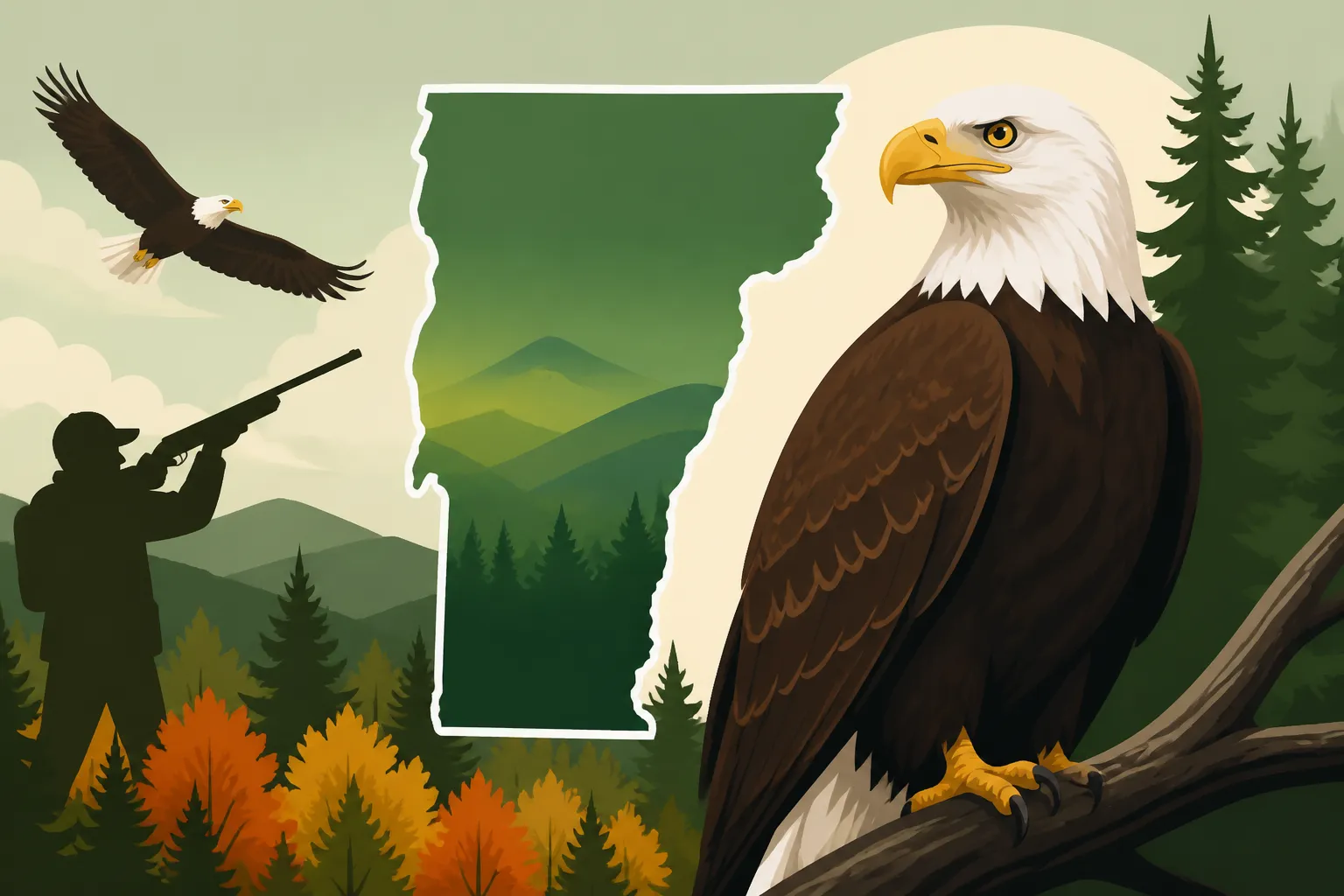
There was a time, not so long ago, when seeing a bald eagle soaring over a Vermont lake or river was a rare, almost unheard-of event. Our majestic national bird was all but gone from the Green Mountain State, a stark absence felt deeply by those who loved its wild places. This guide is all about the incredible journey of how bald eagles have made a triumphant return to Vermont, the dedicated efforts behind it, and what their renewed presence means for the health of our environment and the future of wildlife here.
The Shadow of Absence: Bald Eagles Before Recovery
For generations, bald eagles were a common sight across North America, including right here in Vermont. They were powerful predators, feeding on fish and small game, nesting in towering trees near expansive waterways. Their piercing calls and impressive wingspans were an integral part of the natural soundscape and visual beauty of our state. But then, things changed dramatically.
Historical Presence and Decline
Before widespread industrialization and the advent of certain powerful chemicals, Vermont's landscape would have regularly hosted bald eagles. Imagine early settlers or native peoples looking up to see these magnificent birds fishing in Lake Champlain or nesting along the Connecticut River. They were simply part of the fabric of our wild places. However, the mid-20th century brought a devastating decline. The primary culprit was the widespread use of DDT, a pesticide that, while effective at controlling insects, had catastrophic effects higher up the food chain. Eagles, as apex predators, consumed fish and other animals contaminated with DDT. This didn't necessarily kill the adult birds outright, but it caused their eggshells to thin to the point where they would crack under the weight of the incubating parent. Nest failures became the norm, and reproduction plummeted.
This wasn't just a Vermont problem; it was a nationwide crisis. The steady march of development also played a role, encroaching on critical nesting and foraging habitats. As a result, by the 1960s and 70s, bald eagles were effectively extirpated as a breeding species from much of their historical range, including all of Vermont. Our skies, once graced by their effortless flight, grew silent in their absence.
The Silent Skies: What Was Lost
The loss of bald eagles wasn't just about one species disappearing; it was a profound indicator of broader ecological distress. As an apex predator, the eagle occupies a critical niche in the ecosystem. Its absence signaled serious problems with water quality, fish populations, and overall environmental health. For those of us who spend time in the outdoors, whether Scouting Vermont Public Land Before Season or simply enjoying a paddle on a quiet pond, the feeling of something vital missing was palpable.
Beyond the ecological implications, there was a deep emotional and cultural loss. The bald eagle is a symbol of wildness, strength, and freedom. To have it vanish from our local landscape was a stark reminder of humanity's impact and a blow to our collective sense of connection to nature. Children growing up in Vermont in those decades simply didn't know the sight of a wild eagle. The thought of that is truly heartbreaking. It underscored the urgent need for conservation efforts, not just for the eagles themselves, but for the entire web of life that sustains us all.
A Soaring Comeback: Vermont's Dedicated Recovery Efforts
The story of the bald eagle's return to Vermont is a testament to persistent conservation efforts, strong legal protections, and the dedication of countless individuals and organizations. It didn't happen overnight, but through careful planning and execution, Vermont began to welcome back its lost icon.
Reintroduction and Nesting Programs
The recovery efforts really began in earnest after the banning of DDT in 1972 and the listing of the bald eagle under the Endangered Species Act in 1973. While a few eagles might have occasionally flown through Vermont, a sustainable breeding population required active reintroduction. This often involved a strategy called "hacking." Hacking involves taking young eagle chicks from healthy wild populations (often in states like Alaska or Wisconsin, where populations were stronger) and raising them in artificial nests called hack towers at secure sites in suitable habitat. The idea is that these young birds, once old enough to fledge, imprint on the release site and will ideally return there years later to breed.
Vermont saw its first successful hacking program implemented by the Vermont Department of Fish and Wildlife and its partners, notably the National Wildlife Federation and the U.S. Fish and Wildlife Service. Chicks were brought to sites and cared for until they were ready to fly. This critical work, often in remote locations, required constant monitoring to ensure the young eagles were safe from predators and had enough food. Over time, these efforts started to pay off. The first successful nesting of reintroduced eagles in Vermont happened in the early 2000s, a monumental achievement that sparked hope and renewed a sense of pride in our state's conservation capabilities. Vermont Bald Eagle Recovery is a long game, and those first nests were crucial.
Habitat Protection and Public Awareness
Alongside direct reintroduction, habitat protection has been absolutely vital. Eagles need large, healthy tracts of forest with tall, sturdy trees for nesting, preferably near large bodies of water with an abundant fish supply. Efforts to improve water quality in Lake Champlain, the Connecticut River, and other major waterways were crucial because clean water means healthy fish, and healthy fish mean healthy eagles. Reducing pollution, managing runoff, and protecting riparian zones all contributed to creating an environment where eagles could not just survive, but thrive.
Public awareness campaigns also played a significant role. Educating landowners, boaters, and outdoor enthusiasts about the importance of giving nesting eagles space, reporting sightings, and understanding responsible waste disposal helped foster a supportive environment. Hunters, who often spend extended periods in remote areas, became key partners in reporting sightings and observing nesting behavior. Using resources like those found on the GoHunt platform, individuals can sometimes mark areas of interest, including potential eagle territories, helping to build a collective knowledge base of wildlife presence and movement. This collective vigilance and respect for wildlife have allowed eagles to establish territories without constant disturbance.
Eagles in Our Skies Today: The Future of Vermont's Majestic Birds
Today, if you're out Hunting Waterfowl Vermont's Three Zones or fishing on a quiet lake, you have a much better chance of spotting a bald eagle. Their numbers are growing, and their presence is a clear sign that, with concerted effort, we can reverse environmental damage and help species rebound.
Current Population Status and Challenges
Vermont's bald eagle population has steadily climbed, with numerous nesting pairs now established across the state. While it's not the same level as historical populations, the trend is unequivocally positive. Nests are regularly reported in areas along major rivers and lakes, from the Connecticut River Valley to the Champlain Islands and even into the deeper wilderness of the Northeast Kingdom. This recovery allowed the bald eagle to be removed from Vermont's state endangered species list, moving to a "threatened" or "special concern" status in many places, and eventually, stable populations nationwide.
However, the journey isn't without its ongoing challenges. Lead poisoning remains a significant concern. Eagles, being scavengers as well as hunters, sometimes feed on gut piles or carcasses left by hunters that contain lead bullet fragments. This lead can be lethal to eagles. Educational campaigns encouraging the use of non-lead ammunition are vital to protecting these recovered populations. Additionally, habitat fragmentation due to ongoing development pressures, climate change impacts on fish populations, and continued vigilance against other contaminants mean that conservation efforts must remain ongoing. Observing wildlife, as many do when pursuing Small Game and Predator Hunting in Vermont, offers opportunities to report concerns to wildlife officials.
Here's a snapshot of the bald eagle's journey in Vermont:
| Decade | Status (Approx.) | Key Events/Trends |
|---|---|---|
| Pre-1950s | Breeding, common | Widespread presence, healthy populations |
| 1950s-1970s | Rapid decline, extirpated | DDT use, habitat loss, last known nests fail |
| 1970s | Federal protection | DDT banned, Endangered Species Act enacted |
| 1980s-1990s | Reintroduction efforts | Hacking programs begin, first non-breeding sightings |
| 2000s | First successful nesting | Breeding pairs established, slow population growth |
| 2010s-Present | Population growing, delisted | Increased nesting pairs, wider distribution, ongoing monitoring |
What This Means for Vermont's Ecosystem
The return of the bald eagle is a powerful symbol, but it also has tangible ecological benefits. As an indicator species, its healthy population reflects improvements in the overall quality of Vermont's waterways and forests. Their presence helps keep fish populations balanced and acts as a natural scavenger, cleaning up carrion. This kind of success story highlights the interconnectedness of all species and the environment. When you protect one keystone species, you often end up protecting the entire ecosystem it relies upon.
For hunters, anglers, and outdoor enthusiasts, the sight of a bald eagle is a constant reminder of the importance of ethical practices and conservation. It reinforces the idea that we are all stewards of the land and its wildlife. Whether you're Hunting a Muzzleloader Tag After Rifle Season Closes or just enjoying a hike, seeing an eagle overhead connects you to a deeper sense of place and the enduring wildness of Vermont. Organizations like the Vermont Fish and Wildlife Department, supported by license sales and excise taxes on hunting and fishing equipment, continue to manage these populations and their habitats. Even just keeping an eye on local conservation news, perhaps through platforms associated with outdoors activities like GoHunt, keeps us informed about these crucial developments.
It's a success story we can all be proud of, demonstrating that through conscious effort, we can truly bring back what was once lost. The skies over Vermont are richer for it, and the next time you're out there, remember the journey of this magnificent bird.
Disclaimer
This article is for general informational purposes only and does not constitute professional advice. Laws, prices and regulations vary by location and change over time. Consult a qualified professional for guidance on your specific situation.