Vermont Ruffed Grouse Population Cycles
If you've spent any time chasing those explosive little thunder chickens through the Vermont woods, you know that some years feel like a grouse paradise, and others… well, others can feel mighty quiet. This isn't just bad luck or a personal hunting curse; it's often a reflection of the fascinating, and sometimes frustrating, population cycles that ruffed grouse experience right here in the Green Mountain State. This guide will delve deep into why these fluctuations occur, what drives them, and how you can still find success when the numbers are low.
Understanding the Ruffed Grouse in Vermont
The ruffed grouse, often affectionately called "partridge" by many Vermonters, is an iconic game bird that embodies the spirit of our rugged woodlands. Their sudden, thunderous flush from beneath a cedar branch or alder thicket is enough to make even the most seasoned hunter jump, and their distinctive drumming call echoing through the spring woods is a sound that defines wild Vermont. But beyond their charm, they are a vital component of our forest ecosystems and a prized quarry for wingshooters.
The Elusive Drummer of the Woods
For many of us, the sound of a male ruffed grouse drumming is the quintessential sign that spring is in the air, or that the fall woods are alive. This unique sound, created by the bird rapidly beating its wings against the air to create a vacuum, is not just a mating call but a territorial display, a declaration of dominance. It's truly something special to hear and experience, often surprising you when you least expect it while still-hunting for deer or hiking a ridge. Their elusive nature makes them a challenging but rewarding bird to pursue, demanding keen observation skills and a good ear.
These birds are masters of camouflage, blending seamlessly into the undergrowth with their mottled brown, black, and gray plumage. They often hold tight, relying on their camouflage until the last possible second, which is why a good bird dog is often an invaluable asset for a grouse hunter. Without a dog, you're relying on flushing them by walking through prime habitat, and believe me, they have a knack for flushing behind you or just out of sight, leaving you with nothing but the echo of their departure.
Preferred Habitats and Food Sources
Vermont grouse are creatures of specific habitat, thriving in young, regenerating forests – the kind of places created by timber harvests, old clear-cuts, or natural disturbances. They absolutely adore thick, dense cover that offers both protection from predators and abundant food. Think about alder runs along a creek bottom, young aspen and birch stands, or tangled patches of overgrown apple orchards. These areas provide the overhead cover they need from avian predators like hawks and owls, and the dense understory where they can quickly disappear from ground predators.
Their diet is varied and changes with the seasons. In fall and winter, grouse rely heavily on buds and catkins of aspen, birch, and hazel, as well as remnants of berries and seeds. As spring approaches, they forage for green leaves, ferns, and insects. Come fall, berries, wild grapes, and especially acorns become crucial food sources, helping them build fat reserves for the colder months. When you're Scouting Vermont Public Land Before Season, look for these distinct habitat types and food sources, as they will dictate where you find birds.
Identifying Vermont's Ruffed Grouse
While most ruffed grouse in Vermont share similar plumage, you'll notice variations, especially in the tail fan. There are two primary color phases: the "red" phase, with rufous (reddish-brown) tail feathers, and the "gray" phase, with more muted gray and black tail feathers. While these color phases aren't strictly geographically separated, you tend to see more gray-phase birds in the northern, colder, and higher elevation parts of the state, and more red-phase birds in the warmer, southern regions.
Distinguishing between male and female grouse in the field can be tricky, especially on the wing. However, once you have a bird in hand, you can look at the tail. Males generally have a more complete band of dark color across their tail feathers, and this band is typically unbroken. Females might have a broken or incomplete band. The length of the ruff feathers on the neck can also be an indicator, with males typically having longer, more prominent ruffs.
The Cyclical Nature of Grouse Populations
If you've hunted grouse for any length of time, you've undoubtedly experienced the highs and lows. Some years you can barely walk through a thicket without flushing a half dozen birds, and other years, it feels like you're walking through a ghost forest. This isn't your imagination; it's a well-documented phenomenon known as the ruffed grouse population cycle, a natural ebb and flow that has fascinated biologists and frustrated hunters for generations.
Decades of Observation: The 10-Year Cycle Theory
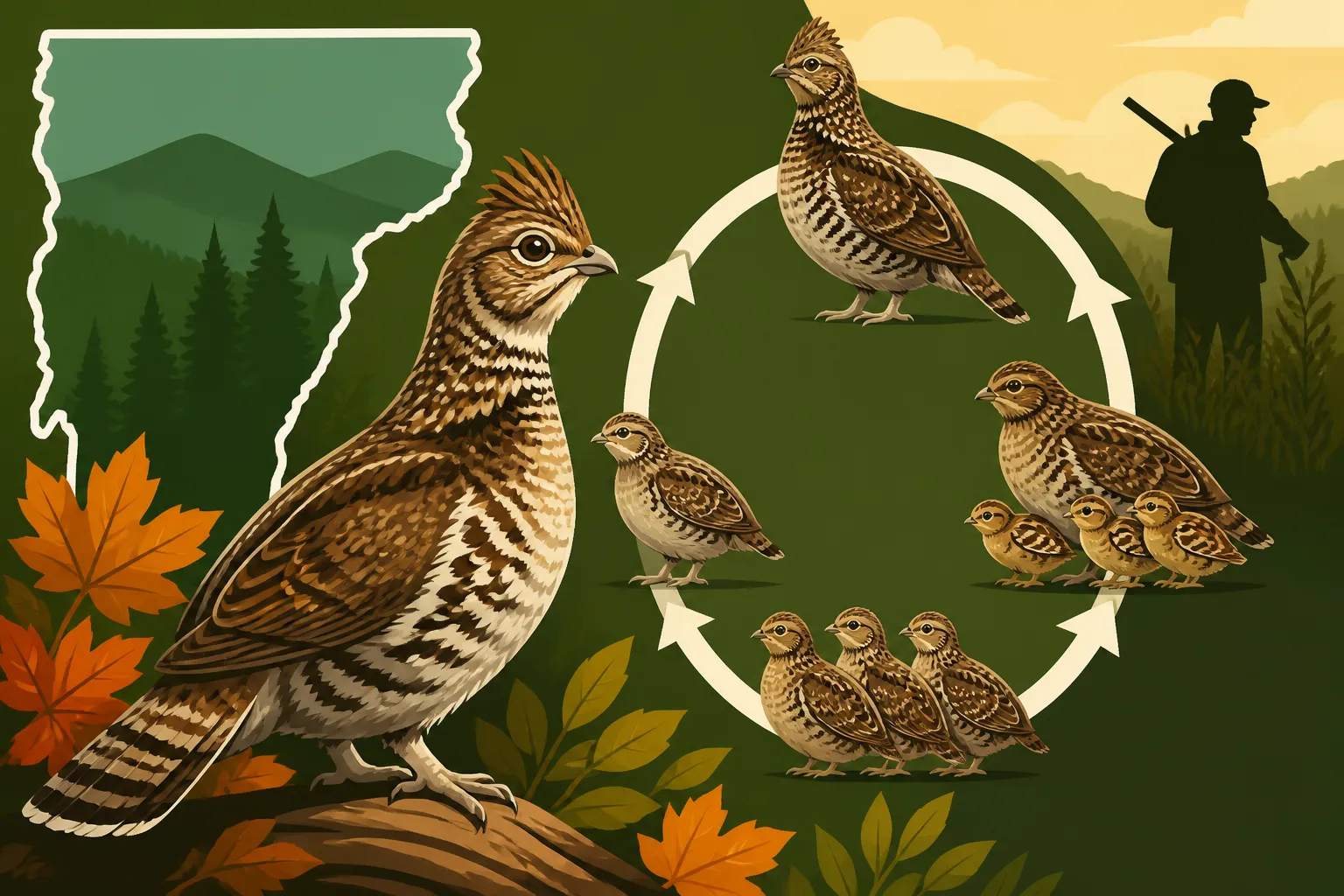
For decades, researchers across the northern United States and Canada have observed that ruffed grouse populations tend to follow a roughly 8-to-11-year cycle. This isn't a precise clock, mind you, but a general pattern where numbers build up to a peak, then crash, and slowly begin to rebound again. Think of it like a wave: it rises, crests, and then recedes before building again. We've certainly seen this pattern unfold in Vermont, and it heavily influences our Vermont Ruffed Grouse Harvest Numbers from one year to the next.
What's wild about these cycles is how widespread they can be. Often, states and provinces across a broad region will experience similar peaks and valleys in grouse numbers at roughly the same time. This suggests that the underlying causes are not always hyper-local but can be influenced by broader, regional ecological factors. It's a complex dance between predator, prey, and environment, where one factor's abundance can trigger a chain reaction across the entire food web.
Regional Variations in Population Fluctuations
While there's a general cyclical trend, it's important to remember that Vermont is a diverse state, and grouse populations won't always peak and crash simultaneously or with the same intensity across every Wildlife Management Unit (WMU). The Champlain Valley, with its different habitat structure and agricultural influences, might see a slightly different pattern than the high-elevation Green Mountains or the vast, rugged Northeast Kingdom. What might be a "down year" in one part of the state could still offer decent hunting in another.
Factors like localized habitat changes, specific weather events, or even the density of certain predator populations can cause these regional variations. For example, an exceptionally harsh winter in one corner of the state could impact grouse survival there more severely than in a neighboring region with milder conditions. This is why it’s so important to connect with local knowledge, whether it's talking to other hunters or checking regional wildlife reports, to get a better sense of what's happening on the ground in your preferred hunting areas. A tool like GoHunt's mapping features can help you identify differing habitat types across WMUs, potentially hinting at these regional distinctions.
The Role of Predation in the Cycle
One of the most widely accepted theories for Why Vermont Grouse Numbers Cycle centers on predator-prey dynamics, specifically the interaction with species like snowshoe hare and their predators. The idea is that grouse and snowshoe hare share many of the same predators – think coyotes, bobcats, foxes, goshawks, and various owls. When the hare population peaks, these predators have an abundance of food, and their own numbers swell. As the hare population then declines, these now-numerous predators turn their attention more heavily to grouse, causing a crash in grouse numbers.
This phenomenon is often referred to as "predator switching." It's not that grouse are the primary food source, but when the preferred prey (like hares) becomes scarce, grouse become an easier and more available alternative. This increased predation pressure during the low point of the hare cycle then drives down the grouse population. As grouse numbers become scarce, the predator population might also decline, or switch to other prey, allowing grouse to slowly begin their rebound, restarting the cycle.
Factors Influencing Vermont's Grouse Cycles
Beyond the cyclical predator-prey relationship, several other crucial environmental factors play a significant role in influencing the timing and severity of ruffed grouse population cycles in Vermont. These include the quality and availability of suitable habitat, prevailing weather patterns, and the potential impact of diseases and parasites. Understanding these elements can help us better appreciate the delicate balance these birds maintain in our wild spaces.
Habitat Quality and Forest Succession
Healthy, diverse habitat is the bedrock of a thriving grouse population. As mentioned earlier, young, regenerating forests with a dense understory are ideal. However, Vermont's forests are constantly undergoing succession – the natural process of change where open fields become young forest, then mature forest. As forests mature, the dense understory thins out, and the canopy closes, reducing the ground cover and food sources that grouse rely on. This can lead to a gradual decline in grouse numbers in areas that were once prime habitat.
Timber management, or the lack thereof, can also profoundly affect grouse numbers. Well-planned, small-scale clear-cuts or selective harvests that create mosaics of different age classes of forest are incredibly beneficial. These disturbances open up the canopy, allow sunlight to reach the forest floor, and stimulate the growth of dense shrubs, young trees, and berry-producing plants – exactly what grouse need. Without this kind of disturbance, either natural (like a strong windstorm) or man-made, large tracts of forest can become too mature and "grow out" of being good grouse cover. Initiatives like those found on some Vermont Wildlife Management Areas often focus on habitat improvements beneficial to grouse.
Weather Patterns and Reproduction Success
Weather, particularly during the nesting and brooding season, can be a major swing factor in annual grouse populations. A cold, wet spring can be devastating for grouse chicks. Young grouse are highly susceptible to hypothermia and a lack of insects for food during prolonged periods of cold rain. If hens are unable to successfully hatch their clutches or if the chicks don't survive their first few weeks, the recruitment of new birds into the population suffers significantly.
Conversely, a warm, relatively dry spring allows for better nesting success, higher chick survival, and a stronger influx of young birds, helping the population grow. A severe winter with deep, persistent snow can also impact grouse survival, especially if food sources are buried and birds struggle to find enough to eat. However, deep, fluffy snow can also be a blessing, as grouse will often burrow into it to find thermal cover from extreme cold and protection from predators, a behavior known as "snow roosting." It's a tricky balance, and nature certainly has its own way of regulating things.
Disease and Parasites
While not as commonly cited as habitat or predation, diseases and parasites can also play a role in grouse population dynamics, especially during peak population years when birds are more concentrated and stress levels might be higher. Parasites like cecal worms are endemic in grouse populations, and while usually not lethal in healthy birds, a heavy parasite load can weaken birds, making them more susceptible to predation, starvation, or other environmental stressors.
There can also be various bacterial and viral diseases that, in rare instances, might lead to localized mortality events. While widespread disease outbreaks are not typically the primary driver of the large-scale, cyclical population crashes, they can certainly contribute to the overall health and resilience of the grouse population. Regular monitoring and research help wildlife biologists understand these less visible pressures and their potential impact on Vermont Ruffed Grouse and Woodcock numbers.
Hunting Vermont's Grouse Through the Cycles
The cyclical nature of ruffed grouse populations means that hunters need to be adaptable. What works in a peak year might lead to a lot of empty flushes in a low year. Understanding these cycles, alongside smart scouting and ethical practices, can help you make the most of your time in the Vermont woods, regardless of where the population currently stands.
Adapting Hunting Strategies to Population Swings
When grouse numbers are high, you can often find birds in a wider variety of habitats. They might be more spread out, and flushing them from less-than-ideal cover is more common. In these "boom" years, simply covering ground through good general habitat might yield plenty of opportunities. Your focus might be on hitting multiple patches of good-looking cover.
However, during "bust" years, when populations are at their low, grouse become concentrated in the very best habitat. They are holding tight in their absolute preferred cover, seeking maximum protection and reliable food sources. This means you need to be much more selective and deliberate in your hunting. Instead of broadly sweeping an area, you'll want to target specific, dense pockets: the tightest alder runs, the thickest conifer bottoms, the gnarliest old apple orchards, or where multiple habitat types converge. This is where a detailed mapping application, like GoHunt's terrain and habitat overlays, can be incredibly valuable for identifying those prime, high-percentage spots before you even set foot in the woods.
Scouting and Locating Productive Cover
Regardless of the cycle, effective scouting is paramount for grouse hunting success in Vermont. This isn't just about finding birds; it's about understanding the habitat. Look for key elements:
- Edge Habitat: Where young forest meets mature forest, or where forest meets an old field.
- Water Sources: Creek bottoms, beaver flows, and marshy areas often have dense cover.
- Food Sources: Old apple trees, berry bushes, stands of aspen, birch, or oak (for acorns).
- Thermal Cover: Thick stands of hemlock, spruce, or cedar, especially important in late season.
Beyond visual scouting, listen for drumming in the spring to get an idea of where males are holding territories. In the fall, look for droppings, dusting sites, and areas where birds have been feeding. Pay attention to past logging operations, as areas that were cut 5-15 years ago will often be entering their prime for grouse habitat. For hunters who also enjoy Squirrel Hunting Vermont Hardwoods, you'll often find yourself in similar areas, as both species appreciate mast crops and dense cover.
Ethical Considerations and Hunter Impact
As hunters, we have a responsibility to be stewards of the resource. During low population years, it's wise to consider self-imposed bag limits, or to spend more time enjoying the dog work and the forest experience rather than solely focusing on the harvest. While hunting is generally considered to have a minimal impact on grouse populations compared to habitat loss or predation, exercising restraint during lean years is a testament to ethical hunting.
Ensuring you have the proper Vermont Hunter Education Requirements under your belt is not just about safety, but also about understanding wildlife management and your role in it. We want to ensure that future generations of Vermonters can also experience the thrill of a flushing grouse. If you're using a dog, ensure they are well-trained and under control to minimize disturbance to other wildlife.
| Population Cycle Stage | Hunter Experience Expectation | Key Hunting Strategy | Habitat Focus |
|---|---|---|---|
| Peak Year | Abundant flushes, easier hunting | Cover more ground, explore new areas | Wide range of habitats, general cover |
| Declining Year | Fewer birds, more effort needed | Target known prime areas, focus on density | Best available cover, food sources |
| Low Year | Very challenging, sparse birds | Hunt the absolute thickest, highest-quality cover | Concentrated in critical refuge habitats |
| Rebounding Year | Gradual increase, rewarding | Continue targeting prime cover, some expansion | Expanding into good secondary habitats |
Conservation Efforts and Future Outlook
Understanding the natural cycles of ruffed grouse is one thing, but actively working to ensure their long-term health and abundance in Vermont is another. Conservation efforts, primarily focused on habitat management and population monitoring, are crucial for sustaining these beloved game birds, especially as our landscape continues to change. Every hunter, land manager, and outdoor enthusiast plays a part in this ongoing stewardship.
Habitat Management Initiatives
Because habitat is such a critical factor, much of the conservation effort for ruffed grouse revolves around proactive forest management. This often means working with private landowners and managing public lands to create and maintain the young, diverse forest stands that grouse need. Techniques include selective timber harvesting, creating small clear-cuts, and promoting the growth of specific tree and shrub species that provide both food and cover.
Organizations like the Ruffed Grouse Society (RGS) are instrumental in promoting these habitat management practices, often working directly with landowners and forestry professionals. These efforts don't just benefit grouse; they also create valuable habitat for other early-successional wildlife, including woodcock, deer, and many songbird species. On many public tracts, such as portions of the Green Mountain National Forest or various Vermont Wildlife Management Areas, you'll find ongoing projects specifically designed to improve forest health and wildlife habitat.
Monitoring Vermont's Grouse Populations
Vermont's Fish & Wildlife Department keeps a close eye on ruffed grouse populations through various monitoring programs. This includes soliciting feedback from hunters (like voluntary wing and tail surveys), conducting roadside drumming counts in the spring, and analyzing harvest data from year to year. These data points help biologists track the ups and downs of the population cycle, identify regional trends, and make informed decisions about management strategies and hunting regulations.
While hunters don't directly control the population cycle, our observations and participation in surveys are incredibly valuable. When you fill out that hunter survey or report your harvest, you're contributing to a larger dataset that helps paint a clearer picture of the health of our grouse resource. This data is vital for understanding not just the grouse, but the broader health of Vermont's forest ecosystems. In a more tech-savvy world, even tracking your hunts and flushes on an app like GoHunt could contribute to your personal understanding of localized trends.
The Hunter's Role in Grouse Conservation
Beyond ethical hunting practices and participating in surveys, Vermont hunters have a crucial role to play in grouse conservation. Supporting conservation organizations, advocating for sound forest management policies, and simply being observant in the woods are all ways we contribute. It's about recognizing that our passion for hunting is intrinsically linked to the health of the habitat and the wildlife within it.
Think about it: every time you buy a hunting license or a firearm, a portion of that money goes directly to wildlife management and conservation through the Pittman-Robertson Act. This funding supports habitat improvement, research, and law enforcement, all of which benefit grouse and other game species. So, every time you head into the woods, whether you're successfull in Small Game and Predator Hunting in Vermont or just enjoying the quiet, you're part of a much larger effort to preserve our wild heritage for generations to come.
Disclaimer
This article is for general informational purposes only and does not constitute professional advice. Laws, prices and regulations vary by location and change over time. Consult a qualified professional for guidance on your specific situation.