Snowshoe Hare in Vermont
There’s a unique charm to chasing snowshoe hare in Vermont, a pursuit that often feels like stepping back in time. Yet, for many hunters, finding these elusive "ghosts of the woods" can be a real challenge, especially if you're new to their preferred habitats or the art of tracking them in the snow. This comprehensive guide is designed to peel back the layers on successful snowshoe hare hunting in the Green Mountain State, covering everything from understanding their habits to mastering the techniques that lead to a full game pouch.
Understanding Vermont's Snowshoe Hare
Hunting snowshoe hare in Vermont is a classic winter pastime, offering a chance to get out and enjoy the crisp air and often pristine snowscapes when other big game seasons have long closed. But to truly connect with these fascinating creatures, it's vital to first understand their life, their home, and the pressures they face. They aren't just rabbits with big feet; they are masters of adaptation in a harsh environment.
Snowshoe Hare Characteristics and Habits
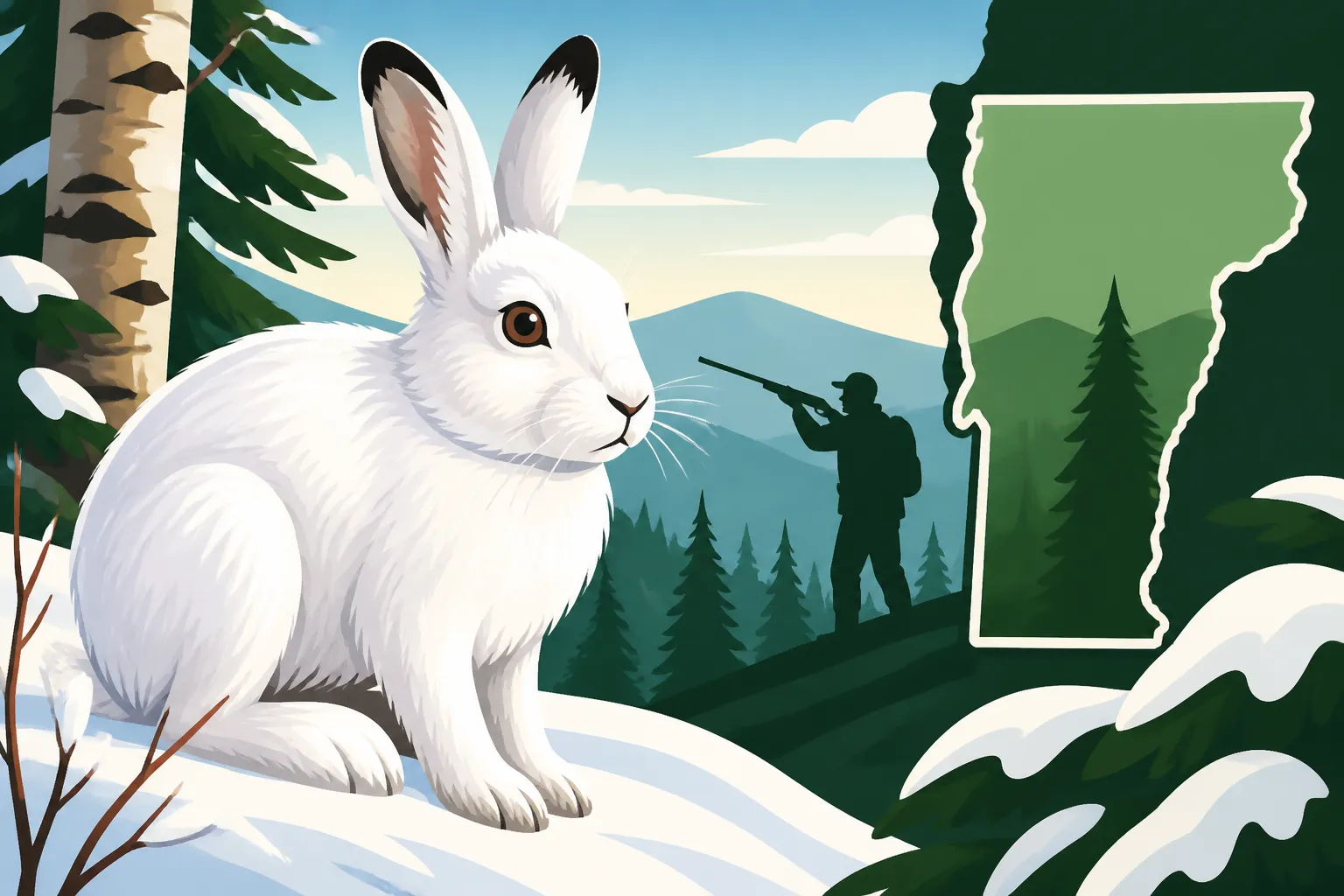
Snowshoe hare, scientifically known as Lepus americanus, are perfectly adapted for life in the snowy North. Their most distinctive feature, and the one that gives them their common name, is their oversized hind feet. These feet are heavily furred, acting like natural snowshoes to distribute their weight and allow them to glide effortlessly over deep powder that would bog down most other animals. This adaptation is a key survival mechanism, enabling them to escape predators like coyotes, bobcats, and various birds of prey when the snow gets deep.
Beyond their feet, their most remarkable characteristic is their seasonal camouflage. In summer, they sport a brown coat that blends seamlessly with the forest floor and undergrowth. As winter approaches and the daylight hours shorten, their fur gradually molts and grows in pure white, offering incredible concealment against a snowy backdrop. This change is triggered by photoperiod (the amount of daylight), not temperature, which means sometimes in early winter or late spring, you might find a white hare on a brown background, or vice-versa, making them temporarily more vulnerable. They are primarily nocturnal or crepuscular, meaning they are most active at dawn, dusk, and throughout the night, though you can certainly jump them during daylight hours, especially on overcast days or in dense cover.
Habitat Preferences and Cover
Snowshoe hare are creatures of dense cover. They thrive in thick, regenerating forests, particularly those with a strong component of conifers like spruce, fir, and hemlock, especially young sapling stands. This thick evergreen cover provides vital shelter from both predators and harsh winter weather. Think about areas with regenerating clear-cuts, old logging sites, powerline corridors, and swampy lowland areas with dense, low-growing vegetation. These places offer a mosaic of food sources and security.
Within these dense areas, they'll create intricate networks of runways and burrows. These aren't true burrows in the sense of digging underground, but rather tunnels and depressions they'll create in the snow or under thick brush. They often utilize downed logs, brush piles, and the base of thick evergreens for resting during the day. Their diet consists primarily of herbaceous plants in summer, but shifts to woody browse like twigs, bark, and buds of various shrubs and young trees in winter. Aspen, willow, birch, and even young conifers are common food sources. Understanding these habitat preferences is your first step to success; you need to be hunting where they actually live. When scouting, keep an eye out for these dense areas, particularly where there's a mix of young conifers and deciduous browse.
Population Trends and Management
Vermont's snowshoe hare population, like many small game species, can fluctuate based on a variety of factors. Habitat availability is a major driver, with areas experiencing forest regeneration or selective timber harvests often seeing an increase in hare numbers, at least temporarily. Conversely, mature, open timber stands are generally not preferred habitat. Predator populations also play a significant role, as do harsh winter conditions or disease outbreaks. In Vermont, the Fish and Wildlife Department manages snowshoe hare as part of its broader small game management efforts. They monitor harvest data and conduct habitat assessments to ensure healthy populations.
Historically, hare populations have seen cycles, often linked to the cycles of their primary predator, the lynx, though lynx are not currently a significant factor in Vermont. Today, coyotes are a primary predator. Climate change also presents a potential long-term challenge for snowshoe hare. Their adaptation for white winter coats works best with consistent snow cover. Less reliable snow cover or shorter winters could leave them exposed in their white coats on brown ground, impacting survival rates. Understanding these dynamics helps us appreciate the resilience of these animals and reinforces the importance of responsible hunting practices to maintain a healthy and sustainable population for future generations.
Finding Snowshoe Hare in Vermont's Diverse Terrain
Vermont offers a varied landscape, from the dense spruce-fir forests of the Northeast Kingdom to the more mixed hardwoods and agricultural lands further south. Each region presents unique opportunities for finding snowshoe hare, but the core principle remains: find the thick cover. Snowshoe hare don't typically hang out in open hardwood stands; they prefer areas where they can melt into the shadows and escape quickly.
Prime Northeast Kingdom Hare Country
The Northeast Kingdom (NEK) is often considered prime snowshoe hare territory in Vermont. This region, particularly Essex County, is characterized by extensive tracts of undeveloped land, large swaths of conifer forests, and numerous swamps and bogs. These environments are tailor-made for snowshoe hare. You'll find success in the dense spruce and fir thickets that dominate the landscape, especially where there has been recent logging activity. Regenerating clear-cuts, even those 5-15 years old, can be incredibly productive. The young, tightly packed trees provide exactly the kind of overhead and lateral cover that hares seek out.
Focus your efforts around public land parcels, such as the Victory Basin Wildlife Management Area or the West Mountain Wildlife Management Area, both of which are known for their dense cover and often excellent hare populations. Explore along logging roads and snowmobile trails (being mindful of regulations and other users) that cut through these thick areas. Often, the edges of these paths, where sunlight encourages dense growth, can be hot spots. A good mapping app like GoHunt can be invaluable here, allowing you to scout satellite imagery for clear-cuts, dense conifer blocks, and swamp edges even before you step foot in the woods. Pay attention to areas where there's a transition from mature timber to younger growth; these "edge" habitats can be incredibly productive.
Central Vermont's Dense Conifer Stands
While perhaps not as sprawling as the NEK, Central Vermont still offers excellent snowshoe hare hunting, particularly in specific pockets of habitat. Here, you’ll want to key in on the higher elevations and river valleys where dense conifer stands or mixed softwood-hardwood regeneration can be found. The Green Mountain National Forest, which spans parts of central and southern Vermont, contains numerous areas with the thick spruce and fir cover that hares love. Look for areas within the forest where timber stand improvement or past logging has created a patchwork of young, regenerating trees.
Town forests and state forests in counties like Washington, Lamoille, and Orange can also hold good numbers of hare. These often have active timber management plans that create the necessary dense habitat. The key is to avoid the expansive, mature hardwood ridges and instead seek out the lower-lying areas, benches, and stream bottoms where evergreens thrive. Even smaller, isolated pockets of thick cover, such as cedar swamps or dense hemlock groves, can hold surprising numbers of hare, acting as winter refuges for them. For instance, Still-Hunting Green Mountain National Forest Timber can apply not just to deer, but also for small game like snowshoe hare, as the strategy of moving slowly through dense cover is effective for both.
Southern Vermont's Mixed Woods
Southern Vermont, while generally having fewer vast conifer forests than the NEK, still provides solid snowshoe hare opportunities for those who know where to look. Here, the landscape is often a mosaic of mixed hardwoods, agricultural fields, and smaller, isolated conifer stands. Your focus should be on these smaller, denser pockets, particularly those associated with wetlands, stream corridors, or the steeper, less accessible slopes that haven't been heavily managed for timber in a long time.
Look for areas with significant brushy undergrowth, thickets of young saplings, and dense stands of eastern hemlock or white pine. These can often be found in the lower elevations, along creek bottoms, or in transitional zones between open fields and mature woods. Private lands can also offer excellent opportunities, especially if you can gain permission from landowners who have brushy woodlots or regenerating areas. Always remember to ask permission when hunting private land. Even smaller tracts of thick cover can hold a handful of hare, especially if they are surrounded by abundant food sources. Utilizing tools like GoHunt's property line overlay can make identifying these smaller private tracts and their owners much easier, helping you secure permission to hunt these often overlooked spots.
Best Times and Seasons for Snowshoe Hare Hunting
The timing of your snowshoe hare hunt in Vermont can significantly impact your success. While the season is relatively long, certain periods offer distinct advantages, particularly once the landscape transforms into a winter wonderland. Understanding when to hit the woods is just as important as knowing where.
Vermont Snowshoe Hare Season Dates
Vermont's snowshoe hare season generally runs for an extended period, typically opening in September and continuing through March. This lengthy season allows hunters plenty of opportunity to pursue hare in various conditions, from early fall foliage to deep winter snows. However, the exact dates can shift slightly year to year, so it's absolutely crucial to consult the most current Vermont Fish & Wildlife Department regulations before planning your hunt. While the season starts early, most dedicated hare hunters find the real magic begins with the first substantial snowfall. For the most up-to-date information, check out resources like Vermont Snowshoe Hare Season Dates.
The regulations will also outline specific nuances, such as whether there are different bag limits or restrictions for different regions, or if there are any specific requirements for hunting with dogs. Generally, the season is consistent statewide, but knowing the precise opening and closing dates for any given year is paramount for legal and ethical hunting. Planning your hunts around these dates, especially focusing on periods of fresh snow, will maximize your chances of success.
Early Season Strategies
Hunting snowshoe hare in the early season, typically from September through November, presents a different set of challenges and opportunities. During these months, there's often no snow on the ground, and the hare are still in their brown summer coats. This makes them incredibly difficult to spot, even in dense cover. The foliage is also thicker, providing more visual obstruction.
Your best bet for early season success is to focus on areas with extremely dense, low-growing vegetation, such as regenerating clear-cuts with abundant brush or thick, tangled swamps. Hare will be using these areas for both food and cover. Without snow for tracking, still-hunting becomes incredibly challenging. This is where hunting with beagles truly shines. The dogs will track and flush the hare, allowing you to intercept them as they circle back to their home territory. If you're hunting without dogs, your approach needs to be incredibly slow and deliberate, essentially walking through thick cover and looking for movement. Focus on identifying areas of heavy browse and fresh droppings, indicating recent hare activity. The early season is a good time for a vigorous hike and a chance to scout new territory before the deep snow makes travel more difficult.
Late Season and Snow-Covered Hunts
The late season, from December through March, is arguably the most popular and productive time for snowshoe hare hunting in Vermont, primarily due to the presence of snow. This is when the hare have fully transitioned to their white winter coats, and while they blend perfectly with snow, their tracks become a glaring giveaway. Fresh snow is your best friend. After a fresh snowfall, the woods are like a blank canvas, making it easy to identify fresh hare tracks and follow them to their bedding areas.
Hunting after a fresh snow also allows for easy detection of hare movement. When the ground is covered, their white coats become a significant advantage for them, but a good tracker can follow their zig-zagging trails through the dense underbrush. This is also when Running Beagles on a Vermont Snowshoe Hare becomes an incredibly exciting and effective method. The dogs can follow scent trails with ease, eventually flushing the hare and pushing them on a circuitous route. Hunters can then position themselves along known runways or travel corridors, waiting for the hare to loop back. The colder temperatures also mean hare are often more active during daylight hours, feeding to maintain their body temperature, which increases your chances of encountering them. Be prepared for cold weather, though; proper layering is essential for comfort and safety during these deep winter hunts.
Essential Gear for Vermont Hare Hunters
Heading into the Vermont woods, especially in winter, requires more than just a gun and a license. Proper gear is paramount for safety, comfort, and success when pursuing snowshoe hare. From keeping warm to navigating thick terrain, having the right equipment makes all the difference.
Footwear and Layering for Winter Conditions
Vermont winters are no joke, and snowshoe hare hunting often means spending hours slowly moving through dense, snow-covered terrain. Your footwear is critical. You'll need warm, waterproof boots with good ankle support. Look for insulated models designed for extreme cold. Brands like Muck Boots or Schnee's offer excellent options. Traction is also key, as you'll encounter ice, deep snow, and slippery logs. Consider boots with aggressive tread patterns or even supplemental ice cleats for particularly icy conditions.
Layering is equally important. Start with a moisture-wicking base layer to draw sweat away from your body, preventing chills. A mid-layer of fleece or wool provides insulation, and a durable, waterproof, and windproof outer shell will protect you from the elements. Don't forget warm socks (wool is excellent), a good hat that covers your ears, and insulated gloves or mittens. You'll be active, so having layers you can easily shed or add is crucial to regulating your body temperature. For a deeper dive into staying warm, check out Layering for Vermont's Long Hunting Season. Remember, hypothermia can set in quickly if you're not properly dressed for the conditions, even on seemingly mild winter days.
Firearms and Ammunition Choices
For snowshoe hare, a small gauge shotgun is typically the weapon of choice. A .20 gauge or .12 gauge shotgun, loaded with birdshot (like #4, #5, or #6 shot), provides enough pattern density and stopping power for these relatively small animals without over-damaging the meat. Many hunters prefer a more open choke, such as improved cylinder or modified, due to the close-range, fast-action shots that often present themselves as hares burst from cover. Rimfire rifles, such as a .22LR, can also be effective, especially if you plan to still-hunt and take more precise shots at stationary or slowly moving hares. However, shots with a .22 in thick cover can be challenging, and the chances of a clean kill are often better with a shotgun.
The most important consideration, regardless of your chosen firearm, is safety. Always be aware of your muzzle, your target, and what lies beyond. Hare hunting often occurs in areas of limited visibility, making positive identification crucial before taking a shot. Carrying a few different loads for your shotgun can also be helpful; heavier shot for longer shots if necessary, and lighter shot for closer encounters.
Beagles, Snowshoes, and Other Essential Tools
Many dedicated snowshoe hare hunters swear by beagles. These small hounds are perfectly suited for trailing hare, with their keen noses and melodious baying that lets you know they're on the track. Hunting with beagles is a tradition for many, turning the hunt into an exciting game of cat and mouse where the dogs do the flushing and the hunters position themselves for a shot. If you plan to Running Beagles on a Vermont Snowshoe Hare, ensure your dogs are well-trained, wear GPS collars for safety, and that you understand the rules for hunting with dogs in Vermont.
Beyond dogs, actual snowshoes or a good pair of skis can be invaluable for traversing deep snow, especially in the thickest hare cover. They conserve energy and allow you to access areas that would otherwise be impassable. Other essential tools include a good map and compass or a GPS unit/smartphone app (like GoHunt) for navigation, as it's easy to get disoriented in dense woods. A sharp knife for field dressing, game bags, a small first-aid kit, and plenty of water are also crucial. Don't forget your hunting license and appropriate blaze orange or pink clothing as required, especially if other seasons are open concurrently.
Effective Hunting Techniques for Vermont Snowshoe Hare
Hunting snowshoe hare in Vermont isn't a one-size-fits-all endeavor. Different approaches work best depending on whether you're alone, with a group, or accompanied by dogs. The key is to adapt your strategy to the conditions and your hunting style.
Still-Hunting Through Thick Cover
Still-hunting for snowshoe hare is a solitary, patient, and highly observant pursuit. It's often most effective after a fresh snowfall when tracks are clear, and the world is quiet. The strategy involves moving incredibly slowly through dense cover, pausing frequently to scan for movement or the tell-tale black eyes of a hare tucked into a snowdrift or under a spruce bough. Your eyes should be constantly searching ahead and to the sides, looking for anything that breaks up the natural patterns of the forest.
Focus on areas where you expect to find hares bedding: dense clumps of spruce and fir, brush piles, or tangled patches of briars. As you move, try to disturb the ground as little as possible. The goal is to surprise a hare at close range. If you jump one, it will often run a short distance and then freeze, giving you a quick shot opportunity. Without dogs to drive them, your success hinges on stealth and keen eyesight. This method is particularly rewarding as it forces you to slow down, observe the subtle details of the winter woods, and truly engage with the environment. It's similar in principle to Still-Hunting Green Mountain National Forest Timber for deer, but scaled down for smaller game.
Hunting with Beagles and Dogs
Hunting snowshoe hare with a pack of beagles is arguably the most traditional and exciting method, turning a solitary hunt into a social and often vocal event. Beagles are born to track scent, and their persistence in following a hare's trail is legendary. The process usually involves turning the dogs loose in promising cover. Once a dog hits a fresh track, it will "open up" with a distinctive bay, letting the hunters know it's on a hare. The hare, in turn, will typically run in large circles within its familiar home territory, attempting to evade the dogs.
Hunters position themselves strategically along anticipated escape routes or known hare runways. These are often subtle trails through the brush or depressions in the snow. As the dogs push the hare around, their baying provides a sonic map of the chase. You'll listen for the sound to get closer, indicating the hare is heading your way. Patience is crucial, as is quick reflexes when the hare breaks cover. This method is not just about the shot; it's about the thrilling chase and the camaraderie with your fellow hunters and dogs. It’s also incredibly effective, as the dogs can cover ground and push hares out of cover that would be almost impossible for a human hunter to penetrate. Remember to always use GPS collars on your dogs and be mindful of other hunters or landowners when your dogs are running.
Tracking in Fresh Snow
Fresh snow is a snowshoe hare hunter's best friend. It transforms the woods into a giant tracking guide, revealing the movements of every creature. After a light, fresh snowfall, head to dense hare habitat and look for tracks. Snowshoe hare tracks are distinctive: large, with the hind feet often landing in front of where the front feet were. They'll often appear in a characteristic pattern of two large tracks side-by-side (hind feet) followed by two smaller tracks (front feet).
Once you find fresh tracks, the art of tracking begins. Follow the tracks slowly and deliberately, paying close attention to the hare's behavior. Are the tracks straight and widely spaced, indicating a hare on the move? Or are they tighter, meandering, and punctuated by feeding signs (nibbled twigs, bark scrapes), suggesting a hare is feeding or moving cautiously? Look for where tracks dive into the thickest cover, under dense evergreens, or into brush piles – these are prime bedding areas. Often, you can track a hare to its bed, jump it, and get a shot as it bursts out. This method requires patience and attention to detail, but it's incredibly rewarding as you unravel the story of the hare's movements through the winter landscape. It also develops skills useful for other pursuits, such as Tracking a Deer in Fresh Green Mountain Snow.
Regulations and Responsible Hunting Practices
Hunting snowshoe hare in Vermont, like all hunting, comes with a set of rules and responsibilities. Understanding these regulations is not just about avoiding fines; it's about ensuring the sustainability of the hare population and upholding the ethical standards of our hunting heritage.
Vermont's Snowshoe Hare Season Dates
As mentioned earlier, Vermont offers a generous snowshoe hare season, typically spanning from early September into March. However, exact dates can vary year to year, and sometimes there can be specific restrictions or nuances depending on the management area or current wildlife conditions. It's always your responsibility to check the latest Vermont Fish & Wildlife Department hunting guide each season before you head afield. This guide will provide the definitive opening and closing dates, legal shooting hours, and any other pertinent information that might impact your hunt.
The season structure is designed to provide ample opportunity while protecting the breeding population. Hunting in late winter, especially when snow is deep, can be highly effective, but it’s still within a period that ensures the spring breeding population isn't unduly impacted. Respecting these dates is a cornerstone of conservation and ensures that future generations will also have the opportunity to chase these fascinating creatures. Remember, ignorance of the law is not an excuse, so carry a copy of the regulations, or have them readily accessible on your phone, to clarify any uncertainties while in the field.
Bag Limits and Legal Requirements
In addition to season dates, Vermont specifies daily bag limits and possession limits for snowshoe hare. These limits dictate how many hare you can harvest in a single day and how many you can have in your possession at any one time. These numbers are carefully set by wildlife biologists to ensure sustainable harvest and healthy populations. Again, consult the current year's hunting regulations for the precise numbers, as they can be subject to change based on population surveys and management objectives. Typically, the bag limits are quite reasonable, reflecting the robust nature of hare populations in suitable habitat.
Beyond bag limits, you must possess a valid Vermont hunting license. If you are hunting with a firearm, you must also adhere to blaze orange or blaze pink requirements during certain periods, especially when other hunting seasons (like deer rifle season) are open concurrently. Even if not legally required, wearing some blaze orange is always a good safety practice, particularly when hunting with dogs or in areas where other hunters might be present. Hunter education is also a prerequisite for most hunters in Vermont, especially for new hunters. Familiarize yourself with Vermont Hunter Education Requirements if you're new to the sport or bringing along a novice. Adhering to all legal requirements is not optional; it’s a fundamental part of being a responsible hunter.
Ethical Considerations and Safety
Ethical hunting goes beyond simply following the law; it involves a commitment to respect the animal, the land, and other users of the outdoors. For snowshoe hare, this means striving for quick, clean kills. Use appropriate firearms and ammunition, and only take shots you are confident in making. Avoid sky-lining a hare or taking risky shots that could injure the animal or put others at risk. If you wound a hare, make every effort to track and recover it.
Safety is paramount, especially when hunting in winter conditions. Always follow the four fundamental rules of firearm safety. Be aware of your surroundings, especially if hunting with dogs, as they can sometimes cross property lines or lead you into unexpected terrain. Inform someone of your hunting plans, including where you'll be and when you expect to return. Carry a fully charged cell phone (though service can be spotty in the deep woods) and emergency supplies. Be prepared for changing weather conditions, and know your limits. Respect private property, even if unposted, and always obtain permission before hunting on private land. These practices not only enhance your safety but also contribute positively to the public's perception of hunters.
Beyond the Hunt: Processing and Enjoying Your Harvest
The hunt itself is only one part of the experience. Properly caring for your snowshoe hare after the shot ensures that you can enjoy the delicious, lean meat. Plus, understanding the full cycle of the hunt, from field to table, deepens your connection to the game you pursue.
Field Dressing and Care in the Cold
Once you've harvested a snowshoe hare, proper field dressing is crucial, especially in colder temperatures. While the cold works in your favor for preserving meat, you still want to get the internal organs out quickly to cool the carcass and prevent spoilage. You can usually hang the hare by its hind legs, make a small incision near the anus, and carefully cut around it. Then, with a shallow cut along the belly, open the cavity and remove all internal organs. You'll want to remove the lungs, heart, and liver as well.
In cold weather, you don't necessarily need to skin the hare immediately, but it's often easier to do so in the field than bringing a dirty, unskinned animal back to your kitchen. Some hunters prefer to head straight home to skin and butcher in a warmer environment. If you do skin it in the field, avoid getting fur on the meat. Once field-dressed, ensure the body cavity is clean and allow the carcass to cool down. You can place it in a game bag to protect it from dirt and debris during transport. The lean meat of a snowshoe hare is excellent, but proper care is essential to ensure its quality for the dinner table.
Cooking Snowshoe Hare
Snowshoe hare meat is lean, mild, and delicious, often compared to chicken or rabbit. It's a versatile protein that can be prepared in numerous ways. Because it's so lean, it benefits from cooking methods that add moisture or prevent it from drying out. Braising, stewing, or slow-cooking are excellent choices. A classic preparation involves browning the pieces and then slow-cooking them in a rich sauce with vegetables like carrots, onions, and potatoes, perhaps with a splash of white wine or stock. This yields tender, flavorful meat that falls off the bone.
For a quicker meal, hare can be pan-fried or roasted. If frying, consider brining the pieces beforehand or coating them in a seasoned flour mixture to help retain moisture. Hare also makes fantastic wild game chili, pot pie, or even pâté. Don't be afraid to experiment with different spices and flavor profiles. The key is to avoid overcooking. Given the relatively small size of a hare, you might need a few for a substantial meal, especially if feeding a group. Enjoying your harvest is the culmination of the hunting experience and a way to truly appreciate the resources the Vermont woods provide.
Conservation and Future Generations
Participating in the hunt for snowshoe hare is more than just a recreational activity; it's an act deeply rooted in conservation. Hunters, through their license fees and excise taxes on hunting equipment, are the primary funding source for wildlife management and habitat restoration in Vermont. Every license purchased directly contributes to the research, protection, and enhancement of wildlife populations, including snowshoe hare and the diverse ecosystems they inhabit.
Beyond financial contributions, ethical hunters serve as direct stewards of the land. By adhering to regulations, practicing responsible harvesting, and promoting sound wildlife management, we ensure that snowshoe hare populations remain healthy and abundant for the long term. Passing down hunting traditions to new generations, teaching them about habitat, animal behavior, and the importance of conservation, is vital. It creates a continuous cycle of respect for wildlife and the outdoors, ensuring that the thrill of Running Beagles on a Vermont Snowshoe Hare and the satisfaction of a successful winter hunt will endure for many years to come.
Disclaimer
Please note that hunting regulations, season dates, and bag limits are subject to change. Always consult the most current Vermont Fish & Wildlife Department regulations before engaging in any hunting activities. This guide is for informational purposes only and does not supersede official state regulations. Safety should always be your top priority in the field.