Staying Visible While Bowhunting During Rifle Season
There's a unique sense of vulnerability you feel when you're perched in a treestand during Vermont's rifle season, bow in hand, knowing other hunters are also out there, many with much more powerful firearms. It's a feeling every bowhunter who embraces Hunting a Bow During the Rifle Season Overlap understands. This guide isn't just about following rules; it's about making sure you're seen, understood, and ultimately, safe, whenever you step into the woods during this busy time.
The Absolute Imperative of Visibility During Rifle Season
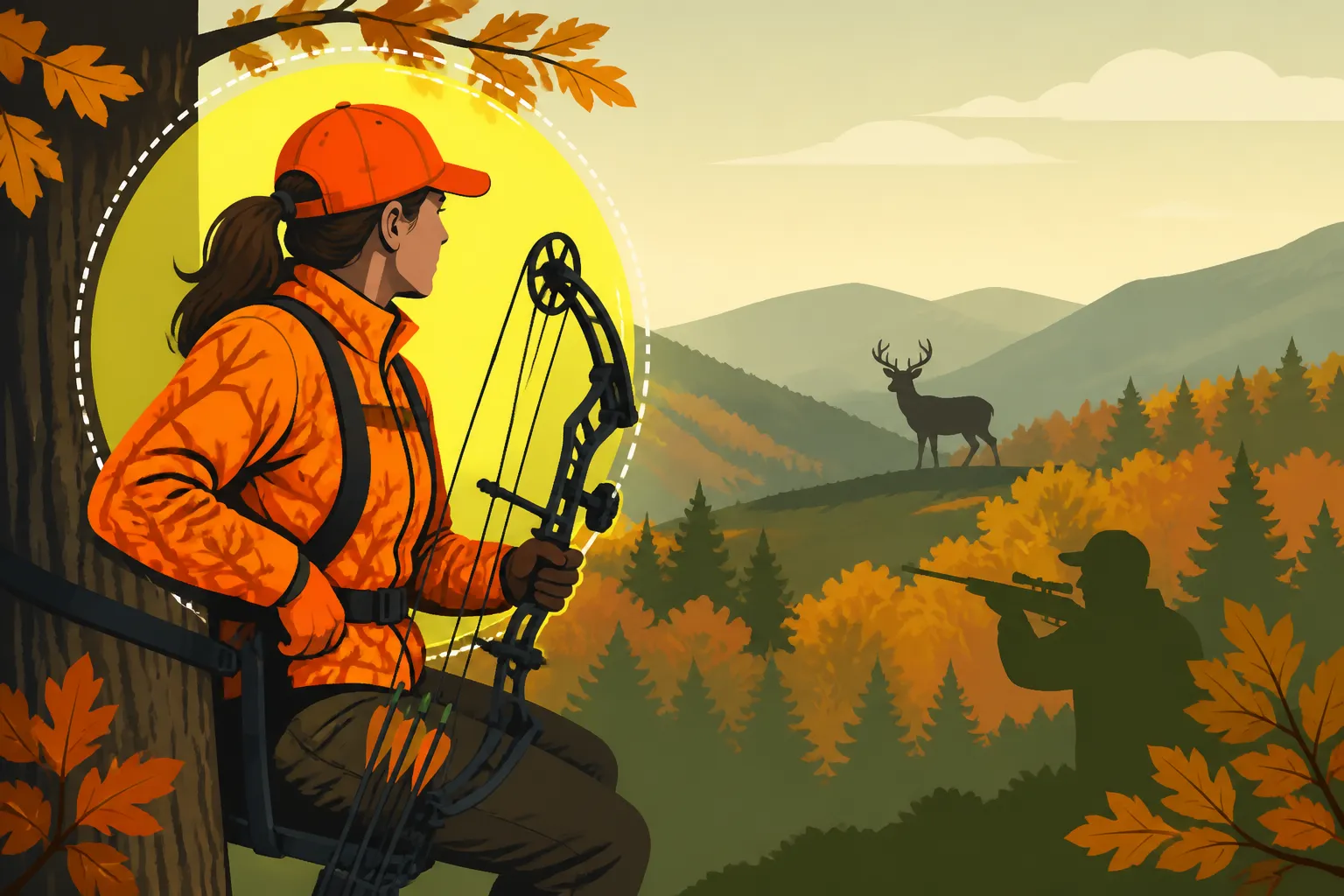
For many of us, the joy of bowhunting lies in the stealth, the quiet, the feeling of being utterly merged with the forest. We choose camouflage patterns that disappear into the timber, moving like ghosts through the undergrowth. But when Vermont's rifle season kicks off, that mindset needs a serious adjustment, especially if you're still carrying a bow. The woods transform from a quiet, solitary pursuit to a shared landscape with a higher level of activity and a completely different set of risks. Your top priority, even above filling a tag, becomes ensuring other hunters can see you, clearly and unequivocally.
It's not just about abiding by the letter of the law; it's about embracing a safety culture that prioritizes every hunter's well-being. Accidents can happen in a split second, often when visibility is poor, or assumptions are made. As bowhunters, we're sometimes perceived as being "hidden," and while that's our goal when drawing on an animal, it's the exact opposite of what we need when other hunters are present with firearms. This section will delve into why visibility isn't just a suggestion, but a life-saving practice.
Understanding the Risk: The Inherent Dangers of Rifle Season
Let's be real, stepping into the woods with a bow when high-powered rifles are booming around you can be unsettling. It’s not about mistrusting fellow hunters; it’s about acknowledging the reality of a busy season. The woods can be thick, visibility can be low, and deer movement can get unpredictable, leading hunters to focus intently on their target, sometimes to the exclusion of their surroundings. This heightened activity, combined with the sheer power and range of modern hunting firearms, creates a safety dynamic that demands absolute attention to how visible you are.
It's a different game than the quiet solitude of the early archery season. Now, you're sharing the landscape with folks who might be still-hunting, driving deer, or posted up on a ridge line, each with their own focus and perspective. A sudden movement, a flash of brown, or even just being in the wrong place at the wrong time without adequate visibility can turn a beautiful day afield into a nightmare. That's why merely "meeting" the legal requirement for blaze orange often isn't enough; we're aiming for maximum visibility, especially as bowhunters who often prefer to stay concealed. It's a fundamental shift in mindset, acknowledging that while we might be trying to hide from deer, we absolutely must be seen by people.
The Hunter's Ethical Responsibility: Protecting Yourself and Others
Beyond legal mandates, every hunter carries an ethical responsibility to ensure safety in the field. This means not only understanding firearm safety if you're carrying a rifle, but also actively participating in preventing accidents if you're bowhunting. Your decision to wear adequate blaze orange or blaze pink isn't just for your own protection; it's a critical component of ensuring the safety of every other hunter in the woods. By making yourself highly visible, you remove doubt, reduce reaction time for identification, and ultimately contribute to a safer environment for everyone enjoying Vermont's beautiful wilderness.
This responsibility extends to how you communicate your presence, how you move, and even how you set up your hunting location. It’s about being a good steward of the sport and a considerate user of the land. Nobody wants an accident to happen, and the best way to prevent one is proactive, thoughtful action by all participants. We all share the same passion for being outdoors, and we owe it to each other to come home safely at the end of the day.
Vermont's Blaze Orange (and Pink) Requirements: What You Need to Know
Vermont is pretty clear about its blaze orange regulations, especially during the rifle season. These rules are in place for a reason – to save lives. As a bowhunter venturing out during this overlapping period, it's absolutely crucial that you not only know these rules but exceed them when possible. You might think your camo is key, but during rifle season, your blaze orange is your most important piece of gear. Let's break down what the law states and how you can apply it effectively.
Understanding the specific details helps you make informed choices about your gear and your hunting strategy. It’s not just about throwing on a vest; it’s about knowing the minimums and then deciding how to maximize your visibility for the conditions you'll face. You can consult the Vermont Fish and Wildlife Department's official guidelines or mapping tools like GoHunt, which often integrate these regulations into their platforms, to ensure you're up-to-date.
Decoding the Regulations: Specific Requirements for Bowhunters in the Overlap
Vermont's regulations regarding blaze orange are very specific, especially for those Hunting Vermont's New Archery-Rifle Overlap. During the regular firearm deer season, which typically includes parts of November, all hunters, regardless of what weapon they are carrying, must wear blaze orange. The law specifies that 50% of the hunter's clothing above the waist, visible from all sides, must be blaze orange. This includes hats, vests, jackets, and any other outer garments. This rule applies even if you are bowhunting exclusively and have no firearm on you.
This isn't a suggestion; it's a legal mandate. Failing to comply can result in fines and, more importantly, puts you and others at severe risk. When you're out there, especially still-hunting or moving through thick cover, you want to stand out like a beacon, not blend in. The intention behind the 50% rule is to ensure a significant, unmistakable block of color that signals "human" to any other hunter in the vicinity. Think of it as your primary defensive measure against a tragic error. The minimum isn't always optimal, especially in conditions like fog, heavy rain, or approaching dusk.
Here's a quick reference for Vermont's general visibility requirements during rifle season:
| Item | Requirement | Notes |
|---|---|---|
| Blaze Orange/Pink | 50% of clothing above the waist, visible from all sides (hats, vests, jackets). | This means not just a patch, but a substantial amount. Ensure it's not obscured by a backpack, game, or other gear. |
| Applies To | All hunters during rifle season, regardless of weapon type (bow, muzzleloader, rifle). | Even if you're solely bowhunting during the overlap, you must comply. |
| Exemptions | Certain specific situations, like hunting migratory birds or during specific non-deer seasons (always check current regulations). | Crucially, these exemptions generally do NOT apply during the overlap with rifle deer season. Always assume you need blaze orange unless explicitly stated otherwise for your specific hunting activity and time. |
Blaze Pink: A Legal Alternative in Vermont
It might surprise some, but Vermont has also embraced blaze pink as a legal alternative to blaze orange. This is a progressive move, acknowledging that hunters may have preferences or find certain colors more appealing. The requirements for blaze pink are exactly the same as for blaze orange: 50% of clothing above the waist, visible from all sides. So, if you prefer blaze pink, or find it more accessible, you're good to go.
The effectiveness of blaze pink has been studied, and it's been shown to be just as visible, if not more so, than blaze orange in certain lighting and vegetative conditions. The most important thing is that whatever color you choose – orange or pink – it's vivid, unobstructed, and covers enough surface area to make your presence undeniable. Don't fall into the trap of thinking a small patch is enough. Aim for maximum coverage to ensure you're clearly identified as a human hunter, rather than game, at all times.
Gear Strategies for Maximum Visibility
Just knowing the rules isn't enough; you need to apply them strategically to your gear. Bowhunters often have a meticulously planned layering system for comfort and stealth, and integrating blaze orange or pink into this system requires forethought. It's about blending the necessary visibility with the practicalities of an active hunt, especially when still-hunting or working a treestand. Remember, your goal is to be invisible to deer but unmistakably visible to fellow humans.
This means thinking about more than just a cheap vest. Consider how your orange or pink layers interact with your backpack, your bow, and even your movements. Are there blind spots? How can you add more? Companies like GoHunt, while primarily a mapping tool, also often provide links or gear recommendations that align with safety requirements, reinforcing the importance of proper equipment.
Head-to-Toe Orange Application: Vests, Hats, and Packs
The 50% above-the-waist rule is a minimum. Many experienced hunters advocate for much more. A good blaze orange or pink hat is non-negotiable. It keeps your head, which is often the highest point of your body, highly visible. Your vest or jacket should be substantial – not just a thin mesh overlay that rips easily or gets lost in the folds of your other gear. Look for a quality Best Blaze Orange Vest for Layering Over a Coat that can be worn over your heaviest hunting jacket, ensuring consistent coverage.
Consider your backpack as well. Many hunters will add blaze orange panels or covers to their packs, or even attach bright flagging tape to areas that might otherwise obscure their vest from behind. When you're carrying a pack, a significant portion of your back can be covered, potentially reducing your visible orange. By adding orange to your pack, you maintain that critical 360-degree visibility. Your bow itself can even have a piece of orange tape wrapped around a limb for added visibility when carrying it. Every little bit helps.
Layering for Safety and Comfort: Integrating Orange into Your System
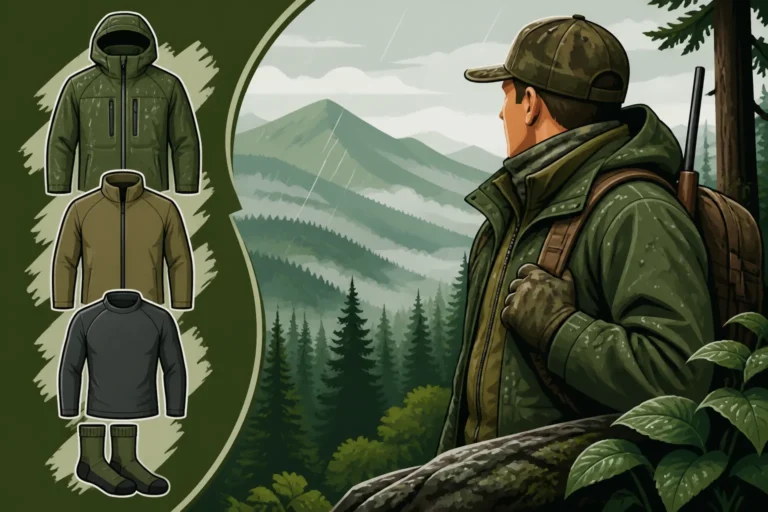
Vermont weather can be fickle, especially during rifle season in November, which often means cold mornings, warmer afternoons, and unpredictable precipitation. This demands a robust layering system, and your blaze orange needs to be a part of it. Rather than just a flimsy vest, invest in blaze orange or pink outer layers that are suitable for the conditions. This might mean a thick blaze orange insulated jacket for frigid days or a waterproof blaze orange shell for rainy weather.
Think about how your layers will perform. Will adding an outer orange layer restrict your draw cycle? Will it make too much noise? Test your gear before you head out. A quality blaze orange softshell jacket can provide both warmth and visibility without the bulk or noise of a cheap plastic vest. Remember that even when you shed layers as the day warms up, you must maintain your minimum blaze orange requirement. This means making sure your under-layers still provide sufficient coverage, or having another orange garment ready to put on. For more on how to stay comfortable in changing conditions, check out Layering for Vermont's Long Hunting Season.
Making Your Stand Visible: Marking Your Location
If you're hunting from a treestand, ground blind, or even just a natural setup, marking your immediate area can significantly enhance safety. While you are wearing blaze orange, sometimes the specific angle or thick cover can obscure you. Tying a piece of blaze orange ribbon or flagging tape to trees on the approach to your stand, or even around the tree your stand is in, acts as an additional visual cue for other hunters. This is especially helpful if you're situated near a trail or in an area that sees a lot of foot traffic.
This practice not only helps other hunters identify your general area but can also serve as a warning sign if someone is still-hunting too close. It communicates your presence without you having to make noise and potentially scare off game. Just be sure to remove all flagging tape or markers when you leave the woods for the season, following ethical public land practices. When selecting a stand location, consider visibility lines for other hunters, not just your shooting lanes for deer.
Beyond Orange: Other Safety Considerations for Bowhunters
While blaze orange or pink is your primary defense, true safety during rifle season extends beyond just wearing the right colors. It encompasses a holistic approach to awareness, communication, and responsible hunting practices. As bowhunters, we often rely on subtlety, but during the rifle season, a little purposeful "obviousness" can go a long way. These additional considerations are about actively managing your presence in the woods.
This section encourages you to think proactively and to take ownership of your safety profile in a shared hunting environment. It’s about being smart, not just compliant. Remember that Vermont Hunter Education Requirements emphasize a lot of these principles, reminding us that hunting is a privilege that comes with significant responsibility.
Communication and Awareness: Letting Others Know Where You Are
Beyond visual cues, communication is key. If you are hunting with a partner or group, establish clear communication protocols. Know where everyone is, and use walkie-talkies or cell phones if reception allows. Even if you're hunting solo, consider letting a trusted person know your general hunting area and your expected return time. This isn't just for safety from other hunters, but also for general emergency preparedness.
If you encounter another hunter in the woods, a simple wave, verbal greeting, or even just holding up your hand to clearly show your blaze orange can acknowledge their presence and prevent any misunderstandings. It's a small gesture that speaks volumes for safety. Avoid quick, furtive movements if you see someone approaching; instead, stand still and make eye contact, making it clear you are a human hunter.
Movement and Sound: Minimizing Misidentification
Bowhunters are masters of silent movement, but during rifle season, this can sometimes work against you if you're not also highly visible. A sudden rustle in the leaves or a quick movement in the underbrush, if unaccompanied by a clear flash of blaze orange, could be misinterpreted as a deer by an excited rifle hunter. This is where the combination of high visibility and thoughtful movement is paramount.
When you're still-hunting or stalking, take your time. Move slowly and deliberately, allowing your blaze orange to be clearly seen with each step. Avoid sudden bursts of speed or diving into thick brush without first assessing the surroundings for other hunters. Consider carrying a small whistle; while it shouldn't be your primary communication, an emergency blast can alert others to your presence if you feel unseen or unheard.
Pre-Season Scouting with Safety in Mind: Identifying Safe Spots
Your pre-season scouting isn't just for finding deer sign; it's also a crucial opportunity to identify safe hunting locations for the overlap season. Use mapping tools, like those found on GoHunt, to identify areas of high hunting pressure, proximity to trails, roads, or private property boundaries. Areas with heavy foot traffic might be best avoided for still-hunting, or you might choose to only hunt them from an elevated stand.
Look for natural barriers or distinct terrain features that might funnel deer but also offer good visibility from potential hunter approaches. Consider your entry and exit routes – can you access your spot without walking directly through someone else's potential hunting zone? For example, when scouting Green Mountain National Forest's Two Districts, look for benches or saddles that offer good deer movement but also provide clear sight lines for your blaze orange. Planning ahead allows you to choose spots where you can be both effective as a bowhunter and unequivocally safe.
Adapting to Different Hunting Scenarios
The Green Mountain State offers a diverse range of hunting environments, from dense softwood thickets to open farm fields and steep mountain ridges. How you approach visibility might need to adapt slightly depending on where and how you're hunting. A treestand setup in a field edge is different from still-hunting deep in the timber. Let's explore how to maintain maximum visibility in various common Vermont hunting scenarios.
Regardless of the specific scenario, the core principle remains: prioritize being seen by other people. This means that Camo Patterns for Vermont Hardwood Cover might still be effective against deer, but they should always be complemented by an abundance of blaze orange or pink. Every situation presents its own challenges, but with thoughtful preparation, you can ensure your safety.
Still-Hunting and Stalking Safely: How to Move Quietly but Visibly
Still-hunting is a quintessential bowhunting tactic, but it presents unique challenges during rifle season. Your movements are inherently subtle, and you're covering ground. The key here is to maintain a slow, methodical pace, allowing ample time for your blaze orange to register with anyone else in the area. When you pause to glass or listen, make sure you're doing so in an open enough spot that you're not obscured by a single bush or tree.
Consider taking a moment to scan 360 degrees before moving into a new patch of cover, actively looking for other hunter's blaze orange. If you're moving through particularly dense areas, where your orange might be frequently broken up by branches, take extra precautions. Make a little more noise than you might usually, perhaps by scuffing your boots deliberately. It's counter-intuitive for a bowhunter, but a subtle sound can sometimes draw attention and confirm you're a human presence, rather than a fleeting deer.
Stand Hunting in the Green Mountains: Stationary Visibility
Hunting from a treestand is often considered one of the safest methods during rifle season, largely because your position is fixed and elevated. Your blaze orange will often be visible above a lot of the undergrowth, providing a clear silhouette against the sky or distant trees. However, don't get complacent. Just because you're in a stand doesn't mean you can skimp on visibility.
Ensure your stand choice isn't placing you directly behind a large tree trunk that completely masks one side of your body. When choosing a tree, pick one that offers good shooting lanes but also allows your blaze orange to be seen from multiple angles of approach. If using a ground blind, brush it in thoroughly for deer, but remember that your entry and exit points are critical. Consider hanging an extra piece of blaze orange flagging on a branch above your blind to signal its presence to other hunters. For more on how to approach these setups, check out Hanging a Stand on a Champlain Valley Field Edge or Using a Ground Blind on Public Land.
Hunting on Private Land vs. Public Land: Varying Pressures and Considerations
Whether you're hunting on public land, like sections of the Green Mountain National Forest, or on smaller private tracts, the level of hunting pressure and awareness can vary significantly. Public lands often see higher hunter densities, especially during rifle season, meaning there's a greater chance of encountering other people. This reinforces the need for maximum visibility and constant situational awareness.
On private land, you might feel a bit more secluded, but this doesn't diminish the need for blaze orange. Even if you have exclusive permission, an adjacent landowner might be hunting, or other authorized individuals could be in the woods. Always assume others are present. If you're hunting a small woodlot adjacent to a busy farm field, extra caution is warranted, as rifle hunters in the field might be scanning the treeline intently. Always double-check Vermont's New Archery-During-Rifle Overlap Rule and ensure you're compliant, regardless of where you're hunting.
Disclaimer
This article is for general informational purposes only and does not constitute professional advice. Laws, prices and regulations vary by location and change over time. Consult a qualified professional for guidance on your specific situation.