Best Blaze Orange Vest for Layering Over a Coat
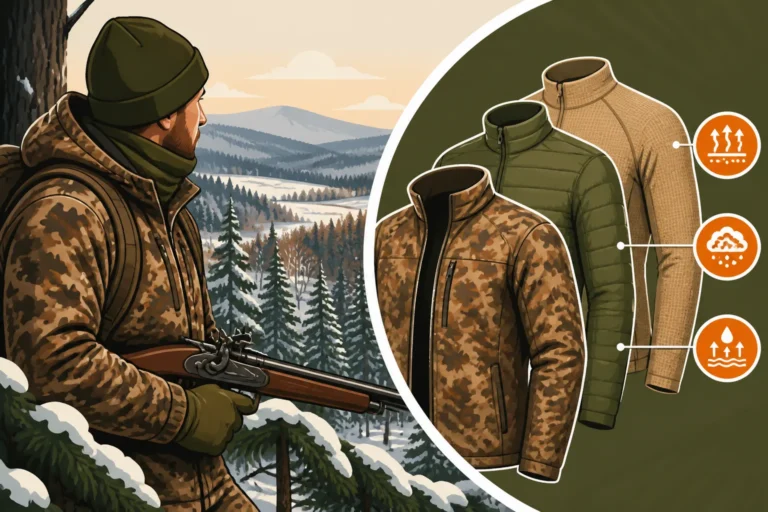
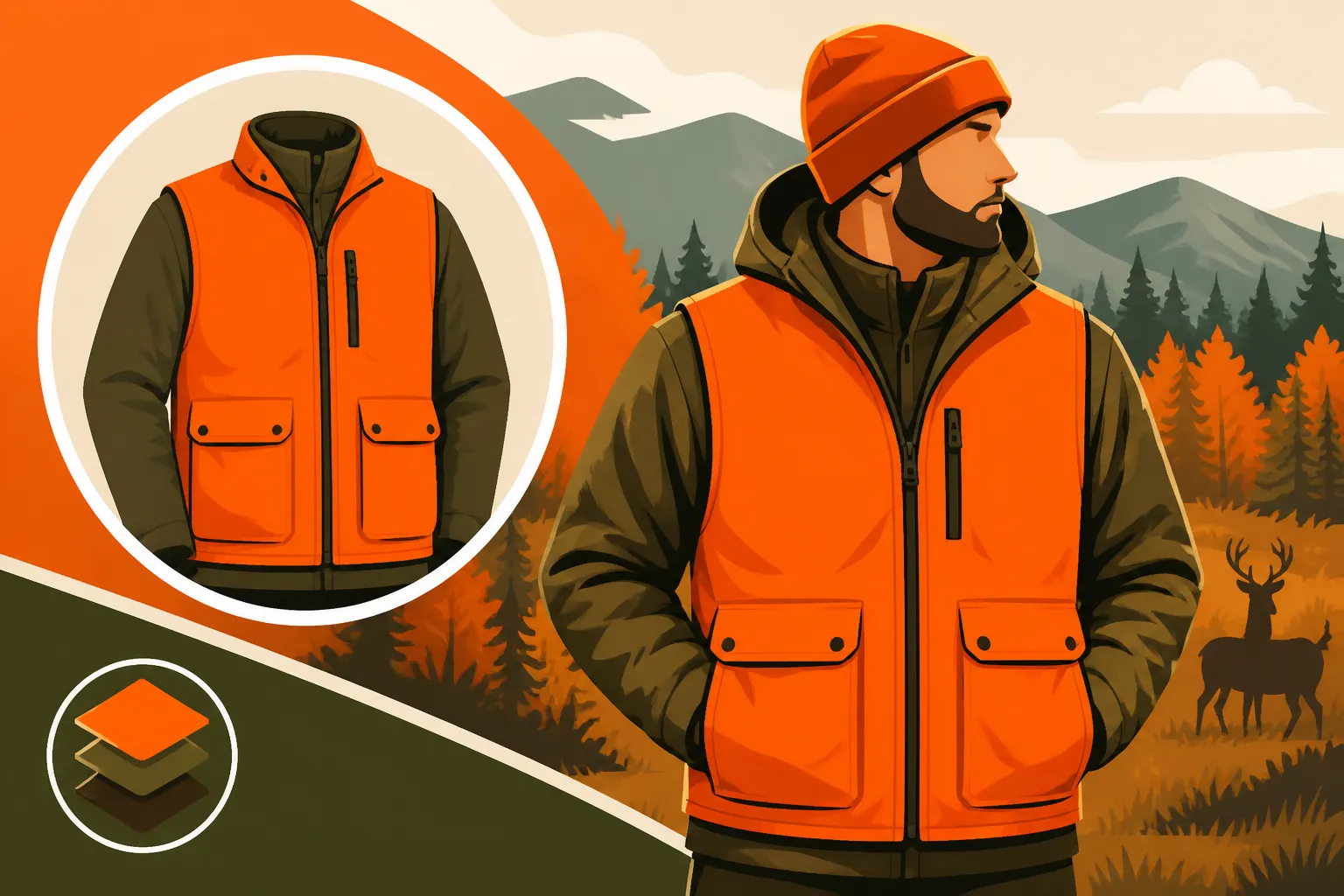
Every hunter who's spent a cold November morning in a Vermont treestand, bundled up like a marshmallow man, knows the struggle. You've got your thermal base layers, a fleece mid-layer, maybe even a heavy insulated jacket over that, and then it's time for your blaze orange. Too often, what you pull out of your pack is a flimsy, ill-fitting mesh vest designed for a t-shirt, not a heavy winter coat. It bunches, it restricts, and it makes you feel less like a stealthy hunter and more like a neon-orange balloon. This guide is all about finding that perfect blaze orange vest that actually works over your substantial hunting coat, ensuring both your safety and your comfort when the temperatures plummet in the Green Mountains.
The Unique Challenge of Layering Blaze Orange Over Winter Hunting Coats
Vermont's hunting seasons often stretch into the colder months, especially for deer, bear, and even some small game. Think about Vermont Rifle Season Dates or Muzzleloader Deer Hunting in Vermont – these are times when dressing for warmth is absolutely non-negotiable. We're talking multiple heavy layers to combat the biting winds that sweep through the ridgelines or the damp chill that settles in the valleys.
The problem arises when your required blaze orange garment needs to fit over all that bulk. Many standard blaze orange vests are made for early-season hunts, designed to be worn over minimal clothing. They're often cut slim, with limited adjustability. When you try to cinch one of these over your insulated parka, you quickly run into issues. It can restrict your movement, particularly in the shoulders and arms, which is a nightmare when you need to raise a rifle or draw a bow. It might ride up, exposing areas of your back or chest, which not only defeats the purpose of visibility but also lets cold air sneak in. We've all been there, tugging at a too-tight vest, feeling like you're fighting your own gear instead of focusing on the hunt. This isn't just an inconvenience; it's a safety concern and a comfort issue that can cut a hunt short.
Essential Features for a Blaze Orange Vest That Layers Well
When you're looking for a blaze orange vest to wear over your heavy hunting coat, you're not just looking for "blaze orange." You're looking for a specific piece of gear designed to integrate seamlessly with your cold-weather system. It needs to provide maximum visibility without compromising your warmth, mobility, or access to your other gear. Let's dive into what truly makes a vest suitable for serious cold-weather layering in Vermont.
Generous Sizing and Expansive Adjustability
This is, hands down, the most crucial feature. A good layering vest needs to be cut generously, almost oversized, to accommodate the volume of your heavy coat underneath. Forget the one-size-fits-all marketing; that rarely works for a range of body types and a range of underlayers.
Look for vests that explicitly state they are designed for outerwear or that come in distinct, larger sizes. Even better, seek out vests with significant adjustability. This usually means heavy-duty buckles or wide strips of hook-and-loop (Velcro) fasteners on the sides and shoulders. Some premium options even feature zippered side panels that can expand or contract, giving you a truly custom fit over varying amounts of clothing. Imagine you start your morning hunt with a heavy insulated jacket, and by midday, the sun is out, and you've stripped down to a fleece. A highly adjustable vest allows you to adapt to these changes, keeping the orange snug and visible without becoming a parachute or a straitjacket. This level of versatility is what separates a cheap, basic vest from one that truly enhances your hunting experience.
Quiet, Durable, and Weather-Resistant Materials
Just because it's an outer layer doesn't mean it can be noisy. The moment you start shifting in your stand or bringing your rifle to bear, you don't want a loud, crinkly fabric announcing your presence to every whitetail in the woodlot. Look for materials that are brushed, soft, or have a quiet, dull finish. Polyester is common, but pay attention to the weave and treatment. Ripstop nylon can also be good if it's not too stiff.
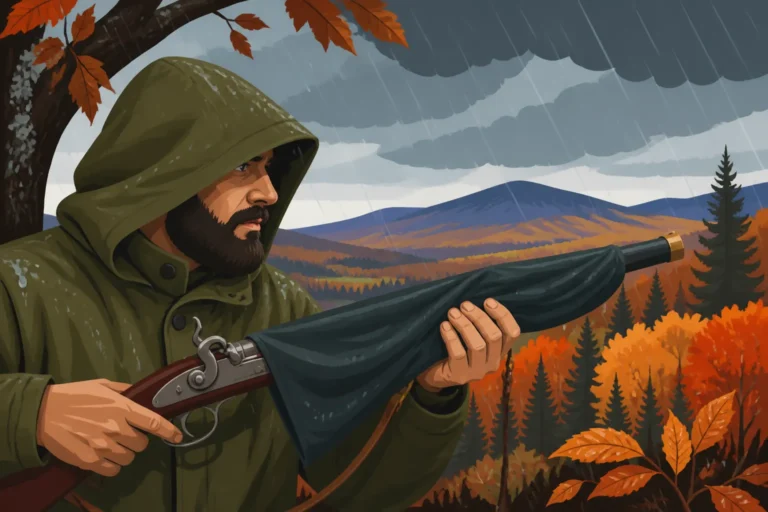
Durability is another key factor. Your outer vest is going to take a beating from brush, tree bark, and general wear and tear in the Vermont woods. It needs to be tough enough to withstand snags without tearing. Beyond just surviving the physical demands, consider weather resistance. While the vest itself might not be your primary rain gear, a material that sheds light rain or snow is a bonus, preventing it from soaking up moisture and adding weight or chilling you. Some vests even incorporate a DWR (Durable Water Repellent) finish, which is a nice touch for those damp, raw days. This combination of quietness, ruggedness, and a bit of weather protection ensures your vest works with you, not against you.
Smart Pocket Placement and Accessibility
Let's be real: hunting gear needs pockets. But when you're wearing multiple layers, accessing those pockets can be a frustrating exercise in contortion. A good layering vest anticipates this. Look for vests with external pockets that are generously sized and positioned to be easily accessible, even when your hands are gloved or your arms are bundled.
Chest pockets with vertical zippers are often a fantastic choice, as they allow for quick, unobstructed access to a rangefinder, GPS, or a small call. Handwarmer pockets are also a welcome feature, especially on those brutally cold mornings when you need to warm your fingers quickly between glassing sessions or before making a shot. Some vests even include larger, external cargo pockets that can hold a hat, gloves, or even a small snack. The key is that these pockets shouldn't be covered by your coat or positioned in a way that makes them difficult to reach. When you need to grab your wind checker or quickly check your onX Layers for Vermont Land Status on your phone, you don't want to be fumbling with layers.
Collar Design and Overall Fit Integration
The way a blaze orange vest interacts with the collar and overall cut of your main hunting coat is often overlooked but incredibly important for comfort and functionality. A poorly designed vest can create an uncomfortable bulk around your neck, interfere with your coat's hood, or simply bunch up in weird ways.
Ideally, a layering vest should have a low-profile collar or no collar at all, allowing the collar of your primary hunting coat to do its job without interference. If the vest does have a collar, ensure it's soft, flexible, and not overly stiff. The vest should also be long enough to cover your coat comfortably without riding up when you sit down, but not so long that it hangs awkwardly. Think about armholes too; they should be large and unrestrictive, allowing for a full range of motion without binding or chafing, especially when drawing a bow during Bowhunting During Vermont's Rifle Season. The goal is for the vest to feel like an extension of your coat, not a separate, cumbersome layer. When you're out there still-hunting Green Mountain National Forest timber, every bit of comfort and unhindered movement counts.
Top Features to Look For When Layering
Choosing the right blaze orange vest for layering isn't just about meeting the minimum How Much Blaze Orange Vermont Requires; it's about optimizing your safety and your hunting experience in Vermont's diverse and often challenging conditions. Beyond the basic fit and material, a few key features can really elevate a vest from "just okay" to "essential gear."
Integrated Harness Slots or D-Rings
If you hunt from a treestand, which many of us do for deer, bear, and even Fall Turkey Hunting Vermont's Statewide Archery Window, you know the importance of a safety harness. A vest that integrates well with your harness is a game-changer. Look for vests with a pass-through slot on the back for your harness tether, or well-placed D-rings on the shoulders or chest that can serve as attachment points for accessories like your rangefinder or grunt tube. This keeps your harness secure and prevents the vest from interfering with its function. Nothing is more annoying than a safety harness pulling your vest out of place, creating a noisy flap or exposing a patch of non-orange fabric. Some vests even have small loops inside to thread harness straps through, ensuring the vest stays put. When you're spending hours perched above a Hunting a Funnel Between Two Woodlots, you want everything to be streamlined and secure.
Quiet Zipper Pulls and Fasteners
This might seem like a minor detail, but anyone who's had a metal zipper pull clink against their rifle stock at the wrong moment knows better. Critters have incredibly keen hearing, and even small noises can alert them. Look for vests with quiet zipper pulls—often made of cord, rubberized plastic, or wrapped in fabric—and silent fasteners. Plastic buckles, if present, should be robust and designed not to rattle. Hook-and-loop closures should be strong enough to hold securely but not so aggressive that they create a loud ripping sound when adjusted. Attention to these "silent details" is a hallmark of well-designed hunting gear.
Reflective Strips for Enhanced Low-Light Visibility
While blaze orange is designed for daylight visibility, many hunts begin before sunrise and end after sunset. During these low-light periods, reflective elements can significantly increase your safety, especially when walking in or out of your hunting spot or crossing roads. Some premium blaze orange vests incorporate discreet reflective strips or piping. These aren't meant to make you glow like a Christmas tree, but they provide an extra layer of visibility to vehicle headlights or fellow hunters using flashlights. It’s a subtle but smart feature that adds peace of mind when legal shooting light is still an hour away, or when you’re blood trailing after dark in Vermont.
Here's a quick comparison of basic vs. layering-friendly blaze orange vests:
| Feature | Basic Vest (Standard Fit) | Layering-Friendly Vest (Oversized Fit) |
|---|---|---|
| Sizing/Adjustability | Minimal, often "one-size-fits-most" | Generous cut, expansive side/shoulder adjustments |
| Material Noise | Can be crinkly, stiff | Quiet, brushed, low-noise fabrics |
| Durability | Lightweight mesh, prone to snags | Ripstop, heavier polyester, reinforced areas |
| Pocket Accessibility | Small, often under outer layers | External, large, easily accessible pockets |
| Collar Design | Can be high, stiff, interfere | Low-profile or no collar, flexible |
| Harness Integration | None, can bunch with harness | Pass-through slots, D-rings |
| Fasteners | Metal zippers, noisy snaps | Quiet zipper pulls, silent buckles/Velcro |
| Low-Light Visibility | Blaze orange only | Blaze orange + subtle reflective accents |
Maintaining Your Blaze Orange for Maximum Visibility
Even the best blaze orange vest is only effective if it's clean and vibrant. Over time, dirt, mud, blood, and exposure to UV light can degrade the color, making it less visible. This isn't just an aesthetic concern; it's a critical safety issue. Faded, dingy orange might not meet the visibility requirements, and more importantly, it makes you harder for other hunters to spot in the dense Vermont woods.
Proper Washing and Care
The first rule of thumb: always check the manufacturer's care label. While most blaze orange vests are made of synthetic materials, they can react differently to various detergents and washing temperatures. Generally, use cold water and a mild, scent-free detergent. Avoid harsh chemicals, bleach, or fabric softeners, as these can break down the fibers and fade the color. Some hunters even prefer to wash their orange gear separately to prevent color bleeding onto other items or to avoid picking up strong scents from everyday laundry.
After washing, air drying is usually the best option. High heat from a dryer can degrade materials, especially any reflective elements, and can also set stains. Hang your vest in a well-ventilated area away from direct sunlight. Once dry, store it in a clean, dry place, ideally away from prolonged exposure to sunlight, which can cause fading. This might seem like a lot of fuss for a vest, but proper care is an investment in your safety and the longevity of your gear.
Inspecting for Wear and Tear
Before and after each season, take a good, hard look at your blaze orange vest. Check for any tears, holes, or frayed seams. Even small holes can compromise the integrity of the material and potentially reduce its overall visibility. If you find significant damage, it might be time to replace the vest. Repairing a small tear with a durable patch is one thing, but if the material itself is compromised, or if large sections are missing or heavily abraded, it's not worth the risk.
Also, pay close attention to the vibrancy of the color. Hold it up against a new piece of blaze orange if you have one, or even a picture of a truly vibrant orange. Does it look dull, faded, or patchy? Sun exposure and repeated washing can gradually diminish the brightness. If your vest is looking less like a traffic cone and more like a muted pumpkin, it's probably time to retire it. Your life literally depends on being seen, so don't skimp on this essential piece of safety equipment.
Storing Your Vest Safely
How you store your blaze orange vest between hunts and seasons can also impact its lifespan and effectiveness. Avoid cramming it into a dusty corner of your garage or leaving it exposed to sunlight in your vehicle. Instead, store it folded neatly in a dark, dry place, perhaps in a tote or garment bag. This protects the fabric from dust, dirt, and UV degradation. If your vest has reflective elements, ensure they aren't creased or abraded during storage, as this can damage their reflective properties. By treating your blaze orange vest with the care it deserves, you ensure it's ready to perform its critical function every time you step into the Public Hunting Land in Vermont.
Using GoHunt for Gear Research and Planning
When it comes to selecting new gear, especially something as critical as your blaze orange, it pays to do your homework. Resources like GoHunt can be incredibly valuable here. You can often find detailed reviews from other hunters on specific vest models, discussing how they fit over various layers, their durability in real-world conditions, and overall performance.
Beyond just gear, GoHunt is an excellent tool for planning your hunts, helping you identify public access areas, or understanding specific unit regulations. When you're using detailed maps to scout out new territory for Hunting a Ridge-Top Saddle for Rutting Bucks or locating prime habitat for Hunting Vermont's New Archery-Rifle Overlap, knowing you have reliable safety gear that allows you to move freely and comfortably just adds another layer of confidence to your planning. A well-researched gear choice, supported by community feedback and mapping tools, contributes to a safer, more successful outing in the field.
Disclaimer
This article is for general informational purposes only and does not constitute professional advice. Laws, prices and regulations vary by location and change over time. Consult a qualified professional for guidance on your specific situation.