Best Blaze Pink Options for Vermont Hunters
There’s a common misconception among hunters that staying safe in the woods during rifle season means you have to blend into the foliage with traditional camo, only breaking that pattern with a splash of blaze orange. But what if you’re looking for options that not only meet Vermont’s vital safety requirements but also offer a bit more personal expression or even a subtle advantage in how you're perceived by other hunters? This guide will dive deep into blaze pink as a legal, effective, and often overlooked alternative, helping you understand the regulations, the science, and the best gear choices for your next Vermont adventure.
Navigating Vermont's Hunter Orange and Pink Regulations
Before we even talk about shades of pink, it's crucial to understand why we wear these highly visible colors in the first place, and what the law actually says here in the Green Mountain State. Vermont's hunting regulations are designed with safety as the top priority, aiming to prevent tragic accidents by ensuring hunters are readily visible to one another. It's a fundamental aspect of responsible hunting, especially as more people head into the woods each season.
The "Why" Behind Blaze Requirements
The primary reason for blaze requirements, whether orange or pink, is simple: human safety. In the dense woods of Vermont, especially during the peak of foliage or in overcast conditions, an unadorned hunter can blend in remarkably well with the surroundings. That's great for deer, but terrible for human interaction. The bright, unnatural color acts as an immediate visual cue, shouting "Hey, there's a person here!" to anyone else in the vicinity. This is particularly critical during periods of high hunting pressure, like Hunting Vermont's November Rifle Opener or during Bowhunting During Vermont's Rifle Season when archers and rifle hunters might share the same terrain.
Beyond the obvious safety benefit, these colors also play a role in promoting ethical hunting. Knowing that other hunters can easily spot you encourages responsible firearm handling and careful target identification. It reinforces the idea that we are all sharing the woods, and mutual respect and safety are paramount. It’s not about giving away your position to the deer; it’s about making sure your fellow hunters know exactly where you are, reducing the risk of being mistaken for game.
Legal Specifics: Orange vs. Pink in Vermont
For a long time, blaze orange was the only game in town when it came to required safety colors. However, Vermont, along with a growing number of other states, has recognized the scientific findings and the desire for more inclusive options by officially approving blaze pink. This is a huge step forward for many hunters. The specific regulation dictates a minimum amount of material – typically 500 square inches of solid fluorescent orange or pink material worn above the waist and visible from all sides. This means a vest, jacket, or a combination of garments that collectively meet that surface area requirement.
The science behind blaze pink's effectiveness is compelling. Studies have shown that while deer, being dichromatic, perceive both blaze orange and blaze pink as shades of grey or yellow, the human eye, being trichromatic, sees blaze pink as distinctly different from natural colors. In fact, for many people, especially those with certain types of colorblindness, blaze pink can actually be more visible than blaze orange against a background of fall foliage. It truly offers a legitimate and often superior alternative. For the most current legal specifics, it’s always wise to double-check the Vermont Blaze Orange Requirements directly from the Fish and Wildlife Department.
When and Where It's Required
Understanding when and where blaze pink (or orange) is mandatory is crucial to avoid fines and, more importantly, stay safe. In Vermont, these high-visibility colors are generally required during the rifle and muzzleloader deer seasons, as well as during the youth and novice deer hunting weekends. If you're out during Vermont's November Rifle Season or Muzzleloader Deer Hunting in Vermont, you absolutely need to be wearing your blaze. This also extends to those participating in Hunting Vermont's New Archery-Rifle Overlap, even if you’re carrying a bow. The rule applies to anyone hunting deer or bear, and it's also a smart practice for anyone else using public lands during these periods, even if they aren't hunting.
It's important to remember that this isn't just a suggestion; it's the law. Violating these regulations can result in penalties, but the real cost could be far greater. Always check the Vermont Fish and Wildlife Department's most recent regulations before heading afield, as specifics can sometimes change. While not always legally required in other seasons, like Spring Turkey Hunting in Vermont or during early archery, wearing a bright color is still a wise choice when sharing public land, especially if you anticipate other users.
The Science and Practicality Behind Choosing Blaze Pink
For years, blaze orange was the undisputed king of hunter safety colors. But blaze pink has emerged not just as a fashion statement, but as a scientifically-backed, highly effective alternative. It’s time to separate fact from fiction and understand why blaze pink deserves a serious look for your Vermont hunts.
Visibility to the Human Eye: The Science
The debate between blaze orange and blaze pink often comes down to perception, both literally and figuratively. From a scientific standpoint, the human eye perceives colors differently. Blaze pink, essentially a fluorescent magenta, stands out incredibly well against the greens, browns, and muted tones of the Vermont landscape. This is due to its high contrast and luminosity. Studies have indicated that for many individuals, particularly in certain lighting conditions like dawn, dusk, or overcast days, blaze pink can actually be more conspicuous than traditional blaze orange.
Think about it from a visual perspective. When you're scanning a timberline, a bright, almost shocking pink can jump out at you, rather than blending into a subtle gradient of reds and oranges that might exist naturally in fall foliage or a sunset. It's about maximizing that "unnatural" factor. Deer, with their dichromatic vision, essentially see the world in blues and yellows, making both blaze orange and blaze pink appear as similar shades of gray or yellow-gray. So, from the deer's perspective, neither color offers an advantage to the hunter in terms of concealment, meaning your safety color won't give you away to your quarry. For hunters who spend hours glassing distant ridges, using tools from companies like GoHunt for scouting and mapping, visibility of other hunters is paramount, and blaze pink truly delivers.
Breaking Stereotypes and Building Inclusivity
Beyond the science, there's a powerful cultural aspect to blaze pink. Hunting has long been a male-dominated pursuit, and for many women entering the field, the options for gear have historically been limited to scaled-down men's clothing or overly feminized, often pink-trimmed, camoflauge patterns that don't offer real safety benefits. Blaze pink, however, offers a legitimate, performance-driven choice that challenges traditional stereotypes. It provides an option for women and young girls who want to express themselves while adhering to safety regulations, without feeling like they have to conform to a specific masculine aesthetic.
This inclusivity is vital for the future of hunting. As more diverse groups are encouraged to participate, offering choices like blaze pink helps break down barriers and makes the sport more welcoming. It's about empowering hunters to choose gear that makes them feel confident, comfortable, and safe, regardless of gender. It signifies a broader acceptance and modernization within the hunting community. Whether you're a seasoned veteran or just starting out on Hunting Vermont's Youth and Novice Weekend, having choices like blaze pink helps everyone feel like they belong.
Practical Advantages in the Field
When you're out in the rugged Vermont woods, the practical advantages of blaze pink extend beyond just being seen. For one, its unique hue can sometimes cut through atmospheric haze or fog more effectively than orange, making it especially valuable during those misty mornings or late afternoons in the Green Mountains. Its distinctiveness also makes it harder to confuse with other visual cues. For instance, a hunter in blaze orange might be momentarily mistaken for a bright fall leaf or a distant fire pit by an inexperienced eye, whereas blaze pink is almost universally recognized as an "alert" color.
Furthermore, in high-pressure public hunting areas where many hunters might be wearing blaze orange, donning blaze pink can make you distinctly identifiable. Imagine a deer drive scenario on public land – if everyone else is in orange, your pink stands out even more, which can be a subtle but important safety measure. This can be particularly useful when you're coordinating with a group, allowing for quicker identification among fellow hunters. When you're planning your route and scouting via a platform like GoHunt, considering how you'll be seen by others is just as important as how you'll move through the terrain.
Essential Blaze Pink Gear for Your Vermont Hunt
Okay, so you're convinced that blaze pink is a solid choice for safety and style. Now, let's talk about what gear you'll actually need to incorporate this color into your hunting setup for the diverse conditions Vermont throws at you. It's not just about a vest; it's about a comprehensive system.
Vests and Outerwear: Essential Visibility
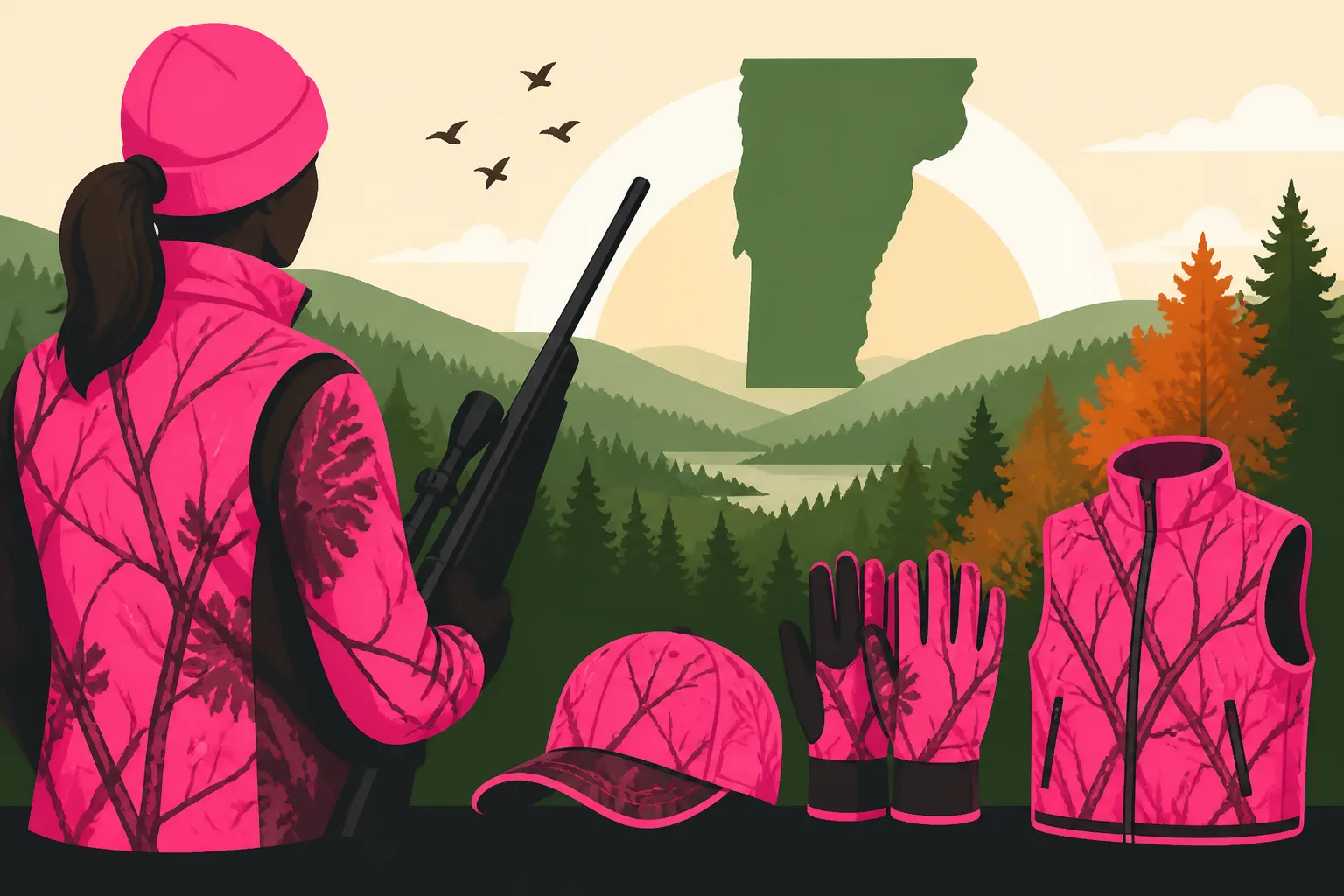
The core of your blaze pink ensemble will likely be a vest or an outer layer. Vermont regulations typically require a certain amount of visible material, and a well-fitting vest is often the easiest way to achieve this. Look for vests made from durable, quiet materials that won't snag easily on brush. Many vests are designed to fit over your existing hunting jacket, allowing you to maintain your preferred camo or layering system underneath. Some even come with pockets for essential items like your compass, whistle, or a rangefinder.
For those colder days, a full blaze pink jacket or coat can be a game-changer. These pieces often incorporate insulation, waterproofing, and wind-resistant properties, making them ideal for the crisp mornings of Hunting the Rut in Early-to-Mid November or a chilly December muzzleloader hunt. Companies are increasingly offering high-quality blaze pink outerwear that matches the performance standards of traditional blaze orange gear. When choosing, prioritize quiet fabrics that won't make a rustling sound as you move, and consider features like articulated elbows for ease of movement and adjustable cuffs to seal out the cold. Layering is key in Vermont, so ensure your outer pink layer can accommodate bulkier mid-layers for maximum warmth.
| Gear Type | Best Use Case | Key Features to Look For | Vermont Conditions |
|---|---|---|---|
| Blaze Pink Vest | Layering over any jacket, meeting minimum requirements | Lightweight, durable, quiet fabric, ample coverage | Mild to moderate, layering |
| Blaze Pink Jacket | Cold weather, single outer layer for visibility | Insulated, waterproof/resistant, quiet fabric, pockets | Cold, wet, snowy |
| Blaze Pink Hat | Head and neck visibility, warmth | Beanie, ball cap, ear flaps, breathable | All seasons, especially cold |
| Blaze Pink Gaiters | Lower leg visibility, brush protection | Durable, waterproof, secure fit | Thick brush, snow, wet terrain |
Headwear and Accessories: Completing Your Safety Profile
Don't forget about your head! A blaze pink hat is a simple, yet highly effective way to add critical visibility, especially if you're seated in a stand or blind. A brightly colored beanie can also add significant warmth during a Cold-Weather Sitting Strategy in the Northeast Kingdom. You'll find options ranging from simple ball caps to insulated beanies with ear flaps, all designed to keep you comfortable while making sure your head is seen. Some hunters even opt for blaze pink neck gaiters or balaclavas for added warmth and visibility, particularly when a hat might not be fully visible from all angles.
Beyond the major clothing items, accessories can play a role. Think about blaze pink tape you can apply to your backpack or even parts of your firearm (ensuring it doesn't interfere with operation or safety). While not always a legal requirement for accessories, every little bit of added visibility helps. If you use a game bag for packing out meat, a blaze pink one could make it easier to spot from a distance if you need to leave it briefly. When you're using detailed maps from GoHunt to navigate the backcountry, ensuring you're visible to others is just as important as knowing your precise location.
Layering Strategies for Cold Vermont Weather
Vermont weather can be notoriously unpredictable, especially during hunting season. One day it's mild and sunny, the next it's sleeting with temperatures plummeting. This means layering is absolutely critical, and your blaze pink gear needs to integrate seamlessly into that system. Start with a good moisture-wicking Best Base Layer for a Cold September Sit. Build upon that with insulating mid-layers, perhaps a fleece or down vest. Your blaze pink outerwear then becomes the final, protective, and visible shell.
For colder hunts, such as Hunting Into the December Muzzleloader Close, you might choose a heavy, insulated blaze pink jacket. For warmer days in the early rifle season, a lightweight blaze pink vest over a simple camouflage jacket might be all you need. The key is adaptability. Make sure your blaze pink layer is loose enough to accommodate several layers underneath without restricting your movement or causing discomfort. Pay attention to how your layers fit together to avoid bunching and cold spots. For example, a vest that's too tight over a heavy fleece will compress the insulation and reduce its effectiveness.
Caring for Your Blaze Pink Gear: Ensuring Lasting Visibility
So, you've invested in some great blaze pink gear, and you're ready to hit the Vermont woods safely and confidently. But like any specialized hunting equipment, your blaze pink apparel needs proper care to maintain its effectiveness. After all, what’s the point of wearing a high-visibility color if it fades or gets so dirty it blends in?
Cleaning and Care to Preserve Visibility
The vibrant, fluorescent quality of blaze pink is what makes it so effective, but it’s also what can be most easily compromised by improper cleaning. The biggest enemy of fluorescent colors is often harsh detergents and high heat. When washing your blaze pink items, always check the care label first, but a general rule of thumb is to use cold water and a scent-free, non-UV brightening detergent. Detergents with UV brighteners, while great for making whites look whiter, can actually make your fluorescent colors appear duller under certain light conditions, defeating their purpose.
Avoid using bleach, as it will strip the color and damage the fabric. Instead, for stubborn stains like blood or mud, pre-treat gently with a mild stain remover or a paste of baking soda and water. After washing, air drying is often the best method to preserve the integrity of the fabric and the fluorescent dyes. If you must use a dryer, opt for the lowest heat setting. Excessive heat can degrade the fibers and cause the color to fade prematurely. Remember, a clean, bright blaze pink garment is a safe garment. For specific advice on different materials, consulting a trusted outdoor gear resource like GoHunt can often provide valuable insights.
Storage Tips to Prevent Fading and Damage
How you store your blaze pink gear when it's not in use is just as important as how you clean it. Prolonged exposure to sunlight, even indirect sunlight through a window, can cause fluorescent colors to fade significantly over time. This is because UV radiation breaks down the dyes. Therefore, always store your blaze pink items in a cool, dark place, such as a closet or a dedicated gear locker.
Make sure the gear is completely dry before storing it to prevent mildew and odors, which can also damage the fabric and attract unwanted attention in the woods. Hanging your vests and jackets on wide hangers helps them maintain their shape and allows for air circulation. For smaller items like hats or gaiters, keep them in a breathable bag or container, away from direct light. Proper storage ensures that when you pull out your blaze pink gear for Vermont's New Archery-Rifle Overlap or Hunting a Bow During the Rifle Season Overlap, it will be as bright and effective as the day you bought it.
When to Replace Your Gear
Even with the best care, hunting gear takes a beating, and fluorescent colors aren't immune to the ravages of time and use. Over seasons of exposure to sun, rain, snow, and countless washes, your blaze pink gear will eventually start to fade. This fading might be gradual, making it hard to notice until it's too late. A good rule of thumb is to periodically hold your older blaze pink gear up against a brand-new item, or even against another hunter's gear you know is fresh. If yours looks significantly duller, less vibrant, or has visible faded patches, it's time for a replacement.
Beyond fading, look for signs of wear and tear like rips, tears, or excessive pilling, especially if these affect the total visible surface area. A torn vest might not meet the minimum square inch requirement anymore, and damaged fabric can also compromise any water resistance or insulation it might have once offered. Investing in new gear when your old items are past their prime is not just about staying compliant with Vermont Crossbow Equipment Rules or other regulations; it's about prioritizing your safety and the safety of those around you in the woods. Don't compromise on visibility – it's your most important piece of safety gear.
Blaze pink is more than just a trend; it's a legitimate, scientifically-backed safety color that offers a fantastic alternative to traditional blaze orange for Vermont hunters. By understanding the regulations, appreciating its unique visual advantages, choosing the right gear, and taking proper care of it, you can confidently hit the woods, knowing you're highly visible to your fellow hunters while still enjoying your passion. It's about making a choice that works for you, keeps you safe, and supports a more inclusive hunting community.
Disclaimer
This article is for general informational purposes only and does not constitute professional advice. Laws, prices and regulations vary by location and change over time. Consult a qualified professional for guidance on your specific situation.