Choosing a Trail Camera for Vermont Terrain
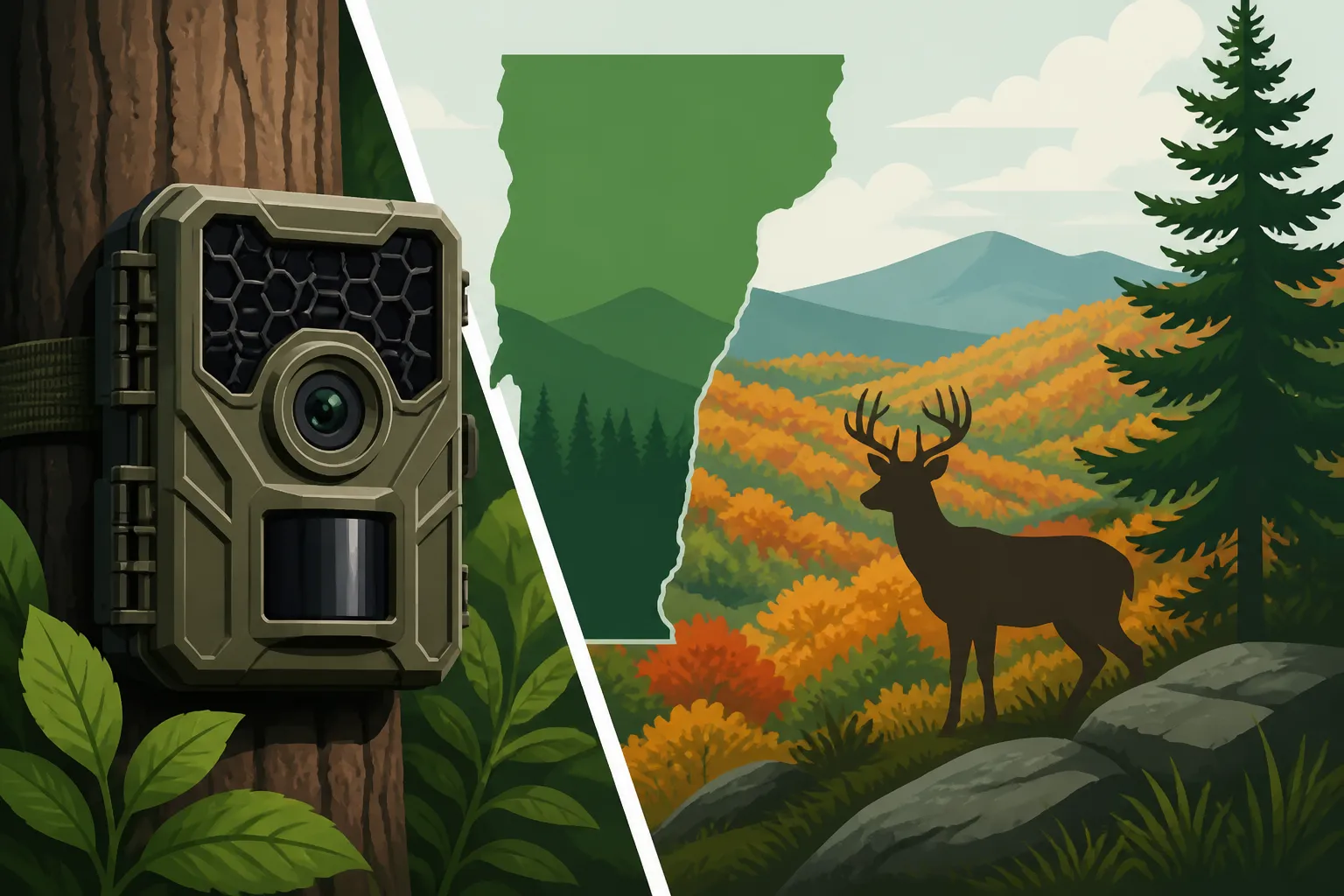
Finding the right trail camera for hunting in Vermont can feel like a daunting task. Between the notoriously unpredictable weather, vast stretches of remote public land, and the thick, undulating terrain of our Green Mountains and Northeast Kingdom, a generic, off-the-shelf camera often just won't cut it. This guide will walk you through the specific features and considerations essential for choosing a trail camera that can withstand Vermont's unique challenges and truly help you scout smarter, whether you're chasing whitetails, bears, or even trying to get a read on moose movement.
The Unique Challenges of Vermont Terrain for Trail Cameras
Vermont isn't like hunting in wide-open, flat landscapes. Our woods are dense, our weather can change on a dime, and "remote" here truly means remote. These factors put a lot of stress on trail cameras, and understanding them is the first step to making an informed purchase. You don't want to invest your hard-earned money in a camera that can't hack it.
Weather Resistance: Battling Rain, Snow, and Ice
If there's one thing Vermont is known for, it's weather that keeps you on your toes. A sunny, crisp autumn day can quickly turn into a torrential downpour, followed by freezing rain, and then a foot of snow overnight. This extreme variability is a killer for cameras not built to handle it. You need a camera housing that's truly sealed, with robust gaskets around the battery compartment and the main enclosure. Look for models specifically rated for harsh outdoor conditions.
I've seen countless hunters frustrated by cameras fogging up after a cold night, or worse, completely dying after a week of steady rain. Cheap plastic casings might look the part, but they often fail when subjected to a real Vermont nor'easter or the constant freeze-thaw cycles of late fall. A good quality camera will specify its IP rating – a higher number generally means better protection against dust and water ingress. Don't underestimate this; a single day of moisture infiltration can ruin your camera and your scouting efforts.
Think about the longevity. You want a camera that can sit out for weeks, even months, enduring everything from the humid heat of late summer to the biting cold and drifting snow of December. If you're planning on Hunting Into the December Muzzleloader Close, you'll need a camera that can handle deep snow and ice build-up without missing a beat or letting moisture creep into its sensitive electronics.
Remote Locations and Battery Life Expectations
Many of the best hunting spots in Vermont are not easily accessible. We're talking deep in the Green Mountain National Forest or far into the vast tracts of timber in the Northeast Kingdom. This means checking cameras frequently isn't always practical or desirable. Every trip in and out of a remote spot is an opportunity to leave scent, disturb game, or burn precious hunting time.
Because of this, battery life is paramount. You need a camera that can go for weeks, if not months, on a single set of batteries. Lithium batteries are often a superior choice over alkaline in cold Vermont temperatures, as they perform much better and last longer when the mercury drops. Solar panel attachments, while an added expense, can significantly extend battery life, reducing the need for those disruptive trips. Imagine knowing your camera is still working effectively deep within a remote block of public land, collecting valuable intelligence without you needing to hike in every week.
Consider your usage: are you running video clips, which drain batteries faster, or primarily still images? What about night vision settings? The more active the camera, the more power it consumes. Factoring in these variables will help you calculate how long a camera might realistically last in a remote Vermont location. Having a camera die in a critical scouting period because you skimped on battery life or capacity is one of the most common, and most frustrating, mistakes a hunter can make.
Public Land Security Concerns
Vermont boasts an impressive amount of public land, from state forests to expansive Wildlife Management Areas. While this offers incredible opportunities, it also means your trail camera is exposed to other users. Unfortunately, theft is a real concern. Leaving an expensive piece of equipment unattended for weeks can be a gamble, especially in higher-traffic areas.
Security doesn't just mean theft, either. It also means protecting your camera from curious critters – bears, raccoons, and even porcupines can chew on straps or knock cameras askew. A solid security plan involves both physical protection and strategic placement. Consider a steel security box that can be padlocked to a tree. These make it much harder for someone to simply walk away with your camera. While they add weight and cost, they offer invaluable peace of mind.
Beyond physical security, think about camouflaging your camera. While blaze orange is essential for you during certain seasons, a camera covered in Mossy Oak or Realtree, tucked away from obvious sight lines, is less likely to catch the eye of a casual hiker. Always follow regulations regarding Trail Camera Placement on Public Land to ensure you're within the rules while still being smart about protecting your gear. Finding that delicate balance between effective scouting and secure, compliant placement is key for longevity in the Vermont woods.
Key Features to Prioritize in a Vermont Trail Camera
Once you understand the challenges, it's easier to pinpoint the features that truly matter. Not every camera feature is equally important for Vermont's specific hunting scenarios. Focusing on these core elements will help you cut through the marketing jargon and pick a reliable workhorse.
Trigger Speed and Recovery Time in Dense Cover
Vermont's woods are often thick. Whitetails, in particular, move through cover with incredible speed. A slow trigger speed means you'll capture the tail end of a deer, or worse, an empty frame where a magnificent buck just passed. For an ethical hunter trying to understand game movement, this is simply unacceptable. You want a camera with a trigger speed of 0.5 seconds or faster.
Equally important is recovery time. This is how quickly the camera can reset and be ready to take another photo or video after the first detection. If a group of deer or a bear is moving past your setup, a long recovery time means you might get one picture of the lead animal and miss the rest. In thick Green Mountain timber, where animals can appear and disappear in an instant, a fast recovery time ensures you get a more complete picture of what's using that particular travel corridor or food source.
Imagine a mature buck slipping through a hemlock thicket. If your camera triggers too slowly, you'll get a blurry hindquarter. If its recovery is slow, you might miss the two does trailing just behind him, which could be crucial information about the size of the group or their bedding patterns. Prioritizing fast trigger and recovery speeds is non-negotiable for effective scouting in Vermont's dense woodlands.
Detection Range and Flash Type for Varied Landscapes
The detection range dictates how far out from the camera an animal can trigger it. In open clearings or along logging roads, a longer detection range is beneficial. However, in dense timber, a super long range might just mean you're picking up squirrels or branches swaying in the wind that are too far away to be relevant to your hunting strategy. You need a detection range that matches your intended setup.
Flash type is another critical consideration, especially for night imaging. There are generally three types:
- Visible Red Flash: These cameras emit a faint red glow when taking night pictures. While they often produce the brightest night images, animals can sometimes be spooked by the visible light, leading to "ghost" images or animals altering their behavior.
- Low-Glow Infrared: These emit a very faint red glow that is barely perceptible to the human eye, and often not to deer. They offer a good balance of image quality and discretion.
- No-Glow Infrared (Black Flash): These cameras emit absolutely no visible light. They are completely covert, making them ideal for security-conscious situations or for highly pressured deer. The trade-off is often slightly darker night images, but for scouting wary Vermont bucks or in areas with high human traffic, this stealth is invaluable.
For monitoring a Scrape Lines Along a Logging Road or a wide-open field edge, a visible or low-glow flash might be perfectly acceptable. But if you're trying to get a read on a mature, educated buck using a remote bedding area, no-glow is often the better choice. In situations where you're trying to capture activity near a Baiting a Bear Site in Late Summer, you'll want something that doesn't alert the bear to the camera's presence too obviously.
Image and Video Quality for Positive Identification
What good is a picture if you can't tell if that's a young fork horn or a solid 8-pointer? Image and video quality are crucial for positive identification and for truly understanding the game you're after. Higher megapixels generally mean clearer still photos, allowing you to zoom in and count points, estimate body size, or identify unique markings.
Video capabilities are also incredibly useful. A 10-20 second video clip can tell you so much more than a still photo. You can observe an animal's gait, how it interacts with its environment, if it's limping, or if other animals are following. This behavioral insight is gold for scouting. Look for cameras that offer adjustable video length and decent resolution, ideally 720p or 1080p, to give you a crisp, clear view of the action.
Consider the time stamp on your photos and videos. A clear, accurate time and date stamp is fundamental for understanding patterns of movement and for planning your hunts. Many cameras also include temperature and moon phase data, which can provide additional context to animal behavior. For instance, knowing that a big buck is consistently hitting a Late-Season Food Sources for Vermont Whitetails just before dark on full moon nights gives you a precise hunting window.
Cellular vs. Non-Cellular Cameras for Vermont Hunters
This is often the biggest debate among trail camera users, and in Vermont, the answer isn't always straightforward. Both types have their place, but their effectiveness can vary dramatically depending on where you hunt.
The Pros and Cons of Cellular Cameras in Vermont's Coverage Gaps
Cellular trail cameras send images and videos directly to your phone or computer, eliminating the need to physically visit the camera to retrieve data. This is a game-changer for remote locations, allowing you to monitor activity from the comfort of your home. Imagine getting real-time updates on a buck hitting a clover plot or a bear visiting a bait site deep in the Northeast Kingdom. This can drastically reduce human presence at your hunting spots, which is a huge advantage for hunting pressured game.
However, cellular cameras are only as good as the cell service in the area. Vermont, with its rugged mountains and deep valleys, has notorious cell service gaps. What might be strong coverage in a town often completely disappears a few miles into the woods. Before investing in a cellular camera, you absolutely must verify coverage at your exact camera location. Don't just assume; test it with your phone! Even if you have a bar, it might not be enough for reliable data transmission.
Another consideration is cost. Cellular cameras typically require a data plan, adding a recurring monthly or annual expense. These plans vary in price and data allowance. While convenient, this ongoing cost can add up, and you need to weigh that against the benefits of real-time intel. Brands like GoHunt often incorporate satellite imagery and property boundaries into their mapping tools, which can help you identify potential areas of cell coverage when planning camera placement, but even the best apps can't guarantee a signal in every Vermont hollow.
When a Traditional Non-Cellular Camera Still Shines Brightest
Despite the allure of real-time data, traditional non-cellular cameras remain incredibly relevant, especially in Vermont. For starters, they are generally less expensive to purchase and have no recurring data plan costs. This makes them a more budget-friendly option, particularly if you plan to run multiple cameras.
Their greatest advantage in Vermont often comes down to reliability in areas with no cell service. If your prime hunting spot is in a deep ravine in the Green Mountains or a remote corner of the Northeast Kingdom where a phone signal is a mythical creature, a cellular camera is just an expensive, fancy non-cellular camera. A traditional camera will still diligently capture photos and videos, storing them on an SD card for you to retrieve when you visit.
This also means you're less dependent on technology working perfectly. A simple, robust non-cellular camera often has fewer points of failure than its cellular counterpart. For many hunters who enjoy the routine of checking cameras and uncovering the story the woods tell, non-cellular cameras are still the preferred choice. They force you to get into the woods, to experience the peace and quiet, and to physically engage with your scouting efforts. Plus, you can often pick up high-quality non-cellular models with excellent trigger speeds and image quality for a fraction of the cost of a cellular unit. For example, when you're Scouting Vermont Public Land Before Season, it might be more important to have multiple traditional cameras covering different areas than one cellular camera in a spot with unreliable service.
Navigating Data Plans and Connectivity
If you do opt for a cellular camera, understanding the various data plans is critical. Most cellular cameras require their own dedicated data plan, often purchased directly from the camera manufacturer or through a specific carrier partnership. These plans are usually structured based on the number of images or videos you expect to transmit per month.
Here's a breakdown of what to consider:
- Cost: Plans can range from a few dollars a month for a low image count to significant fees for unlimited data. Compare plans carefully to match your expected usage.
- Carrier Compatibility: Ensure the camera's modem is compatible with the cellular carrier that has the best coverage in your chosen hunting area. Some cameras are multi-carrier, offering more flexibility.
- Data Usage: Video clips consume far more data than still images. If you plan to use video extensively, you'll need a higher data allowance. Adjusting settings to send thumbnails instead of full-resolution images can help conserve data, allowing you to request a full image only when you see something interesting.
- Activation Process: Understand how to activate the camera and its data plan. Some systems are more user-friendly than others. You want a straightforward setup, not a headache when you're trying to get a camera deployed in the field.
A good cellular camera setup means you can keep tabs on Vermont Deer Herd Size fluctuations in your specific hunting block, or monitor how the Vermont Bear Population Estimate in a certain area is translating into activity at your bait site, all without repeatedly stomping through your hunting grounds. The initial investment and ongoing data costs are a factor, but for some, the time saved and the reduced pressure on their hunting spots are well worth it.
Strategic Placement and Security for Your Vermont Trail Camera
Once you've chosen your camera, where and how you place it can make or break its effectiveness. Thoughtless placement can lead to missed opportunities, poor images, or even a stolen camera. In Vermont's diverse landscapes, strategic deployment is key.
Optimal Camera Placement for Scouting Deer and Bear
Where you put your camera fundamentally dictates what you'll see. For deer, think about natural funnels, pinch points, and food sources. A classic spot is along a well-used game trail leading from a bedding area to a feeding area, or vice-versa. Look for old logging roads, creek crossings, or saddles on ridges in the Green Mountains. These are natural travel corridors. Placing cameras at these junctures helps you understand not just what is moving, but when and how.
Consider the angle and height. Mount your camera about chest height, pointed slightly downwards. This helps capture animals effectively without getting too much sky in the frame, which can interfere with exposure. Angle the camera perpendicular to the expected travel path for the best chance of a broadside shot, or at a slight diagonal to get more frames of a moving animal.
For bears, bait sites are obvious camera locations, but you can also find natural travel routes through dense cover or along edges of clear-cuts where they might be foraging. Often, bear sign like claw marks on trees or scat can indicate a frequently used path. Placing a camera near a Spot-and-Stalk Bear Hunting a Beech Ridge where bears are known to feed on nuts can give you invaluable intel on their patterns. Avoid pointing cameras directly east or west, as the rising or setting sun can cause severe glare and washout your images.
Securing Your Investment on Public and Private Lands
We touched on security earlier, but it's worth reiterating the importance of active measures. On public land, a simple strap around a tree is an open invitation for theft. A robust security box made of steel, coupled with a python cable lock or a heavy-duty padlock, makes your camera much less appealing to opportunists. While no system is 100% foolproof, deterrence is a powerful tool. Some hunters even use multiple cameras: a visible "dummy" camera and a hidden, well-secured primary camera.
On private land, you might feel a bit more secure, especially if you have an agreement with a landowner, but it's still wise to take precautions. Neighbors, visitors, or even casual trespassers could encounter your setup. Always consider a security box, even on private ground. Furthermore, use the natural environment to your advantage. Tuck your camera slightly behind a larger tree, or in a thicket, so it's not the first thing someone notices. Remember to respect landowner wishes; if you're Knocking on Doors in Champlain Valley Farm Country, make sure you discuss your plans for trail cameras upfront.
Having a good understanding of Vermont Trespass and Permission Law is also important. Ensure your camera isn't inadvertently pointing onto someone else's property, and if you need to retrieve game from neighboring land, always secure permission first. Protecting your gear means protecting your investment and your reputation as a responsible hunter.
Using Mapping Tools to Maximize Camera Effectiveness
In today's hunting world, digital mapping tools are an absolute game-changer for camera placement. Services like GoHunt allow you to overlay satellite imagery, topographic maps, and even public/private land boundaries right on your phone or computer. This is invaluable for identifying potential pinch points, bedding areas, food sources, and travel corridors before you even step foot in the woods.
Before you hike in to deploy a camera, use these tools to virtually scout. Look for obvious terrain features that would funnel deer, such as the neck of a beaver flowage or a saddle between two ridges. Identify the densest cover for bedding, and then look for the most efficient routes from there to known food sources like apple orchards or oak flats. Reading Aerial Photos for Green Mountain Deer can highlight subtle changes in forest density or the presence of logging roads that create natural pathways.
Once you have a general area identified, GoHunt or similar apps can help you pinpoint the precise tree for your camera placement, considering factors like sun glare, detection zones, and prevailing winds. You can drop pins, mark your camera locations, and even add notes about what you expect to capture. This level of preparation not only saves you time and effort but also significantly increases the chances of placing your camera in a high-traffic area, ensuring you get the valuable intel you're looking for. It's like having a seasoned woodsman in your pocket, guiding your every move.
Beyond the Camera: Essential Accessories and Best Practices
A trail camera is just one part of the puzzle. To truly maximize its effectiveness and ensure longevity in Vermont's challenging environment, you need the right supporting cast of accessories and a commitment to best practices.
SD Cards, Batteries, and Mounts: Don't Skimp on the Essentials
It sounds obvious, but cheaping out on the peripherals can completely undermine your expensive camera.
- SD Cards: Always use high-quality, high-speed SD cards. A slow card can cause missed photos, slow recovery times, and even data corruption. Class 10 or U3 rated cards are typically recommended for trail cameras, especially if you're recording video. Consider the capacity based on how often you'll check the camera; a 32GB or 64GB card is often a good balance. Having a spare, formatted SD card in your pack is always a smart move for quick swaps. Remember to follow best practices for Best SD Card Setup for a Trail Camera to avoid frustrating data loss.
- Batteries: As mentioned, lithium batteries generally outperform alkaline in cold weather and offer longer life. While they have a higher upfront cost, they can save you money and headaches in the long run, especially if you're running cameras in remote areas where frequent battery changes are impractical. Always carry spare batteries, ideally stored in a waterproof bag.
- Mounts and Straps: The standard nylon strap that comes with most cameras is usually fine, but investing in a screw-in tree mount or a more robust strap can offer better stability and angle adjustment. A wobbly camera equals blurry images. For security, a steel security box mount is a must on public land. Don't forget an Best Headlamp for a Pre-Dawn Ridge Climb or a late-evening camera check; fumbling with batteries in the dark is never fun.
These seemingly small details collectively ensure your camera operates at its peak, withstands the elements, and delivers the consistent data you need for successful scouting.
Minimizing Your Impact and Respecting Regulations
Every time you visit your camera, you're leaving scent and potentially disturbing game. This is especially true when hunting wary animals like mature whitetails. Try to schedule your camera checks for periods when game activity is naturally low, such as midday. Approach your camera sites from a direction that minimizes disturbance to bedding or feeding areas. Consider wearing clean clothes and rubber boots to reduce scent transfer.
Beyond scent, respect the rules. Familiarize yourself with all local, state, and federal regulations regarding trail camera use. This includes public land rules, which can vary by Wildlife Management Area or National Forest district. Some areas might have restrictions on how long cameras can be left out, or rules about attachment methods. Always clearly mark your camera with your contact information, as this is often a requirement and can help if your camera is found after falling or being dislodged. Being a responsible hunter means adhering to these guidelines and leaving the woods as you found them, or better.
It's crucial to understand that even on private land where you have permission, certain regulations may still apply, especially regarding baiting or certain hunting methods. If you're using cameras to monitor a food plot, ensure your activities align with Vermont's specific baiting and feeding laws.
Interpreting Your Trail Camera Data for Better Hunting Success
Collecting images is only half the battle; interpreting them is where the real scouting magic happens. Don't just scroll through photos looking for big bucks. Look for patterns, analyze the data, and connect the dots.
- Time and Date: Is that buck hitting this area consistently at the same time every day? Or only when a certain weather front moves through? Understanding these daily and hourly patterns is critical for planning your ambush. This helps you figure out When the Vermont Rut Peaks in your specific area by noting an increase in buck activity and chasing.
- Weather and Moon Phase: Many cameras log this data directly. How does cold weather affect movement? Does a full moon shift nocturnal activity? Over time, you'll start to see correlations that can inform your hunting decisions.
- Animal Behavior: Are deer just passing through, or are they stopping to feed? Are bucks scent-checking scrapes or rubbing trees? Are does bringing fawns through? Observing these behaviors provides context and clues.
- Routes and Funnels: Confirm the travel corridors you identified on your maps. Are animals using the expected paths? Are there subtle, unexpected routes they're taking? You might discover a hidden funnel you hadn't noticed from an aerial perspective.
Organize your data. Create folders for different cameras, dates, or even specific animals if you're targeting a particular buck or bear. Reviewing this data regularly, perhaps by adding notes to your GoHunt map about specific sightings, helps you build a comprehensive understanding of the wildlife in your hunting area. This systematic approach, rather than just random picture viewing, is what truly leverages the power of trail cameras to make you a more successful Vermont hunter.
| Feature / Camera Type | Non-Cellular Camera (Traditional) | Cellular Camera (Modern) |
|---|---|---|
| Initial Cost | Lower | Higher |
| Ongoing Cost | None (just batteries/SD cards) | Data plan required |
| Cell Service Needs | None | Essential for real-time data |
| Data Retrieval | Manual SD card retrieval | Wireless (to phone/email) |
| Battery Life | Generally longer | Shorter (due to transmission) |
| Stealth | Excellent (can be no-glow) | Can be good, but transmission can be detected by specialized equipment |
| Best For | Remote, no-service areas; budget-conscious; minimal human presence | High-pressure areas; real-time intel; reduced human presence at site |
| Vermont Suitability | Excellent for widespread use across varied terrain, especially deep woods with spotty service | Great for areas with reliable cell service; monitoring private land or high-value spots |
Disclaimer
This article is for general informational purposes only and does not constitute professional advice. Laws, prices and regulations vary by location and change over time. Consult a qualified professional for guidance on your specific situation.