Cellular Trail Cameras for Remote Northeast Kingdom Land
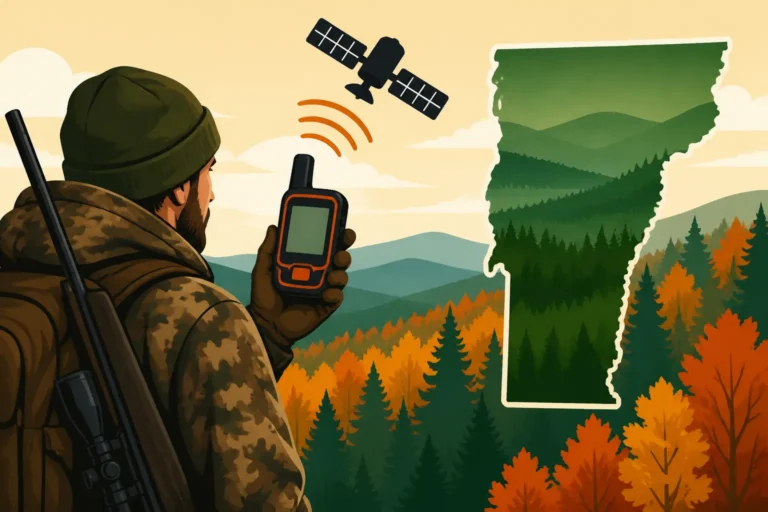
For those of us who spend our days dreaming of Vermont's backcountry, especially the wild, sprawling vastness of the Northeast Kingdom, the challenge of staying connected to our hunting grounds is real. You can scout all you want before the season, but deer and bear patterns change, food sources dry up, and the intel you gathered weeks ago might be ancient history. This guide will walk you through how cellular trail cameras are revolutionizing the way Vermont hunters monitor remote, hard-to-reach areas, giving you eyes on the ground even when you're miles away.
The Unique Challenges of Scouting Remote Northeast Kingdom Land
The Northeast Kingdom (NEK) of Vermont is legendary for its wild character, vast timber tracts, and some of the most remote hunting opportunities in the state. But with that remoteness comes significant challenges for scouting and monitoring wildlife, making traditional methods incredibly time-consuming and often inefficient.
The Sheer Scale and Ruggedness of NEK Terrain
If you've ever strapped on a pack and headed deep into the NEK, you know it's a different beast than the Champlain Valley or even parts of the Green Mountains. We're talking about massive blocks of public land, often characterized by dense softwood thickets, steep ridges, beaver bogs, and vast hardwood forests. It's beautiful, but it's also incredibly demanding to navigate, let alone scout effectively. You can spend an entire day covering just a few square miles, often discovering nothing but your own boot tracks. The scale means that while you might find a hot sign, that deer could be miles away the next day, making consistent monitoring nearly impossible with cameras that require physical visits. This is where tools like Reading Aerial Photos for Green Mountain Deer can help you narrow down spots, but ongoing monitoring is still key.
Limited Access and Time Constraints for Hunters
Most of us have jobs, families, and responsibilities that limit our time in the woods. When you're hunting remote NEK land, a simple camera check can easily turn into an all-day affair, requiring significant travel and physical exertion. Think about the logistics: driving hours to your spot, hiking in with all your gear, checking the camera, swapping cards, and then hiking back out. If you have multiple cameras spread across a large area, it becomes a full-time job. This isn't just about convenience; it's about making the most of your limited pre-season and in-season scouting opportunities. It's one thing to spend a day in the woods, it's another to spend it just retrieving an SD card.
The Need for Constant Eyes on Your Hunting Spots
Wildlife patterns in Vermont, especially for big game like deer and bear, are constantly shifting. Acorns drop, beechnuts ripen, logging operations begin or cease, or a significant cold front moves through. What was a deer hotspot last week might be barren today. Traditional trail cameras only offer a snapshot of activity from your last visit. You're always looking in the rearview mirror, trying to deduce what might be happening now. For the dedicated hunter, having real-time intelligence on deer movement, new bear activity, or even patterns leading up to Hunting the Rut in Early-to-Mid November is invaluable. The ability to react quickly to changing conditions can make or break a hunting season.
What Makes Cellular Trail Cameras a Game-Changer for Remote Vermont Hunting?
Cellular trail cameras have truly reshaped how many of us approach scouting, especially in those vast, remote stretches of the Northeast Kingdom where regular visits are simply not feasible. They offer a direct line from your hunting ground right to your pocket, and that immediate feedback loop is priceless.
How Cellular Cameras Transmit Images and Data
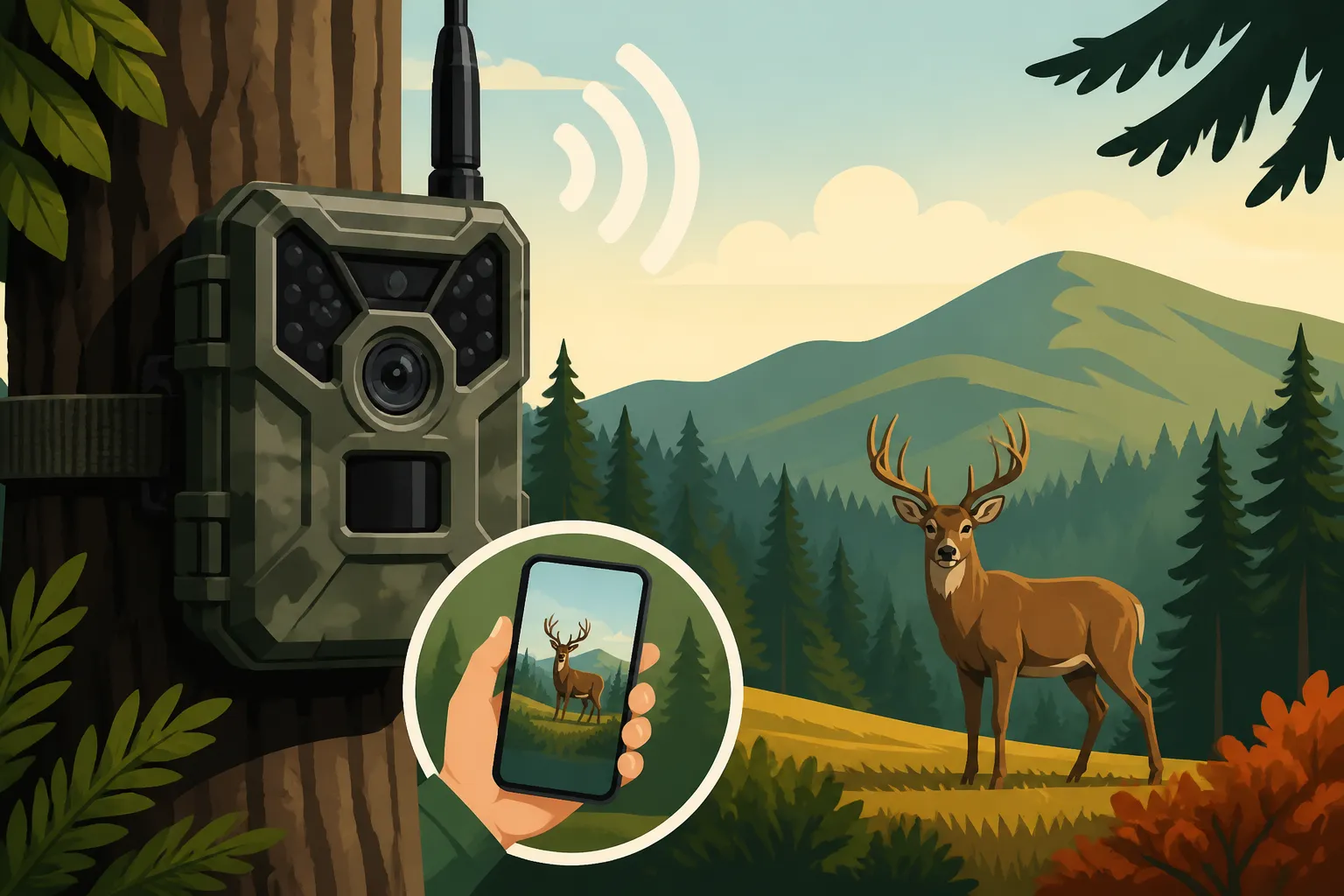
At their core, cellular trail cameras are just like your regular trail camera, but with a critical upgrade: a built-in cellular modem and an antenna. Instead of saving images and videos to an SD card that you physically retrieve, these cameras use a cellular network (like AT&T, Verizon, or sometimes even a multi-carrier option) to transmit that data directly to your phone or computer via a dedicated app or web portal. It's essentially like your camera sending you a text message with a photo attached every time it detects movement. This connectivity means you can be at home, at work, or even scouting a different part of the state, and still know what's happening at your remote stand site in the NEK. This immediate communication loop is what sets them apart and makes them so powerful for remote monitoring.
Overcoming Distance: Monitoring from Afar
This is perhaps the biggest advantage for hunters tackling the expansive, often roadless regions of Vermont's Northeast Kingdom. Imagine having a camera deep in a cedar swamp or on a remote beech ridge that's a two-hour hike from the nearest parking spot. With a traditional camera, checking that spot means sacrificing an entire day, potentially disturbing the area, and burning precious fuel and boot leather. A cellular camera eliminates this need for constant physical presence. You can deploy it, confirm it's sending pictures, and then only return when it's time to swap batteries, retrieve the camera at season's end, or if you actually want to hunt that specific spot. For those planning a Moose Hunting Vermont's Northeast Kingdom trip, being able to monitor a remote clear-cut for moose activity weeks in advance without setting foot there is a massive benefit.
The Real-Time Advantage for Strategic Hunting
The real magic of cellular cameras is the near real-time intelligence they provide. Instead of getting a batch of photos a week late, you're seeing what moved in front of your camera minutes or hours after it happened. Did a mature buck just pass through a funnel at noon? Did a bear hit your bait site an hour before dark? This immediate data allows for incredibly dynamic and strategic hunting decisions. You can see patterns emerging, identify specific animals, and even plan your next hunt based on fresh activity. This isn't just about knowing that deer are there; it's about knowing when they are there, and that information can dictate everything from your entry and exit routes to the exact time you decide to sit a stand. It significantly enhances your ability to be in the right place at the right time.
Essential Features for a Cellular Camera in Vermont's Northeast Kingdom
Choosing the right cellular trail camera for the rugged and often remote conditions of Vermont's Northeast Kingdom isn't like picking one up for your backyard. You need a camera that can stand up to the elements, maintain connectivity, and provide reliable intelligence when you can't be there to babysit it.
Cellular Network Compatibility and Coverage
This is arguably the most critical factor for NEK use. Unlike populated areas, cellular coverage in vast tracts of Vermont public land can be spotty, non-existent, or highly dependent on elevation and specific carriers. You need a camera that is compatible with the cellular network (or networks) that offer the best coverage in your chosen hunting area. Many cameras are tied to a specific carrier (e.g., AT&T, Verizon), while some newer models offer multi-carrier SIM cards or the ability to swap SIMs from different providers. Before you buy, it's essential to research coverage maps for your specific hunting area using tools like those found on the GoHunt app or website, which often overlay cell coverage data. A camera with poor signal is just an expensive traditional camera that drains batteries faster. For remote setups, I've found cameras that can actively search for the strongest available signal or allow for an external antenna can make a huge difference in staying connected.
Power Management and Battery Life in Cold Climates
Remote locations mean you won't be changing batteries every week. The NEK weather can be brutal, with freezing temperatures dramatically impacting battery performance. You'll want a camera known for excellent battery life. Look for models that can run on larger battery arrays (like 8 or 12 AA batteries), or even better, those with external power ports for larger 6V or 12V auxiliary batteries. Solar panel kits, while an initial investment, are a game-changer for truly remote, long-term deployments, as they can continuously charge a rechargeable battery, ensuring your camera stays active through the bitter cold and dark days of late fall and winter. When you're Hunting Into the December Muzzleloader Close, you want your camera still sending intel.
Durability, Weatherproofing, and Camouflage
Vermont's weather is unpredictable. Your camera will face driving rain, heavy snow, freezing fog, and intense sun. A robust, weatherproof housing is non-negotiable. Look for cameras with high IP ratings (like IP66 or IP67) for dust and water resistance. Camouflage is also important, not just for concealment from game, but from other hunters. While most cameras come in standard camo patterns, consider painting or wrapping yours to better blend into the specific tree bark or rock you're mounting it on. You don't want your expensive piece of gear sticking out like a sore thumb, attracting unwanted attention or giving away your honey hole to curious eyes.
Image Quality, Detection Range, and Trigger Speed
While connectivity is king, the core function of a trail camera is still to capture clear images and video. For discerning hunters, good image quality helps with positive ID, especially on antler size or unique markings. Detection range (how far out it can sense motion) and trigger speed (how quickly it takes a picture after sensing motion) are crucial to avoid missed opportunities, especially for fast-moving deer or a big bull moose slowly making its way through a swamp. A slow trigger speed means you often get photos of just the hind end of an animal, which isn't very helpful for scouting. A detection range that matches your typical shot distance is also beneficial, allowing you to gauge where animals might pass in relation to a stand.
| Feature | Importance in NEK | Considerations |
|---|---|---|
| Cellular Coverage | Critical for remote data transmission. | Research carrier maps, consider multi-carrier options or external antennas. Some services like GoHunt offer data plans specifically for cameras. |
| Battery Life | Essential for extended remote deployment. | Look for 8/12 AA battery models, external battery ports, or solar panel compatibility. Consider lithium batteries in cold. |
| Weatherproofing | Non-negotiable against Vermont's harsh elements. | High IP rating (IP66/IP67), robust housing, sealed compartments. |
| Trigger Speed | Prevents missed or partial animal photos. | Fast trigger speeds (under 0.5 seconds) are best for capturing moving game. |
| Detection Range | Ensures game is captured at relevant distances. | Match range to your scouting area; ensures wide coverage without false triggers. |
| Image Quality | Aids in species and individual animal identification. | Good resolution (12MP+), clear night vision (IR flash vs. white flash). |
| Durability | Must withstand bumps, drops, and animal encounters. | Solid construction, secure latching mechanism. |
| Antenna Type | Can be critical for boosting signal. | External, adjustable antenna often improves connectivity in marginal areas. |
Setting Up Your Cellular Camera for Optimal Performance in the NEK
Deploying a cellular trail camera effectively in the vast, wild stretches of Vermont's Northeast Kingdom takes more than just strapping it to a tree. You've got to think strategically about everything from placement to power to ensure you're getting the most out of your investment, especially when you're miles from civilization.
Strategic Placement for Deer and Bear Movement
Where you place your camera is paramount. In the NEK, focus on natural funnels, pinch points, and transition zones where deer and bear are likely to travel. Think about saddles in ridges, creek crossings, edges of beaver swamps, logging roads that cut through dense cover, or the downwind side of known bedding areas. For deer, look for fresh rubs, scrapes, or heavy trails leading to and from recent mast crops. For bear, consider historical travel corridors, active bait sites (if permitted and legal in your area), or areas with significant beech nut or acorn production. You want a clear line of sight, but also natural cover so the camera blends in. If you're targeting specific areas like Working a Creek Bottom for Late-Season Deer, place the camera to capture movement along the entire feature, not just a small section. The GoHunt app can be a great resource for identifying these topographic features and potential travel routes before you even step foot in the woods.
Maximizing Signal Strength in Challenging Topography
This is often the biggest headache when using cellular cameras in remote Vermont. The rolling hills, dense forests, and steep ravines of the NEK can create dead zones and severely impede cellular signals. When placing your camera, try to elevate it slightly, perhaps on a knoll or higher on a tree, to gain a better line of sight to the nearest cell tower. Face the camera (or at least its antenna) towards where you suspect a tower might be, if you know the general direction. Clear away any dense brush directly in front of the antenna. Some cameras allow for external antennas, which can significantly boost signal strength in marginal areas. Before leaving the camera, check the signal strength indicator on the camera itself or through its setup app. Don't assume you have a signal just because you had one on your phone at the parking lot – signal can vary dramatically even over short distances in the NEK.
Powering Your Camera for Extended Deployment
Given the remoteness and often brutal cold of the Northeast Kingdom, you need a robust power strategy. Standard alkaline batteries will drain quickly in cold weather and require frequent replacement. Investing in lithium batteries is a smart move; they perform far better in freezing temperatures and last much longer. For truly long-term deployments, a 6V or 12V auxiliary battery connected via an external power port is ideal. These larger batteries offer significantly more juice. Even better, pair an auxiliary battery with a small solar panel. Position the solar panel to catch as much direct sunlight as possible throughout the day, even in winter. This setup can keep your camera running for months on end, virtually eliminating the need for battery changes and minimizing your disturbance in critical hunting areas. This is especially useful if you're Packing for a Northeast Kingdom Moose Hunt and want to leave cameras out for extended periods.
Troubleshooting and Best Practices for Remote Cellular Camera Use
Even the most advanced cellular trail cameras can run into snags, especially when deployed in the challenging, remote environments of Vermont's Northeast Kingdom. Knowing how to interpret the data you receive, extend battery life, and protect your investment is key to a successful scouting season.
Interpreting Data and Understanding Animal Movement
Receiving hundreds of pictures is one thing; actually making sense of them is another. Don't just scroll through photos; look for patterns. What time of day are animals moving? Are they traveling alone or in groups? What direction are they typically headed? Pay close attention to changes in patterns based on weather, wind direction, or changes in food sources. For example, if you suddenly see a surge in daytime deer activity after a cold front rolls through, that’s valuable information that might lead you to Hunting Deer After a Cold Front. Are you seeing more activity on your GoHunt map around a certain logging cut? Look for consistent buck travel routes, especially during the pre-rut and rut. For bear, note if they're consistently hitting a certain food source or passing through a particular choke point. These insights are far more valuable than just knowing "a deer was here."
Battery Conservation Techniques for Extended Life
Maximizing battery life is crucial when your camera is miles into the NEK backcountry. Here are a few tips:
- Adjust sensitivity: Set the PIR (Passive Infrared) sensor sensitivity to a medium or low setting if you're getting too many "blank" images of waving grass or small birds. This reduces unnecessary triggers and saves power.
- Limit photo bursts: Instead of taking 3-5 photos per trigger, reduce it to 1-2.
- Increase delay: Extend the delay between triggers (e.g., from 1 minute to 5 minutes) so the camera isn't constantly re-triggering on the same animal.
- Manage video settings: Videos consume much more power and data. Unless video is critical, stick to photos. If you do use video, keep the clip length short.
- Transmission frequency: Most cellular cameras allow you to set how often they transmit photos. Instead of instant uploads, schedule transmissions for specific times (e.g., once or twice a day). This conserves power by having the camera activate its cellular modem less frequently.
- Lithium batteries: As mentioned earlier, bite the bullet and buy lithium batteries. They handle cold much better and last significantly longer than alkaline, making them well worth the extra cost for remote deployments.
Security Measures Against Theft and Tampering
Unfortunately, it's a reality that expensive gear left in the woods can sometimes walk away. While the NEK is vast, public land can still see pressure. Take steps to secure your cameras:
- Location, location, location: Hide your cameras off main trails and away from obvious visual lines. Don't place them where they're easily spotted by casual passersby. A good location for Hanging a Stand on a Champlain Valley Field Edge might be too obvious for a camera in the deep woods.
- Camouflage and blend in: Paint your camera to match the bark of the tree you're mounting it on, or use natural foliage to break up its outline.
- Security boxes and cables: Invest in a sturdy steel security box that locks around the camera, and use a python cable lock to secure both the box and camera to a tree. This won't stop a determined thief with bolt cutters, but it will deter opportunistic ones and make it much harder to quickly snatch.
- Elevation: Mount the camera high on a tree, pointing slightly downward. It makes it harder to see, harder to access, and the angle can still capture game effectively. Just make sure you can still reach it for maintenance!
- Don't advertise: Resist the urge to share the exact location of your cameras, even with close friends, unless absolutely necessary. The fewer people who know, the better. This is especially important for areas where you've invested time and effort into Scouting Vermont Public Land Before Season.
Responsible Use and Navigating Regulations for Cellular Cameras in Vermont
While cellular trail cameras offer incredible advantages for scouting, it's crucial for Vermont hunters to use them responsibly and ethically. This isn't just about following the law; it's about respecting the land, the wildlife, and our fellow hunters.
Understanding Vermont's Rules on Trail Cameras
Vermont has specific regulations regarding the use of trail cameras, particularly on public lands. It's not a free-for-all, and these rules are designed to balance hunter activity with conservation and public access. For instance, while generally allowed, there might be specific guidelines about how they are affixed to trees, how long they can remain deployed, and if they can be used in conjunction with baiting (which itself has strict rules in Vermont for deer). It's always your responsibility to consult the current Vermont Fish & Wildlife Department regulations before deploying any camera, especially cellular models. Make sure you're up-to-date on Trail Camera Rules on Vermont Public Land as these regulations can sometimes change. Ignoring these rules can lead to fines, confiscation of gear, and even loss of hunting privileges.
Ethical Considerations and Respect for Wildlife
Beyond the letter of the law, there's an ethical component to using cellular cameras. While they help us scout more efficiently, some argue that constant, intrusive monitoring can add pressure to wildlife, or even diminish the "fair chase" aspect of hunting by eliminating much of the traditional legwork. While the cameras themselves don't directly interfere with an animal, the intel they provide should be used to enhance your hunting strategy, not to exploit animals unfairly. Consider how your actions might impact the animals you pursue. Ensure your camera placement minimizes stress or disturbance to wildlife, and never rely solely on technology to replace true woodsmanship and scouting skills. The goal is to become a more effective hunter, not just a passive observer.
Privacy Concerns on Public and Private Lands
The rise of trail cameras, especially cellular models, also brings up privacy considerations. On public land, while you have the right to deploy cameras according to regulations, be mindful that others also use these lands for recreation. Avoid pointing cameras at popular hiking trails, camping areas, or other places where people expect a reasonable degree of privacy. On private land, the rules are even stricter. You absolutely must have explicit permission from the landowner to place a camera on their property. Placing a camera on someone else's private land without permission is trespassing, plain and simple, and can lead to serious legal repercussions. Always remember that the convenience of technology doesn't override the need for respect for property rights and privacy, whether it's Knocking on Doors in Champlain Valley Farm Country for access or deploying a camera.
Disclaimer
This article is for general informational purposes only and does not constitute professional advice. Laws, prices and regulations vary by location and change over time. Consult a qualified professional for guidance on your specific situation.