Gear for a Vermont Moose Hunt
Drawing a Vermont moose tag is often a once-in-a-lifetime opportunity for many hunters, a true lottery win that sends dreams of the Northeast Kingdom soaring. But once the excitement settles, the daunting reality of pursuing North America's largest deer in Vermont's rugged terrain sets in. This isn't your average whitetail hunt; the scale of the animal, the challenge of the environment, and the sheer effort involved demand a specialized gear list. This guide is dedicated to helping you meticulously assemble the right equipment to not only find your moose but to successfully recover and pack out this incredible animal from the wild reaches of Vermont.
The Grand Challenge of a Vermont Moose Hunt
A Vermont moose hunt isn't just a bigger deer hunt; it's an entirely different beast, literally and figuratively. The landscape, the weather, and the sheer size and temperament of a moose combine to create unique demands on a hunter and their gear. Understanding these challenges is the first step in assembling a kit that will serve you well when that long-awaited tag is finally in hand.
Why Moose Hunting is Different
For many hunters, their experience might be limited to whitetails, which, while challenging, don't prepare you for the scale of a moose. An adult bull moose can easily tip the scales at over a thousand pounds, standing taller than most horses. This incredible size translates into immense power and resilience. A moose hit poorly can travel for miles through the densest thickets, making recovery a monumental task. Unlike deer, moose often don't react to a shot with a dramatic leap or run; they might just stand there for a moment, absorb the impact, and then begin a slow, deliberate walk into deeper cover. This can be deceiving, leading hunters to believe they've missed or made a poor shot when, in reality, the animal is mortally wounded but simply built to withstand more.
The terrain they inhabit also sets them apart. Moose are often found in swampy lowlands, dense regenerating clear-cuts, and remote timber patches that are difficult for humans to navigate. Their long legs allow them to effortlessly traverse bogs and blowdowns that would stop a deer in its tracks, leaving hunters slogging through mud and tangled brush. This requires a different level of physical preparation and, more importantly, gear that can withstand the abuse and perform reliably under stress. You're not just going for a walk in the woods; you're often embarking on an expedition into relatively untouched wilderness.
The Northeast Kingdom's Demands
Vermont's moose hunting is primarily concentrated in the vast and rugged Northeast Kingdom, an area known for its expansive forests, remote bogs, and challenging topography. This region is a mosaic of public and private timberland, often with limited road access once you leave the main arteries. The weather, even during the prime fall season, can be incredibly unpredictable. You might start the day with a crisp, clear morning, only for a thick fog to roll in by midday, followed by an afternoon downpour or even an early-season snow flurry. These dramatic shifts demand versatile layering systems that can adapt quickly to changing conditions.
Furthermore, the dense cover means shots are often taken at relatively close ranges, but tracking a wounded animal can quickly become an endurance test. The bogs and swamps common in the Northeast Kingdom can be chest-deep in places, making recovery a wet, exhausting, and potentially dangerous endeavor. Cellular service is spotty at best in much of the prime moose habitat, making reliable navigation and communication tools absolutely critical. You could be miles from the nearest road or even a hiking trail, and self-sufficiency is not just a good idea – it's a necessity. This is why having robust gear, from your weapon to your boots, is paramount.
Investing in the Right Gear
Considering these challenges, a moose hunt is not the time to skimp on gear. While some items might seem like an extravagance for a whitetail hunt, they become necessities when pursuing a thousand-pound animal deep in the Vermont backcountry. Investing in quality, durable, and reliable equipment upfront can mean the difference between a successful, safe hunt and a frustrating, or even dangerous, experience. Think of your gear as an extension of your preparedness and your commitment to a responsible harvest.
From a rifle chambered for appropriate stopping power to a robust pack frame capable of carrying hundreds of pounds of meat, every item in your kit plays a vital role. Proper footwear that offers support and waterproof protection, layering systems that keep you warm and dry, and navigation tools that ensure you don't get lost are all non-negotiable. Even seemingly minor items like a sharp knife or strong rope become critically important when you're faced with field dressing and Packing Out a Vermont Moose. Don't view these purchases as mere expenses; see them as investments in an experience that few hunters ever get to enjoy.
Rifles and Ammunition: Power and Precision
When it comes to moose hunting, your rifle and ammunition are arguably the most critical components of your gear. Unlike deer, which can be cleanly taken with a wide variety of cartridges, a moose demands a cartridge with significant energy and a bullet designed for deep penetration and controlled expansion. This isn't the place for light loads or varmint rounds; you need something that can reliably anchor a massive animal.
Choosing the Right Caliber for Moose
Selecting the proper caliber for moose is a topic of much debate among hunters, but generally, anything in the .30-06 Springfield class and larger is considered appropriate. While some experienced hunters might argue for smaller calibers with premium bullets, for most, erring on the side of more power is a wise choice. The goal is a quick, humane kill, and a larger, heavier bullet moving at a respectable velocity increases the odds of achieving that.
Popular and effective choices include the .30-06 Springfield, .300 Winchester Magnum, .338 Winchester Magnum, and even larger options like the .375 H&H Magnum. The .30-06, a classic North American cartridge, has taken countless moose and is perfectly capable with the right bullet. However, cartridges like the .300 Win Mag and .338 Win Mag offer a noticeable increase in energy, which can be comforting when faced with a large bull at a quartering angle or if a follow-up shot is needed. Recoil is a consideration, of course, but shot placement always trumps raw power. Practice extensively with your chosen caliber to ensure you can shoot it accurately under pressure.
Here's a quick look at some common and effective calibers for moose:
| Caliber | Common Bullet Weights (grains) | Pros | Cons |
|---|---|---|---|
| .30-06 Springfield | 180-200 | Widely available, excellent penetration with premium bullets, moderate recoil. | May require more precise shot placement on tough angles compared to magnums. |
| .300 Winchester Magnum | 180-200 | Higher velocity and energy than .30-06, flatter trajectory. | Increased recoil, louder muzzle blast, higher ammunition cost. |
| .338 Winchester Magnum | 200-250 | Significant increase in energy and knockdown power, excellent for large game. | Substantial recoil, heavier rifles, limited ammunition choices. |
| 9.3x62mm Mauser | 250-286 | Excellent European big game cartridge, good energy, manageable recoil. | Less common in North America, ammunition can be harder to find. |
| .375 H&H Magnum | 270-300 | Legendary stopping power, reliable on the largest game. | Heavy recoil, very large rifle, overkill for many moose situations. |
Ammunition Selection for Deep Penetration
Once you've settled on a caliber, the specific ammunition you choose is equally, if not more, important. For moose, you need a bullet designed for controlled expansion and maximum weight retention. Standard cup-and-core bullets, while fine for deer, can sometimes fragment excessively or fail to penetrate deeply enough to reach vital organs on a large moose, especially if bone is encountered.
Look for premium, bonded, or monolithic bullets. Examples include Barnes TSX or TTSX, Nosler Partition, Federal Trophy Bonded Tip, Hornady InterBond or CX, and Swift A-Frame. These bullets are engineered to hold together, penetrate deeply through muscle and bone, and expand reliably to create a wide wound channel. A bullet that passes completely through the animal is often ideal, as it creates two holes, allowing for a better blood trail, which can be invaluable when Tracking a Deer in Fresh Green Mountain Snow, or more appropriately, a moose in dense cover. Always test your chosen ammunition in your rifle before the hunt to ensure accuracy and to confirm zero.
Rifle Features and Ergonomics
Beyond caliber, the rifle itself should be robust, reliable, and comfortable to shoot. A synthetic stock is often preferred over wood for a moose rifle, as it's far less susceptible to moisture and temperature changes, which are common in Vermont's variable weather. A stainless steel action and barrel further enhance weather resistance, protecting against rust and corrosion from rain, snow, and the inevitable mud.
Weight is another consideration. While a heavier rifle can help mitigate recoil, a moose hunt often involves significant walking, sometimes through challenging terrain. A rifle that's too heavy can become a burden quickly. Find a balance that allows for comfortable carry and stable shooting. A good quality sling is absolutely essential for hands-free travel through the brush. Finally, ensure the action operates smoothly and reliably. In the excitement of a moose encounter, you want a rifle that functions flawlessly for that critical shot, and potentially a quick follow-up. This is where the reliability of a well-maintained bolt-action shines.
Optics: Seeing Through the Vermont Woods
Vermont's moose country, particularly in the Northeast Kingdom, often means hunting in dense timber, thick regrowth, and dark swamps. While long-range glassing opportunities might be less frequent than in open Western landscapes, quality optics are still indispensable for identifying legal animals, confirming shot placement, and navigating the challenging terrain.
Binoculars for Scouting and Glassing
A good pair of binoculars is your primary tool for scanning cover, evaluating potential moose, and checking for calves if you're targeting a bull. While high magnification might seem appealing, it often comes with a narrower field of view and increased shakiness, which can be detrimental in dense woods. For Vermont moose hunting, a magnification of 8x or 10x with objective lenses in the 42-50mm range offers a great balance of light gathering, field of view, and manageable size.
Look for binoculars with excellent low-light performance, as moose are often most active during dawn and dusk. Features like phase-corrected prisms and fully multi-coated lenses significantly improve brightness, contrast, and color fidelity, helping you pick out the subtle brown hide of a moose against a dark forest background. Waterproofing and fog-proofing are also non-negotiable for hunting in Vermont's often-wet environment. Carrying your binoculars in a quality chest harness can keep them secure, accessible, and protected from the elements while allowing you to move freely through the brush.
Rifle Scopes for Tough Shots
Your rifle scope needs to be as rugged and reliable as your rifle. Given that many moose shots in Vermont might be at closer ranges, sometimes through openings in heavy cover, a scope with a relatively low minimum magnification (e.g., 2-7x, 3-9x, or 2.5-10x) is often ideal. This allows for a wide field of view at close quarters, making it easier to acquire a moving target or find the vitals on a standing moose in thick timber.
Higher maximum magnifications can be useful for precise shot placement at longer distances if an open clear-cut or bog presents itself, but clarity and durability are paramount. Ensure the scope has excellent light transmission for those crucial low-light moments. A simple, robust reticle that doesn't obscure too much of the target is often preferred. Just like your rifle, waterproof and fog-proof construction is a must. Invest in quality scope rings and bases to ensure your zero holds, no matter how much abuse your rifle takes on the hunt. Dialing in your scope and knowing your bullet's trajectory at various ranges is essential, which comes from dedicated practice at the range.
Rangefinders: Closing the Distance
Even in dense woods, a rangefinder can be a valuable tool. While shots might not be at extreme distances, accurately knowing the range to your target can prevent misjudgments, especially when shooting through brush or over varied terrain. A moose is a huge animal, but estimating distances in unfamiliar woods can be surprisingly difficult. A rangefinder removes that guesswork.
Look for a rangefinder that's easy to use with one hand and provides fast, accurate readings. Models with angle compensation are particularly useful in the rolling hills of Vermont, as they calculate the "holdover" distance for uphill or downhill shots. Just like other optics, waterproofing and rugged construction are important. While not always used for every shot, having a reliable rangefinder available provides an extra layer of confidence when that once-in-a-lifetime opportunity presents itself. It's a small piece of gear that can make a big difference in ensuring ethical shot placement.
Packing for the Backcountry: Hauling In and Out
Successfully harvesting a moose is only half the battle; the real work begins when it's time to get the animal out of the woods. A moose, especially a bull, represents hundreds of pounds of meat and bone, often in remote, difficult terrain. Your packing and hauling gear needs to be up to the monumental task. This is where many hunters underestimate the challenge, and proper planning can save you immense effort and potential loss of meat.
Backpacks: Capacity and Comfort
For the hunt itself, you'll need a robust daypack or a small overnight pack, depending on how far you plan to venture from camp or your vehicle. This pack needs to comfortably carry your daily essentials: extra layers, food, water, first aid, navigation tools, and perhaps a small saw or ax. It should be durable, weatherproof, and fit well to distribute weight evenly, as you'll be putting in a lot of miles. Features like external pockets for quick access to essentials and a hydration bladder sleeve are often appreciated.
However, once a moose is down, that small pack isn't going to cut it for meat transport. You'll need a dedicated pack frame or a large expedition-style hunting pack with a robust internal or external frame system. These packs are designed to carry heavy, awkward loads. Look for frames that can detach from the bag, allowing you to strap quarters directly to the frame, minimizing bulk and maximizing stability. The suspension system – hip belt and shoulder straps – must be heavily padded and adjustable to comfortably bear loads of 100+ pounds. This is an area where investing in a high-quality, purpose-built hunting pack pays dividends. Brands like Kifaru, Mystery Ranch, and Stone Glacier are well-regarded for their load-hauling capabilities.
Meat Hauling Systems: Game Carts and Frames
While a good pack frame is essential for breaking down the moose into manageable quarters and getting them to a more accessible location, other tools can help with the final extraction. A heavy-duty game cart can be an absolute lifesaver if you're lucky enough to drop a moose near a relatively flat logging road or a clear-cut with minimal obstacles. These carts are essentially two-wheeled trolleys designed to carry heavy game over uneven terrain. Look for models with large, pneumatic tires that can handle roots, rocks, and mud.
However, don't rely solely on a game cart. In much of Vermont's true moose country, a cart might be useless due to thick brush, bogs, or extremely steep terrain. This is where the pack frame truly shines. You and your hunting partners will likely be making multiple trips, each carrying a heavy quarter on your back. Best Backpack Frame for a Quartered Moose is a great resource if you're considering specific models. Having strong ropes or heavy-duty straps to secure the quarters to your frame is also critical. Sometimes, you might even need to build a makeshift sled or drag to get a heavy quarter through deep snow or mud for a short distance before it can be packed.
Knives and Field Dressing Tools
The right set of knives and field dressing tools is non-negotiable for a moose hunt. You'll be doing a lot of cutting, and dull knives or flimsy tools will only make the process more difficult and dangerous. Start with at least two or three very sharp, high-quality knives. A good fixed-blade knife with a 4-5 inch blade is essential for skinning and basic butchering. A smaller, finer blade can be useful for detailed work. Many hunters also carry a robust folding knife as a backup.
Beyond knives, a bone saw is absolutely critical. A moose pelvis or sternum is massive, and trying to cut through it with a knife is nearly impossible and certainly unsafe. A compact, sturdy bone saw will make quick work of these areas, allowing for proper field dressing and quartering. You'll also want a sharpening stone or a portable sharpener to keep your blades razor-sharp throughout the process. Don't forget heavy-duty game bags to protect the meat from dirt, insects, and debris while it's being transported. These bags allow the meat to cool while keeping it clean. Finally, a pair of surgical or rubber gloves will keep your hands clean and hygienic during the field dressing process. Refer to Knives and Processing Gear for Field Dressing for more detailed advice on selecting the right tools.
Apparel and Layering: Battling Vermont's Elements
Vermont weather during moose season is famously unpredictable. One day can be warm and sunny, the next cold and rainy, with potential for snow. Proper apparel and a strategic layering system are absolutely crucial for comfort, safety, and ultimately, success in the field. Staying dry and maintaining your core temperature is paramount when spending long days in the backcountry.
Base, Mid, and Outer Layers
The key to adapting to Vermont's changing conditions is a versatile layering system.
- Base Layer: This is worn directly against your skin and its primary job is to wick moisture (sweat) away from your body. Merino wool or synthetic fabrics are excellent choices. Avoid cotton at all costs, as it absorbs moisture and loses its insulating properties when wet, leading to rapid cooling. A lightweight base layer is good for active periods, while a mid-weight can be useful for colder conditions or slower hunts. Best Base Layer for a Cold September Sit might seem specific to deer, but the principles apply directly to early season moose.
- Mid Layer: This layer provides insulation. Fleece jackets, lightweight down or synthetic insulated jackets, or heavier merino wool sweaters work well. You should be able to easily add or remove this layer based on your activity level and the ambient temperature. When you're still-hunting or sitting, you'll want more insulation; when you're hiking hard, you'll shed it to prevent sweating.
- Outer Layer: This is your protective shell against wind and precipitation. It needs to be waterproof, breathable, and durable enough to withstand brush and briars. Look for jackets and pants made from Gore-Tex or similar high-performance waterproof/breathable membranes. This layer might not offer much insulation on its own, but it protects your inner layers from getting wet, which is critical for staying warm. Having both an insulated outer layer (for cold, dry days) and a separate rain shell (for wet days) offers maximum versatility.
Footwear and Traction for Varied Terrain
Your feet will take a beating on a moose hunt, making high-quality footwear a non-negotiable item. You need boots that offer excellent ankle support, waterproof protection, and aggressive traction for navigating uneven, often wet, and slippery terrain.
- Waterproofing: This is paramount. Look for boots with Gore-Tex or similar waterproof membranes. Moose often frequent swampy, wet areas, and wet feet will quickly lead to discomfort, blisters, and potential hypothermia in cold weather.
- Support and Stability: High-cut boots (8-10 inches) provide crucial ankle support, protecting you from sprains on uneven ground, especially when carrying a heavy pack. A stiff sole will also help with stability and reduce foot fatigue over long distances.
- Traction: Aggressive outsoles with deep lugs are essential for gripping mud, slippery rocks, and wet leaves.
- Insulation: While you might not need heavily insulated boots for an early-season hunt, some light insulation can be beneficial for cooler October days. For late-season hunts, more insulation will be necessary.
- Fit: Try on boots with the socks you'll be wearing. Ensure a snug fit without being too tight, and walk around extensively. Break them in well before the hunt to prevent blisters. Boots for Green Mountain Ridge Terrain offers valuable insights applicable to any deep woods hunting in Vermont.
Staying Dry and Warm in Inclement Weather
Beyond your primary layering system, several additional items can make a significant difference in comfort and safety. A good quality waterproof hat with a brim will keep rain out of your eyes and off your neck. Waterproof gloves are also essential, as cold, wet hands quickly lose dexterity and can become painful. Consider a thin pair of liner gloves for warmth and a robust, waterproof outer glove or mitten to pull over them.
Wool socks are superior to cotton for warmth, moisture-wicking, and blister prevention. Carry multiple pairs and change them if your feet get wet. A small, lightweight packable rain jacket or poncho can be a good backup to your main rain gear, or simply an additional layer to throw on during a sudden downpour. Remember, being cold and wet saps your energy and morale, making sound decision-making more difficult. Preparing for the worst weather Vermont can throw at you will ensure you're ready for anything.
Navigation, Safety, and Communication: Your Lifelines
Moose country is often remote, and getting lost or encountering an emergency can have serious consequences. Reliable navigation, communication, and safety gear aren't just accessories; they are vital lifelines that ensure you can find your way and call for help if needed. Never head into the Vermont backcountry without a solid plan and the right tools.
GPS and Digital Mapping Tools
Even if you're an expert woodsman, a GPS unit or a reliable smartphone mapping app is an absolute must. The dense forests of Vermont can quickly disorient you, and terrain features that look distinctive on a map can blend together on the ground.
- Dedicated GPS Device: A handheld GPS unit offers reliable service even without cellular reception, and its battery life is usually superior to a phone. These devices are rugged, waterproof, and designed for outdoor use. Learn how to mark waypoints, track your route, and navigate back to specific locations (like your vehicle or a downed moose).
- Smartphone Apps: Apps like GoHunt (a fantastic resource for hunters, particularly when planning and scouting specific areas) or onX Hunt transform your smartphone into a powerful mapping device. They provide detailed topographic maps, aerial imagery, and property boundaries, allowing you to see exactly where you are and navigate safely. Crucially, download offline maps for your hunting area before you leave service. GPS and Mapping Apps for Vermont Public Land further emphasizes the importance of these tools. Always carry a portable power bank to recharge your phone, as cold weather and constant GPS use can quickly drain its battery.
Satellite Communicators and Emergency Gear
As mentioned, cellular service in Vermont's moose country is often non-existent. A satellite communicator is a critical piece of safety gear that allows you to send and receive text messages and, most importantly, send an SOS signal to emergency services, even when miles from civilization. Devices like Garmin inReach or Zoleo are relatively compact and offer peace of mind.
Beyond communication, always carry essential emergency gear:
- Fire Starting Kit: Waterproof matches, a lighter, and a ferro rod with some tinder are crucial for signaling or staying warm in an emergency.
- Emergency Shelter: A lightweight space blanket, emergency bivy sack, or even a large garbage bag can provide temporary shelter from the elements.
- Signaling Device: A whistle and a signal mirror can attract attention from rescuers.
- Headlamp: A powerful headlamp with spare batteries is essential for navigating in the dark, whether you're heading back to camp or working on a downed moose after sunset. Best Headlamp for a Pre-Dawn Ridge Climb provides more details.
First Aid and Survival Essentials
A comprehensive first aid kit is not optional. You should be prepared to treat common hunting injuries like cuts, blisters, sprains, and minor burns. Include pain relievers, bandages, antiseptic wipes, gauze, medical tape, and any personal medications you might need. Consider taking a wilderness first aid course to feel more confident in handling emergencies far from help.
Beyond the kit itself, carrying a few basic survival items can be a game-changer:
- Water Filter/Purifier: A small, lightweight water filter or purification tablets ensure you have access to safe drinking water, preventing dehydration.
- Extra Food: High-energy snacks like granola bars, nuts, and jerky can sustain you if you get delayed or have to spend an unexpected night out.
- Knife: Your hunting knife serves as a survival tool.
- Cordage: A length of paracord or strong rope has countless uses, from tying gear to building a shelter.
- Knowledge: The most important survival tool is your brain. Knowing basic survival skills – how to build a fire, find shelter, and signal for help – is invaluable.
Camp and Supplementary Gear: Sustaining the Effort
A moose hunt can often involve multi-day excursions into remote areas, necessitating a comfortable and functional camp setup. Even if you're largely day-hunting from a vehicle, certain supplementary gear can make your time in the field more productive and enjoyable. This gear focuses on comfort, sustainability, and specific moose-hunting aids.
Shelter and Sleeping Systems for Remote Hunts
If your strategy involves spike camping deep in the moose woods, your shelter and sleeping system need to be robust and lightweight.
- Tent or Tarp: A lightweight, three- or four-season backpacking tent designed for adverse weather is ideal. Look for models that can withstand strong winds, heavy rain, and even early snow. If you're going ultra-light, a durable tarp and bivy sack can provide adequate protection. Ensure your tent has good ventilation to minimize condensation, which can be a real issue in damp Vermont conditions.
- Sleeping Bag: Your sleeping bag needs to be rated for temperatures well below what you expect, especially if hunting in October or November. Nights in the Northeast Kingdom can drop significantly, even after warm days. A synthetic bag performs better when wet than down, though modern hydrophobic down bags are also excellent.
- Sleeping Pad: Don't underestimate the importance of a good sleeping pad. It not only provides comfort but, more importantly, insulates you from the cold ground, which can suck heat from your body surprisingly quickly. Inflatable pads offer excellent insulation and comfort for their weight.
Remember to consider the combined weight and bulk of your shelter system when planning your pack. Every ounce counts when you're hiking into remote country.
Cooking and Hydration in the Field
Proper nutrition and hydration are vital for maintaining energy and focus during strenuous hunting days.
- Portable Stove and Fuel: A compact backpacking stove and fuel canister will allow you to heat water for coffee, tea, rehydrated meals, or warm soups, which can be incredibly morale-boosting on a cold morning or evening. Look for reliable, lightweight models that are easy to operate.
- Cookware: A single pot or small cooking system is often sufficient for one or two hunters. Titanium or anodized aluminum cookware is lightweight and durable.
- Food: Pack calorie-dense, easy-to-prepare meals. Dehydrated backpacking meals are excellent for remote camps due to their light weight and quick preparation. Supplement with high-energy bars, jerky, nuts, and dried fruit for snacks throughout the day.
- Water Bottles/Hydration Bladder: Carry sufficient water for your daily needs. A hydration bladder makes it easy to sip water throughout the day without stopping. Always carry a backup purification method like a filter or tablets, even if you fill up from a trusted source, as discussed in Best Water Filter for a Backcountry Moose Camp.
Calls and Other Moose-Specific Aids
While moose hunting might not immediately bring calling to mind for every hunter, calling can be highly effective, especially during the rut.
- Moose Calls: Learning to mimic a cow in heat or a bull raking brush can draw in curious or aggressive bulls. Bugles, cow calls, and even a "rattle paddle" (a shoulder blade used to simulate antler rubbing) are common tools. Practice these calls extensively before the hunt to sound authentic. Calling a Bull Moose Into Range delves deeper into these techniques.
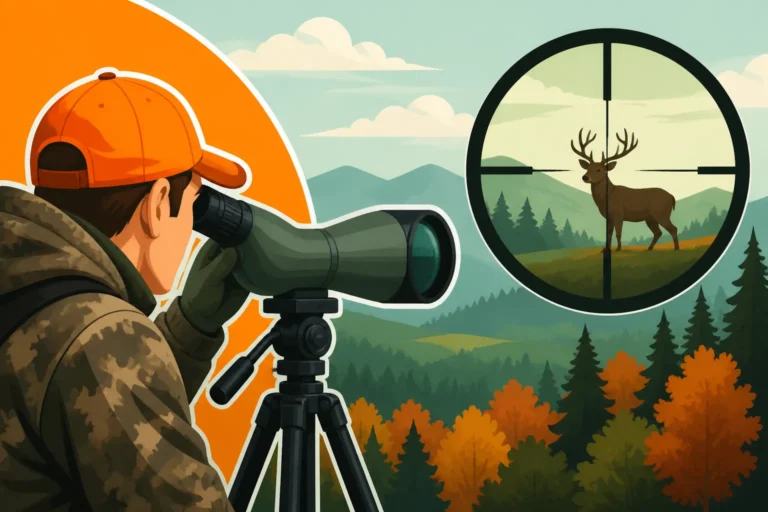
- Binoculars and Spotting Scope: While already covered under optics, they deserve a mention here for their specific use in long-range glassing of clear-cuts, especially in areas where you might be Glassing a Clear-Cut for a Bull Moose. A quality spotting scope on a lightweight tripod can help you identify a legal bull from a great distance, saving you miles of walking.
- Heavy-Duty Rope or Tie-Downs: These aren't just for packing out meat. They can be invaluable for securing gear, dragging a downed animal a short distance, or even helping to pull yourself up a steep embankment.
- Small Ax or Folding Saw: Beyond a bone saw for field dressing, a small, packable ax or folding saw can be useful for clearing shooting lanes, cutting firewood for a survival fire, or processing small trees around camp.
Pre-Season Preparation and Maintenance
Having the right gear is only half the battle. The other half is ensuring it's all in top working order, you know how to use it, and you're physically ready for the demands of a Vermont moose hunt. Pre-season preparation isn't just a suggestion; it's a critical step that ensures safety, efficiency, and success.
Testing and Familiarizing with Your Kit
Don't wait until opening day to discover your boots pinch, your pack rubs, or your rifle isn't zeroed.
- Shooting Practice: Spend ample time at the shooting range with your moose rifle and chosen ammunition. Practice shooting from various field positions – standing, kneeling, sitting, and off a pack – not just from a bench rest. Practice quick target acquisition and follow-up shots. You need to be confident in your ability to make a clean, ethical shot under pressure.
- Gear Shakedown Hikes: Load your hunting pack with the weight you expect to carry on the hunt (or even more) and go for several challenging hikes. This will break in your boots, help you identify any rubbing points on your pack, and allow you to fine-tune its fit. It's also a great way to test your layering system in different conditions and ensure all your gear (like your GPS and headlamp) functions as expected.
- Field Dressing Practice: If you're new to field dressing large animals, consider watching instructional videos or even practicing on a deer or a hog if the opportunity arises. Familiarize yourself with the anatomy and the steps involved. The first time you're breaking down a massive moose in the woods is not the time to learn the basics.
Physical Conditioning for the Hunt
A Vermont moose hunt is physically demanding, perhaps one of the most challenging hunts in North America, particularly when recovery is factored in. Don't underestimate the physical exertion required.
- Cardiovascular Endurance: Focus on activities that build your cardio, such as hiking, running, cycling, or swimming. You'll be covering miles of uneven terrain, often with elevation changes.
- Strength Training: Emphasize core strength, leg strength, and back strength. Carrying heavy packs, dragging game, and navigating obstacles will test these muscle groups. Incorporate squats, lunges, deadlifts, and farmer's carries into your routine.
- Hiking with a Pack: As mentioned, doing shakedown hikes with a weighted pack is excellent specific training. Simulate hunting conditions by walking up and down hills.
- Flexibility and Mobility: Good flexibility can help prevent injuries like strains and sprains, which can quickly end a hunt.
Start your physical preparation months in advance of your hunt. Being in peak physical condition will not only make the hunt more enjoyable but will also increase your chances of success and safety.
Gear Maintenance and Longevity
Proper care for your gear ensures it lasts season after season and performs when you need it most.
- Clean and Store: After each use, clean your rifle, optics, and knives. Dry all apparel thoroughly before storing. Remove batteries from electronics to prevent corrosion.
- Repair as Needed: Address any minor repairs immediately. Stitch small tears in your pack or clothing, replace worn boot laces, or fix a sticky zipper. Don't let small issues become big problems in the field.
- Waterproofing: Re-treat your waterproof apparel and boots regularly. DWR (Durable Water Repellent) coatings on outer layers wear off over time, and boots can lose their waterproofing effectiveness.
- Check Expiration Dates: For items like first aid supplies, food, and fire starters, check and refresh any items that might have expired or degraded.
A successful Vermont moose hunt is truly a bucket-list experience, and being thoroughly prepared with the right gear, and the knowledge to use it, is your best guarantee of making those dreams a reality. From the moment you pull that coveted Vermont Moose Permit Cost for Residents tag, every piece of gear on this list contributes to your ultimate success.
Disclaimer
This article is for general informational purposes only and does not constitute professional advice. Laws, prices and regulations vary by location and change over time. Consult a qualified professional for guidance on your specific situation.