Best Snowshoes for Late-Season Tracking
There's nothing quite like the late season in Vermont. The woods are quiet, a hush falls over the landscape, and the distinct crunch of snow underfoot tells a story all its own. But let's be honest, chasing whitetails or even looking for shed antlers in deep snow without the right gear can turn a fantastic day into an absolute suffer-fest. This guide is here to walk you through why snowshoes are an absolute game-changer for late-season tracking in Vermont and how to pick the perfect pair to keep you comfortable, quiet, and effective in the winter woods.
Why Snowshoes are Absolutely Essential for Vermont's Late-Season Hunts
When the snow starts piling up in Vermont, your regular hunting boots simply won't cut it for extended periods of tracking. You'll find yourself post-holing with every step, sinking up to your knees, and burning through energy at an alarming rate. It's not just about comfort; it's about efficiency, safety, and ultimately, success in the field.
Navigating Vermont's Unpredictable Winter Landscape
Vermont winters are beautiful, but they're rarely predictable. One day you might have a light, fluffy powder blanketing the Green Mountains, perfect for reading fresh deer sign. The next, a warm front followed by a hard freeze can turn that powder into an impenetrable crust that's either impossibly slick or breaks just enough to catch your leg. Then there are those days when the snow is just plain deep, especially in the higher elevations or after a big storm has rolled through the Northeast Kingdom. Trying to push through this without proper flotation is an exhausting endeavor.
Imagine you've just picked up a hot track, perhaps a nice buck that's been Late-Season Food Sources for Vermont Whitetails. You're moving through a spruce thicket, the snow is two feet deep, and every step is a lunge. Your quads are burning, your shins are aching from constantly breaking through the crust, and you're making enough noise to spook every critter in the county. Snowshoes distribute your weight over a much larger surface area, allowing you to "float" on top of the snow, or at least significantly reduce the depth of your sink. This isn't just about making it easier; it's about making it possible to cover ground and stay in the pursuit. It means you can push deeper into areas that would otherwise be inaccessible, opening up more untouched territory.
The Undeniable Advantage of Stealth and Endurance
Hunting in late season, especially when you're focusing on Tracking a Deer in Fresh Green Mountain Snow, demands a particular kind of patience and perseverance. One of the biggest challenges is simply moving quietly. Post-holing through deep snow is not only loud but incredibly fatiguing. Every time you sink and pull your leg out, you're expending precious energy and creating unnecessary noise. This can quickly drain your reserves, making long tracks or all-day sits incredibly difficult.
Snowshoes, when chosen correctly, allow for a much smoother, more controlled stride. This means less effort with each step, which translates directly into more endurance throughout the day. You'll find you can cover more ground, remain on the track for longer, and stay alert when you finally close the distance. Moreover, the quieter movement that comes with proper flotation can be a huge asset. When you're trying to sneak through a thick spruce stand or along a frozen beaver flowage, minimizing your audible footprint is crucial. You might find resources on platforms like GoHunt that emphasize the importance of quiet movement in tracking, and snowshoes are a primary tool for achieving that in winter. They become an extension of your body, letting you glide over the snow rather than fight through it, preserving your energy for the shot, or for the long drag out of a steep ravine.
Decoding the Features: What Makes a Great Tracking Snowshoe for Vermont?
Not all snowshoes are created equal, especially when you're looking for a pair specifically for hunting and tracking. What works for a casual hike on a groomed trail might leave you struggling when you're trying to traverse a steep, icy hillside or push through untracked powder.
Flotation and Size: The Key to Staying on Top of the Snow
The primary function of a snowshoe is to provide flotation, which is directly related to its surface area and your total weight. When we talk about "total weight," we're not just talking about your body weight; it includes all your gear, your rifle or bow, your backpack, and potentially the added weight of a quartered deer if you're fortunate enough to make a recovery. Many snowshoe manufacturers provide weight charts, and it’s always wise to err on the side of slightly more flotation for hunting in Vermont's variable conditions.
For deep, soft powder that you might encounter when Hunting Into the December Muzzleloader Close in higher elevations or after a fresh dump, larger snowshoes are usually better. A wider, longer deck provides maximum displacement. However, larger snowshoes can be cumbersome in dense timber or brush, which Vermont has in spades. This means you often need to strike a balance between ample flotation and maneuverability. A good starting point for a typical adult hunter with a loaded pack is often a 25-inch to 30-inch model, but always check the manufacturer's weight rating. If you’re a heavier hunter or carrying a particularly heavy load for an overnight trip, consider a 30-inch or even 36-inch option. The frame material also plays a role here; lighter frames reduce overall weight, which can make a longer snowshoe feel less cumbersome.
Traction and Control: Conquering Icy Slopes and Deep Drifts
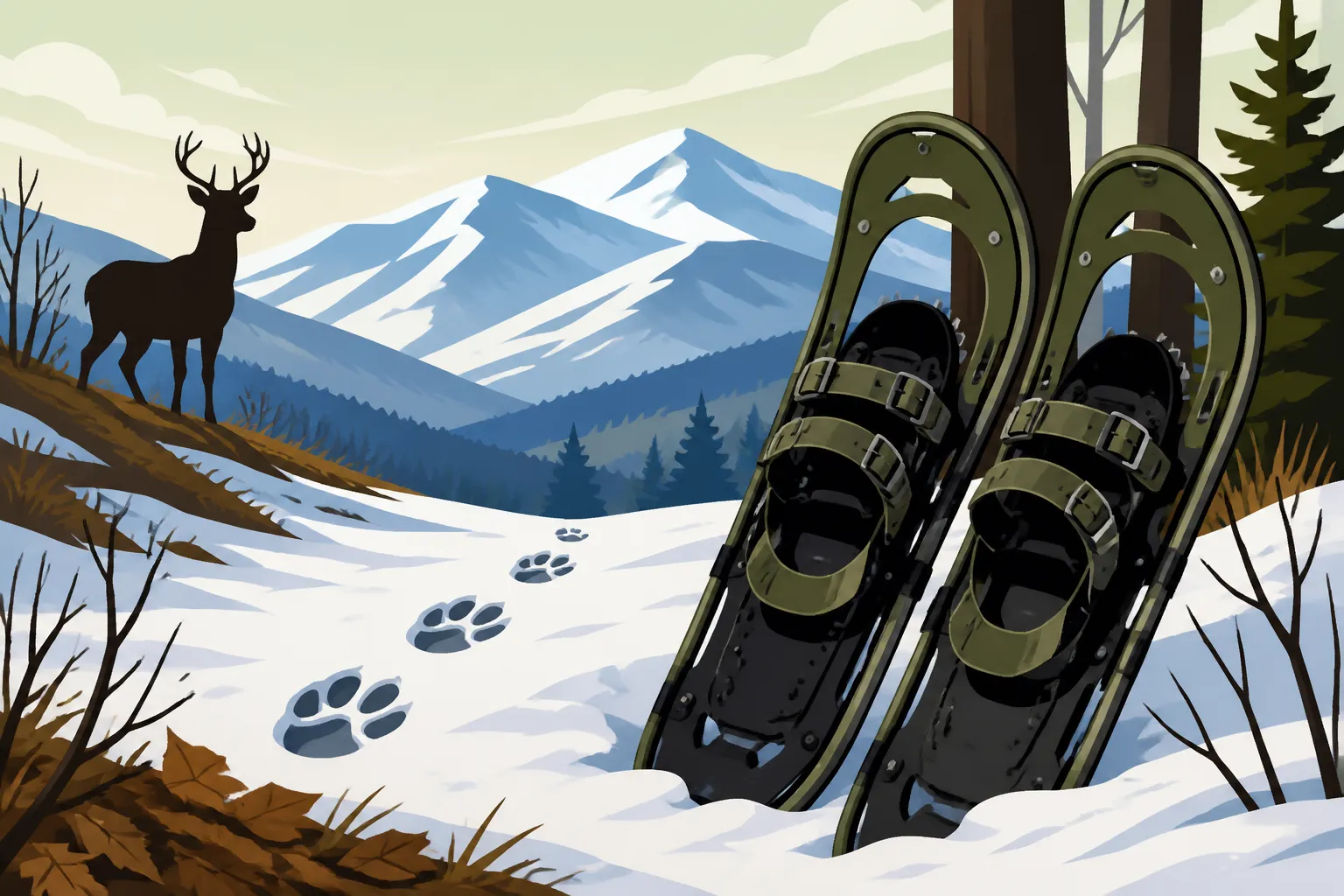
Flotation gets you across the snow, but traction keeps you from sliding down a slippery slope or losing your footing on an icy patch. This is where the crampons, or "claws," on the underside of the snowshoe come into play. For serious tracking in Vermont, you'll want aggressive crampons—both under the ball of your foot (known as the toe crampon) and under the heel (heel crampon). These should be made of durable steel and have sharp, serrated edges to bite into ice and hardpack.
Beyond the main crampons, many quality tracking snowshoes also incorporate side rails or traction bars along the frame. These help prevent lateral slipping when traversing a sidehill, which is a common scenario when Still-Hunting Green Mountain National Forest Timber or following a contour. Some models also feature braking bars or patterns molded into the deck material itself, which provide additional grip when descending. When you're picking your way through a frozen ravine or trying to maintain control on a slick, wind-scoured ridge, this kind of multi-directional traction is absolutely critical. You want to feel confident in your footing, even when conditions are less than ideal. This robust traction system is what allows you to confidently navigate terrain that would be treacherous in just boots.
Bindings and Frames: Comfort, Durability, and Reliability
The binding system is where your boot connects to the snowshoe, and its importance cannot be overstated. A poor binding can lead to discomfort, instability, and even failure in the field. For hunting, you need bindings that are:
- Secure: They should hold your boot firmly in place, preventing excessive heel lift or sideways movement, which causes fatigue and blisters.
- Adjustable: You'll be wearing insulated Best Boots for Green Mountain Ridge Terrain, possibly with thick socks, so the bindings need to accommodate various boot sizes and styles. Easy adjustment, even with gloved hands, is a huge plus, especially on a cold morning.
- Durable: Plastic straps can become brittle in extreme cold. Look for robust, cold-weather-resistant materials like urethane or hypalon, often with glove-friendly buckles or ratchets.
Many top-tier snowshoe brands utilize a combination of toe and heel straps, sometimes with a full-foot cradle, to ensure a snug fit. Some feature a pivot system that allows your foot to move naturally while keeping the tail of the snowshoe on the ground, which is excellent for shedding snow.
The frame material is another crucial consideration. Traditional snowshoes often feature an aluminum frame, which is lightweight and strong. Modern composite snowshoes, often made from specialized plastics, offer impressive durability and can sometimes be quieter on hard snow. They also tend to shed snow more easily than some fabric-decked aluminum frames. When hunting, especially in dense woods, your snowshoes are going to take a beating. They'll scrape against trees, get wedged in brush, and endure abrasive conditions. A robust, well-constructed frame, whether aluminum or composite, is vital for long-term reliability. Platforms like GoHunt often feature discussions or reviews from experienced hunters on the durability of various gear, including snowshoes, which can be a valuable resource in making your choice.
Choosing the Right Snowshoe for Your Vermont Winter Hunt
Selecting the perfect pair of snowshoes means thinking about where you’ll be hunting, what the snow typically looks like there, and what your physical demands will be. Vermont's landscape offers a wide variety of conditions, and a "one-size-fits-all" approach rarely works best for the dedicated hunter.
Tailoring Your Choice to Specific Snow Conditions and Terrain
Vermont offers everything from vast, deep snow expanses in the northern reaches to crusty, wind-swept ridges in the higher elevations of the Green Mountains. Your snowshoe choice should reflect these anticipated conditions:
- For Deep Powder in the Northeast Kingdom: If you're planning on venturing into the truly remote and deep snow areas, perhaps Hunting a Drawn Moose Zone in the Northeast Kingdom in a late-season snowstorm or Cold-Weather Sitting Strategy in the Northeast Kingdom, you'll want snowshoes with maximum flotation. This means larger sizes, likely in the 30-inch to 36-inch range for most adults. Look for models with a slightly wider profile to keep you on top of the softest snow. The GoHunt community might share experiences about what works best in specific remote areas, emphasizing flotation over extreme maneuverability.
- For Icy Crust and Hardpack in the Green Mountains: When the snow has melted and refrozen, or the wind has scoured the ridgelines, traction becomes paramount. For these conditions, often encountered when Hunting a Ridge-Top Saddle for Rutting Bucks in late season or traversing icy slopes, prioritize aggressive crampons and robust side rails. A slightly narrower profile can actually be an advantage here, allowing for precise foot placement on uneven, frozen terrain. You'll need models designed for mountaineering or backcountry travel, as they offer superior grip.
- For Mixed Conditions and Varying Depths: Most Vermont hunts will involve a mix of conditions – some soft snow in the valleys, icy patches on north-facing slopes, and possibly heavy, wet snow. A versatile, all-around snowshoe in the 25-inch to 30-inch range, with good flotation and aggressive traction, is often the best compromise. These "do-it-all" models are excellent for hunters who might be Reading a Green Mountain Deer Yard one day and then Working a Connecticut River Bottomland Funnel the next, where conditions can vary wildly. They strike a balance that allows you to adapt to most situations without being overly specialized.
Considering Your Weight, Gear, and the Length of Your Pursuit
When looking at snowshoe specifications, always remember to account for your total carrying weight. This includes your body weight, plus all your clothing, backpack, water, food, rifle, ammunition, and any other gear you carry. If you're like me, that can add up quickly! Most snowshoe manufacturers list a maximum recommended weight. It’s almost always better to choose a snowshoe rated for slightly more than you anticipate needing. That little bit of extra flotation can make a world of difference when you encounter unexpectedly deep powder or if you end up having to pack out a deer.
The length of your pursuit also matters. Are you just heading out for a quick half-day track near your truck, or are you planning an all-day excursion deep into public land, perhaps looking for Shed Hunting on Vermont Public Land? For shorter, lighter trips, you might get away with slightly less aggressive snowshoes. But for those epic, all-day treks where you're covering miles in challenging terrain, investing in premium snowshoes that offer superior comfort, durability, and performance will pay dividends in reduced fatigue and increased safety. Remember, when you're far from the trailhead, gear failure is not an option.
Essential Accessories and Maintenance for Peak Performance
Even the best snowshoes can benefit from a few key accessories and proper care to ensure they perform season after season:
- Trekking Poles: These are absolutely invaluable for stability, balance, and reducing strain on your knees and back, especially on uneven terrain or when carrying a heavy pack. They help you maintain rhythm and can act as probes for testing snow depth. Always use them with basket attachments to prevent them from sinking too deep.
- Gaiters: These are a must-have to keep snow out of your boots and off your pant legs, keeping you dry and warm.
- Post-Hunt Care: After each outing, it’s crucial to clean your snowshoes, especially the bindings and crampons, to remove any dirt, mud, or corrosive road salt. Let them air dry completely before storing them in a cool, dry place. This prevents rust on metal components and keeps bindings flexible. Regularly inspect all straps, buckles, and rivets for wear and tear, replacing anything that looks compromised. A quick check of your gear, perhaps following a guide you found on GoHunt, can prevent unpleasant surprises next season.
Choosing the right snowshoes for late-season tracking in Vermont isn't just about buying a piece of gear; it's about investing in your comfort, safety, and ultimately, your success in the winter woods.
| Snowshoe Type | Primary Use Case in Vermont | Key Features | Ideal Terrain/Snow Condition | Pros | Cons |
|---|---|---|---|---|---|
| Backcountry/Mountain | Deep powder tracking, steep terrain, icy ascents/descents | Aggressive crampons (toe & heel), side rails, durable bindings, robust frame | Northeast Kingdom backcountry, Green Mountain ridges, icy slopes | Excellent traction, superior flotation in deep snow, very durable | Heavier, less nimble in dense brush, can be more expensive |
| Hunting Specific | Versatile tracking, moderate-to-deep snow, varied terrain | Good flotation, aggressive crampons, quiet design, durable bindings, camo options | Mixed hardwoods, conifer thickets, logging roads, varied snow | Good balance of flotation & traction, often quieter materials | May not excel in extreme icy or deepest powder conditions |
| Recreational/Trail | Light snow, groomed trails, casual winter walks | Moderate flotation, less aggressive crampons, simpler bindings | State parks with packed trails, lighter snow cover | Lightweight, affordable, easy to use | Insufficient traction for steep/icy terrain, poor flotation in deep snow |
Disclaimer
This article is for general informational purposes only and does not constitute professional advice. Laws, prices and regulations vary by location and change over time. Consult a qualified professional for guidance on your specific situation.