Knocking on Doors in Champlain Valley Farm Country
For many hunters in Vermont, the dream of consistently tagging mature deer often leads them away from crowded public lands and into the quiet corners of private property. But how do you get access to those coveted farm fields and woodlots in prime areas like the Champlain Valley? The thought of knocking on a stranger's door can feel intimidating, even outright terrifying for some, yet it remains one of the most effective ways to unlock incredible hunting opportunities. This guide is here to walk you through the process, offering practical steps and a realistic outlook on how to successfully gain hunting permission in Vermont's rich agricultural landscapes.
Why Private Land in the Champlain Valley is a Game Changer
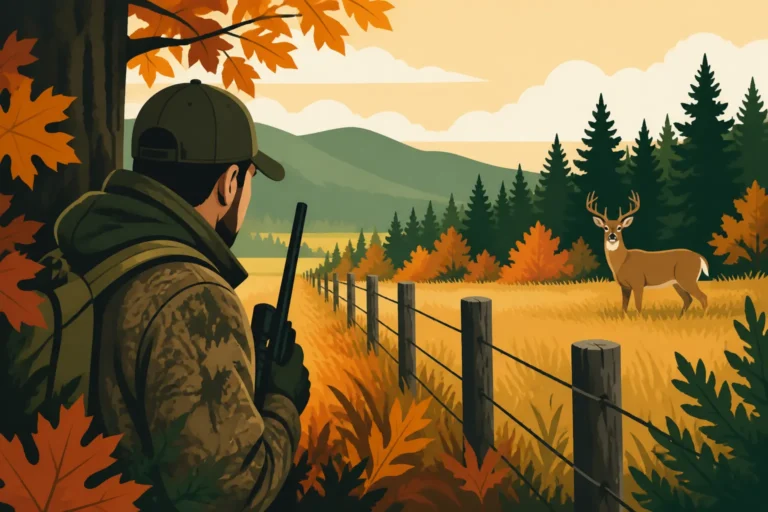
Let's face it, public land hunting, especially for deer, can be a real grind. You're often dealing with significant pressure, navigating other hunters' setups, and frequently finding that the best areas get hammered early in the season. This is particularly true in Vermont, where accessible public parcels can sometimes feel limited compared to states with vast federal landholdings. In the Champlain Valley, where the land flattens out and rich agricultural fields meet pockets of mature hardwoods and dense swamps, the deer often grow larger and have more consistent access to high-quality food sources. This unique blend of habitat—cornfields, alfalfa, soybeans, and apple orchards interspersed with cover—creates an ideal environment for whitetails to thrive.
The deer densities in the Champlain Valley can be impressive, and the ample food means bucks often achieve better antler growth and overall body size compared to their Green Mountain cousins who might be foraging in tougher, more mountainous terrain. Many of these prime areas are privately owned, predominantly by farmers who are busy with their livelihoods. They might not actively hunt, or if they do, they often focus on a specific area, leaving other parts of their property unpressured. This is where the opportunity for respectful, proactive hunters truly lies. By securing permission on these private parcels, you're not just finding a place to hunt; you're often finding better quality hunting, with less competition, and the chance to build a lasting relationship with a landowner. It truly is a different ball game than continually scouting and hunting areas that see heavy pressure, such as some of the more accessible portions of the Green Mountain National Forest. When you learn how to hunt a Champlain Valley dairy farm edge, the rewards can be substantial.
Understanding Landowner Needs and Concerns
Before you even think about approaching a farmer, put yourself in their shoes. What are their biggest concerns? Safety is almost always at the top of the list. They want to know that you are a responsible, safe hunter who won't accidentally shoot a cow, damage equipment, or endanger their family. Property damage, litter, gates left open, and disturbing livestock are also major worries. Many farmers have had bad experiences with inconsiderate hunters in the past, leading to a general reluctance to grant permission. Your job, therefore, is to demonstrate that you are the exact opposite of those bad experiences. You're not just asking for permission; you're asking for trust.
Farmers also have busy schedules, particularly during planting and harvest seasons. Respecting their time is paramount. A quick, polite, and concise approach that clearly communicates your intentions and professionalism will go a long way. Some landowners may even have specific issues they'd like help with, such as deer browsing on crops or excessive coyote activity, which you might be able to offer solutions for. Thinking beyond just "can I hunt here?" to "how can I be a good steward and potentially help this landowner?" can dramatically increase your chances of success. Understanding things like Vermont's CWD prevention rules and how they impact carcass handling can also show a landowner that you're well-informed and responsible.
Preparing for the Door Knock: Research and Presentation
Walking up to a random farmhouse without any prior knowledge is a recipe for an awkward encounter and likely a swift "no." Successful door-knocking starts long before you ever step foot on a property. It begins with meticulous research, thoughtful preparation, and ensuring you present yourself in the best possible light. Treat this like a job interview; you want to make a strong, positive first impression.
First, identify potential properties. Use online mapping tools like GoHunt, onX Hunt, or even Google Maps to pinpoint promising parcels in the Champlain Valley that are privately owned and appear to have good habitat. Look for a mix of agricultural fields, woodlots, creek bottoms, and thick cover. Pay attention to how the properties adjoin public land or other known deer travel corridors. Once you have a few target properties, dive deeper. Use a resource like GoHunt to examine aerial photos for green fields planted for deer or identifying areas that might offer entry routes through a cut cornfield. You can often see property lines, which will confirm who owns the parcel. This also helps you understand the lay of the land, potential access points, and where deer might be bedding or feeding. It's also helpful to look at surrounding properties to understand the overall hunting pressure in the area.
Assembling Your "Permission Packet"
When you approach a landowner, you want to be prepared to answer questions and provide reassurance. Consider assembling a small, professional "permission packet" or at least having the key components readily available. This isn't about being overly formal, but about demonstrating your seriousness and respect.
- A written introduction: A brief, polite letter stating who you are, why you're interested in hunting their property, and what seasons you're hoping to hunt (e.g., archery only, or during Vermont's regular archery season into December). Include your contact information. This shows you're serious and gives them something tangible to consider later.
- References: Offer a few references from other landowners you've hunted for in the past, or even personal character references. This can be a huge trust builder.
- Proof of insurance: While not required, showing proof of liability insurance (often included with hunting club memberships or available through personal umbrella policies) can alleviate major landowner concerns about potential accidents.
- Your hunting license: Have your current Vermont hunting license and appropriate tags readily available. This proves you're a legal, licensed hunter.
- Clean, presentable appearance: This cannot be stressed enough. Shower, shave, wear clean, casual clothes (khakis and a collared shirt, or clean jeans and a respectable shirt). Do NOT show up in dirty hunting clothes, camo, or with a firearm. You are not going hunting; you are making a business proposition.
- A specific proposal: Be ready to clearly articulate what you're asking for. Do you want to bowhunt only? Are you interested in the October antlerless muzzleloader window? Will you only hunt deer, or are you interested in other game like turkeys during the statewide fall archery turkey season? Clarity prevents misunderstandings.
| Item | Purpose | Why It Helps |
|---|---|---|
| Clean Appearance | Shows respect, professionalism | Builds immediate trust, suggests responsibility |
| Written Intro | Provides details, contact info, shows seriousness | Gives landowner something to review later, reinforces your message |
| Hunting License | Verifies legal hunting status | Essential proof, demonstrates compliance with laws |
| Insurance Proof | Addresses liability concerns | Major trust builder, minimizes landowner risk perception |
| References | Third-party validation of character and responsibility | Social proof, shows you've been trusted before |
| Map (GoHunt/onX) | Helps discuss specific areas, shows you've done your homework | Facilitates clear communication, demonstrates foresight |
| Specific Request | Clear communication of hunting intentions | Prevents misunderstandings, shows you've thought it through |
| Small Gift (Optional) | Token of appreciation, goodwill | Establishes positive rapport, leaves a good impression |
The Art of the Door Knock: Approach and Etiquette
The moment of truth arrives when you pull into the driveway. This is where your preparation, respect, and communication skills truly shine. Remember, you're a guest on their property from the moment you turn into the driveway.
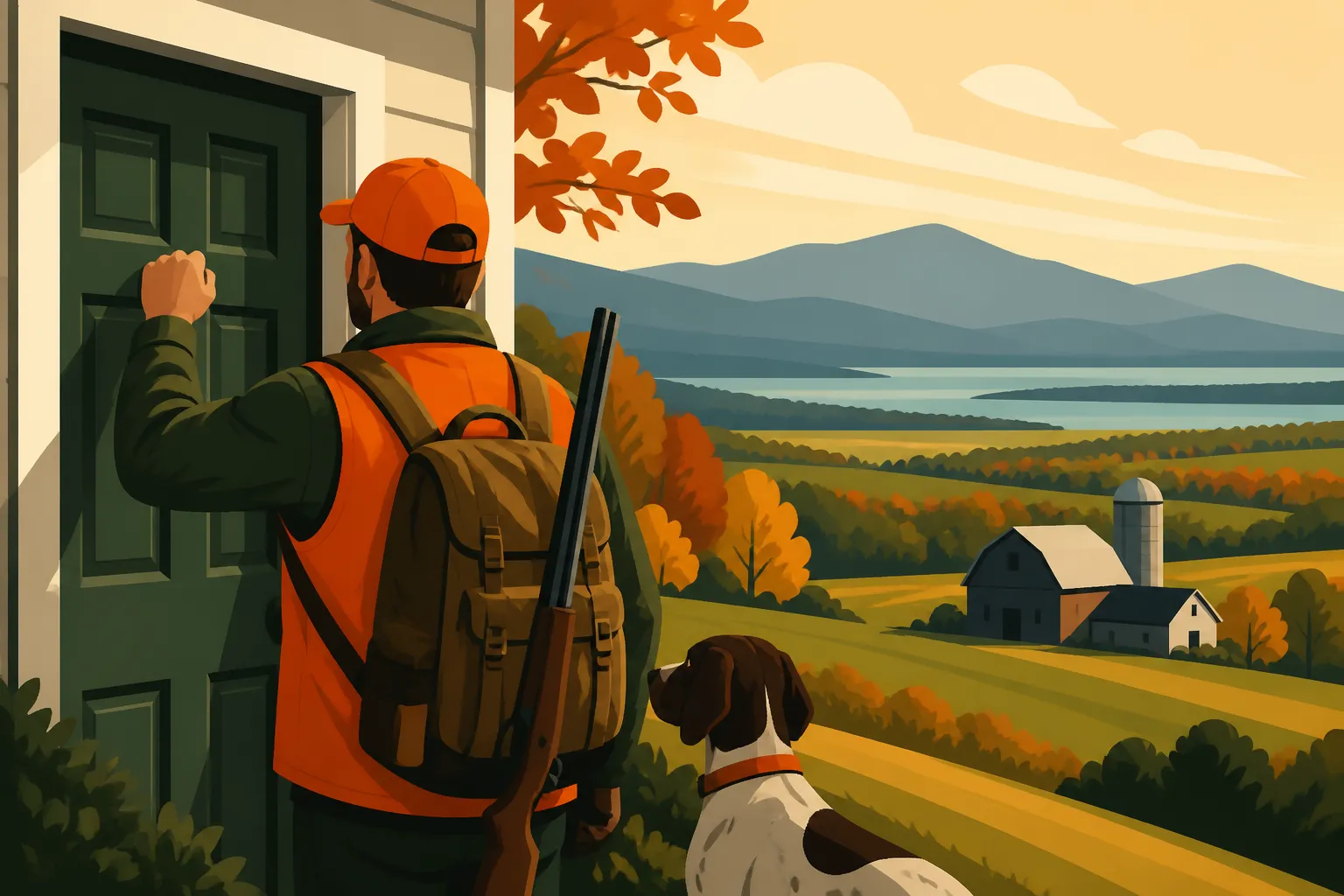
Approach the house confidently but politely. If there are signs, respect them. Park in a way that doesn't block anything or make them feel uncomfortable. Walk to the door and knock. If no one answers after a reasonable time, leave your written introduction with your contact information (tucked under the door or securely weighted down) and move on. Do not linger. If someone answers, introduce yourself immediately and clearly.
"Hello, my name is [Your Name], and I'm a local hunter. I was hoping to speak with the landowner about the possibility of gaining permission to hunt deer on their property." Keep it brief and to the point. Observe their body language. Are they open, or are they already signaling disinterest? Be ready for a "no," and accept it graciously. "Thank you for your time, I understand completely," is a perfectly acceptable response. Don't argue, plead, or try to convince them. A respectful "no" can sometimes turn into a "yes" down the road if they see you acting courteously around the community.
Navigating the Conversation
If they're open to talking, this is your opportunity to build rapport. Offer your written introduction and state your specific request again. "I'm particularly interested in [mention specific game or season, e.g., bowhunting during the expanded archery season zones in September] and I'm looking for a safe, responsible place to enjoy the sport." This is also where you can explain how you operate. "I always park respectfully, carry my license, only hunt the areas you approve, and will contact you before and after each visit. I take great care to leave no trace, close all gates, and will be mindful of any livestock."
Mention your mapping app, like GoHunt or onX Hunt, and offer to show them how you've researched their property and how you plan to navigate it, ensuring you stay within boundaries and avoid sensitive areas. Discuss how you plan on handling a harvested animal, whether it's field dressing a deer in cold weather or removing the carcass discreetly. This shows foresight and professionalism. If they express concerns about deer damage, you might offer to help with population control, especially for antlerless deer, if you hold a permit for holding two antlerless permits in different WMUs.
Key Communication Points:
- Be clear about your intentions: What game, what seasons, what weapons.
- Emphasize safety: Always shoot from a safe backdrop, carry a first aid kit, wear blaze orange when required.
- Show respect for their property: No littering, no driving on fields, closing gates, avoiding active farm operations.
- Discuss access: Where will you park? What entrance will you use?
- Offer benefits (if applicable): Help with deer management, coyote control, sharing venison.
- Be flexible: If they only want archery, accept it. If they only want you to hunt a certain corner, agree.
- Provide contact information: Make it easy for them to reach you.
Don't be afraid to ask questions about their specific rules or concerns. This shows you care about their property and their peace of mind. "Are there any areas you'd prefer I avoid?" or "Are there specific times that are better or worse to be on the property?"
Building and Maintaining the Relationship
Let's say you hit the jackpot and get a "yes." Congratulations! But the work isn't over; in fact, it's just beginning. Gaining permission is only the first step; maintaining that relationship is crucial for continued access, and perhaps even for opening doors to other properties in the future.
Your behavior as a hunter on their land will speak volumes. Always follow through on every promise you made during the door-knocking conversation. Communicate regularly, but don't bother them unnecessarily. A quick text message before you head out and when you leave is often appreciated. "Headed to the back woodlot now, will let you know when I'm done."
If you harvest an animal, notify them. Offer to share some of the venison, even if they decline, the gesture is important. If you see anything out of the ordinary on their property (a broken fence, a stray animal, suspicious activity), let them know. You're now an extra set of eyes and ears, adding value to their property in a subtle way. Leaving a small gift at the end of the season – perhaps a gift basket, a gift certificate to a local store, or even a nice cut of venison you harvested – can be a wonderful way to show your gratitude. Remember, this isn't a transactional relationship; it's a partnership built on mutual respect.
The Long Game of Land Access
Think about access as a long-term investment. Even if you only get permission for a small woodlot this year, being a responsible and respectful hunter can lead to expanded access in future seasons. A happy landowner will often tell their neighbors about the great hunter they have on their property, which can lead to more opportunities down the road. Farmers often talk amongst themselves, and a good recommendation carries a lot of weight.
Sometimes, a "no" today doesn't mean a "no" forever. If you were polite and professional, they might remember you. If their circumstances change (e.g., increased deer damage), they might reach out. Or you might try again in a year or two, briefly reminding them of your previous polite visit. Persistence, coupled with consistent good behavior, can eventually pay off. Scouting Vermont public land before season is always a good backup, but private access opens up a world of possibilities.
Ultimately, knocking on doors in Champlain Valley farm country is about much more than just finding a place to hunt. It's about building trust, demonstrating respect, and fostering community connections. It might feel uncomfortable at first, but with the right preparation and attitude, it's a skill that can unlock some of the best hunting experiences Vermont has to offer.
Disclaimer
Hunting is an inherently dangerous activity. Always prioritize safety, understand and adhere to all Vermont Fish & Wildlife Department regulations, and respect private property. This guide is for informational purposes only and does not substitute for official regulations or professional safety instruction. Be sure to carry proper identification and licenses as required by Vermont law.