Public Hunting Land in Vermont
Hunting in Vermont, especially when you're seeking out public land, can feel like you're trying to crack a secret code. You might stare at maps, wondering which splotches of green are actually open to you, or worry about inadvertently crossing onto private property. It's a common frustration for many hunters, both residents and those visiting our beautiful state. This guide is here to untangle that knot, providing you with a comprehensive look at Vermont's public hunting opportunities, how to find them, and what to expect when you're out there.
Understanding Vermont's Public Land Landscape
Vermont might be a small state, but it boasts a surprising amount of public land accessible to hunters. However, it's not always as straightforward as just looking for "green" on a map. There's a diverse patchwork of federal, state, and even municipal lands, each with its own characteristics, management goals, and sometimes, specific regulations you need to understand. Don't let the thought of navigating this deter you; with the right information and tools, you can unlock incredible hunting experiences across the Green Mountain State.
The Sheer Volume of Opportunity: How Much Public Land Exists
When people think of Vermont, they often picture rolling hills dotted with farms and quaint villages. While that's certainly part of our charm, many might not realize the significant acreage dedicated to public use. We're talking hundreds of thousands of acres managed by various entities – from the expansive federal lands of the Green Mountain National Forest to numerous state-managed Wildlife Management Areas (WMAs) and State Forests, all the way down to smaller, locally managed Town Forests.
This means that while finding vast, unbroken tracts of public land like you might see out West can be less common in some parts of Vermont, there are still plenty of significant parcels to explore. The challenge often lies in identifying these parcels, understanding their boundaries, and knowing the specific rules that apply to each. It’s a rewarding puzzle to solve, as these diverse landscapes offer everything from deep woods adventures to wetland and field opportunities.
Different Types of Public Hunting Lands
To truly understand Vermont's public land, it helps to categorize it. Each type of land comes with its own flavor of hunting experience.
First, we have federal lands, primarily the Green Mountain National Forest (GMNF). This is the big one, offering vast, often rugged, backcountry hunting opportunities across two main districts. Think deep woods, steep climbs, and a true wilderness feel.
Next, there are state-managed lands, which include Wildlife Management Areas (WMAs) and State Forests. WMAs are specifically designed and managed for wildlife habitat and public recreation, often with an emphasis on hunting. They can vary dramatically in size and habitat, from wetlands teeming with waterfowl to dense timber for deer and bear. State Forests, while also managed for timber, often provide excellent hunting opportunities and may have a slightly different feel than WMAs, sometimes with more established trail systems.
Finally, don't overlook municipal lands, often referred to as Town Forests. These are generally smaller parcels managed by local towns. Access and rules can vary significantly from one town to the next, sometimes requiring a quick check with the town clerk or local conservation commission, but they can offer fantastic, often less-pressured, hunting close to home. Understanding these distinctions is the first step to becoming a more effective public land hunter in Vermont.
The Importance of Knowing Boundaries and Regulations
Here’s the thing about public land in Vermont: just because a piece of land is publicly owned doesn't automatically mean it's open to hunting, or that the rules are uniform across the board. You simply cannot assume. Some state parks, for instance, may have areas where hunting is restricted or prohibited due to high recreational use. Town forests often have their own specific bylaws regarding hunting, discharge of firearms, and even timing.
It's absolutely crucial to do your homework before heading out. This means checking the Vermont Fish & Wildlife Department's regulations for WMAs and State Forests, and for town properties, contacting the municipal office directly. Ignoring these boundaries and regulations isn't just irresponsible; it can lead to fines, loss of hunting privileges, and gives all hunters a bad name. Always confirm the current rules for the specific parcel you intend to hunt. This due diligence is part of being a responsible steward of our hunting heritage.
Green Mountain National Forest: Your Backcountry Oasis
For many hunters, the Green Mountain National Forest (GMNF) represents the pinnacle of public land hunting in Vermont. Spanning over 400,000 acres, it's a vast expanse of rugged mountains, dense timber, and remote valleys that offers a true backcountry experience. If you're looking to escape the crowds, challenge yourself, and potentially find an unpressured animal, the GMNF is where you'll want to spend some serious time. It’s not for the faint of heart, but the rewards can be immense.
Navigating the Two Districts: Manchester and Middlebury
The Green Mountain National Forest is not one contiguous block; it's split into two main administrative units, the Manchester Ranger District to the south and the Middlebury-Rochester Ranger District to the north. While both offer excellent hunting, they have slightly different characteristics and access points.
The Manchester District, generally covering southern Vermont, might feel a bit more accessible in some areas due to its proximity to population centers, but it quickly transforms into rugged, steep terrain. Here, you'll find plenty of hardwood ridges, thick softwoods in the ravines, and ample opportunities for deer, bear, and turkey. The Middlebury-Rochester District, further north, tends to be even more remote in many sections, encompassing some of the highest peaks and most expansive roadless areas. This is where you might feel truly isolated, surrounded by miles of untamed forest. Understanding Green Mountain National Forest's Two Districts can help you pinpoint areas that match your physical capabilities and hunting style, whether you prefer moderately steep climbs or full-on mountain expeditions.
Unlocking the Wilderness and Backcountry Areas
Within the GMNF, you'll find designated wilderness areas and other backcountry zones where motorized access is strictly prohibited, and development is minimal. These are your prime locations for a genuine wilderness hunt. Access typically means hiking in on foot, often for miles, carrying everything you need on your back. This drastically reduces hunter pressure, as many simply aren't willing or able to make the trek.
Hunting in these areas requires a different mindset and a higher level of preparation. You'll need to be self-sufficient, capable of navigating challenging terrain, and ready for whatever Mother Nature throws at you. For those willing to put in the effort, these remote zones can hold older, less-pressured bucks, elusive bears, and scattered turkey flocks. It's an opportunity to truly disconnect and immerse yourself in the wild. For more detailed information on specific strategies, check out Hunting Green Mountain's Backcountry Wilderness Areas. These areas are true gems for those seeking solitude and a primitive hunting experience.
Vehicle Access, Camping, and Treestand Rules
While the GMNF offers incredible backcountry experiences, there are also areas with more straightforward access via forest roads. However, even these roads have regulations. Many are gated seasonally or permanently, or restricted to non-motorized use beyond a certain point. It's essential to consult a current GMNF map or check with the local ranger district office for specific road conditions and closures. Don't assume an old logging road on an app is open to vehicles.
Camping is often allowed throughout the GMNF, including dispersed camping, which means you can set up a tent almost anywhere, within certain guidelines (like distance from water sources or roads). This makes multi-day hunts deep in the woods much more feasible. Be sure to understand Camping Rules on Green Mountain National Forest Land. When it comes to treestands and ground blinds, most public lands in Vermont, including the GMNF, require that stands be removed at the end of the hunting season. You can't leave them up year-round. Always check the specifics, as regulations can change, but generally, anything you put up must come down. Knowing Treestand Rules on Vermont Public Land will save you headaches and ensure you're in compliance.
Exploring Vermont's Wildlife Management Areas (WMAs)
Beyond the vast federal lands, Vermont boasts an impressive network of Wildlife Management Areas (WMAs) scattered across the state. These lands are specifically acquired and managed by the Vermont Fish & Wildlife Department with the explicit purpose of conserving wildlife habitat and providing public opportunities for hunting, fishing, trapping, and other outdoor recreation. They are incredibly valuable resources for hunters, offering a wide variety of habitats and game species.
Purpose and Management of WMAs
The beauty of WMAs lies in their dedicated management. Unlike some other public lands where timber production or recreation might be the primary focus, WMAs prioritize wildlife. This often means active habitat management projects are undertaken, such as creating early successional habitat, maintaining wetlands, or planting food plots. These efforts are designed to improve conditions for various game species, which in turn can lead to better hunting opportunities for you.
You'll find WMAs encompassing everything from expansive marshes and floodplains perfect for waterfowl, to dense forests for deer and bear, and mixed habitats ideal for turkeys and small game. The Vermont Fish & Wildlife Department works hard to balance the needs of wildlife with public access, making these areas true jewels for the hunting community. Understanding How Vermont WMAs Are Managed helps you appreciate the effort that goes into making these places productive hunting grounds.
Key WMAs and What They Offer Hunters
Vermont's WMAs are incredibly diverse, and knowing a few key examples can help you identify what might suit your hunting preferences. For instance, in the remote Northeast Kingdom, you'll find Victory Basin Wildlife Management Area, a massive tract of boreal forest and wetlands known for its moose, snowshoe hare, and ruffed grouse populations. This WMA offers a rugged, northern forest experience. If you're hunting deer or bear, a WMA like Steam Mill Brook Wildlife Management Area might be on your radar, with its mixture of hardwood ridges and softwood swamps providing excellent cover and forage.
For those seeking a more remote feel without venturing deep into federal wilderness, West Mountain Wildlife Management Area in the Northeast Kingdom offers extensive forestland with limited access, providing a good challenge and potential for unpressured game. Many WMAs, especially those with wetland components, also offer excellent waterfowl hunting opportunities. Checking individual WMA maps and information on the Vermont Fish & Wildlife website is key to understanding the specific habitats and game concentrations present. Learning about Vermont's Victory Basin Wildlife Management Area, Vermont's Steam Mill Brook Wildlife Management Area, and Vermont's West Mountain Wildlife Management Area will give you a good start.
Specific Rules and Access Points for WMAs
While WMAs are generally open to hunting, it’s vital to remember that specific rules can apply, and access points are often designated. You can't just drive in wherever you please. Most WMAs will have designated parking areas, often marked with signs, and access beyond those points might be restricted to foot traffic. Some WMAs, particularly those with sensitive habitats or those near residential areas, may have additional specific regulations, such as restrictions on certain types of weapons or limits on hunting hours.
Always look for WMA-specific signage at access points, and consult the Vermont Fish & Wildlife Department's official website or publications for detailed maps and rules. When it comes to setting up a blind, many WMAs allow portable ground blinds, but like treestands on other public lands, they usually need to be removed daily or at the close of the season. Understanding Ground Blind Rules on Vermont WMAs is important before you haul your gear out into the woods. These rules are in place to protect the habitat, ensure public safety, and maintain the quality of the hunting experience for everyone.
Hunting Vermont State Forests and Reservations
Beyond the federal lands and the dedicated WMAs, Vermont offers another excellent category of public hunting ground: its extensive network of State Forests and Reservations. These lands, managed by the Department of Forests, Parks, and Recreation, are typically managed for a variety of uses, including sustainable timber harvesting, recreation, and, crucially for us, hunting. They often provide a less rugged but equally productive hunting experience compared to the GMNF, and can be found closer to many communities.
General Rules and Expectations
The great news for hunters is that the vast majority of Vermont's State Forests are open to hunting. This means a significant amount of acreage across the state is available for you to explore. However, like all public lands, there are nuances to understand. While hunting is generally permitted, certain areas within State Forests, such as designated campgrounds, day-use areas, or nature trails, might have restrictions on firearm discharge or hunting altogether for public safety reasons. It's always a good idea to check specific State Forest maps or contact the local forest ranger's office if you plan to hunt near developed recreational sites.
Generally, you'll find similar rules regarding treestands and ethical practices as you would on WMAs or the GMNF. Expect to pack out what you pack in, respect other users, and remove your stands at the end of the season. Getting familiar with Vermont State Forest Hunting Rules is a straightforward process that ensures you're hunting legally and responsibly. These lands are a fantastic option for day hunts, offering varied terrain that can appeal to different hunting styles.
Finding Deer and Other Game in State Forests
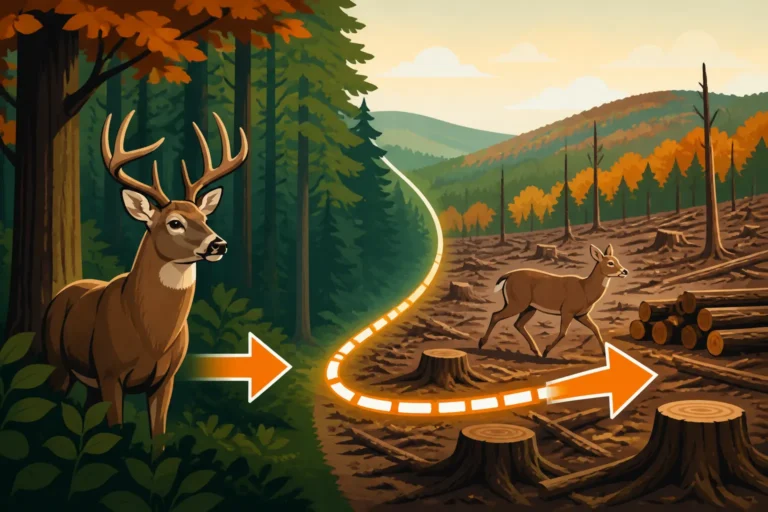
State Forests are often managed for timber, which can be a huge benefit for hunters. Logging operations, when done sustainably, create diverse forest age classes. Clear-cuts and selective harvests open up the canopy, allowing sunlight to reach the forest floor, which in turn stimulates the growth of new browse – exactly what deer, moose, and bear love to eat. These areas can become thick with new growth, providing excellent bedding and escape cover.
You'll find a mix of mature hardwoods, softwoods, and regenerating stands in many State Forests, creating a mosaic of habitats perfect for a variety of game. Deer often thrive in these environments, moving between thick cover, browse areas, and acorn-producing oaks. Turkeys will utilize the same mast crops and find roosting spots in mature trees. Bear will also seek out food sources, especially during fall when acorns and beech nuts are abundant. Scouting these areas for recent logging activity or different forest types can pay off big time, revealing game hot spots.
Town Forests and Local Opportunities
Don't overlook the smaller, often overlooked gems: Town Forests. These parcels are owned and managed by individual towns, and while they might not be the sprawling wilderness of a National Forest, they can offer excellent, close-to-home hunting opportunities. The key here is variability – rules and access can differ significantly from one town to the next. Some towns embrace hunting and have few restrictions, while others, particularly those with high recreational use or near densely populated areas, might have more stringent rules or even prohibit hunting in certain sections.
It is absolutely essential to contact the town clerk or local conservation commission for the specific town forest you are interested in. Ask about hunting policies, firearm discharge restrictions, and any permit requirements. While many are open access, some might require a simple, free permit. These smaller parcels can be fantastic for targeting deer that might be pressured off larger tracts, or for smaller game like squirrels and grouse. They are often less pressured simply because fewer hunters bother to do the legwork to confirm access. Being diligent here can unlock some really convenient and productive hunting spots. For a specific example, read up on Hunting a Town Forest Parcel.
Navigating Specific Regions: Northeast Kingdom and Champlain Valley
Vermont is a state of diverse landscapes, and its hunting opportunities reflect that. What you'll find in the rugged northern reaches of the Northeast Kingdom is vastly different from the agricultural plains of the Champlain Valley. Understanding these regional distinctions is crucial for planning successful hunts and knowing what kind of public land experiences to expect. Each region presents its own set of challenges and unique rewards for the persistent hunter.
The Rugged Allure of the Northeast Kingdom
The Northeast Kingdom (NEK) is a legendary name among Vermont hunters, and for good reason. It embodies ruggedness, remoteness, and vast stretches of unbroken timber. Think spruce and fir thickets, rolling mountains, and numerous bogs and wetlands. Public land here, including significant portions of the GMNF and large WMAs like Victory Basin, offers a truly wild experience. This region is home to Vermont's densest moose populations, healthy black bear numbers, and a solid deer herd, though deer densities can sometimes be lower than in other parts of the state due to the colder climate and more challenging habitat.
Hunting the NEK often means longer walks, steeper climbs, and a higher degree of self-sufficiency. It's not uncommon to spend an entire day without seeing another hunter. The rewards, however, can be substantial: a chance at a moose, an old bruin, or a heavy-bodied woods buck. You'll need solid navigation skills, good cold-weather gear, and a strong will. For those seeking true solitude and a challenge, the NEK delivers. To dive deeper into what makes this region special, explore Hunting the Northeast Kingdom and understand why it's considered Best Public Ground for Northeast Kingdom Deer.
Champlain Valley's Mix of Farmland and Woodlots
Contrast the NEK with the Champlain Valley, stretching along the western side of the state. This region is characterized by its fertile farmland, open fields, and relatively flat to gently rolling topography. While large tracts of continuous public forest are rarer here, you'll find a patchwork of smaller state forests, WMAs, and even some federal land parcels interspersed with private agricultural properties. The Champlain Valley often boasts the highest deer densities in the state, and the deer here often grow larger due to rich forage from agricultural crops.
Hunting public land in the Champlain Valley often involves working smaller woodlots, field edges, and riparian zones. Pressure can be higher, especially near access points, so smart scouting and finding overlooked pockets are key. Tactics like hunting funnels between woodlots, focusing on thick cover adjacent to cornfields, or utilizing ground blinds on field edges can be highly effective. While it might not offer the vast wilderness feel of the NEK, the Champlain Valley provides excellent opportunities for deer and turkey, especially for those who master hunting transitional zones. To learn more about this distinct hunting environment, read Hunting the Champlain Valley and see why it's considered Best Public Ground for Champlain Valley Deer.
Connecting the Dots: River Valleys and Mountain Ranges
Beyond the broad strokes of the Northeast Kingdom and Champlain Valley, Vermont's public lands are further shaped by its prominent river valleys and mountain ranges. These topographical features often create natural corridors and distinct habitats that influence where game moves and where public access might be available.
Consider the Connecticut River Valley along Vermont's eastern border. Here, you'll find numerous state forests and WMAs that capitalize on the river's floodplains, oxbows, and associated bottomland habitats. These areas can be fantastic for waterfowl, but also offer excellent deer and turkey hunting, as animals use the river corridors for travel. Similarly, the north-south alignment of the Green Mountains and smaller ranges like the Worcester Range often feature public lands along their slopes and ridgelines. These higher-elevation areas provide unique challenges but can hold unpressured game, especially during the rut when bucks are cruising ridgelines. Think about how Working a Connecticut River Bottomland Funnel can put you in a prime spot. Recognizing these geographical patterns can guide your public land exploration and help you predict game movement, allowing you to focus your scouting efforts on the most promising areas.
Essential Tools for Public Land Hunters
Hunting public land in Vermont, with its varied terrain, sometimes patchy cell service, and complex property boundaries, practically requires a modern toolkit. Gone are the days when a paper map and compass were your only reliable navigation. While those are still excellent backups, today's technology can dramatically increase your efficiency, safety, and legal compliance. Investing in the right tools isn't just about convenience; it's about being a more effective and responsible hunter.
The Power of Mapping Applications
If there's one tool that has revolutionized public land hunting, it's the GPS mapping application for your smartphone or tablet. Brands like onX Hunt and GoHunt are indispensable for navigating Vermont's public lands. These apps provide detailed satellite imagery, topographical maps, and, most importantly, clearly delineate public and private land boundaries. This last feature is absolutely critical for staying legal and avoiding trespass, especially in areas where public and private parcels are intermingled.
With an app like onX Hunt, you can see exactly where you are in relation to property lines, mark waypoints for stand locations, food sources, or game sign, and even track your path. This level of detail is a game-changer for scouting and hunting unfamiliar ground. You can literally be standing on a public land parcel, look at your phone, and see the exact line where it transitions to private property, allowing you to hunt confidently right up to the boundary. For understanding how these tools overlay property information, check out onX Layers for Vermont Land Status. These apps take the guesswork out of finding and hunting public land.
Offline Maps and GPS Devices
While mapping apps are incredibly powerful, they rely on your phone's battery and, for live updates, often cell service. And let's be realistic: much of Vermont's prime public hunting land, especially in the Green Mountain National Forest or parts of the Northeast Kingdom, has notoriously spotty to non-existent cell reception. This makes having offline maps absolutely non-negotiable. Most mapping apps allow you to download map layers for specific areas before you leave home, so your GPS location still works even without cell signal. Always, always, always download your maps for your hunting area.
Furthermore, carrying a dedicated handheld GPS device can be a fantastic backup. These devices are built to withstand the elements, have longer battery life, and often excel in rugged terrain where a phone might struggle. Knowing how to use both your phone's offline maps and a physical GPS unit provides redundant navigation, ensuring you can always find your way back to the truck or camp. Don't solely rely on your phone; a dead battery or lost signal can turn a great hunt into a very stressful situation. Remember, even the Vermont Fish and Wildlife App Without Cell Service is useful if you download maps ahead of time.
Scouting and Trail Cameras for Public Land Success
Success on public land isn't just about knowing where to go; it's about knowing how to hunt it. And that starts with thorough scouting. Mapping applications help you identify promising areas from your couch, but boots on the ground (or snow, depending on the season) are essential. Walk these areas, look for pinch points, funnels, old logging roads, and natural food sources. Observe how the terrain dictates animal movement. Reading Aerial Photos for Green Mountain Deer can guide your initial scouting, helping you identify potential bedding areas, travel corridors, and feeding zones.
Trail cameras can be another valuable tool for public land hunters, allowing you to monitor animal movement without constant human presence. However, it's crucial to understand and adhere to the rules for their use. Many public land agencies have specific regulations regarding trail cameras, such as requiring them to be labeled with your contact information, or prohibiting their use during certain seasons. Always check the specific rules for the WMA or State Forest you are hunting. And remember the rules about Trail Camera Rules on Vermont Public Land to stay compliant and respectful of other users. Used ethically and legally, trail cameras can provide invaluable intelligence, helping you dial in on a specific animal or understand general movement patterns.
Rules, Regulations, and Respect on Public Land
Hunting on public land is a privilege, not a right, and it comes with a significant responsibility to uphold ethical standards, abide by all regulations, and show respect for both the land and other users. Vermont has clear guidelines in place to ensure safe, fair, and sustainable hunting, and every hunter has a part to play in maintaining these standards. Ignorance of the law is never an excuse, so understanding the nuances of public land etiquette is just as important as knowing where the deer are.
General Hunting Regulations and Safety
The foundation of safe and ethical hunting on any land, public or private, begins with adherence to Vermont's general hunting regulations. This includes understanding season dates, bag limits, legal methods of take, and licensing requirements. Crucially, during specific seasons like rifle deer season, blaze orange is mandatory for all hunters. This isn't just a suggestion; it's a critical safety measure designed to prevent accidents. Even during archery season, wearing some blaze orange when moving through the woods is a smart personal safety choice, especially when hunting during the Hunting a Bow During the Rifle Season Overlap. Knowing How Much Blaze Orange Vermont Requires is essential.
Beyond regulations, hunter safety also encompasses responsible firearm handling, identifying your target and what is beyond it, and knowing your effective range. Ethical hunting means making clean shots, pursuing wounded game diligently (even if it crosses property lines, with permission!), and properly field dressing your animal. These are the basic tenets that ensure hunting remains safe, humane, and respected by the broader public.
Understanding Access and Permitted Activities
Just because it's public land doesn't mean it's a free-for-all. Different types of public land, and sometimes even specific areas within a single WMA or National Forest, will have varying rules regarding access and permitted activities. For example, while many forest roads in the GMNF are open to vehicles up to a point, others are strictly for non-motorized use, or may be seasonally closed. Similarly, the use of ATVs is highly restricted on most Vermont public lands, generally only permitted on designated trails or roads, and often with specific permits. Reviewing Vehicle Rules on Vermont Public Land and ATV Rules on Vermont Forest Roads is crucial before you load up your gear.
Parking areas are typically designated, and you should always use them to avoid blocking access or causing damage. Some WMAs might have specific walk-in only access, meaning you need to park and hike in, sometimes for significant distances. Understanding these access rules is not just about avoiding a ticket; it's about respecting the land, minimizing disturbance, and ensuring that all users can enjoy these shared resources. Always consult the official maps and regulations for the specific parcel you are hunting.
Leaving No Trace and Being a Good Steward
Being a responsible public land hunter extends beyond just legal compliance; it means adopting a Leave No Trace ethic. This fundamental principle ensures that our impacts on the land are minimized, preserving the wild character and ecological health of these areas for future generations. It means packing out absolutely everything you pack in – and then some, if you spot trash left by others. This includes spent shell casings, food wrappers, empty water bottles, and anything else that doesn't naturally belong there.
Additionally, respect for other users is paramount. You'll likely encounter hikers, mountain bikers, bird watchers, or photographers on public land. Being courteous, visible (wear blaze orange!), and mindful of their presence helps foster a positive image of hunters. Avoid disturbing sensitive areas, stay on designated trails when appropriate, and minimize your impact on vegetation. By actively practicing good stewardship, we not only protect the resource but also strengthen the public perception of hunting as a responsible and conservation-minded activity. It's about being a good neighbor and showing gratitude for the amazing opportunities these lands provide.
Table: Vermont Public Hunting Land Overview
Here's a quick look at the main types of public hunting land in Vermont and what you can generally expect:
| Public Land Type | Primary Manager | Key Characteristics | Common Game Species | Specific Rules to Check Annually |
|---|---|---|---|---|
| Green Mountain NF | Federal (U.S. Forest Service) | Vast, rugged, mountainous, extensive backcountry, logging roads (some gated), remote feel. | Deer, Bear, Moose, Turkey, Small Game | Camping rules, vehicle access restrictions, motorized use, treestand removal. |
| Wildlife Management Areas | State (VT Fish & Wildlife Dept.) | Managed specifically for wildlife habitat; diverse ecosystems from wetlands to forests; often improved access. | Deer, Bear, Moose, Turkey, Waterfowl, Small Game | WMA-specific regulations, designated walk-in access points, special permits (rare). |
| State Forests | State (VT Forests, Parks & Recreation) | Managed for timber, recreation, and wildlife; varied forest types; generally good access; some recreational use areas. | Deer, Bear, Turkey, Small Game | Recreation area closures, local restrictions near facilities, treestand removal. |
| Town Forests | Municipal (Local Town Government) | Smaller, localized parcels; management and rules vary significantly by town; can offer convenient access. | Deer, Turkey, Small Game | Local ordinances, specific permission requirements (rare), firearm discharge rules. |
| Missisquoi National Wildlife Refuge | Federal (U.S. Fish & Wildlife Service) | Primarily wetlands along Lake Champlain; managed for migratory birds; specific zones and seasons for hunting waterfowl. | Waterfowl (Ducks, Geese), some small game, occasional deer. | Designated hunting units, specific permit/registration, highly regulated seasons. |
Disclaimer
This article is for general informational purposes only and does not constitute professional advice. Laws, prices and regulations vary by location and change over time. Consult a qualified professional for guidance on your specific situation.