Vermont State Forest Hunting Rules
Hunting in Vermont, especially on public land, can sometimes feel like navigating a maze of different regulations and property types. You've got the Green Mountain National Forest, Wildlife Management Areas, and then there are our State Forests, each with its own quirks and rules. It's easy to get confused about what's allowed where, leading to anxiety about accidentally breaking a rule or trespassing. This guide is here to untangle the specific hunting rules and best practices for exploring Vermont's beautiful State Forests, helping you feel confident and prepared for your next adventure.
Understanding Vermont's State Forests
Vermont's State Forests are an incredible resource for hunters, often offering diverse habitats and a chance to get away from some of the heavier pressure found on more easily accessible lands. Unlike the sprawling federal lands of the Green Mountain National Forest, State Forests are managed by the Vermont Department of Forests, Parks and Recreation, sometimes in collaboration with Fish and Wildlife. This means their management goals and, consequently, some of the rules, can differ.
What Makes a State Forest Unique?
When you think of a State Forest, picture land primarily managed for timber production, recreation, and wildlife habitat. These aren't necessarily pristine wilderness areas, though many feel wild and remote. You might find active logging operations, well-maintained trail systems for hiking, mountain biking, and snowmobiling, alongside quiet corners perfect for hunting. The key difference from a Wildlife Management Area (WMA) is often the primary focus: WMAs are explicitly managed for wildlife, whereas State Forests have a broader mandate that includes forestry. However, wildlife habitat is still a huge consideration, and many State Forests contain excellent hunting grounds.
Access can vary greatly within State Forests. Some have well-marked entrances and parking lots, while others might just be a small, signed parcel off a dirt road, requiring a bit more effort to locate and access. This diversity means a little research upfront can save you a lot of frustration, helping you find those hidden gems where you can truly immerse yourself in the hunt.
Why State Forests are Great for Hunting
There are so many reasons to embrace hunting in Vermont's State Forests. First off, they're generally less crowded than some of the more well-known public hunting areas, especially if you're willing to walk a bit deeper into the timber. This can lead to a more peaceful experience and, often, a better chance at encountering less pressured game. The varied landscape, from mature hardwoods to regenerating clear-cuts, provides a mosaic of habitats for different species.
For deer hunters, you'll find areas with excellent browse in younger forest stands, mature mast-producing oaks and beeches, and thick cover for bedding. Turkey hunters will appreciate the mix of open woodlands for strutting and dense stands for roosting. Even small game hunters can find success with squirrels in the oak ridges or snowshoe hare in the thick softwood bottoms. Plus, the sheer amount of acreage available provides endless opportunities for exploration. Many seasoned Vermont hunters find their most rewarding spots not by sticking to the easily found WMAs, but by delving into the vastness of the State Forests. It's truly a place where you can create your own hunting adventure.
Essential Rules and Regulations for State Forest Hunters
Understanding the rules is paramount for a safe and legal hunt in any of Vermont's State Forests. While many general hunting regulations apply statewide, there are specific nuances when it comes to state-managed lands that you absolutely need to be aware of. Missteps can lead to fines, loss of privileges, or worse, endanger yourself or others.
General Hunting Regulations
First and foremost, you need a valid Vermont hunting license for the appropriate season and species. This is non-negotiable, whether you're hunting deer, turkey, bear, or small game. Make sure you've completed your Vermont Hunter Education Requirements if needed. All seasons and bag limits for various species, such as deer, bear, and turkey, apply uniformly across State Forests just as they would on private land or WMAs. It's crucial to check the current Vermont hunting guide each year, as regulations can shift. Pay close attention to legal hunting hours – typically 30 minutes before sunrise to 30 minutes after sunset – and ensure you're aware of specific restrictions, like not shooting across a public road or within a certain distance of a dwelling.
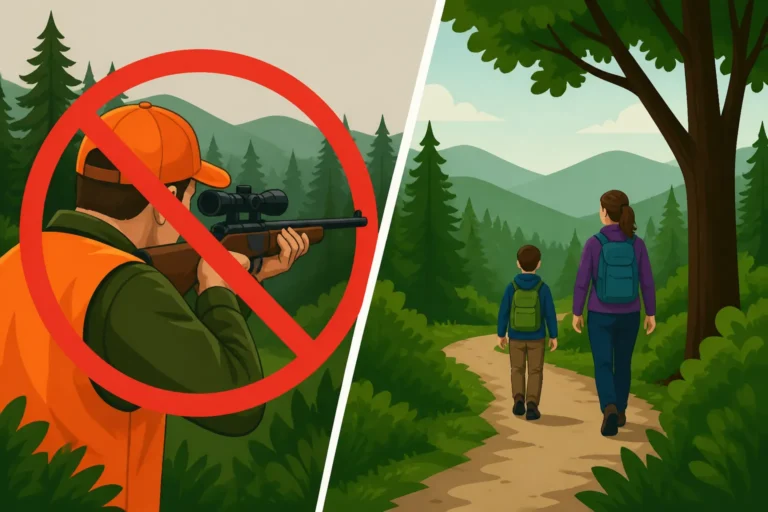
One important consideration for State Forests, especially those with multi-use trails, is public safety. You'll often share these lands with hikers, mountain bikers, and dog walkers. Always be aware of your surroundings and identify your target and what lies beyond it before taking any shot. Ethical hunting practices, like not sky-lighting turkeys or shooting deer without a clear identification, are always expected. Furthermore, while camping might be permitted in some State Forests, it often comes with its own set of rules regarding duration, fire pits, and waste disposal. Always check with the individual State Forest's management plan or the Department of Forests, Parks and Recreation website for specific camping guidelines.
Weapon-Specific Rules
The type of weapon you choose for your hunt in a Vermont State Forest must adhere to the statewide regulations for that specific season and species. For example, during deer rifle season, only specific firearms are permitted, generally limited to shotguns, muzzleloaders, and certain rifle calibers. Vermont Legal Firearms for Deer Hunting covers this in detail. Archery equipment, including compound bows, recurves, and crossbows, has its own set of regulations concerning draw weight, broadhead type, and during the archery-only seasons. Muzzleloaders are typically restricted to specific calibers and projectile types during their designated seasons.
It's vital to remember that just because you're on public land doesn't mean the rules loosen up. In fact, due to the presence of other recreational users, you might find an even greater emphasis on safe firearm handling. Carrying a loaded firearm in or on a vehicle can lead to significant penalties, and discharging a firearm within 500 feet of a dwelling, farm building, or other occupied structure is strictly prohibited unless you have permission from the owner. Always transport your firearms safely and unloaded, and ensure your muzzleloader is properly uncapped or defused when not actively hunting.
Blaze Orange and Blaze Pink Requirements
Safety is paramount, and wearing blaze orange or blaze pink is not just a good idea, it's often legally mandated when hunting in Vermont's State Forests. During Vermont's November rifle season for deer, and during any period when deer are hunted with a firearm, you must wear at least 200 square inches of blaze orange or blaze pink above the waist, visible from all sides. This includes while walking to and from your stand or while tracking game. How Much Blaze Orange Vermont Requires outlines these specifics.
Even outside of the mandatory firearm seasons, such as during archery season or small game seasons, many experienced hunters choose to wear a blaze orange hat or vest, especially if hunting in areas frequented by others. It's a simple, effective way to make yourself visible to other hunters and recreationists, greatly reducing the risk of an accident. While blaze orange is the traditional choice, blaze pink is also an approved option, offering a visible alternative. Remember, your safety, and the safety of everyone else on the land, is your responsibility. Don't compromise on visibility.
Navigating Access and Boundaries in State Forests
One of the biggest hurdles for hunters on any public land, including Vermont's State Forests, is figuring out exactly where you can go and where the boundaries lie. It's not always as simple as finding a signpost, and without proper preparation, you could easily end up on private property or in an area where hunting isn't permitted.
Utilizing Mapping Tools
Modern technology has revolutionized how we navigate public lands. Gone are the days of relying solely on paper maps that might be outdated or lack precise property lines. Today, apps like onX Hunt and GoHunt are invaluable resources for hunting Vermont's State Forests. These tools provide detailed satellite imagery, topographical maps, and, crucially, property ownership overlays that clearly show public and private land boundaries. You can see precisely where the State Forest ends and where an adjacent private parcel begins, which is absolutely critical for staying legal. onX Layers for Vermont Land Status is a great resource if you want to dive deeper into how these mapping tools can clarify land status.
Before you even leave home, you can use these apps to scout potential access points, identify areas of interest like old logging roads, clearings, or water sources, and plan your routes. Many of these apps also allow you to download maps for offline use, which is a lifesaver in Vermont's remote State Forests where cell service is often nonexistent. Pinpointing your location in real-time on these maps gives you peace of mind, allowing you to focus on the hunt rather than worrying about trespassing.
Parking and Entry Points
Finding a legal and safe place to park is often the first challenge when hunting State Forests. Some State Forests have designated parking areas or pull-offs, which are usually marked. However, many smaller parcels or less-trafficked areas might require you to find suitable roadside parking. When doing so, always ensure you are not blocking gates, driveways, or private property access. Respect posted "No Parking" signs, and leave ample room for other vehicles to pass safely, especially on narrow dirt roads.
Once you've parked, identifying legal entry points is the next step. Look for official State Forest boundary markers, signs, or public access points. Remember that some trails, while public, may have specific restrictions, such as no motorized vehicle use beyond a certain point. It's always a good idea to cross-reference your chosen entry with your mapping app to confirm you're starting on public land and not inadvertently cutting across someone's backyard. Being polite and discreet when accessing land, even public land, especially if passing near residences, helps maintain positive relationships between hunters and the broader community.
Understanding Land Boundaries
Understanding land boundaries is perhaps the most critical aspect of hunting State Forests. Unlike federal lands like the Hunting Vermont's Green Mountain National Forest, State Forests can sometimes be a patchwork of parcels, interspersed with private holdings. This is where your mapping apps truly shine. Zoom in, examine the boundaries, and get a clear picture of the land ownership. Be aware that property lines can be subtle on the ground – an old stone wall, a change in timber type, or even an unmarked stream could be a boundary.
When you're out hunting, make it a habit to periodically check your GPS to confirm your position relative to the nearest boundary lines. This is especially important if you're tracking a wounded animal, as game can easily cross onto private land. If an animal does go onto private land, you must first secure permission from the landowner before pursuing it. Having onX Hunt or GoHunt on your phone can often provide landowner contact information, making this process much smoother. The better you understand and respect property lines, the more positive your public land hunting experiences will be.
Ethical Considerations and Respectful Use
Hunting in Vermont's State Forests isn't just about following the rules; it's about being a responsible steward of the land and a respectful ambassador for hunters. These lands are shared by many different user groups, and our actions directly impact how hunting is perceived by others.
Practicing Leave No Trace Principles
The "Leave No Trace" philosophy is incredibly important in State Forests. This means packing out everything you pack in, and then some. This includes all your trash, spent shell casings, and even biodegradable items like apple cores (which can take a surprisingly long time to break down and attract unwanted critters). Minimizing your impact extends to how you move through the forest. Stick to existing trails where appropriate, and if you go off-trail, try to minimize disturbance to vegetation. Avoid breaking branches unnecessarily or leaving behind obvious signs of your presence.
When you harvest an animal, dispose of entrails discreetly and well away from trails, water sources, and common public use areas. This prevents visual blight and keeps scavengers from congregating in high-traffic spots. Treestands and ground blinds also fall under this principle. Check specific State Forest rules on leaving stands overnight or long-term, but generally, any temporary structures should be removed at the end of the season. The goal is to leave the forest exactly as you found it, or even better, ensuring that these precious public lands remain pristine for future generations of hunters and outdoor enthusiasts alike.
Respecting Other Forest Users
Vermont's State Forests are multi-use areas, meaning you'll likely encounter hikers, mountain bikers, bird watchers, photographers, and others enjoying the outdoors. It's crucial to interact with these individuals respectfully and courteously. A simple nod or "hello" goes a long way. If you're carrying a firearm, ensure it's handled safely and responsibly, openly carried or slung to clearly indicate it's not being used in a threatening manner. Avoid displaying harvested game in a way that might be offensive or alarming to non-hunters, especially in busy parking areas or near trailheads.
Be mindful of noise, especially during sensitive times like early morning or late evening when others might be seeking peace and quiet. If you're rattling for deer or calling turkeys, be aware that these sounds might carry and attract attention. Shared trails require extra caution; yield to other users and never assume you have exclusive rights to any part of the forest. By being considerate and professional, you help foster a positive image of hunters and ensure that access to these shared lands remains open and welcoming for all.
Safety First
Beyond the mandatory blaze orange, personal safety in State Forests encompasses several critical areas. Always tell someone where you're going and when you expect to return, especially if you're hunting alone in remote areas. Carry a fully charged phone (with downloaded offline maps!) and consider a satellite communication device if you're venturing deep into the backcountry where cell service is unreliable. Pack a basic first-aid kit, extra layers of clothing (weather in Vermont can change quickly), water, and emergency food. Layering for Vermont's Long Hunting Season offers some excellent advice on staying comfortable and safe in varying conditions.
Understand the terrain you're hunting. State Forests can feature steep, rugged hills, dense swamps, and rocky outcrops. Falls are a common cause of injury, so wear appropriate footwear like sturdy Boots for Green Mountain Ridge Terrain and use caution. Be aware of venomous snakes (though rare in Vermont, they exist), ticks, and other potential wildlife encounters. If hunting from a treestand, always use a full-body safety harness. The mantra "safety first" isn't just a cliché; it's a fundamental principle that ensures you return home safely after a successful or unsuccessful hunt.
Habitat and Species You'll Find in State Forests
Vermont's State Forests are ecological tapestries, offering a rich diversity of habitats that, in turn, support a wide array of game species. Understanding these habitats and the animals that call them home is key to successful hunting.
Forest Types and Their Game
The dominant forest type in many State Forests is a mix of northern hardwoods – sugar maple, beech, yellow birch, and white ash. These areas are prime spots for deer, especially during the fall when mast crops like acorns and beechnuts are dropping. Deer will concentrate in these areas, and savvy hunters will focus their scouting on finding fresh droppings and disturbed leaves under mast trees. In the younger, regenerating sections of these hardwoods, often resulting from timber harvests, you'll find thick browse and cover that deer absolutely love for bedding and security.
Interspersed with the hardwoods, especially at higher elevations or in wetter areas, you'll encounter softwoods like spruce, fir, and hemlock. These dense evergreen stands provide crucial thermal cover for deer during harsh winters and escape cover year-round. They're also excellent places to find snowshoe hare and sometimes even ruffed grouse. Swampy areas within State Forests, often dominated by cedar or black ash, are magnets for deer and offer unique opportunities for waterfowl or beaver trapping. Identifying these different forest types, whether by Reading Aerial Photos for Green Mountain Deer or boots-on-the-ground scouting, will significantly improve your chances.
White-Tailed Deer and Wild Turkeys
State Forests across Vermont hold healthy populations of both white-tailed deer and wild turkeys. For deer, focusing on areas with a good mix of mature hardwoods for food and dense softwood thickets for cover is a solid strategy. Look for saddles, benches, and funnels where deer movement is concentrated. Old logging roads, which are common in State Forests, can be excellent travel corridors. Understanding Where Vermont Bucks Bed in Thick Cover will also greatly assist your efforts. The beauty of State Forests is that you can often find unpressured pockets of deer if you're willing to walk further than most.
Wild turkeys thrive in these mixed forest environments. During spring turkey season, look for them roosting in tall trees near open areas or field edges within or adjacent to the State Forest. In the fall, turkeys will be scattered throughout the hardwoods, foraging for acorns and insects. State Forests provide excellent opportunities for both calling in a gobbler in the spring or breaking up a flock in the fall. You'll find good turkey numbers across many of the State Forests in southern and central Vermont, as well as parts of the Northeast Kingdom.
Small Game and Predators
Beyond deer and turkey, Vermont's State Forests are a haven for various small game and predators. Squirrels, both gray and red, are abundant in mast-producing hardwoods and can provide excellent off-season hunting or a fun challenge during deer season. Ruffed grouse can be found in regenerating clear-cuts and along logging roads, particularly where there's a mix of aspen and alder. Snowshoe hare thrive in dense softwood thickets, especially those with plenty of young saplings for cover.
Coyotes are also prevalent throughout State Forests, often following deer trails and using the varied terrain to their advantage. Calling for coyotes can be a rewarding challenge. Additionally, you might encounter other furbearers like fox, bobcat, or fisher, though hunting or trapping them requires specific licenses and knowledge of their habits. The diversity of game in State Forests means there's almost always something to hunt, offering year-round opportunities for the dedicated outdoors person.
| Public Land Type | Primary Management Focus | Common Hunting Opportunities | General Access | Specific Rules Considerations |
|---|---|---|---|---|
| State Forest | Timber, Recreation, Habitat | Deer, Turkey, Small Game, Bear | Varies (roads, trails) | Specific camping/fire rules, timber ops |
| WMA | Wildlife Habitat, Hunting | Deer, Waterfowl, Turkey, Small Game | Often good (parking, roads) | Habitat projects, limited camping |
| GMNF | Wilderness, Recreation, Timber | Deer, Bear, Moose, Small Game | Extensive (roads, trails, backcountry) | Wilderness area rules, federal regulations |
| State Park | Recreation, Camping | Limited (quota hunts, specific areas) | Highly controlled | Often no hunting outside specific hunts |
Practical Tips for Hunting Vermont State Forests
Success in Vermont's State Forests often comes down to preparation, persistence, and adapting to the unique challenges these lands present. It's not always easy, but the rewards are well worth the effort.
Scouting Smart
Scouting is truly your best friend when it comes to State Forests. Don't just show up on opening day expecting to find game. Spend time in the off-season, or at least a few days before your hunt, walking the areas you intend to hunt. Look for deer sign like rubs, scrapes, and tracks. Identify natural funnels, ridges, and saddles where deer might travel. Pay attention to food sources – are the beech trees dropping nuts? Are there oak stands with acorns? Scouting Vermont Public Land Before Season delves into more detail about how to effectively scout our public lands.
Look for areas with dense cover where deer might bed down during hunting pressure. Use your mapping app to mark potential stand locations, game trails, and bedding areas. Don't be afraid to put on some miles; often, the best hunting spots are a mile or more from the nearest road, where most other hunters won't venture. Remember that State Forests are dynamic environments; timber harvests can drastically change the landscape, creating new opportunities or altering old game patterns. Always look for fresh sign and adapt your plans accordingly.
Stand Placement and Strategy
Once you've scouted and identified promising areas, careful stand placement is critical. In State Forests, you might be dealing with steeper terrain and thicker cover than in other areas. Consider wind direction carefully – swirling winds in mountainous terrain can be frustrating. Look for natural backdrops for your stand to break up your silhouette, and ensure you have clear shooting lanes without being overly conspicuous. Treestand Rules on Vermont Public Land outlines what's permissible, but always ensure your stand is safely secured and you use a harness.
When planning your hunt, think about your entry and exit routes. Can you get to your stand without spooking game? Can you get out cleanly if you harvest an animal? In the often-rugged terrain of State Forests, recovering a deer can be a significant challenge, so plan for it. If you're still-hunting, move slowly and deliberately, taking advantage of the natural contours and cover. If you're sitting, consider using a ground blind if the cover allows, especially in areas where treestand placement is difficult. Using a Ground Blind on Public Land can give you some excellent pointers. The more thought you put into your strategy, the higher your chances of success.
Weather and Terrain Considerations
Hunting Vermont's State Forests means being prepared for whatever Mother Nature throws at you. The Green Mountains can deliver everything from warm, rainy days to heavy snow and bitter cold, sometimes all in the same week. Always check the forecast, but be ready for it to change. Proper layering of clothing is key to staying comfortable and focused.
The terrain itself presents its own set of challenges. Expect steep climbs, rocky footing, and potentially wet or boggy areas. Good quality, waterproof boots with excellent ankle support are essential. If hunting later in the season when snow is on the ground, snowshoes might be necessary to access certain areas. Always carry enough water to stay hydrated, and bring high-energy snacks. The physical demands of hunting State Forests can be significant, but they also offer an incredible sense of accomplishment when you successfully navigate the landscape and connect with game. The more you embrace these challenges, the more rewarding your experience will be.
Disclaimer
This article is for general informational purposes only and does not constitute professional advice. Laws, prices and regulations vary by location and change over time. Consult a qualified professional for guidance on your specific situation.