Hunting a Town Forest Parcel
Finding quality hunting land in Vermont can sometimes feel like trying to find a needle in a haystack, especially if you're looking to escape the crowds or aren't fortunate enough to own a sprawling private tract. Many hunters overlook a fantastic resource right under their noses: town forest parcels. These often smaller, locally managed pieces of public land offer unique opportunities, but they come with their own set of considerations. This guide will walk you through everything you need to know about successfully hunting a Vermont town forest, from finding them to understanding the nuances that make them distinct.
Understanding Vermont Town Forests: A Hidden Gem for Hunters
Vermont is blessed with a significant amount of public land, from the vast Green Mountain National Forest to numerous Wildlife Management Areas. But tucked away, often less advertised, are the town forests. These parcels are typically owned by the municipality and managed by local conservation commissions or town selectboards, often for multiple uses including recreation, timber harvesting, and wildlife habitat. For the savvy hunter, they can be absolute treasures.
What Makes a Town Forest Unique?
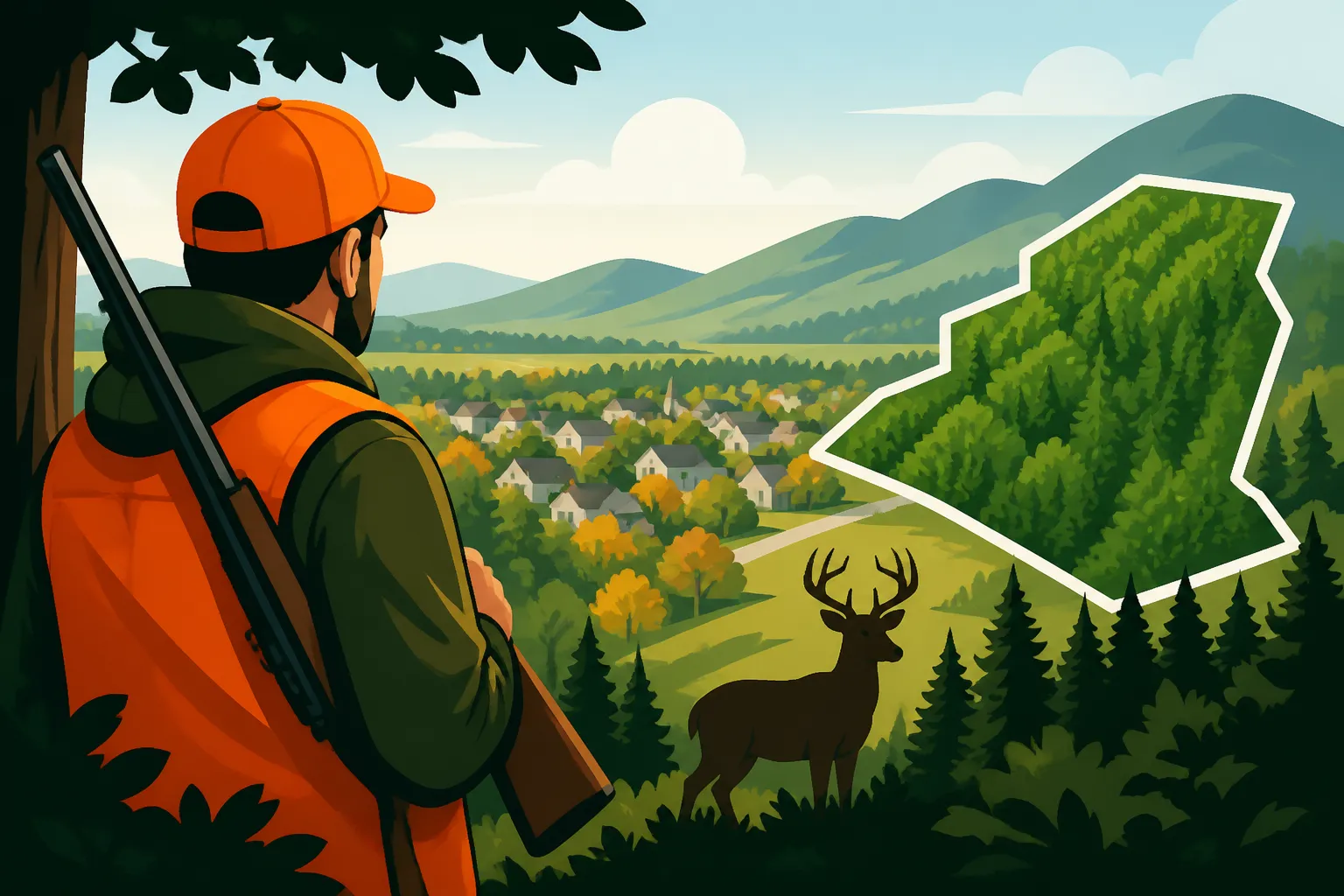
Unlike larger state or federal lands, town forests are typically smaller, ranging from a few dozen to a few hundred acres. This smaller scale is precisely what makes them unique. They are often nestled closer to communities, making them highly accessible for a quick morning or evening hunt. Because they're managed locally, you might find a different flavor of habitat work being done – perhaps a specific timber stand improvement project that creates ideal deer browse, or an old apple orchard being maintained. The local connection means these lands are often cared for by people who live nearby and have a vested interest in their health. This can lead to surprisingly good habitat for deer, turkeys, and small game.
However, their accessibility also means they can see varying levels of pressure. It's not uncommon to find a well-used walking trail or even cross-country ski trails within a town forest, so understanding the multi-use nature is key. But don't let that deter you; with the right approach, these areas can absolutely produce. Many hunters drive right past these spots on their way to a larger state or federal tract, unknowingly passing up some incredible potential.
Why They're Often Overlooked
It's easy to see why town forests might get overlooked. They aren't typically promoted on the state's main Fish & Wildlife department maps with the same prominence as WMAs, and they certainly don't have the same reputation as the sprawling federal lands. Their names are often simple, like "Pleasant Valley Town Forest" or "Maple Hill Conservation Area," not always screaming "prime hunting ground." Many mapping applications, while powerful, don't always highlight these specific ownership types with clarity unless you dig into the tax parcel data.
Another reason they fly under the radar is their size. In a state where hunters often think bigger is better, a 150-acre parcel might seem too small to hold much game or offer a quality experience. But deer don't read maps; they live where the food, water, and cover are. And often, these town forests provide exactly that, especially if they border private agricultural lands or other large tracts of unhunted timber. This "edge effect" can concentrate deer movement significantly. You'd be amazed at the number of good bucks that live their lives within a relatively small radius, especially if they feel safe. For hunters willing to put in the legwork to find them, these smaller parcels can offer consistent action without the intense competition found on more famous public grounds.
Finding and Researching Your Next Town Forest Hunt
The first step to hunting a town forest is, naturally, finding one! This requires a bit more detective work than simply pulling up a state WMA map, but the reward is often worth the effort.
Digital Tools for Discovery
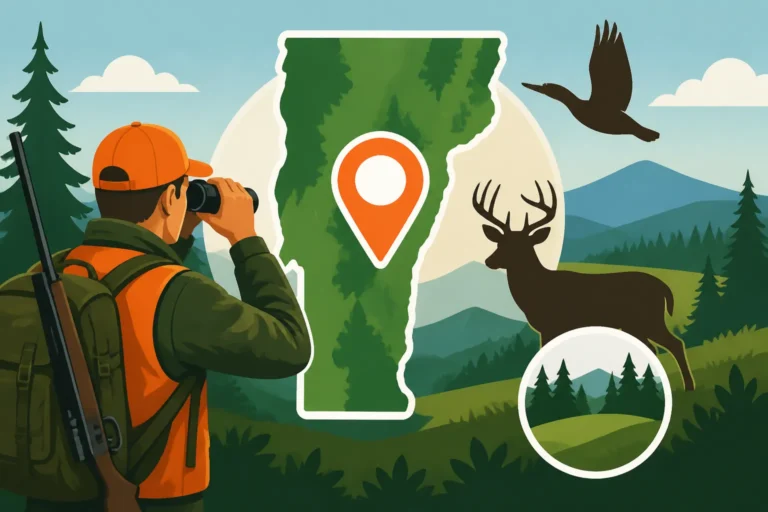
Modern technology has made this process significantly easier. My go-to, and what many folks I know rely on, is a robust mapping app. onX Hunt is a fantastic tool for this. You can activate the "Private Lands" layer which, while primarily showing private ownership, will often delineate town-owned parcels with clear boundaries. Look for sections marked as "Town Property" or similar. Once you find a potential parcel, zoom in and look for access points, parking, and topography. You can often see trails, old logging roads, and changes in elevation that might create natural funnels for deer.
Beyond general mapping apps, consider these resources:
- Town Websites: Seriously, this is a goldmine. Many Vermont towns have excellent websites that feature their local parks, conservation areas, and, yes, town forests. Look for sections on "Conservation Commission," "Recreation Department," or "Forestry Committee." They often have maps, management plans, and specific rules posted. You might even find historical aerial photos that show past timber cuts or changes in land use.
- Vermont Agency of Natural Resources (ANR) Website: While not specifically for town forests, the ANR website often has resources and links to local conservation efforts that might lead you to these parcels.
- Google Earth/Satellite Imagery: Once you've identified a parcel, punch it into Google Earth. You can get an incredible bird's-eye view, often better than what's on traditional maps, to see exactly what kind of cover, clearings, or water sources are present. Look for transitions in timber types, old fields, or dense softwood stands that might serve as bedding areas.
- GoHunt's Mapping Features (if available for Vermont public lands): While GoHunt is often associated with Western big game, some of its advanced mapping and research features can be surprisingly useful for understanding land types and potential habitat, depending on their state coverage details. Always check if their specific tools are robust for Vermont's particular public land designations.
When researching, pay close attention to the size of the parcel and its adjacency to other properties. A small town forest that backs up to a large, un-hunted private woodlot, or a major river corridor, is often far more appealing than a standalone island of timber surrounded by houses. The deer will use the larger, safer areas for bedding and move through the town forest for feeding or staging.
| Research Step | Tool/Method | Key Information to Look For |
|---|---|---|
| Identify Parcels | onX Hunt, Town Websites | Land ownership (Town Forest, Municipal), Acreage, Boundaries, Access |
| Evaluate Habitat | Satellite Imagery (Google Earth, onX) | Timber types, Clearings, Water sources, Edge habitat, Topography |
| Understand Regulations | Town Websites, Local Ordinances | Specific hunting rules, Parking, Multi-use trails, Permit requirements |
| Assess Pressure | Scouting (physical), Local knowledge | Presence of existing trails, Signs of other hunters, Proximity to homes |
Boots-on-the-Ground Reconnaissance
Once you've done your digital homework, it's time to hit the pavement. This might mean actually driving to the town forest and walking it, but it also means leveraging local knowledge.
- Talk to the Town Clerk: This might sound old-fashioned, but the town clerk's office is a treasure trove of information. They can confirm land ownership, tell you about any specific local ordinances regarding hunting (some towns have no-discharge zones, for example), and might even point you to the local conservation commission members who manage the parcel. You'll often find a friendly face willing to share insights about the area's history or local wildlife.
- Visit the Town Forest in the Off-Season: Take a hike through the property in the spring or summer. Look for old deer trails, rubs, scrapes, and bedding areas. Pay attention to how the land lays, where the thickest cover is, and where food sources like apple trees, oak ridges, or clear-cuts are. Seeing the forest in its full leafy glory can help you envision how deer will move through it once the leaves drop.
- Look for Public Access Points: Are there designated parking areas? Old logging road entrances? Make sure you know exactly where you can legally park and access the property. Nothing sours a hunt faster than a parking ticket or a towed vehicle.
- Observe Surrounding Properties: As mentioned, how a town forest sits in relation to private land is crucial. Does it border a large cornfield? An old dairy farm? Dense, un-hunted swamps? Understanding the larger landscape context will give you a huge advantage in predicting deer movement patterns. Even if you can't hunt the private land, knowing what's next door helps you anticipate where deer will enter and exit the town forest.
Remember, building good relationships with locals, including town officials and adjacent landowners, goes a long way in ensuring these hunting opportunities remain available. Be respectful, be observant, and be a good ambassador for hunting.
Strategies for Success in Town Forests
Hunting a town forest requires a slightly different approach than heading into a vast national forest. Given their smaller size and often closer proximity to human activity, smart strategy is paramount.
Adapting to Smaller Acreage and Pressure
The primary challenge in smaller town forests is often human pressure. Whether it's hikers, dog walkers, or other hunters, you're likely to encounter people. This means your tactics need to be refined.
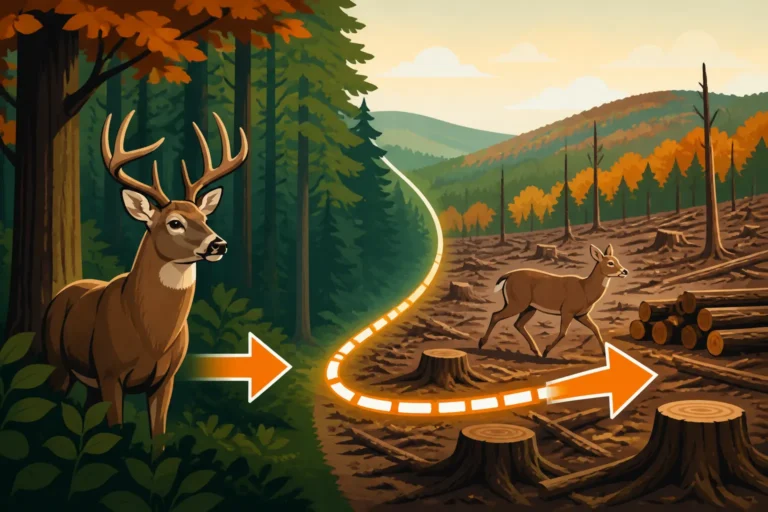
- Hunt the Edges and Transitions: Deer, especially mature bucks, often skirt the boundaries of human activity. Focus your efforts on the fringes of the town forest, particularly where it transitions into dense cover, private land, or less-traveled areas. These "soft edges" are where deer often feel safe moving during daylight.
- Early Morning and Late Evening: These are prime times in any hunting scenario, but they become even more critical in a town forest. Get in well before first light and be set up. Deer are more likely to be moving between bedding and feeding areas under the cover of darkness or low light, before human activity picks up. Similarly, stay until the very last legal minute in the evening. This also helps you avoid confrontations with early morning dog walkers or late afternoon hikers.
- Exploit the Unconventional: Don't just follow the most obvious trails. Look for thick, gnarly pockets of cover that most people avoid. Deer seek refuge where they feel secure, and often that's in places that are difficult for humans to navigate. This could be a dense stand of young hemlocks, a steep ravine, or a mucky beaver swamp. Finding Ground Others Walk Past is a critical skill here.
- Use Ground Blinds or Natural Cover: While treestands can work, setting up a well-brushed-in ground blind or utilizing natural cover like blowdowns or thick evergreens can be very effective. It keeps you low profile and can be less intrusive than a climbing stand in a multi-use area. Plus, it's often easier to set up quickly in a spot you might only be hunting for a single sit.
Reading the Local Landscape
Even in a small parcel, deer will have preferred routes and areas. It's up to you to decipher them.
- Identify Natural Funnels: Look for pinch points created by topography (a narrow ridge between two swamps), dense cover (a thicket bordering an open field), or even human-made features like old stone walls or fence lines. Deer will naturally gravitate to these routes as they minimize exposure and conserve energy. A narrow strip of woods connecting two larger blocks of cover, for instance, can be a killer funnel, especially during the rut. Hunting a Funnel Between Two Woodlots can be incredibly productive.
- Locate Food Sources: Town forests often have diverse vegetation. Look for mast crops like acorns or beech nuts, old apple trees, or areas where recent timber harvesting has created new browse. If the town forest borders agricultural fields, deer will be moving in and out to feed. Understanding what's on the menu will tell you where deer are likely to be spending their time. Even if the town forest itself doesn't have a primary food source, it might be a travel corridor to one nearby.
- Find Bedding Areas: While food is important, finding where deer feel safe resting is arguably more crucial. Look for thick, secure cover that offers good visibility and scent control from prevailing winds. This could be a dense patch of conifers on a south-facing slope, a jumble of blowdowns, or a steep, overgrown hillside. Deer will often bed on points or benches that allow them to see and smell danger approaching. Where Vermont Bucks Bed in Thick Cover is often not far from where you'll find them feeding.
- Wind and Thermals: In Vermont's often hilly or mountainous terrain, understanding how wind and thermals affect scent dispersal is non-negotiable. In the mornings, air often flows downhill; in the evenings, it rises. This can create predictable corridors for your scent to travel. Always hunt with the wind in your favor, positioning yourself so your scent doesn't blow into the area you expect deer to approach from. Even in smaller, flatter town forests, subtle elevation changes can create these thermal currents. Wind and Thermals in Steep Green Mountain Terrain apply on a smaller scale too.
Quiet Tactics and Low-Impact Hunting
Being a considerate hunter in a multi-use area is essential for maintaining access and a positive public perception.
- Move Silently: This isn't just about not spooking deer; it's about being respectful to other forest users. Still-hunting, moving slowly and deliberately, pausing frequently to observe, is often an excellent tactic in town forests. It allows you to cover ground quietly and detect deer before they detect you.
- Minimize Your Footprint: Leave no trace. Pack out everything you pack in. Be mindful of disturbing trails or leaving obvious signs of your presence. This helps preserve the wild character of the place for everyone.
- Consider a Ground Blind: If you're concerned about setting up a treestand in an area frequented by others, a ground blind can be an excellent alternative. Using a Ground Blind on Public Land can be done with minimal impact and offers good concealment without permanently altering the landscape. Just remember to remove it at the end of your hunt, unless local rules permit otherwise.
Navigating Rules, Regulations, and Respect
Hunting in any public area comes with rules, but town forests often have an extra layer of local ordinances you need to be aware of. Doing your homework here is critical.
Local Ordinances and State Laws
You are always subject to statewide hunting regulations, which cover everything from license requirements and season dates to blaze orange rules and legal weapons. For instance, you'll need your Vermont Hunting Licenses and What They Cost just like any other public land. However, town forests can have additional, site-specific rules.
- Check for Discharge Restrictions: Some towns have ordinances that restrict the discharge of firearms within certain distances of roads, dwellings, or other public use areas. This is particularly common in smaller, more populated towns. Make sure you understand these rules before heading out.
- Permit Requirements: While less common for hunting, some town forests require a special permit for certain activities, or for access to specific areas. Always check the town's website or contact the town clerk to verify.
- Specific Access Rules: Are ATVs allowed? Are there gates that are closed during certain times of the year? Can you park anywhere or only in designated spots? These logistical details can make or break a hunt.
- Blaze Orange: Even if you're bowhunting, during certain seasons like the Hunting a Bow During the Rifle Season Overlap, Vermont's blaze orange requirements apply. Always err on the side of safety and visibility, especially in multi-use areas. It protects you and alerts other users to your presence.
- CWD Prevention Rules: Be aware of statewide regulations related to Chronic Wasting Disease. Vermont's CWD Prevention Rules dictate things like carcass import restrictions and the ban on urine-based lures, which apply on all lands.
The best practice is to always consult the Vermont Fish & Wildlife Department's current hunting guide and the specific town's website or municipal office. Never assume that what applies in one town forest applies in another.
The Importance of Community Relations
As a hunter using town land, you are a guest in the community. How you conduct yourself can directly impact the future of hunting access on these parcels.
- Be Respectful of Other Users: You will likely encounter hikers, dog walkers, bird watchers, and mountain bikers. Be courteous. Share a friendly greeting. Make your presence known (safely!) and avoid any actions that could be perceived as aggressive or unsafe. If you're wearing blaze orange, it signals you're a hunter, but a polite wave or "Good morning" goes a long way.
- Adhere to Multi-Use Trail Etiquette: If you're using a designated multi-use trail to access your hunting spot, understand that you are sharing it. Don't block trails, don't leave trash, and be mindful of noise.
- Manage Your Game Responsibly: If you harvest an animal, do so discreetly and efficiently. Be prepared to quickly and cleanly get your animal out of the woods. Field dressing away from main trails and public view is always a good idea. Field Dressing a Deer in Cold Weather or any weather, is something to plan for. Having a game cart or a plan for extraction is important, especially since you might not be able to drive a vehicle onto some town forest trails.
- Be a Good Neighbor: If the town forest borders private land, be hyper-aware of property lines. Never trespass, even accidentally. If retrieving game that crosses onto private land, make sure you have Retrieving Game From Private Land in Vermont permission first. Proactive communication with landowners can often prevent issues before they arise.
- Support Local Conservation Efforts: Consider getting involved with the town's conservation commission or local land trust. Understanding their goals and even offering to volunteer can foster a positive relationship between hunters and the community that manages these lands.
Hunting a town forest parcel offers a unique opportunity for Vermont hunters. With careful research, a thoughtful strategy, and a respectful approach, these often-overlooked public lands can provide rewarding hunting experiences close to home. They are a testament to Vermont's commitment to public access and conservation, and it's up to us as hunters to ensure they remain viable hunting grounds for years to come.
Disclaimer
This article is for general informational purposes only and does not constitute professional advice. Laws, prices and regulations vary by location and change over time. Consult a qualified professional for guidance on your specific situation.