Vermont Five-Year Resident License Cost
Navigating the world of hunting licenses can often feel like deciphering ancient scrolls, especially when you're trying to figure out the best long-term option for your passion. Many Vermont hunters wonder if a multi-year license is truly a smart move, and what hidden costs might be lurking. This comprehensive guide aims to demystify the Vermont Five-Year Resident Hunting License, breaking down its true cost, what it covers, and how it fits into your annual hunting plans in the Green Mountain State.
The Lure and Reality of Vermont's Five-Year Resident Base License
For many seasoned hunters, the idea of a five-year license is incredibly appealing. Imagine skipping the annual scramble to renew your paperwork, especially when you're busy scouting new territory or perfecting your calls. It sounds like pure convenience, a set-it-and-forget-it solution that lets you focus on what really matters: being out in Vermont's incredible outdoors. However, it's essential to understand exactly what this extended license provides and, just as importantly, what it doesn't.
What a Five-Year Base License Actually Means
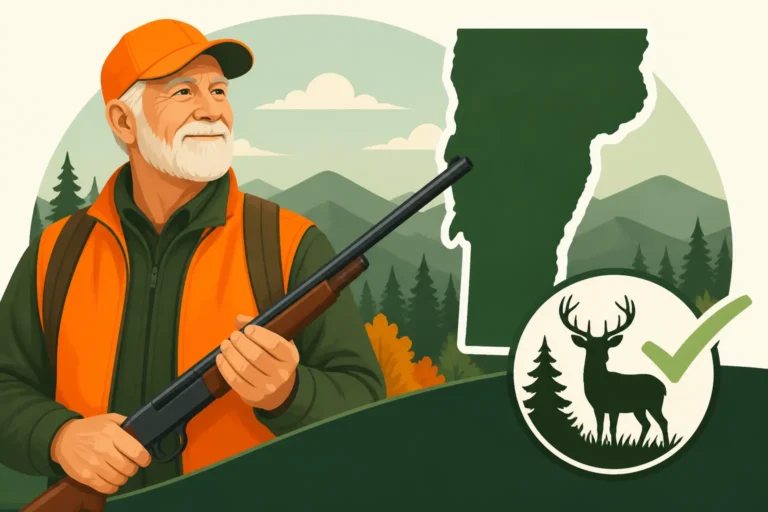
When you purchase a Vermont Five-Year Resident Hunting License, you're investing in the fundamental privilege to hunt in the state for five consecutive years. This base license is your ticket to pursuing small game like squirrel, rabbit, and even coyote, and it establishes your eligibility for specific big game permits. It's akin to buying a long-term membership to a club; it grants you access, but you still need to purchase individual tickets for special events. For example, you can't simply go deer hunting with just your base license; those coveted deer, bear, and turkey tags are entirely separate annual purchases.
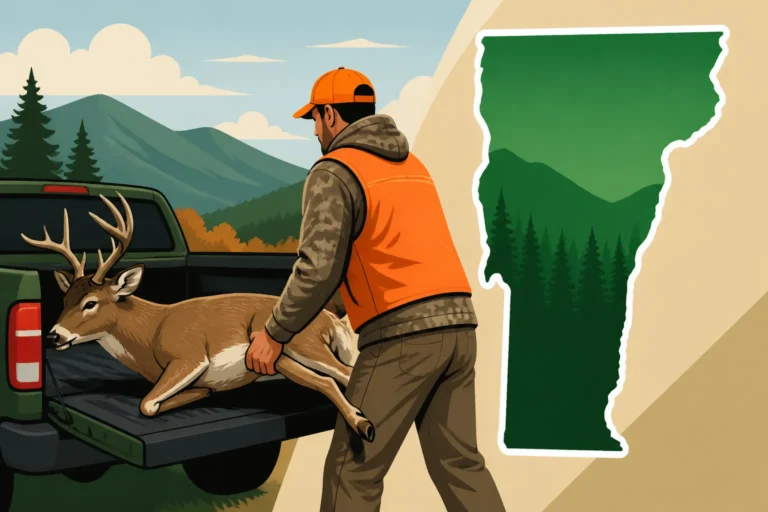
This distinction is crucial because a common misconception is that the five-year license bundles everything you need for big game for half a decade. That's simply not the case. While it certainly saves you the hassle of renewing your base hunting privileges each spring, you’ll still need to visit the Vermont Fish & Wildlife Department website, or a local agent, every year to secure your specific permits for deer, bear, and turkey. It's a fantastic convenience for the administrative side of things, but the operational costs of big game hunting remain an annual consideration.
Who Qualifies as a Vermont Resident Hunter?
Before you even consider a multi-year license, you need to firmly establish your status as a Vermont resident. The state has clear guidelines to determine who qualifies for these preferential rates, designed to ensure that resident benefits go to those who truly call Vermont home. Generally, to be considered a resident for hunting, fishing, and trapping license purposes, you must have resided continuously in Vermont for at least six months immediately preceding the application. This isn't just about owning property; it's about physical presence and an established domicile.
Proof of residency can include a Vermont driver's license, voter registration, vehicle registration, and state income tax filings. It's all about demonstrating a genuine intent to reside here permanently, or at least for the long term. For instance, if you're a student attending a Vermont college but maintain a permanent residence elsewhere, you likely won't qualify as a resident hunter. Understanding these criteria is the first, most important step, as non-residents face different licensing structures and significantly higher fees.
Deconstructing the Cost: Base License and Annual Add-ons
The initial price tag of a five-year license might seem substantial, but to truly assess its value, we need to compare it to the cumulative cost of annual renewals and factor in all the additional permits you'll invariably need. This is where many hunters get a little confused, so let's break it down in detail.
The Core Cost of the Five-Year Resident Hunting License
As of current rates, a Vermont Resident Hunting License purchased annually costs $28. For the convenience of a five-year commitment, the Vermont Fish & Wildlife Department offers a Resident Five-Year Hunting License for $135. You can also opt for a Resident Five-Year Fishing License for $135, or a Resident Five-Year Combination Hunting and Fishing License for $265. These prices reflect a slight discount over buying five individual annual licenses. For example, five annual hunting licenses would cost $140 ($28 x 5), so the five-year option saves you a modest $5. It might not seem like a huge saving upfront, but the real benefit, as many hunters will attest, lies in the sheer convenience and peace of mind.
This base license, whether annual or five-year, is your foundation. It grants you the right to hunt certain small game and legally carry a firearm for hunting purposes during open seasons. However, it explicitly does not include any big game tags. Think of it as your basic driver's license – you need it to drive, but you still need to buy gas for the trip. The biggest "cost" it offsets is the administrative headache of annual renewals, which for busy hunters is often worth more than a few dollars.
The Mandatory Annual Permits for Vermont Game
Here's where the annual budget planning comes in, even with your five-year base license. For each type of big game you wish to pursue, you'll need to purchase a specific permit every single year. These permits are critical for managing game populations and are vital components of the state's wildlife conservation efforts. For instance, if you're planning on chasing whitetails, you'll need a Resident Archery Deer Permit ($28), a Resident Muzzleloader Deer Permit ($28), or an Antlerless Deer Permit (price varies by WMU, often around $10 for the primary permit). If you want to hunt during the general November rifle season, your base license covers that, but you'll still need to secure any antlerless tags if you plan to harvest a doe.
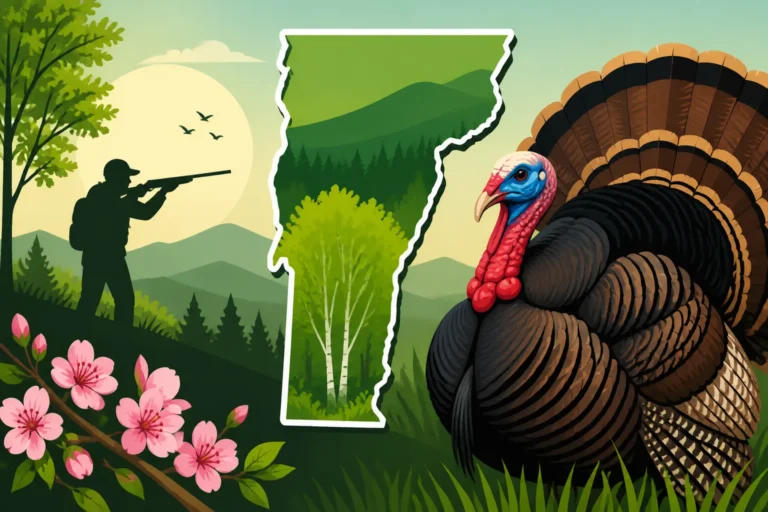
Beyond deer, if you're hoping to call in a spring gobbler, you’ll need an annual Resident Turkey Permit ($20). For those rugged bear hunts, a Resident Bear Permit ($25) is required. And, of course, the highly sought-after moose tags are part of an annual lottery system, with a significant cost if you're lucky enough to be drawn, as detailed in the Vermont Moose Lottery Application Process. This layering of permits means that while your base hunting privilege is secured for five years, your actual yearly hunting expenses will fluctuate depending on what species you target. Programs like GoHunt can be incredibly useful for keeping track of these annual permit requirements and understanding key season dates such as Hunting the Rut in Early-to-Mid November or the Vermont Regular Archery Opening Day. You'll want to stay up-to-date on all regulations, including the specifics of the Vermont's New Archery-During-Rifle Overlap Rule.
Weighing the Long-Term Value: Annual vs. Five-Year Purchase
To truly appreciate the financial aspect of the five-year resident hunting license, let's look at a direct comparison. While the monetary savings are minimal, the convenience factor is often the primary driver for choosing the multi-year option.
| License Type | Annual Cost (Base Hunting) | Total Cost Over 5 Years | Your Savings (vs. 5 Annual) | Primary Benefit |
|---|---|---|---|---|
| Annual Resident Hunting | $28 | $140 ($28 x 5) | N/A | Flexibility, no long-term commitment. |
| Five-Year Resident Hunting | $135 (one-time) | $135 | $5 | Convenience, saves yearly renewal hassle, minor cost saving. |
As you can see, the direct financial saving is pretty modest at $5 over five years. However, the intangible benefits are what often sway hunters. Not having to remember to renew your base license every single year can be a huge relief, especially if you lead a busy life. It frees up mental space and ensures you're never caught off guard when a spontaneous hunting opportunity arises, at least concerning your base license. This long-term investment solidifies your commitment to hunting in Vermont and streamlines a small, but often overlooked, part of your annual preparation.
Securing and Managing Your Multi-Year Hunting Privileges
Once you've decided the five-year resident license is right for you, the process of acquiring it is straightforward. However, maintaining your hunting eligibility involves a little more than just the initial purchase, especially with the annual nature of big game permits.
Navigating the Vermont Fish & Wildlife Online Portal
The most convenient way to purchase your Vermont Five-Year Resident Hunting License is through the Vermont Fish & Wildlife Department's online licensing portal. This system is designed to be user-friendly, allowing you to complete your transaction from the comfort of your home. You'll need to provide your personal information, proof of residency, and any required hunter education certification. The platform guides you through each step, making it a much smoother experience than previous generations of hunters might recall. This digital approach also simplifies the process of getting your tags, as outlined in Buying a License Through Vermont's Online Portal.
After your purchase, you'll receive a digital copy of your license. While carrying a physical copy is always a good idea, Vermont law also allows for Carrying Proof of License on Your Phone. This means you can keep your license readily accessible on your smartphone, a modern convenience that cuts down on paper clutter. For managing your digital documents and staying on top of various deadlines, including those for annual tags, digital platforms and apps, such as GoHunt, can be a great asset for hunters seeking to streamline their preparation.
Essential Annual Actions and Staying Informed
Even with a five-year base license, your hunting responsibilities don't end there. Every year, you’ll still need to purchase your specific permits for deer, bear, and turkey. These are critical for legal hunting and for the state’s wildlife management efforts. For example, if you plan to participate in the October muzzleloader season, you'll need that specific permit. Likewise, come spring, if you're hoping to bag a gobbler, you'll need to remember those Vermont Spring Turkey Season Dates and purchase the appropriate turkey permit.
Furthermore, regulations can change from year to year. While your base license remains valid, specific season dates, bag limits, and even equipment restrictions can be updated. For instance, staying abreast of developments regarding Vermont CWD Prevention Rules is crucial for all hunters to help protect our deer herd. The Vermont Fish & Wildlife Department regularly publishes updated regulations, and it's your responsibility as a hunter to review them annually. Using a service like GoHunt can be incredibly helpful here, as they often provide summaries and alerts regarding changes in regulations, helping you stay compliant and informed. Remember to also understand the Vermont Deer Reporting Requirements for every animal harvested.
Common Questions and Unexpected Scenarios
Even the most straightforward licensing systems can have nuances. A five-year license brings its own set of unique questions, especially concerning long-term commitments and unforeseen circumstances.
What if Your Residency Changes During the Five Years?
Life happens, and sometimes plans change. What if you've purchased your Vermont Five-Year Resident Hunting License and, a couple of years in, you decide to move out of state? Unfortunately, Vermont's regulations are quite clear on this: resident licenses are tied directly to your residency status. If you cease to be a Vermont resident, your resident license effectively becomes invalid. The state does not typically offer refunds for the unused portion of a multi-year license if your residency status changes.
Nor can you usually convert a resident license to a non-resident one. This means that if you move to, say, New Hampshire or New York, you would then need to purchase a non-resident license for Vermont, if you still wished to hunt here, at the higher non-resident rate. It's a risk factor to consider when committing to a multi-year purchase, although for most long-term residents, it's a minimal concern. This is why confirming your long-term residency plans before purchasing a five-year option is always a good idea.
Dealing with License Revocation or Suspension
While none of us like to think about it, hunting license revocation or suspension is a serious consequence of violating fish and wildlife laws. Even with a five-year license, serious infractions can lead to its immediate invalidation. This means that if you commit a violation that results in a license suspension, your five-year license will be revoked, and you will not receive a refund for the remaining years. The penalties for wildlife violations in Vermont can be substantial, ranging from fines to loss of hunting privileges for extended periods, as detailed in Vermont Wildlife Violation Penalties.
It serves as a stark reminder of the importance of ethical hunting practices and strict adherence to all regulations. Respect for wildlife, landowners, and fellow hunters is paramount, and the responsibility to know and follow the law rests squarely on each hunter’s shoulders. A multi-year license is a privilege, not an entitlement, and can be revoked if legal standards are not met.
Planning Ahead: Hunter Education and Apprentice Options
For anyone considering hunting in Vermont, whether with a five-year license or an annual one, completing a hunter education course is a fundamental requirement. This mandatory training ensures that all hunters understand firearm safety, wildlife conservation principles, and ethical hunting practices. If you haven't already taken a hunter education course, this needs to be completed before you can purchase any hunting license. You can find more information about course availability and requirements through Vermont Hunter Education Requirements.
For those who are new to hunting or introducing someone to the sport, Vermont also offers an apprentice hunting license program. This allows a new hunter, under the direct supervision of an experienced mentor, to try hunting before completing the full hunter education course. It’s an excellent pathway for individuals to experience the thrill and challenge of hunting firsthand, helping them decide if they want to fully commit to the sport and the necessary education. This program ensures that new hunters are learning safely and responsibly, instilling good habits from the very beginning.
Disclaimer
Please note that hunting regulations, license costs, and season dates are subject to change by the Vermont Fish & Wildlife Department. While this guide provides the most current information available at the time of writing, it is always the hunter's responsibility to verify all regulations and dates directly with the official Vermont Fish & Wildlife Department resources before heading into the field.