Vermont Landowner Moose Tag Allocation
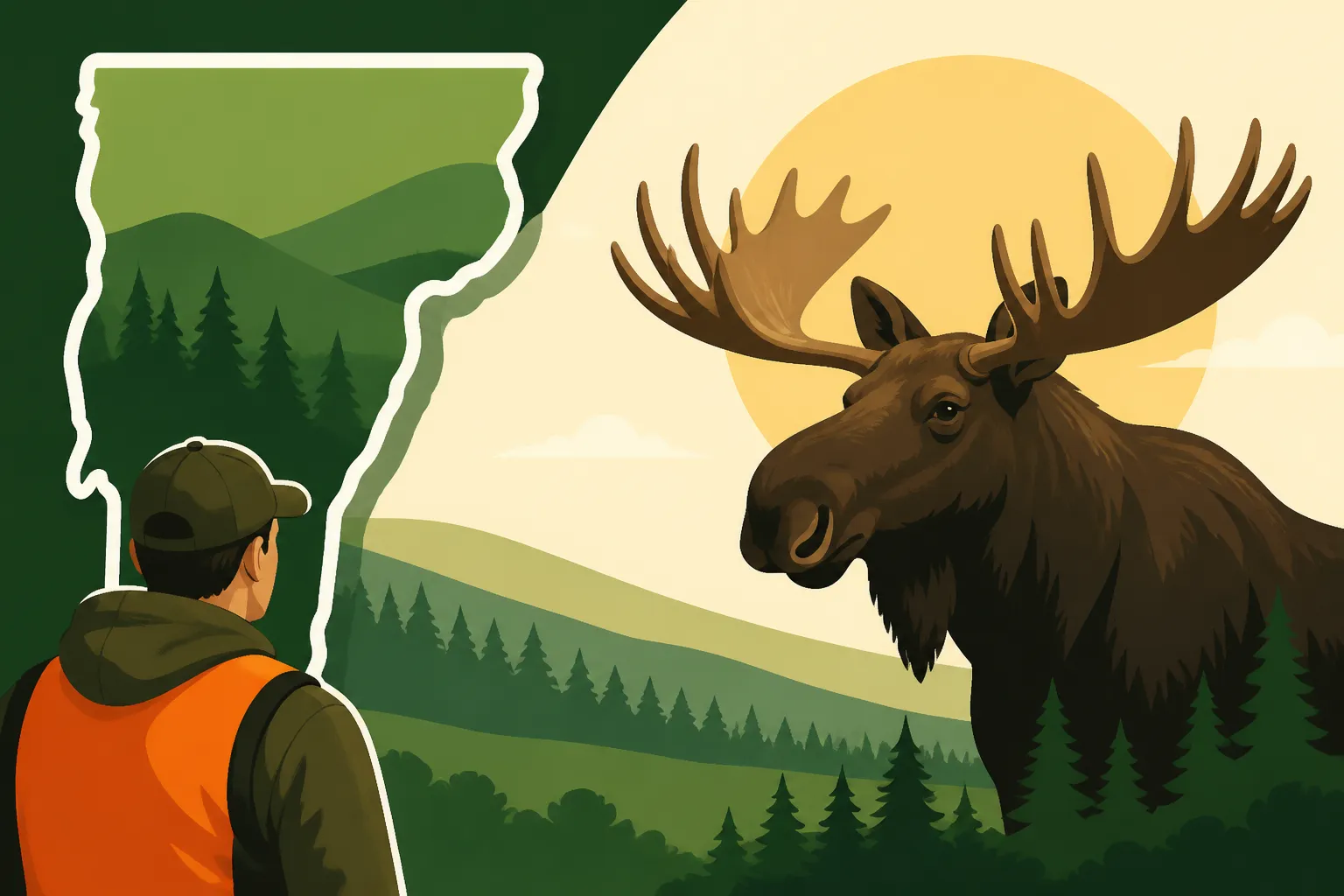
Navigating the complexities of moose hunting in Vermont can be incredibly rewarding, but for many landowners, understanding how their property factors into the highly coveted moose permit lottery is often shrouded in confusion. You might own a significant parcel of prime moose habitat, yet feel unsure if that gives you any real advantage in drawing one of Vermont's extremely limited moose permits. This comprehensive guide aims to demystify the Vermont landowner moose tag allocation process, detailing the specific preference system in place and outlining how eligible landowners can increase their chances of participating in this unique hunt.
Understanding Vermont's Landowner Moose Permit Preference
It’s a common misconception that Vermont offers a separate pool of moose tags exclusively for landowners. In reality, Vermont operates on a landowner preference system within the state's highly competitive annual moose permit lottery. This means that while landowners don't get their own distinct tags, eligible resident landowners are given a significantly better chance in the drawing for the general moose permits. This system is designed to acknowledge the important role private landowners play in habitat conservation and wildlife management across the state.
The Vermont Fish and Wildlife Department recognizes that much of the state's critical moose habitat lies on private land. By offering a preference in the lottery, the state encourages landowners to maintain wildlife-friendly practices and fosters a collaborative approach to managing the moose population. This isn't just about giving a nod to property owners; it's a strategic component of the broader effort to manage moose densities, particularly in light of challenges like the impact of winter ticks. The state carefully determines the total number of permits each year, factoring in population estimates, biological health, and management goals, often aiming for specific harvest numbers in designated Wildlife Management Units (WMUs). Understanding the broader context of Vermont's Moose Density Reduction Efforts can shed more light on why these permits are so valuable and strategically distributed.
Eligibility and Application Process for Landowners
To qualify for Vermont's landowner preference in the moose permit lottery, specific criteria must be met. It's not enough to simply own a few acres; the state has clear guidelines to ensure the preference is applied fairly and effectively.
Meeting Acreage and Residency Requirements
The primary requirement for landowner preference is owning at least 25 contiguous acres of land in Vermont. This land must be managed in a way that provides habitat for wildlife, which, for many, is naturally the case for undeveloped or agricultural properties. Beyond the acreage, the applicant must be a Vermont resident. This ensures that the preference benefits those who live in and contribute to the local ecosystem and economy. The idea is to empower residents who are actively stewarding Vermont's landscape to participate more directly in its wildlife management. If you're a non-resident looking to hunt moose, you'll enter the general lottery, which has an even slimmer chance of success due to the limited number of non-resident permits.
Navigating the Application Steps
The application process for landowners is integrated into the general Vermont Moose Permit Lottery. There isn't a separate application form, but rather a specific checkbox or section within the standard lottery application where you declare your landowner status and provide details about your property. You'll need to accurately report your acreage and provide verification of ownership if requested.
Here's a breakdown of the general steps, with landowner specifics highlighted:
- Obtain a Vermont Hunting License: Before applying for any big game lottery, you must have a valid Vermont hunting license.
- Complete the Moose Lottery Application: Applications are typically available online through the Vermont Fish and Wildlife Department portal. When filling it out, look for the section pertaining to landowner preference.
- Provide Property Details: You'll be asked to confirm your property's acreage and location. It's wise to have your property deed or tax information handy to ensure accuracy. For instance, using mapping tools like GoHunt can help you quickly verify your contiguous acreage and property boundaries, ensuring you meet the 25-acre threshold.
- Select Your WMU Preference: Like all applicants, you'll need to choose the WMU or WMUs where you wish to hunt if drawn. While your land provides preference in the drawing, the permit itself is still specific to a WMU, so choose wisely based on where you’d actually hunt or where you know moose are abundant. You might be interested in How Many Moose Live in Vermont in specific areas before making your choice.
- Pay the Application Fee: There is a non-refundable application fee for entering the lottery. This fee is the same for both general applicants and those applying with landowner preference. The Vermont Moose Lottery Application Fee is a small price for a chance at a highly sought-after permit.
- Meet the Deadline: Pay close attention to the application deadline, usually in June or July each year. Missing this deadline means missing your chance for the current season.
Here’s a simplified table outlining the key differences and requirements:
| Feature | General Lottery Applicant | Resident Landowner Preference Applicant |
|---|---|---|
| Residency | Resident or Nonresident | Must be a Vermont Resident |
| Land Ownership | Not required | Owns 25+ contiguous acres in Vermont |
| Application Form | Standard Moose Lottery Application | Standard Moose Lottery Application (with preference declaration) |
| WMU Selection | Required | Required |
| Application Fee | Yes | Yes |
| Drawing Odds | Lower | Significantly Higher (within the preference pool) |
| Permit Cost (if drawn) | Vermont Moose Permit Cost If Drawn (Same) | Vermont Moose Permit Cost If Drawn (Same) |
Once you’ve submitted your application, it's a waiting game until the drawing, usually held in late summer. For up-to-date information on application dates and results, always refer to the official Vermont Fish and Wildlife Department website. Platforms like GoHunt can sometimes offer notification services or calendared reminders for these critical deadlines, which can be invaluable when you're juggling a busy schedule.
Benefits, Responsibilities, and Hunting the Permit
Securing a Vermont moose permit, especially through the landowner preference system, is a significant achievement. With this privilege come both clear benefits and important responsibilities.
The Advantages of Landowner Preference
The most obvious benefit of landowner preference is the greatly improved odds of drawing a permit. In a lottery where thousands apply for a mere handful of Vermont's Eighty-Five 2026 Moose Permits (the number changes annually, so refer to the current year's allocation), any advantage is crucial. For a resident landowner, this preference can turn a near-impossible dream into a tangible opportunity to harvest a moose.
Beyond the statistical advantage, drawing a permit allows you to participate directly in the management of the state's moose population. Hunters often develop a deep connection to the land they hunt, and for a landowner, this connection is even more profound. Successfully harvesting a moose on or near your own property offers an unparalleled sense of accomplishment and a unique way to steward your land. Imagine the satisfaction of Hunting a Drawn Moose Zone in the Northeast Kingdom, knowing your commitment to land ownership helped make it possible.
Understanding Your Responsibilities
While the preference is a benefit, it’s not without its obligations. The landowner permit system is intertwined with the state's broader moose management objectives, which primarily involve addressing moose health challenges, particularly the severe impact of Why Winter Ticks Threaten Vermont Moose. If you draw a permit, you are expected to abide by all hunting regulations, including season dates, legal methods, and reporting requirements. This includes the crucial step of reporting your harvest to the Vermont Fish and Wildlife Department, which provides vital data for future management decisions.
One often overlooked aspect, especially if your land is enrolled in Vermont's "Current Use" program which provides property tax benefits in exchange for public access, is understanding how your permit interacts with public land access rules. While the landowner preference in the moose lottery itself doesn't automatically impose public access, if your property is already part of a program that encourages it, you should be mindful of existing agreements. Always clarify any specific public access stipulations related to your property's enrollment in state programs. This transparency helps maintain good hunter-landowner relations throughout the season.
Hunting with Your Moose Permit
Once you have your permit, the real work and excitement begin. Vermont moose hunting is a challenging but incredibly rewarding pursuit. Most moose permits are for "any-moose," meaning you can harvest either a bull or a cow, though specific WMUs might have antlerless-only permits depending on management needs. Hunters drawn for a permit will be assigned a specific WMU, and you must hunt within that designated area. This makes Moose Hunting Vermont's Northeast Kingdom (if drawn for that WMU) a distinct experience from hunting in the Green Mountains or Champlain Valley.
Hunting methods vary, but successful moose hunters often spend considerable time scouting, locating fresh sign, and understanding moose behavior. Moose are large, powerful animals, and the logistics of Packing Out a Vermont Moose require careful planning and often a team effort. Many hunters employ traditional still-hunting tactics, slowly traversing dense cover where moose prefer to browse, while others utilize calling techniques to draw in a curious animal. Regardless of your approach, responsible hunting practices and safety are paramount.
The Broader Context of Moose Management in Vermont
Vermont's moose population has seen significant changes over the decades. While once a burgeoning success story of wildlife recovery, the herd has faced increasing pressure, primarily from the relentless onslaught of winter ticks. These parasites can heavily infest moose, especially calves, leading to severe blood loss, hair loss, and sometimes death. This critical issue drives much of the Vermont Fish and Wildlife Department's moose management strategy.
Balancing Conservation and Hunting Opportunities
The limited number of moose permits issued each year directly reflects the state's cautious approach to managing its moose population. The goal is not just to provide hunting opportunities, but primarily to maintain a healthy, sustainable moose herd. Vermont's Winter-Tick-Driven Moose Permit Strategy is a prime example of adaptive management, where permit numbers are adjusted to help reduce moose density in areas where tick loads are highest, thereby improving overall herd health.
Landowners play an integral role in this delicate balance. By providing undisturbed habitat and by participating in the hunting lottery, they contribute directly to data collection and population control efforts. Their involvement helps ensure the future of moose in Vermont. The Vermont Landowner Preference Rules are not just a perk; they are a recognition of this partnership in conservation. It's a continuous cycle of monitoring, assessing, and adapting, all aimed at protecting one of Vermont's most iconic big game species for generations to come.
Disclaimer
The information provided in this guide is for informational purposes only and is subject to change. Hunting regulations, permit availability, and application processes are determined by the Vermont Fish and Wildlife Department and can be updated annually. Always consult the official Vermont Fish and Wildlife Department website and current hunting regulations for the most accurate and up-to-date information before planning any hunting activities.