How Many Ducks Winter on Lake Champlain
The sight of Lake Champlain in the deep grip of winter, with icy fingers reaching across vast expanses, can fool you into thinking all life has fled south. But for dedicated waterfowl enthusiasts, the question isn't whether ducks are still around, but how many hardy souls brave the frigid Vermont winter on this colossal lake. This guide will dive deep into the fascinating world of Lake Champlain's wintering duck populations, exploring why these birds choose to stay, the challenges they face, and how hunters and naturalists alike can better understand their seasonal patterns.
The Allure and Mystery of Wintering Ducks on Lake Champlain
Lake Champlain is a truly unique body of water, and while it's famous for its summer recreation and year-round fishing, it transforms into a critical, albeit harsh, wintering ground for a surprising number of waterfowl. Understanding how many ducks winter on Lake Champlain isn't a simple count; it's a dynamic puzzle influenced by weather, food, and the sheer resilience of these birds.
Why Lake Champlain is a Winter Haven
Even as ice grips the shallower bays and shorelines, Lake Champlain's immense depth, particularly in its central and northern basins, creates a thermal anomaly. This deep water resists freezing much longer than shallower lakes, often holding vast stretches of open water through the harshest cold snaps. These open water areas are absolute magnets for ducks that require unfrozen access to survive. Beyond the open water itself, the lake offers a mosaic of diverse habitats. Sheltered coves, river mouths like the Lamoille or Missisquoi that feed warmer water into the lake, and areas with consistent currents provide critical refugia from biting winds and driving snow. The abundant aquatic vegetation, mussels, and invertebrates, even under ice, serve as vital food sources for these birds. It's a testament to the lake's ecological richness that it can support such a vibrant, cold-weather community.
The Challenges of Estimating Wintering Populations
Trying to put an exact number on how many ducks winter on Lake Champlain is like trying to count snowflakes in a blizzard – it's a constantly shifting target. The sheer size of the lake, stretching over 120 miles long and up to 12 miles wide, makes comprehensive surveys incredibly difficult. Birds are highly mobile; they might be huddled in a protected cove one day and feeding miles away in open water the next. Ice conditions play a massive role, too. A sudden deep freeze can push thousands of birds south overnight, while a mid-winter thaw can bring new arrivals or allow birds to disperse widely. Observer bias and accessibility are also factors. Biologists rely on aerial surveys, which are expensive and weather-dependent, and ground observations from a limited number of access points. Even with tools like GoHunt that help analyze terrain and access points, accurately assessing numbers across such a dynamic and vast landscape remains a significant undertaking, leading to estimates rather than precise counts.
Factors Influencing Wintering Duck Numbers
The number of ducks that call Lake Champlain home during the winter isn't static; it's a fluctuating figure, largely dictated by environmental conditions that change annually. This makes each winter a unique challenge for both the ducks and those studying them.
Food Availability and Ice Conditions
At the heart of any duck's decision to winter in a particular location is food, and Lake Champlain provides it in various forms. For diving ducks, the lake's bottom offers mussels, snails, and aquatic insects. For dabblers, submerged vegetation, seeds, and waste grains from adjacent farm fields are crucial. However, the accessibility of this food is directly tied to ice conditions. A mild winter with extensive open water means more feeding grounds are available, allowing a larger population to stay comfortably. Conversely, a severe freeze that locks up large portions of the lake can rapidly deplete accessible food, forcing birds to move on or suffer severe nutritional stress. Understanding these dynamics is key to appreciating Vermont Duck and Goose Numbers. Hunters watching conditions often use mapping tools like GoHunt to identify areas that tend to stay open or break up first, as these are often prime spots for concentrated birds seeking sustenance.
Migration Patterns and Weather Systems
The overarching weather patterns, both locally in Vermont and across the broader Atlantic Flyway, profoundly impact when and how many ducks arrive and stay on Lake Champlain. Early, heavy snowfalls and prolonged cold snaps to the north can push birds south earlier and in larger numbers. Conversely, a warm, open fall can mean birds linger much further north on smaller, unfrozen water bodies before being pushed to Lake Champlain as a last resort. Major storm fronts or prolonged periods of extreme cold act as natural "funnels," concentrating birds into the largest available open water, such as the main lake basin. As you might expect, Duck Migration Timing Through Vermont is less of a hard-and-fast schedule and more of a fluid response to these continental weather systems. Lake Champlain often serves as a stopover or the very northern edge of many species' wintering range, making its population highly responsive to these climatic shifts.
Human Disturbance and Habitat Quality
While natural factors dominate, human activity also plays a role, albeit usually a lesser one for wintering birds on the main lake. High levels of recreational activity—ice fishing, snowmobiling on frozen bays, or even frequent boat traffic in larger open water sections—can displace birds from preferred loafing or feeding areas. Shoreline development, while not as critical for the main lake's deep-water wintering areas, can reduce smaller, sheltered coves and tributary mouths that offer refuge. Maintaining critical habitat quality, especially areas with diverse vegetation and minimal disturbance, ensures that Lake Champlain remains an attractive and viable wintering ground. Conservation efforts around the lake, including those by local land trusts and state agencies, aim to protect these vital areas.
Common Species That Brave the Vermont Winter
It's not just any duck that decides to tough it out on Lake Champlain through the coldest months. Specific species have evolved specialized adaptations that allow them to endure the ice, snow, and frigid waters, transforming the lake into a bustling, if cold, avian metropolis.
Diving Ducks: Hardcore Cold-Weather Warriors
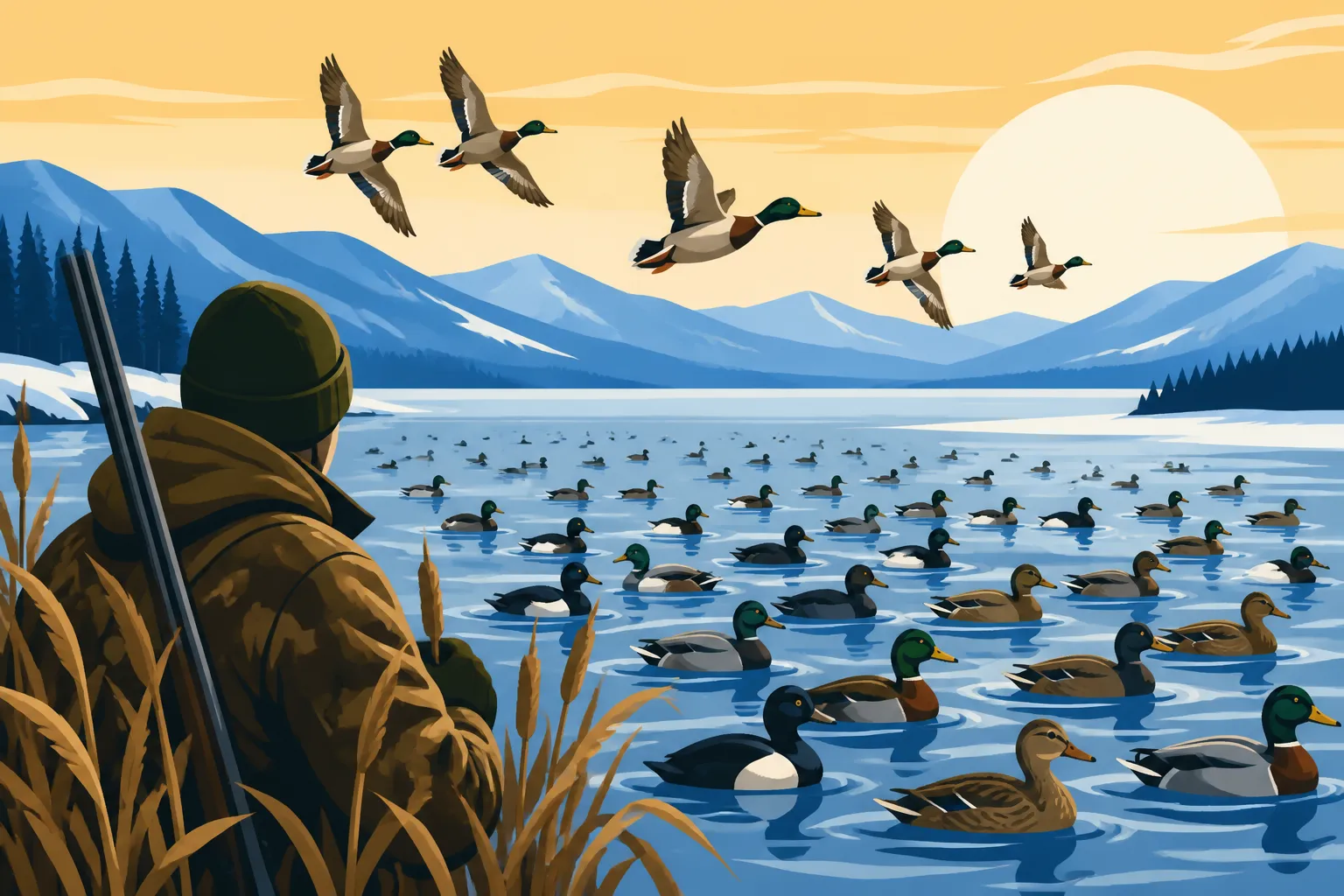
When you're asking how many ducks winter on Lake Champlain, you'll find a significant proportion are diving ducks, built for the cold and perfectly adapted to feeding beneath the surface. Species like Greater and Lesser Scaup, often seen in large rafts, are stalwarts, feasting on mussels and aquatic invertebrates. Common Goldeneyes and Buffleheads are also common, with their distinctive white patches and buoyant diving styles. These are tough birds, their dense plumage and efficient metabolism allowing them to conserve heat. You'll often spot them where currents keep water open, like around river mouths or in the main lake's deep, central channel. Canvasbacks, with their sleek profiles, will also often be present, though typically in smaller numbers than scaup. Their diet is more varied, including aquatic plants, but they are equally adept at cold-water diving. These birds are a true spectacle, demonstrating incredible resilience against Vermont's harsh winter elements.
Dabbling Ducks and Their Winter Adaptations
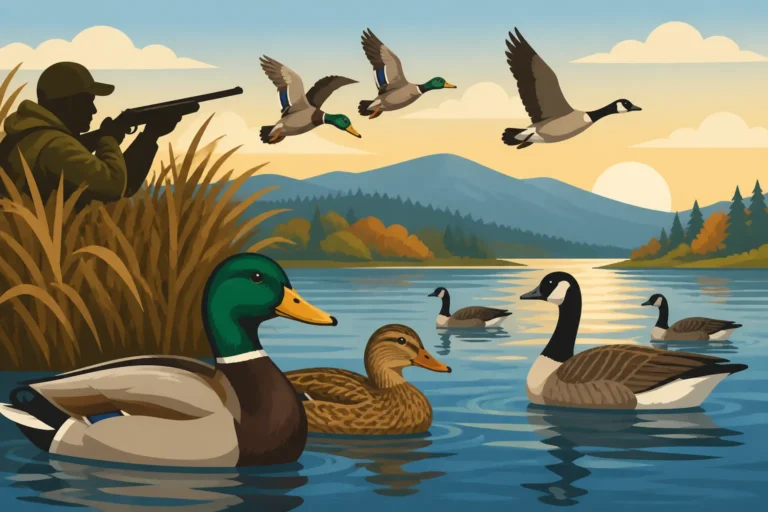
While diving ducks dominate the open water, a surprising number of dabbling ducks also manage to winter on Lake Champlain, particularly in areas where calmer, shallower waters or springs provide access to food. Mallards are perhaps the most recognizable, and a good portion of the local population will often stay as long as there's open water and available grain in nearby fields. American Black Ducks, known for their wariness and resilience, are also frequently found, often mingling with mallards. They utilize unfrozen edges, small seepages, and areas where cornfields or other agricultural lands meet open water, allowing them to tip up and feed without fully submerging. Various species of mergansers, like the Common Merganser, are also common sights, though they are technically fish-eating ducks rather than true dabblers. Their serrated bills are perfectly designed for grasping slippery fish, and they thrive in the open waters, demonstrating how diverse the wintering waterfowl community on the lake truly is. Hunting a Lake Champlain Marsh might not be productive in deep winter, but these dabblers often hug the fringes where marshes meet persistent open water.
How Biologists and Hunters Track These Numbers
Knowing how many ducks winter on Lake Champlain is vital for conservation and management, and both scientific professionals and dedicated hunters contribute to understanding these dynamic populations, often facing similar challenges in the process.
Aerial Surveys and Citizen Science Efforts
Biologists primarily rely on annual aerial surveys, typically conducted in mid-winter when bird populations are most stable and concentrated in larger bodies of water like Lake Champlain. These surveys involve flying predetermined transects over the lake and meticulously counting visible waterfowl. This method provides the most comprehensive snapshot, but it's expensive, weather-dependent, and still subject to estimation errors given the vastness of the lake and the birds' mobility. Complementing these official efforts are citizen science programs. Birdwatchers, naturalists, and even recreational hunters contribute valuable data through platforms that log sightings. These ground-level observations, though localized, can help confirm species presence, identify critical wintering hotspots, and provide a finer-grained understanding of distribution. Every pair of binoculars pointed at the lake, every observation recorded, contributes to a larger picture of Lake Champlain's wintering waterfowl.
The Role of Hunter Observations and Data
Hunters are often on the ground—or ice—when few others are, providing unique insights into duck behavior and numbers. Their direct experience observing rafts of birds, noting their feeding habits, and seeing which species persist through specific cold snaps is invaluable. State agencies also collect crucial data through hunter harvest reports. When hunters register their waterfowl, they provide information on the species and number of birds taken. This data, compiled annually, helps biologists track population trends and understand the health of various duck populations that utilize Lake Champlain. For example, patterns in Vermont Duck Harvest Numbers can indicate fluctuations in species abundance or changes in migration patterns. Furthermore, Vermont Waterfowl Banding Programs rely on hunter cooperation, as banded birds that are harvested and reported provide direct information on migration routes, survival rates, and wintering locations. This collaborative effort between hunters and wildlife agencies is essential for the long-term sustainability of waterfowl populations.
The Hunter's Perspective: Finding Wintering Birds
For the dedicated waterfowl hunter, the question of how many ducks winter on Lake Champlain quickly translates into where can I find them? Hunting these cold-weather survivors demands a unique set of skills, gear, and an intimate understanding of the lake's winter personality.
Scouting Strategies for Late Season
Hunting wintering ducks on Lake Champlain requires meticulous scouting. Forget the early season optimism; now it's about finding the absolute necessities: open water and food. Ducks will be concentrated in areas where currents or deep water prevent freezing, or where warmer river inflows create pockets of accessible water. Look for prominent points, river mouths, or areas where natural springs keep the ice at bay. Tools like GoHunt or other mapping apps are incredibly useful for identifying these features and marking potential access points. Many hunters spend hours simply glassing the lake from high vantage points, identifying large rafts of birds from afar. Pay close attention to wind direction, as birds will naturally seek shelter from brutal northwesterlies. The smaller, often overlooked pockets of open water can be goldmines, as they offer refuge and less disturbance than the vast main lake.
Gear and Tactics for Cold Weather Hunts
Hunting in winter on Lake Champlain is not for the faint of heart. The right gear is absolutely non-negotiable for safety and success. Layering is paramount, with a focus on waterproof and windproof outer shells. Neoprene or insulated waders, like those mentioned in Best Waders for Lake Champlain Duck Hunting, are a must, even if you don't plan to be in deep water, as ice edges can be treacherous. Blinds, whether natural or manufactured, need to be well-brushed in and offer maximum protection from the elements. Decoy spreads should be robust, with plenty of motion decoys to grab attention on the often-stark winter landscape. Large, visible decoys are key, and a spread specifically designed for the vastness of Lake Champlain, such as outlined in Best Duck Decoy Spread for Lake Champlain, can make a difference. Calling needs to be assertive to cut through the wind, but not overdone. Often, a few confident quacks are more effective than a full repertoire. Safety is paramount; always hunt with a buddy, have a means of communication, and be acutely aware of changing ice and weather conditions. Remember the Vermont Lake Champlain Zone Waterfowl Dates to ensure you're hunting legally within season.
How Lake Champlain Supports a Thriving Winter Waterfowl Ecosystem
Lake Champlain is far more than just a big pond on Vermont's border; it's a dynamic, living system that, even under the harshest winter conditions, provides essential resources for a remarkable array of waterfowl. Its deep waters, varied shorelines, and consistent food sources combine to create a critical winter refuge for ducks that would otherwise be pushed much further south. From the hardy diving ducks that brave the open ice to the more secretive dabblers tucked into protected pockets, the lake demonstrates an incredible capacity to sustain life when most other northern waters are frozen solid. Understanding these populations, and the factors that influence them, is not just for biologists or hunters; it's for anyone who appreciates the resilience of nature and the enduring wildness of Vermont's magnificent lake.
| Species | Primary Food Source | Preferred Winter Habitat | Key Adaptations for Winter |
|---|---|---|---|
| Greater & Lesser Scaup | Mussels, snails, aquatic invertebrates | Large open water areas, deep basins | Dense plumage, efficient diving for subsurface food |
| Common Goldeneye | Mussels, small fish, aquatic insects | Open water, river mouths, strong currents | Dense plumage, powerful diving, can tolerate strong currents |
| Bufflehead | Aquatic insects, small crustaceans | Sheltered open water, near shore, river mouths | Small size, agile diving, quick to find and utilize small open spots |
| Canvasback | Aquatic plants, tubers, mussels | Larger open water, less common in deep freeze | Strong diver, often found where vegetation is abundant |
| Mallard | Waste grain, seeds, aquatic vegetation | River mouths, seepages, farm field edges, protected coves | Opportunistic feeder, utilizes agricultural fields, some tolerance for cold |
| American Black Duck | Aquatic vegetation, waste grain, insects | Protected open water, marsh edges, river margins | Wary, excellent at finding secluded open water and food |
| Common Merganser | Fish | Open water, strong currents, river sections | Serrated bill for catching fish, excellent swimmer |
Disclaimer
This article is for general informational purposes only and does not constitute professional advice. Laws, prices and regulations vary by location and change over time. Consult a qualified professional for guidance on your specific situation.