Vermont Duck Harvest Numbers
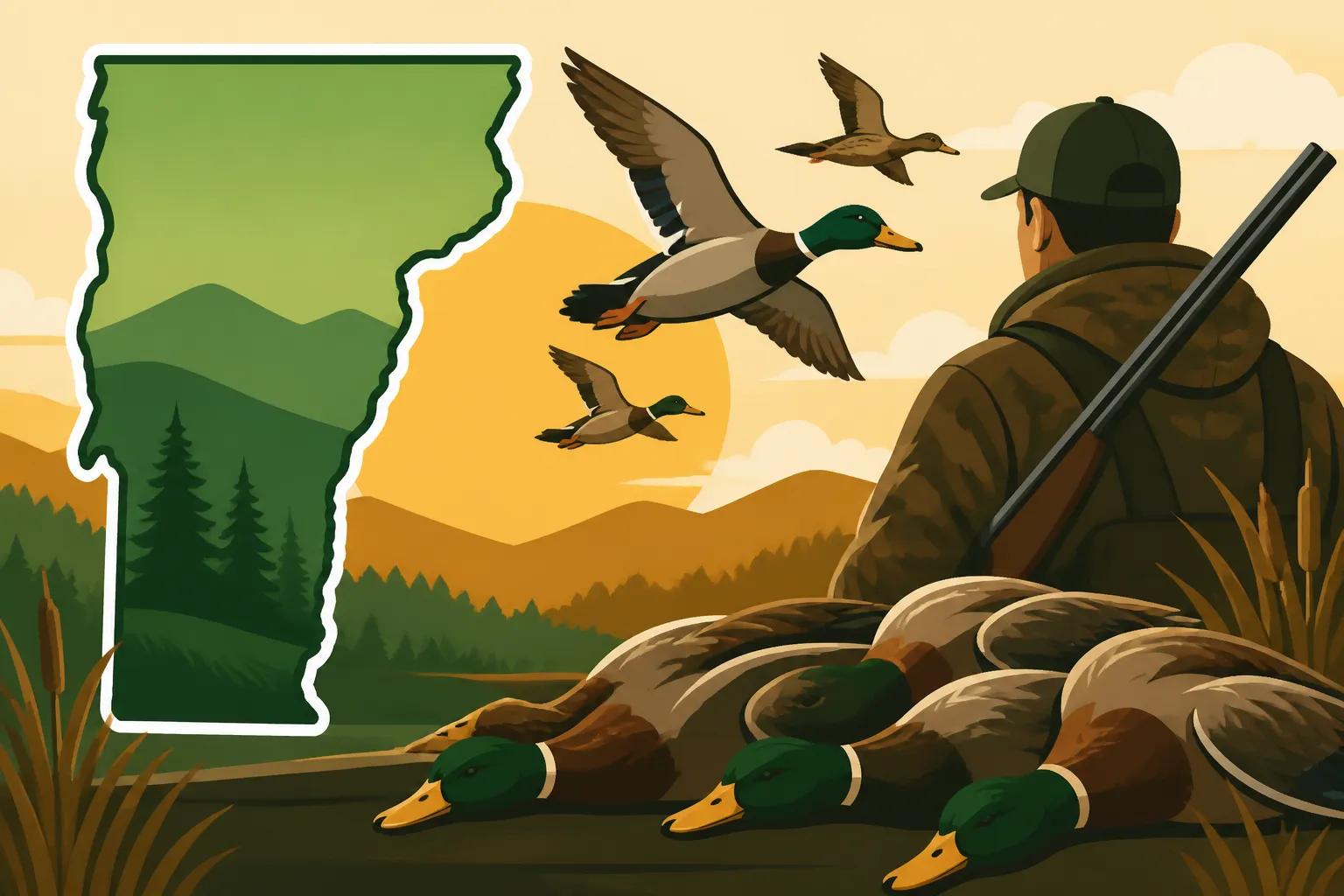
It can be incredibly frustrating to try and understand the bigger picture of duck hunting in Vermont without clear data. We hunters often wonder if our efforts are part of a larger trend, or if the number of ducks we're seeing, or not seeing, is unique to our specific marsh or pond. This guide is here to shed some light on Vermont's duck harvest numbers, what they mean, and how they reflect the health of our migratory bird populations and the hunting opportunities across the Green Mountain State.
Understanding Vermont's Duck Harvest Numbers
When we talk about duck harvest numbers, we're really digging into the data that tells us how many ducks hunters successfully take each season. This isn't just a simple count; it's a critical piece of the puzzle that wildlife biologists use to manage populations, set bag limits, and ensure sustainable hunting for future generations. For us hunters, these numbers can offer insights into migration patterns, local bird abundance, and even the effectiveness of habitat conservation efforts.
The data for these harvest numbers is primarily collected through hunter surveys. After the season closes, a statistically significant portion of licensed migratory bird hunters receive questionnaires asking about their hunting effort, the species they harvested, and the total number of birds taken. This information is then extrapolated to provide state-level estimates. It's a huge undertaking, and it relies heavily on the honesty and participation of every single hunter out there. So, when you get that survey, take the time to fill it out accurately – it really does make a difference! These figures help shape future regulations, ensuring that popular species like mallards, wood ducks, and black ducks remain plentiful. The numbers give us a snapshot, year after year, of how many birds are successfully harvested, helping the state's wildlife management agencies identify trends, both positive and concerning. Without this feedback from the hunting community, understanding the true impact of our seasons would be like trying to navigate the Missisquoi River in a thick fog.
Beyond the raw numbers, what's really fascinating is the composition of the harvest. Are hunters primarily taking dabblers like mallards and green-winged teal, or are divers like ring-necked ducks making up a larger portion? This breakdown helps biologists assess the health and distribution of different species. For instance, a strong harvest of wood ducks might indicate excellent local breeding conditions or successful early-season migration. Conversely, a dip in a particular species might trigger further investigation into habitat loss or environmental factors. It's not just about how many, but who is being harvested. This detailed understanding allows for targeted conservation strategies. You might also find that apps like GoHunt can provide useful tools for understanding various species’ habits and ideal hunting conditions, helping you connect the dots between reported harvest data and your own field experiences.
Factors Influencing Duck Harvest in Vermont
Vermont's duck harvest numbers aren't static; they're a dynamic reflection of numerous interconnected factors, from the weather systems pushing birds down the Atlantic Flyway to the availability of pristine wetlands here in the Green Mountain State. Understanding these influences can really change your perspective on a successful season, or even a slow one.
First and foremost, weather plays an enormous role. Mild autumns can mean ducks linger longer up north in Canada, delaying their arrival in Vermont. Conversely, an early cold snap can push massive numbers of birds south, sometimes creating incredible hunting opportunities, especially in the Lake Champlain Zone. Freeze-ups are particularly critical. If wetlands and smaller water bodies freeze solid early in the season, ducks are forced to larger, open water, often pushing them further south out of the state entirely. This directly impacts how many birds are available to hunters in any given week. We've all experienced those years where the ducks just don't seem to show up in numbers until it's almost too late, or those banner years where every flight seems packed with birds. It’s a game of timing, and the weather holds most of the cards. To truly maximize your chances, keeping an eye on long-range forecasts and understanding Duck Migration Timing Through Vermont can make a huge difference in planning your hunts.
Habitat conditions, both locally and across the broader flyway, are another monumental factor. Healthy breeding grounds in the Canadian prairies and northern states mean more ducks migrating south. Here in Vermont, the quality and quantity of our wetlands, marshes, and agricultural fields directly influence how many ducks stop over and for how long. Areas with abundant food sources, like unharvested corn or natural aquatic vegetation, and secure roosting areas will hold birds, increasing hunting opportunities. A drought year, for instance, might reduce available wetland habitat, concentrating birds in fewer spots or pushing them faster through the state. Conversely, a wet year might create new temporary habitat, spreading birds out. Public land areas, particularly the larger Vermont Wildlife Management Areas, are often managed to enhance these conditions, providing critical staging and feeding grounds. Without these vital stopover points, our duck harvest numbers would undoubtedly suffer.
Finally, hunting pressure and regulations also shape the harvest. While Vermont isn't the most heavily pressured waterfowl state, hunter numbers and their distribution across the landscape can certainly impact local success. More hunters in a particular marsh might mean birds become warier, or simply move on more quickly. Regulations, such as daily bag limits, season lengths, and specific Vermont Waterfowl Zones and Seasons, are designed to manage harvest sustainably. Changes in these rules, based on population estimates and habitat assessments, directly aim to keep duck populations healthy while still providing ample hunting opportunities. For example, understanding Vermont's Split Lake Champlain Season Explained can show how careful management seeks to align hunting opportunities with migration patterns. These rules are crucial for ensuring that we don't overharvest and that there are always plenty of ducks for next season and beyond.
Analyzing Regional Differences and Species Trends
Vermont isn't a monolithic landscape when it comes to duck hunting; it's a diverse state with distinct geographical regions, each offering unique challenges and opportunities for waterfowl enthusiasts. This regional variation, coupled with the differing population trends of various duck species, creates a rich tapestry of duck harvest numbers that savvy hunters keep a close eye on. Understanding these nuances can significantly improve your hunting strategy, whether you're targeting specific birds or looking for less pressured areas.
One of the most prominent differentiators is Vermont's division into three distinct waterfowl zones: the Lake Champlain Zone, the Interior Zone, and the Connecticut River Zone. Each of these zones has different season dates and can attract varying numbers and species of ducks. The Lake Champlain Zone, for instance, with its vast open waters and extensive marshlands, is often a magnet for dabbling ducks like mallards, black ducks, and wood ducks, especially during early migration. It also attracts substantial numbers of diving ducks later in the season. Therefore, this zone often reports some of the highest duck harvest numbers, reflecting its importance as a major migratory corridor. Hunters in this area might focus on techniques like Decoying Ducks on Lake Champlain to capitalize on the sheer volume of birds. The sheer size of the lake and its associated wetlands provide immense habitat, leading to significant duck concentrations and subsequently higher harvest figures.
In contrast, the Interior Zone comprises the majority of the state, characterized by smaller rivers, ponds, and scattered wetlands. While it might not see the massive concentrations of birds found on Lake Champlain, it offers excellent opportunities for wood ducks, mallards, and teal, particularly in the earlier parts of the season before smaller waters freeze. Harvest numbers here tend to be more dispersed, reflecting the more scattered nature of the habitat. Hunters often focus on jump-shooting creeks or setting up on small farm ponds. This zone's harvest might be more dependent on local breeding success and the timing of early migrants. Similarly, the Connecticut River Zone acts as another important migratory highway, particularly for ducks traveling north-south along the river corridor. Its oxbows, floodplains, and adjacent agricultural fields can hold good numbers of ducks, especially late in the season when other waters have frozen. Pass-Shooting Geese on the Connecticut River is a popular method here, but ducks also utilize these rich bottomlands. Each zone offers a unique experience, and the harvest numbers reflect these geographical and ecological differences, with varying success rates depending on the specific conditions. Using mapping tools like GoHunt can help you identify these differing habitats and plan your hunts accordingly, maximizing your chances within each zone.
Looking at individual species, certain trends consistently emerge in Vermont's duck harvest data. Mallards and wood ducks almost always top the list for total numbers harvested. This isn't surprising, as both species are abundant breeders in the region and are also robust migrants. Wood ducks, with their distinct whistle and preference for forested wetlands, are often a favorite early-season target, while mallards provide consistent opportunities throughout much of the season. Green-winged teal are another significant component, especially during early migrations, and their fast, erratic flight makes them a challenging and rewarding bird to pursue. Other species like black ducks, ring-necked ducks, and buffleheads also contribute to the harvest, though often in smaller numbers. Black ducks, a truly iconic species, are highly prized by many Vermont hunters, and their harvest numbers are carefully monitored as indicators of population health. Understanding Vermont Duck and Goose Bag Limits for each species is crucial, as these limits are often tailored to specific population health. Observing these species-specific trends allows wildlife managers to make informed decisions about bag limits and conservation efforts, ensuring we maintain healthy populations of all our hunted waterfowl.
| Duck Species | Typical Harvest Rank | Common Zones Found In | Key Characteristics |
|---|---|---|---|
| Mallard | 1 | All Zones (especially Champlain) | Abundant, adaptable, common dabbler |
| Wood Duck | 2 | Interior, Connecticut River, Champlain | Forested wetlands, early season, distinct call |
| Green-Winged Teal | 3 | All Zones | Small, fast fliers, early migration |
| Black Duck | 4 | Champlain, Connecticut River | Wary, prized, sensitive to habitat changes |
| Ring-Necked Duck | 5 | Champlain (deeper waters) | Common diver, often in larger rafts |
| Bufflehead | 6 | Champlain (coastal areas) | Small, energetic diver, late season |
| Common Goldeneye | 7 | Champlain, Connecticut River | Large diver, often found on open water |
Note: Rankings can shift slightly year to year based on migration and breeding success.
The Role of Hunters in Conservation and Data Collection
It's easy to get caught up in the excitement of the hunt, the beauty of a sunrise over a foggy marsh, or the thrill of a flock of ducks cupping their wings. But as waterfowl hunters in Vermont, we play a much larger, often unsung, role in the grand scheme of conservation. Our participation, both in the field and in critical data collection efforts, directly fuels the science that keeps our duck populations healthy and our hunting heritage alive. It's a connection that every responsible hunter should understand and embrace.
First off, your license fees and the purchase of federal and state duck stamps are direct investments in habitat conservation. These funds are specifically earmarked for wetland acquisition, restoration, and management projects across the country, including right here in Vermont. Every time you buy your Vermont Migratory Bird Certification or that federal stamp, you're contributing to the very places that ducks need to breed, migrate, and winter. Without these vital financial contributions from hunters, countless acres of critical wetland habitat would be lost or degraded, leading to a precipitous decline in duck populations. We are, quite literally, putting our money where our passion is, ensuring future generations have places to hunt and ducks to pursue. This direct link between hunting and conservation funding is one of the most powerful and successful models in North America, a testament to the foresight of past generations of conservationists and hunters.
Beyond financial contributions, our active participation in reporting harvest data is absolutely indispensable. As mentioned earlier, the state's wildlife agencies rely on hunter surveys to gather accurate information on species composition, total birds harvested, and hunting effort. If hunters don't accurately report what they've taken, biologists are left with incomplete puzzle pieces, making it incredibly difficult to make sound management decisions. Imagine trying to manage a business without knowing your sales figures – it's an impossible task! Your honest and timely responses to these surveys, whether it's for ducks or even Vermont Fall Turkey Harvest Numbers, directly influence future bag limits, season dates, and habitat prioritization. This data allows for adaptive management, meaning wildlife agencies can adjust regulations year by year to respond to population changes, ensuring sustainability.
Furthermore, hunters often act as the eyes and ears on the ground, providing invaluable anecdotal observations that supplement formal data. You spend countless hours in the marshes and on the rivers, often noticing subtle changes in bird behavior, habitat conditions, or predator presence that might escape scientific surveys. Sharing these observations with game wardens or biologists, when appropriate, can offer critical insights. It’s about being an engaged citizen scientist. The information gathered helps agencies refine their understanding of Vermont's Place on the Atlantic Flyway and how specific local conditions are impacting migratory birds. This partnership between the hunting community and wildlife management is fundamental to Vermont's ongoing success in waterfowl conservation. It's a cycle where our passion funds conservation, our participation provides data, and that data, in turn, helps ensure there are ducks for us to chase season after season.
Disclaimer
This article is for general informational purposes only and does not constitute professional advice. Laws, prices and regulations vary by location and change over time. Consult a qualified professional for guidance on your specific situation.