Best Chest Waders Versus Hip Waders
Choosing the right waders for your Vermont hunting adventures can feel like a real head-scratcher. You're trying to decide if you need full chest protection or if hip waders will cut it, all while juggling the realities of cold water, unpredictable depths, and the need for stealth and comfort. This guide will walk you through the nitty-gritty of chest waders versus hip waders, helping you make an informed decision for successful hunts in our beautiful Green Mountain State.
Understanding the Fundamental Differences: Coverage and Mobility
When you're gearing up for a hunt that involves water, whether it's setting decoys in a marsh, jump-shooting a winding creek, or slogging through a beaver flowage, your waders are a critical piece of the puzzle. The choice between chest waders and hip waders isn't just about price; it's about the kind of protection, mobility, and confidence they offer in varied Vermont environments. Each type has its distinct advantages and, let's be honest, its frustrations.
The All-Encompassing Shield of Chest Waders
Chest waders, as the name implies, come up to your chest, held in place by suspenders over your shoulders. They offer the maximum amount of waterproof protection available, covering most of your torso. This extensive coverage is a godsend when you're facing unknown water depths or expecting to spend significant time submerged in chilly Vermont waters. Think about those frosty mornings on Lake Champlain, pushing a canoe through icy slush to get to your duck blind, or wading a deep bend in the Connecticut River. In these scenarios, a sudden misstep or an unexpected drop-off could mean a quick end to your hunt – or worse, a dangerous situation – if you're not adequately protected.
The primary benefit here is peace of mind. You know you're largely insulated from the cold water, and you have a much larger margin for error when traversing unpredictable terrain. This allows you to focus on the hunt itself, rather than constantly worrying about water creeping over the top of your boots. When you're Decoying Ducks on Lake Champlain in the fall, or retrieving a downed bird from deeper water, having that chest-high barrier against the cold is invaluable. It’s also a huge plus for staying warm. More coverage means more insulation, which can make an all-day sit in cold, wet conditions much more bearable.
The Nimble Freedom of Hip Waders
Hip waders, on the other hand, are essentially waterproof pants that come up to your waist or upper thigh, securing to your belt. They offer far less coverage than chest waders but provide significantly more freedom of movement, especially for your upper body. Imagine you're Jump-Shooting a Vermont Creek where the water is generally shallow, but you need to move quickly, scramble over downed logs, and stalk game along the banks. The reduced bulk and weight of hip waders can be a huge advantage. You don't have suspenders restricting your shoulder movement or layers of material bunching up around your chest.
They are lighter, often easier to pack, and quicker to put on and take off. This makes them ideal for situations where you anticipate mostly dry land travel with only occasional forays into shallow water. For example, if you're scouting a new piece of public land and expect to cross a few small streams or wet ditches, but the majority of your time will be spent hiking through the woods, hip waders might be the more comfortable and practical choice. They're also less prone to making you overheat on warmer days when the air temperature is mild but you still need to keep your lower half dry from dew or shallow water. However, that freedom comes with the very real risk of overtopping if you misjudge the depth or slip.
Here's a quick comparison of the two:
| Feature | Chest Waders | Hip Waders |
|---|---|---|
| Coverage | Up to chest/armpits | Up to waist/upper thigh |
| Water Depth | Best for deep, unpredictable, or cold water | Best for shallow, predictable water |
| Mobility | More restrictive, can feel bulky | More freedom of movement, lighter feel |
| Insulation | Better for cold conditions, more body covered | Less insulation, suitable for milder temperatures |
| Ease of Donning | Takes slightly longer, involves suspenders | Quicker to put on and take off, belt attachment |
| Packing Size | Generally bulkier, heavier | More compact, lighter |
| Safety | Higher margin for error in unexpected depths | Lower margin for error, greater risk of overtopping |
| Typical Use | Duck blinds, deep marsh, river crossings, cold weather | Jump-shooting, stream crossing, wet scouting, warmer weather |
When to Choose Which: Navigating Vermont's Diverse Hunting Terrain
Vermont's landscape offers a fantastic array of hunting opportunities, but it also presents a mix of challenges, especially when water is involved. Deciding between chest and hip waders often comes down to the specific conditions of your hunt and the type of game you're pursuing. There's no one-size-fits-all answer, and making the wrong choice can quickly turn an exciting hunt into a cold, miserable experience.
Chest Waders: For the Depths and the Cold
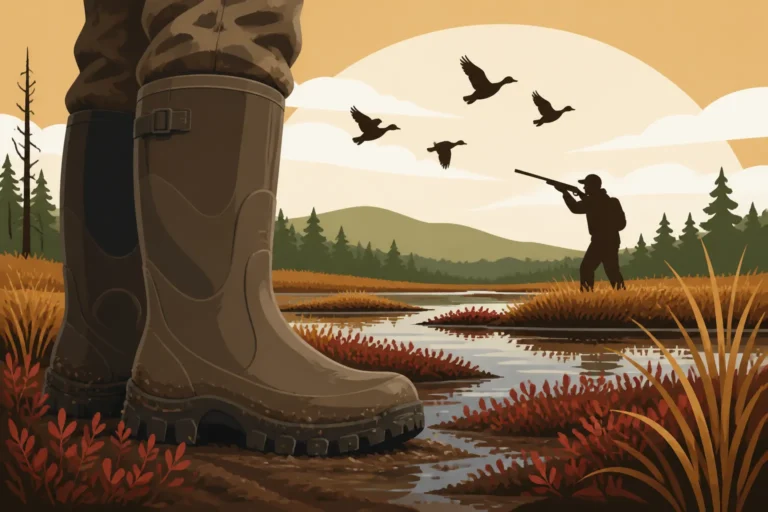
When you anticipate serious water, significant cold, or simply don't want to leave anything to chance, chest waders are your absolute best friend. Think about the Vermont Waterfowl Zones and Seasons and the various environments they encompass.
- Lake Champlain and Connecticut River: If you're hunting the open water or extensive marshes of the Lake Champlain Zone, or navigating the wider, deeper stretches of the Connecticut River, chest waders are practically non-negotiable. Deploying a large decoy spread, retrieving birds blown far out, or having to walk through several feet of water to reach an island blind demands maximum protection. The water in these larger bodies can be shockingly cold, especially in late fall and winter, and getting wet can lead to hypothermia concerns quickly. You'll thank yourself for the extra coverage when a gust of wind whips across the water and splashes over your waist.
- Beaver Flowages and Boggy Areas: Many prime hunting spots in Vermont involve navigating beaver flows or low-lying, boggy areas, particularly in the Northeast Kingdom. These areas are notorious for their unpredictable depths, soft bottoms, and hidden obstacles. One step might be ankle-deep mud, the next could be a waist-deep channel. Best Boots for Northeast Kingdom Bog Hunting are crucial, but even the best boots won't save you if water comes over your waders. Chest waders give you that necessary buffer against surprise dunkings.
- Late-Season Hunts and Cold Weather: As the mercury drops, so does your tolerance for cold water. Whether it's a late-season duck hunt, or even just Scouting Vermont Public Land Before Season in late fall when streams are swollen and ground is saturated, chest waders provide superior insulation. They trap a layer of air and warmth against more of your body, which helps maintain your core temperature. Trying to save a few bucks or ounces with hip waders on a frigid November morning can cost you dearly in comfort and safety.
Hip Waders: For the Shallows and the Stalk
Hip waders shine in scenarios where the water is consistently shallow, and mobility or discreet movement is paramount.
- Small Stream Jump-Shooting: If your plan is to walk along smaller creeks and rivers, jump-shooting ducks and geese, hip waders are often the perfect tool. The water levels in these smaller waterways are generally more predictable, and you'll likely be in and out of the water frequently. The freedom of movement around your hips and upper body makes it easier to navigate brushy banks, quickly shoulder your shotgun, and stay nimble. For example, when you are Jump-Shooting a Vermont Creek, you're often moving fast, trying to surprise birds around a bend. Chest waders can feel cumbersome and restrict your natural stride.
- Early Season Marsh Edges and Wet Fields: In early waterfowl season, or for other game hunts where you might be crossing dewy fields, wet marsh edges, or small culverts, hip waders can be ideal. The water isn't typically deep, and the air temperature is often mild enough that full chest coverage would lead to overheating. If you're Layout Blind Hunting a Champlain Valley Field and only need to cross a shallow ditch to get to your spot, hip waders are more efficient.
- General Scouting and Trapping: For activities like checking trail cameras, shed hunting, or running a trapline, where you might encounter numerous small water crossings but no major deep water, hip waders offer a practical balance of protection and agility. They protect your lower half from mud, briars, and cold water without adding unnecessary bulk.
It's also worth noting that some hunters will carry both. For a diversified hunt or if conditions are uncertain, you might start with hip waders for a hike, then switch to chest waders if you reach a deeper water access point. This flexibility is something to consider if you find yourself frequently hunting varied terrain within a single outing.
Material Choices, Features, and Fit: Making the Right Selection
Once you've decided on the type of wader you need, the next step is to consider the materials, specific features, and, most critically, the fit. These elements significantly impact your comfort, durability, and overall hunting experience in Vermont's demanding conditions. Don't skimp on these details, as a poorly fitting or inadequate wader can quickly ruin a hunt.
Neoprene vs. Breathable: Staying Warm or Staying Dry
Waders primarily come in two material types: neoprene and breathable laminates. Each has its place and purpose.
- Neoprene Waders: These are typically thicker, made from the same material as wetsuits, and are excellent for insulation. If you're going to be standing or sitting in very cold water for extended periods, especially during late-season waterfowl hunts, neoprene is your friend. They provide substantial warmth, acting as an insulator against the chilling water. The downside is that they don't breathe. If you're doing a lot of walking or the weather isn't bone-chilling, you can quickly overheat and sweat inside them, which ironically, can lead to feeling colder once you stop moving. They tend to be heavier and bulkier, too. For those frigid December mornings Hunting Into the December Muzzleloader Close near a beaver pond, if you are planning to sit for hours in the water, neoprene is probably the way to go for warmth.
- Breathable Waders: These waders are constructed from multi-layered synthetic fabrics (like Gore-Tex or similar proprietary membranes) that allow moisture vapor (sweat) to escape while preventing liquid water from entering. They are significantly lighter, less bulky, and much more comfortable for active hunts or milder weather. If you're doing a lot of hiking, wading smaller streams, or hunting in early to mid-fall, breathable waders are often preferred. They layer well, meaning you can adjust your insulation underneath to suit the temperature. This versatility makes them a popular choice for many Vermont hunters. When using a resource like GoHunt, you can often find detailed reviews and comparisons of different breathable materials and brands, helping you understand their performance in real-world scenarios. This allows you to research how various materials stand up to the rigors of wading through dense cover and navigating Vermont's varied waterways.
Bootfoot vs. Stockingfoot: Traction and Versatility
Another key decision point is whether to go with bootfoot or stockingfoot waders.
- Bootfoot Waders: These have boots permanently attached to the wader material. The primary advantage is convenience – you just slip them on, and you're ready to go. They're excellent for very cold conditions, as the integrated boot often provides good insulation. However, the fit of the integrated boot can be a trade-off. It's difficult to get a perfect fit for everyone, which can impact comfort and mobility over longer distances. If the boots are too big, your feet can slide, leading to blisters or a loss of traction. If they're too small, they'll be uncomfortable. They also take up more space when packed.
- Stockingfoot Waders: These waders have neoprene "socks" on the bottom, requiring you to wear separate wading boots over them. This option offers superior versatility and comfort. You can choose wading boots that fit your feet perfectly and provide the specific type of traction you need for Vermont's varied terrain – whether it's felt soles for slick river rocks, rubber soles for muddy banks, or even spiked soles for icy conditions. This allows for a much more comfortable walking experience, which is crucial if you're covering significant ground. When you're hunting a Green Mountain National Forest timber stand and need to cross several streams, the ability to choose specialized wading boots that provide optimal grip on mossy rocks or slippery mud can be a game-changer. Plus, stockingfoot waders are generally more compact to pack. When researching different boot options to go with your stockingfoot waders, a platform like GoHunt can be invaluable for cross-referencing user experiences and performance in similar conditions.
Fit and Sizing: Don't Compromise Comfort for a Deal
Getting the right fit is paramount for both comfort and performance. Waders should be roomy enough to allow for layering underneath without being overly baggy, which can create drag in the water and restrict movement. Pay close attention to the inseam, chest circumference, and boot size (for bootfoot).
- Layering: Remember you'll likely be wearing base layers and perhaps mid-layers under your waders, especially in colder weather. Ensure there's enough room for these without feeling tight or restrictive. You should be able to squat, bend, and raise your arms comfortably.
- Boot Fit: For bootfoot waders, try them on with the type of socks you'd typically wear. The boots should be snug but not tight, allowing for toe movement. For stockingfoot waders, make sure the neoprene sock isn't too tight or too loose, as this can affect comfort and circulation inside your wading boots.
- Manufacturer Sizing: Always consult the manufacturer's sizing charts. They can vary significantly between brands. If you're in doubt, and if possible, try them on in person or order from a retailer with a good return policy. A poor fit leads to chafing, restricted movement, and ultimately, a miserable hunt.
Taking the time to consider these material and fit details will ensure that your waders are an asset to your Vermont hunting adventures, not a hindrance.
Wader Care, Maintenance, and Longevity in the Field
Investing in a good pair of waders is like investing in any essential piece of hunting gear – you want it to last. Vermont's rugged terrain, unpredictable weather, and the general abuse that hunting gear endures mean that proper care and maintenance aren't just good practices; they're essential for extending the life of your waders and ensuring they perform when you need them most.
Post-Hunt Rituals: Drying and Storage
The most common enemy of waders, particularly breathable ones, is moisture and the mildew it fosters. Neglecting to properly dry and store your waders can lead to unpleasant odors, compromised waterproofing, and premature degradation of materials.
- Thorough Drying: As soon as you get home from the hunt, turn your waders inside out to dry the interior. Hang them in a well-ventilated area, out of direct sunlight. Once the inside is completely dry, turn them right side out and dry the exterior. Make sure the boots (if bootfoot) are also fully dry inside. You can use a fan to speed up the process, but avoid direct heat sources like radiators or campfires, as excessive heat can damage the fabric and seam tape. If you’re often hunting on weekends, getting them dry for the next outing can be a race against time, but it’s a non-negotiable step.
- Proper Storage: Once completely dry, store your waders by hanging them from the suspenders in a cool, dry place. Avoid folding them tightly or stuffing them into a bag, as this can create permanent creases that weaken the fabric and stress the seams, leading to leaks over time. Proper hanging allows air circulation and prevents unnecessary stress on the material.
Repairing Waders: Field Fixes and Patching Leaks
Leaks are an unfortunate reality of wader ownership, especially when you're traversing thorny bushes, sharp rocks, or unexpected barbed wire fences that seem to pop up out of nowhere. Knowing how to quickly identify and repair a leak can save a hunt or at least make the long walk back to the truck more bearable.
- Finding the Leak: The easiest way to locate a small leak is to turn the wader inside out, plug the leg holes (if stockingfoot), and fill them with water. The leak will usually reveal itself as a drip or a wet spot on the outside. For breathable waders, you can also mist the outside with rubbing alcohol; it will create dark spots where the material is compromised. A helpful resource like GoHunt might offer user tips or product reviews on the best leak detection sprays or methods, which can streamline this often frustrating process.
- Patching Solutions: For minor punctures, a dab of Aquaseal or a similar flexible adhesive sealant is usually sufficient. For larger tears, you'll want a dedicated wader repair kit that typically includes patches made of matching material and a strong adhesive. Clean the area thoroughly, apply the patch according to the instructions, and allow ample time for it to cure. Many hunters keep a small field repair kit in their pack for quick fixes – a bit of duct tape can even get you through a single day in a pinch, though it's not a permanent solution. For more significant damage, some professional outdoor gear repair shops can re-tape seams or patch large areas, potentially saving an expensive pair of waders.
By treating your waders with care and addressing any issues promptly, you'll ensure they remain a reliable piece of gear for many Vermont hunting seasons to come.
Disclaimer
This article is for general informational purposes only and does not constitute professional advice. Laws, prices and regulations vary by location and change over time. Consult a qualified professional for guidance on your specific situation.