Vermont’s Closest Confirmed CWD Case
The concern over Chronic Wasting Disease (CWD) is a heavy cloud hanging over deer hunting communities, and for us here in Vermont, it's a constant worry. The thought of this devastating neurological disease taking hold in our healthy deer and moose populations is something none of us want to face. This guide will walk you through what CWD is, Vermont's dedicated efforts to keep it out, and crucially, where the closest confirmed case has been found, helping you understand the real threat and how we can all work together to protect our beloved Green Mountain herd.
Understanding Chronic Wasting Disease (CWD)
CWD is one of those words that can send shivers down a hunter's spine, and for good reason. It’s a progressive, fatal neurological disease that affects cervids – that’s deer, elk, moose, and caribou. Unlike bacterial or viral infections, CWD is caused by abnormal proteins called prions. These prions essentially turn the animal's brain into a spongy mess, leading to a slow, agonizing death.
What CWD Is and Why It Matters to Hunters
Imagine seeing a deer in the woods looking utterly disoriented, drooling excessively, stumbling, and emaciated. That's a deer suffering from CWD. It's often called "zombie deer disease" because of these unsettling symptoms. The disease is relentless, always fatal, and there’s no known cure or vaccine. For hunters, this isn't just about the health of the animals; it's about the very future of our hunting traditions. A widespread CWD outbreak would devastate deer populations, potentially leading to drastically reduced hunting opportunities, strict regulations, and a loss of confidence in wild game meat. We've seen the impact in other states, and the challenges are immense. It affects the quality of the herd, the experience of being in the woods, and even the economic impact of hunting on our rural communities. Nobody wants to harvest an animal that might be infected, and the thought alone is enough to make many reconsider.
How CWD Spreads
This disease is notoriously difficult to manage because of how insidiously it spreads. CWD prions can be transmitted directly from animal to animal through bodily fluids like saliva, urine, and feces. So, when deer gather at a common food plot, a mineral lick, or even just cross paths on a well-used trail, the risk of transmission is present. What makes it even more challenging is that these prions can persist in the environment – in soil, plants, and water – for years, even decades, after an infected animal has passed through. A deer can pick up these prions from contaminated soil, and the cycle continues. This environmental persistence is why CWD is so hard to eradicate once it takes root in an area. It’s not just about removing sick animals; it’s about a contaminated landscape that can keep infecting new generations of deer. This silent, persistent nature is truly what frustrates wildlife managers and hunters alike.
Vermont's CWD-Free Status: A Source of Pride and Vigilance
Here in Vermont, we take immense pride in our CWD-free status. It's a testament to our proactive wildlife management and the cooperative efforts of our hunting community. But being CWD-free doesn't mean we can let our guard down; in fact, it means we must be even more vigilant.
The Importance of Remaining CWD-Free
Maintaining Vermont's CWD-free status is paramount. Our deer herd is a vital natural resource, supporting a rich hunting heritage, providing food for countless families, and contributing significantly to the state's outdoor recreation economy. If CWD were to establish itself here, it could lead to long-term population declines, altered deer behavior, and a fundamental shift in how we manage and enjoy our wildlife. The public trust in venison as a safe, healthy food source would be eroded, and the joy of a successful hunt would be overshadowed by concern. Beyond hunting, healthy deer populations play an important ecological role in Vermont's diverse ecosystems. Protecting them from CWD is about safeguarding our entire natural heritage. Many hunters rely on resources like GoHunt's mapping features to understand herd health data in various regions, and maintaining a CWD-free status ensures that this data remains positive for Vermont.
Vermont's Proactive Surveillance Program
Vermont has been at the forefront of CWD prevention for years, implementing robust surveillance measures long before the disease became a widespread national concern. The Vermont Fish & Wildlife Department runs a comprehensive CWD surveillance program. This involves mandatory biological sampling from deer harvested in specific areas or during certain seasons, voluntary submissions from hunters across the state, and targeted testing of any deer observed exhibiting CWD-like symptoms. Our goal is to detect the disease as early as possible if it ever enters the state, giving us the best chance to contain it. Hunters play a critical role in this program by bringing their harvested deer to designated check stations or providing samples as requested. You can learn more about these ongoing efforts by checking out the details on Vermont's CWD Surveillance Program. We're essentially building a robust early warning system, meticulously tracking potential threats and relying on our collective vigilance to keep our state free of this threat.
Vermont's Closest Confirmed CWD Case: Québec
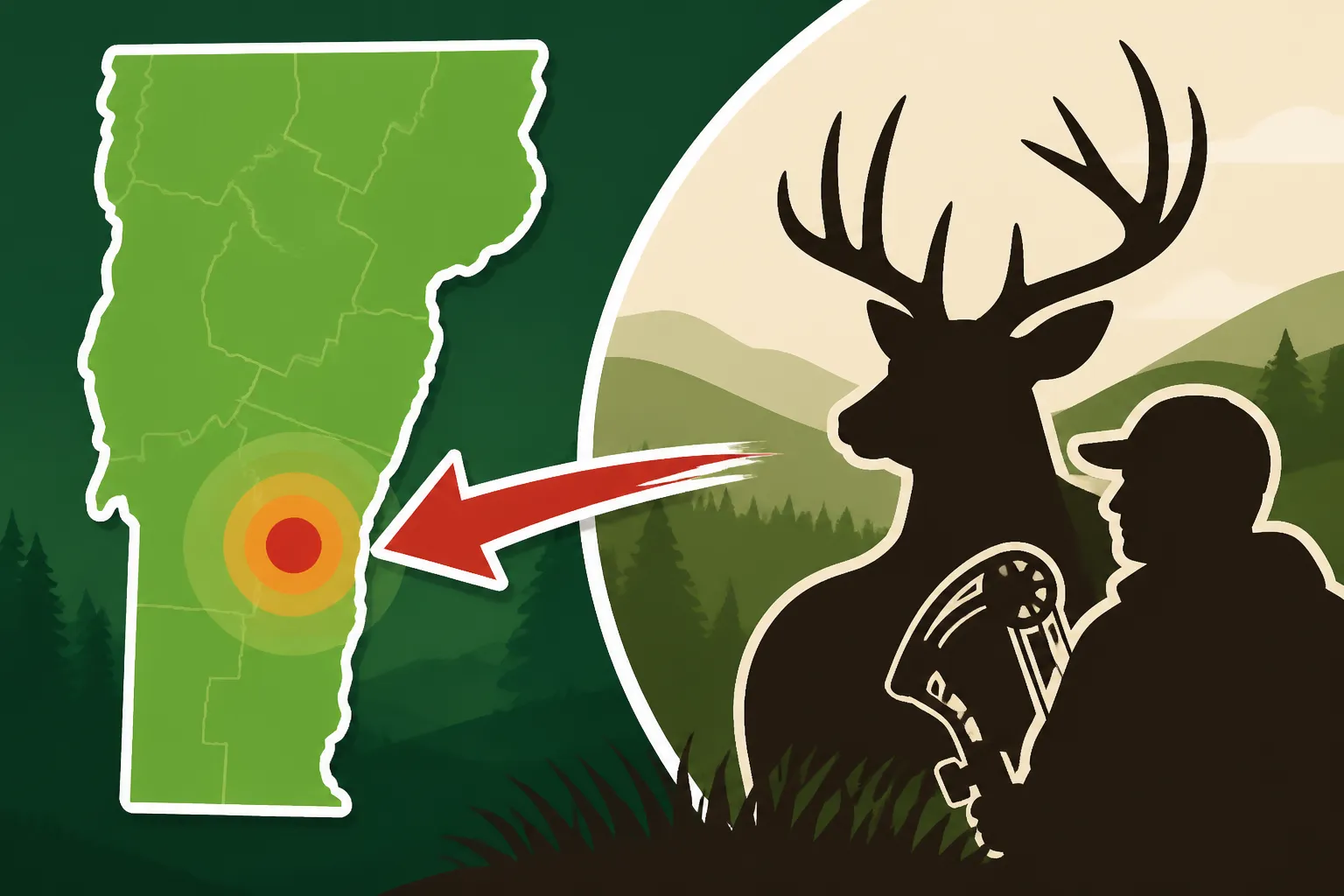
The closest confirmed case of CWD to Vermont's borders occurred in Québec, Canada. This proximity keeps wildlife officials and hunters alike on high alert, emphasizing the transboundary nature of wildlife diseases.
The Specifics of the Québec Case
In late 2018, the Canadian Food Inspection Agency (CFIA) confirmed cases of CWD on a captive deer farm in the Laurentides region of Québec. Specifically, the cases were identified at a red deer farm in Grenville-sur-la-Rouge. This location is roughly an hour's drive north of the Vermont border, directly impacting regions like the Northeast Kingdom and the Champlain Valley. While these initial cases were found in a captive herd, the concern immediately shifted to the potential for spread into wild cervid populations. The species affected were red deer, but CWD can jump to white-tailed deer and moose, both abundant in Vermont. The implications of this discovery were stark: CWD was no longer a distant problem; it was right on our doorstep, making the threat feel much more immediate and tangible for anyone who hunts or cares about Vermont's wildlife.
Implications for Vermont Hunters and Wildlife Management
The Québec CWD case dramatically heightened Vermont's CWD prevention efforts. It underscored the reality that state borders mean nothing to wildlife diseases. Suddenly, the possibility of a wild deer crossing from an affected area into Vermont felt very real. This led to intensified surveillance in border regions, increased public awareness campaigns, and a renewed emphasis on existing regulations designed to prevent CWD's entry. For hunters, especially those who hunt near the international border, this means being acutely aware of the situation and understanding the critical importance of adhering to all rules, particularly those concerning carcass importation. Wildlife managers in Vermont and Québec have been in communication to share information and strategies, but the primary responsibility for protecting our herd falls on us. Understanding the full scope of Vermont's CWD Prevention Rules is more crucial now than ever before. Even if you're hunting Vermont's Northeast Kingdom, miles from the border, the ripple effect of this nearby case influences regulations and vigilance statewide.
Preventing CWD from Entering Vermont: What Hunters Can Do
Preventing CWD from crossing into Vermont is a shared responsibility, and hunters are truly on the front lines. Our actions, both individually and collectively, are the best defense against this disease.
Carcass Import Restrictions
One of the most critical measures Vermont has in place to prevent CWD entry is its strict carcass import restrictions. If you're hunting deer, elk, moose, or caribou outside of Vermont, especially in states or provinces with known CWD cases, you cannot bring certain parts of the animal back into the state. Typically, only deboned meat, hides without the head, skulls and skull caps (cleaned of all brain and spinal cord tissue), and teeth are allowed. The parts that pose the highest risk of CWD transmission – like the brain, spinal cord, eyes, spleen, and lymph nodes – must be left behind in the state or province where the animal was harvested. This is a tough rule for some, especially if they’ve had a successful hunt out of state, but it’s absolutely vital. Failing to comply not only puts Vermont's herd at risk but also carries significant penalties. Always double-check Vermont Carcass Import Restrictions before you travel to hunt out of state, as these rules can change based on new CWD detections.
The Ban on Urine-Based Lures
Another significant preventative measure that directly impacts hunters is Vermont's ban on natural urine-based deer lures. This might seem like a minor detail to some, but it's a critical component of our CWD defense strategy. The concern is that if a deer infected with CWD voids urine, those prions could be collected and unknowingly spread to new areas through commercial lure products. Even though manufacturers screen for CWD in their herds, the risk, however small, is one Vermont isn't willing to take. Therefore, hunters in Vermont are prohibited from using any natural urine, gland, or other bodily fluid from cervids. There are plenty of synthetic alternatives available that are just as effective, if not more so, without carrying the CWD risk. This rule can be frustrating for hunters who have relied on traditional lures for years, but it's a necessary step to protect our herd. Understanding Vermont's Rule Against Urine-Based Deer Lures Explained is crucial for all hunters, ensuring compliance and contributing to CWD prevention.
Reporting Sick or Abnormal Deer
Perhaps the simplest yet most impactful thing any hunter or outdoor enthusiast can do is to report any deer, moose, or elk that appears sick or is acting abnormally. We are the eyes and ears of the woods. If you see an animal exhibiting classic CWD symptoms – excessive drooling, emaciation, stumbling, head pressing, or a general lack of fear of humans – do not harvest it. Instead, contact the Vermont Fish & Wildlife Department immediately. Provide as much detail as possible about the animal's location, behavior, and appearance. They will investigate and, if necessary, dispatch the animal for testing. Early detection is our best defense, and your observation could be the key to preventing a widespread outbreak. You can find more information on Vermont Deer Reporting Requirements to ensure you know how and when to report such observations. By actively participating in this vigilance, every one of us becomes a guardian of Vermont's wildlife. Using tools like the GoHunt app can also help you mark precise locations for reporting and access department contact information quickly, ensuring efficient communication when it matters most.
Here's a quick overview of Vermont's CWD vigilance:
| Aspect | Vermont's Approach | Impact on Hunters |
|---|---|---|
| CWD Status | CWD-Free (as of current date) | Peace of mind, but requires vigilance |
| Closest Case | Québec, Canada (captive herd, 2018) | Heightened awareness, especially near the border |
| Surveillance Program | Mandatory & voluntary sampling, targeted testing | May require submitting deer for testing after harvest |
| Carcass Import Rules | Strict restrictions on bringing high-risk parts into VT | Know what parts you can and cannot bring from out-of-state |
| Urine Lure Ban | Prohibits natural cervid urine/gland lures | Use synthetic alternatives |
| Reporting Sick Deer | Encourages public reporting of symptomatic animals | Be vigilant and report any abnormal deer/moose sightings |
| Disease Monitoring | Ongoing monitoring of cervid health | Helps inform hunting regulations and future policy |
Disclaimer
Please note: Hunting regulations and wildlife disease statuses are subject to change. Always consult the latest Vermont Fish & Wildlife Department regulations and advisories before planning your hunt or traveling. The information provided here is for general guidance and educational purposes only.