Getting a Moose Out on a Logging Road
You've just dropped a magnificent Vermont moose, perhaps deep in the rugged Northeast Kingdom, and the adrenaline is still coursing through you. But as the initial euphoria subsides, a sobering reality sets in: that magnificent animal is easily over a thousand pounds, and it's not going to walk itself out of the woods. The daunting task of extracting such a massive creature can quickly turn a dream hunt into a logistical nightmare, especially if you're miles from any paved road. This guide is dedicated to helping you strategically use logging roads – those often-overlooked lifelines – to efficiently and safely get your prize out of the backcountry.
Understanding the Logging Road Advantage for Moose Extraction
Finding yourself staring down a thousand pounds of hard-earned venison is a moment of mixed emotions: immense pride, certainly, but also a rising sense of dread about the sheer physical challenge ahead. Unlike deer, which can often be dragged or backpacked a reasonable distance, a mature Vermont moose is an entirely different beast. The good news is that many prime moose habitats, particularly in the vast timberlands of places like Essex County, are crisscrossed with logging roads, old skid trails, and even snowmobile routes that can become your best friend for extraction. Ignoring these routes or failing to factor them into your hunt plan is a mistake many first-time moose hunters make.
Why Logging Roads are Critical for Big Game Retrieval
Logging roads, whether active or long abandoned, fundamentally change the game for moose retrieval. They offer a much-needed corridor through dense forest, providing a relatively clear and often flatter path compared to bushwhacking. Think about it: a moose taken just 500 yards off a well-maintained logging road is a significantly easier proposition than one 500 yards into trackless wilderness. These roads often follow contours, minimizing steep climbs and descents that would be backbreaking with a heavy load. They also tend to be wider, allowing for easier navigation with larger retrieval equipment like ATVs, UTVs, or even trucks in some cases, especially after a successful draw in a specific moose zone.
Furthermore, these roads are usually visible on topographical maps and satellite imagery, making them an essential part of your pre-hunt scouting strategy. Using mapping apps, which can overlay property lines and terrain features, can help you identify not just where to hunt, but how you’ll get your game out. GoHunt, for instance, offers robust mapping features that can highlight these very access points. Knowing where these arteries of the forest lie before you even step foot in the woods can dramatically reduce the stress and physical toll of extraction, allowing you to focus on the hunt itself and then the meticulous process of field dressing a moose in the Northeast Kingdom.
Assessing Logging Road Accessibility
Not all logging roads are created equal, and their accessibility can vary wildly. Some are actively used by timber companies, well-maintained with gravel surfaces and bridges, potentially allowing full-size vehicle access. Others are decades old, overgrown with saplings, washed out by erosion, or blocked by downed trees, turning them into little more than faint deer trails. The condition of these roads will dictate your extraction strategy. A remote, overgrown logging road might still be usable for an ATV or a heavy-duty game cart, while a well-graded one might permit a truck right to the kill site or at least within a very short haul.
It's absolutely crucial to scout these roads before your hunt, if possible. Drive them, walk them, or use aerial imagery to get a good sense of their current state. Look for gates, signs restricting access, or bridges that appear unstable. Pay attention to how the terrain around these roads might make it easier or harder to drag a quartered moose to them. Remember that ground conditions can change rapidly with weather; a dry logging road in September can quickly become a muddy quagmire after a few days of October rain, making vehicle access impossible and transforming the extraction into a much tougher chore. This proactive assessment is vital for efficient planning and ensuring you have the right gear for a Vermont moose hunt.
Essential Gear for Logging Road Moose Extraction
Extracting a moose is not a solo endeavor, and it certainly isn't an impromptu one. Having the right tools for the job is paramount, and this goes far beyond your rifle and binoculars. When planning for a moose hunt in Vermont, especially if you anticipate being successful in a remote area with logging road access, you need to think about game retrieval as seriously as you think about your shot placement. A good gear list can make the difference between a smooth, albeit tough, extraction and an epic, potentially dangerous struggle against the elements and gravity.
Tools for Breaking Down the Animal
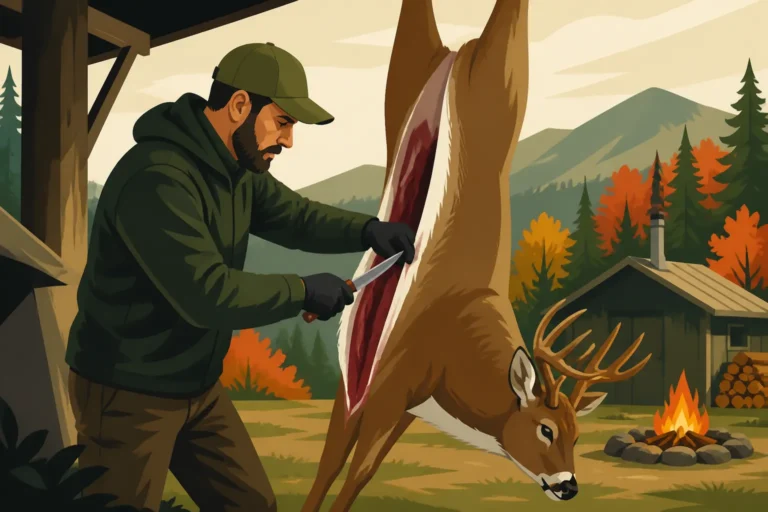
Before you even think about moving a moose to a logging road, you'll need to break it down. Trying to move a whole moose, even a small one, is an exercise in futility and often leads to injury. The first step is always proper field dressing. You'll need a sharp, sturdy hunting knife, a smaller gutting knife, and potentially a bone saw to split the sternum and pelvis. Having multiple sharp blades is a lifesaver; nothing is more frustrating than a dull knife when you're elbow-deep in a cold moose carcass. Gloves, both latex for hygiene and heavier work gloves for protection, are also essential.
Once field dressed, quartering the moose into manageable pieces is the next logical step. This usually means removing the front shoulders, hindquarters, and backstraps, often leaving the rib cage and spine in the woods. For this, a heavier knife or even a small hatchet can be useful for separating joints and larger muscle groups. Game bags are absolutely critical for keeping the meat clean and protecting it from flies and debris. Invest in good quality, breathable game bags that are large enough to hold moose quarters. These bags also make it easier to handle and transport the meat, as it provides a clean surface to grab onto. Understanding the process of Packing Out a Vermont Moose will show you why these tools are indispensable.
Retrieval Aids for Rough Terrain
Even with the animal quartered, you're still dealing with hundreds of pounds of meat. This is where retrieval aids become your best friends. A heavy-duty game cart, ideally one designed for off-road use with large, pneumatic tires, is invaluable for hauling quarters along a logging road. Look for models with a robust frame and a high weight capacity. If the logging road is particularly rough or has steep sections, a small hand winch or come-along can be a game-changer. These tools use a cable and leverage to pull heavy loads, allowing you to move quarters uphill or over obstacles without risking your back. A block and tackle system can also multiply your pulling power significantly.
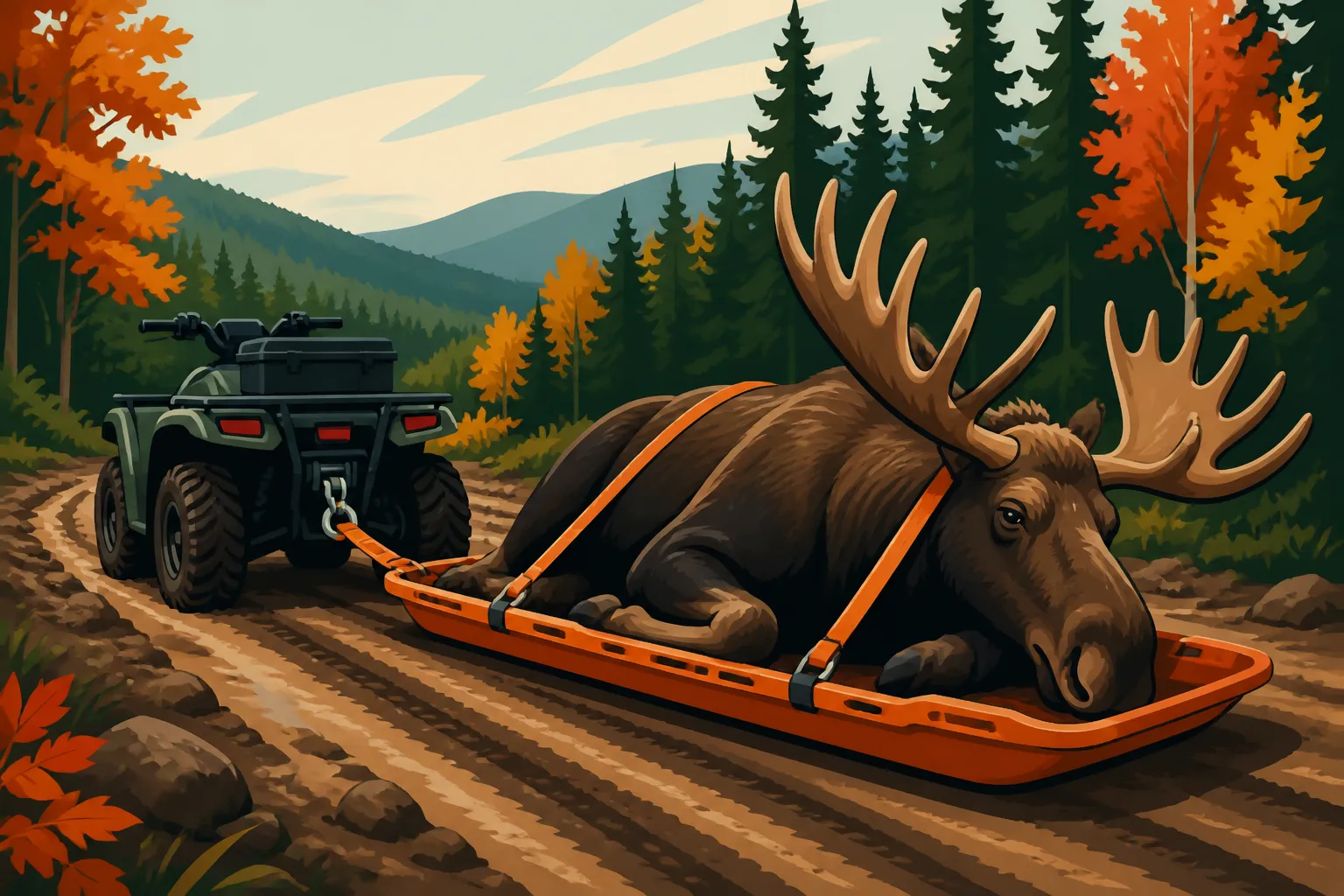
For those lucky enough to have legal ATV or UTV access on the logging roads, a powerful winch mounted on the vehicle is an absolute must. Even if you can't drive directly to the kill site, you might be able to get close enough to winch quarters out to the vehicle. Always carry recovery straps and a tree saver strap to protect trees when winching. Remember to check Vermont's specific regulations on ATV use on public lands and logging roads, as rules can vary. Consulting mapping resources like GoHunt can help you identify specific trails or roads where ATV use is permitted, ensuring you’re not only efficient but also compliant.
Safety and Comfort Essentials
Moose extraction is physically demanding and often takes hours, if not a full day. Don't underestimate the need for personal safety and comfort items. High-visibility clothing, such as a blaze orange vest, is critical, especially if you're working during rifle season or in areas with other hunters. Staying visible while Bowhunting During Vermont's Rifle Season is equally important. A good headlamp with extra batteries is non-negotiable, as you might find yourself finishing up after dark. A robust first-aid kit, well-stocked with bandages, antiseptic, pain relievers, and any personal medications, is also vital. Accidents happen, and being prepared is key.
Hydration and nutrition are equally important. Pack plenty of water and high-energy snacks. A thermos of hot coffee or soup can be a morale booster on a cold Vermont day. Finally, wear durable, comfortable work gloves and sturdy, waterproof boots with good ankle support. You'll be walking over uneven terrain, potentially through mud and brush, and protecting your feet and hands will prevent discomfort and injury. Remember, while the focus is on the moose, your own well-being ensures you can get the job done safely.
| Retrieval Method | Pros | Cons | Ideal Terrain/Road Condition | Key Gear |
|---|---|---|---|---|
| Manual Carry | Quiet, no additional vehicle needed, allows access to tight areas. | Extremely physically demanding, slow, limited by individual strength and number of people. | Short distances, very rough/overgrown roads, no vehicle access. | Heavy-duty pack frames, good game bags, strong allies, knives. |
| Game Cart | Relatively quiet, less strenuous than manual, good for rough trails. | Still requires significant effort, can get stuck on very soft ground or large obstacles, slow. | Moderately rough logging roads, packed earth trails, manageable slopes. | Off-road game cart, strong game bags, recovery straps. |
| ATV/UTV | Fastest, least physical effort, high carrying capacity, excellent for longer distances. | Restricted access on many public lands, requires a vehicle, can be noisy, high initial cost. | Well-maintained logging roads, clear skid trails, designated ATV routes. | ATV/UTV, winch, recovery straps, fuel, chain/rope, safety gear. |
| Hand Winch/Come-along | Excellent for moving heavy loads over short distances or uphill, relatively inexpensive. | Very slow, requires anchor points (trees), tedious for long distances. | Steep sections of logging roads, short drags from kill site to road, overcoming obstacles. | Winch/come-along, tree saver strap, cable/chain, strong anchor points. |
The Step-by-Step Logging Road Extraction Process
The actual extraction process, once your moose is down and field-dressed, needs to be methodical. Rushing can lead to injury, damaged meat, or even losing your way. Remember, the goal isn't just to get the moose out, but to get it out safely and with the meat in the best possible condition. This is where meticulous planning and execution come into play, leveraging the logging roads you’ve identified during your scouting.
Field Dressing and Quartering at the Kill Site
The absolute first priority after a successful shot is to field dress the moose immediately. This process involves removing the internal organs to cool the carcass down, which is crucial for meat preservation, especially in warmer early-season temperatures. Roll the moose onto its back, prop it open with sticks, and make a careful incision from the sternum to the pelvis. Be mindful of scent and fluids, especially if you plan to hunt the same area again in the future or need to track the blood trail if the shot wasn't immediately fatal.
Once field-dressed, the next step is quartering. This can be done by separating the front shoulders, hindquarters, and backstraps from the spine. Some hunters also take the neck meat and tenderloins. Lay out a tarp or clean plastic sheeting to keep the meat off the forest floor as you work. Use your sharpest knives and a bone saw if necessary. The goal is to create manageable, transportable pieces. Each quarter can still weigh well over 100 pounds for a large bull, so keep that in mind. Place each piece immediately into a breathable game bag. This not only keeps the meat clean but also allows it to continue cooling while protecting it from insects and debris. This thorough process aligns with the advice for Packing Out a Vermont Moose.
Transporting Quarters to the Logging Road
With the moose broken down into quarters, the real work of moving them begins. If you’re lucky, your moose went down right on the logging road, but that's a rare occurrence. More often, you’ll have a drag, carry, or winch situation to get the pieces to the nearest accessible logging road. For shorter distances and relatively flat ground, a heavy-duty game cart is ideal. Load one or two quarters onto it, secure them with straps, and push or pull it to the road. This saves an immense amount of physical strain compared to carrying.
For steeper terrain or longer hauls from the kill site to the logging road, pack frames come into their own. Each hunter in your party can carry a hindquarter or a front shoulder on their back, making multiple trips if necessary. This is where a good quality pack designed for heavy loads is indispensable. If you anticipate this kind of retrieval, practicing with a weighted pack beforehand can save you a lot of misery. For very short, difficult sections, a hand winch or come-along can be used to drag quarters over obstacles or up steep banks to reach the road itself. This is often the most challenging part of the extraction, so take your time, work together, and prioritize safety.
Utilizing the Logging Road for Final Haul
Once the quarters are at the logging road, the final haul to your vehicle becomes significantly easier, depending on the road’s condition and your equipment. If the logging road is well-maintained and suitable for vehicular traffic (and you have permission), you might be able to back a truck or SUV right to the stack of bagged quarters. Load them carefully, ensuring they are secured for the drive out. This is the ideal, but often least likely, scenario in remote Vermont moose country.
More commonly, you’ll be using an ATV or UTV. Load the quarters onto the ATV’s racks or into a trailer pulled by the ATV. If the road is rough, secure the load tightly to prevent it from shifting. Drive slowly and carefully, especially around turns or on descents. Remember, a heavy load changes the center of gravity of your vehicle. For those without motorized assistance, the game cart becomes the primary mode of transport along the logging road, albeit a slower one. Even a single hunter can manage multiple trips with a good cart, steadily moving the meat towards the truck. For longer hauls on logging roads where vehicle access is permitted, consider using GoHunt or similar mapping tools to identify alternative routes or pickup points that might shave off valuable miles of arduous pushing or pulling. This ensures you're making the most efficient use of the terrain available.
Post-Extraction Care and Logistics
Getting the moose out to the logging road and then to your vehicle is a huge victory, but the work isn't over. Proper care of the meat immediately after extraction and careful logistical planning for its transport and processing are critical to ensuring that your hard-won trophy provides excellent table fare for months to come. Neglecting these final steps can spoil the meat, making all your previous efforts in the Vermont woods for naught.
Keeping the Meat Cool and Clean
Once the moose quarters are loaded into your truck or trailer, their immediate and continued cooling is paramount. If the weather is warm, this is an urgent concern. Ice is your best friend. Place bags of ice directly on and around the game bags, especially if you have a long drive ahead. Even in cold weather, it's beneficial to keep the meat from warming up, particularly if it's going into a warm vehicle cab. Avoid piling the quarters in a way that prevents air circulation. If possible, use a well-ventilated trailer or an open truck bed.
Keep the meat as clean as possible. Avoid direct contact with road grime, dirt, or vehicle fluids. If you plan to drive on dusty logging roads, consider covering the quarters with a clean tarp, but ensure it's not so airtight that it prevents cooling. The goal is to prevent any contamination that could lead to bacterial growth or an off-flavor in the meat. The care you take now will directly impact the quality of the venison when it reaches your freezer.
Transporting to a Processor or Home
Before you even head out on your hunt, have a plan for where the moose will go after it’s extracted. Do you have a local wild game processor lined up? Many processors in areas like the Northeast Kingdom are well-versed in handling moose, but they often have specific drop-off times or require advance notice, especially during peak hunting seasons. Make sure you know their requirements and capacity. If you plan to butcher the moose yourself, ensure your home setup is ready, including ample cooler space, clean work surfaces, and sharp butchering tools. Consider borrowing or renting extra refrigeration if your home fridge/freezer isn't sufficient for the sheer volume of meat from a moose.
The drive from the woods to the processor or home needs to be carefully considered. Plan your route, especially if you’re covering a long distance, to minimize stops that could expose the meat to warmer temperatures. If you’re crossing state lines, be aware of any carcass import restrictions, although within Vermont, this is generally not an issue for game taken legally within the state. Just make sure you understand the regulations for Reporting a Deer Through Vermont's App, as moose also have specific reporting requirements. This proactive planning prevents any last-minute stress or logistical headaches, allowing you to celebrate your successful hunt.
Required Reporting and Documentation
Don't forget the administrative side of a successful moose hunt. In Vermont, all harvested big game, including moose, must be reported to the Vermont Fish and Wildlife Department within a specific timeframe. This is typically done through their online reporting system or at designated game check stations. You'll need to provide information such as the date of harvest, the Wildlife Management Unit (WMU) where it was taken, the sex of the animal, and potentially other data. This data is critical for the department to manage the state's moose population effectively.
Keep your moose permit and tags with you at all times during the extraction and transport process. The tag, once validated and attached to the moose, serves as legal proof of ownership. Make sure it's securely affixed to the carcass as required by law. Vermont's Moose Permit Lottery is a highly competitive system, and respecting the regulations around tagging and reporting is essential for all hunters. Failing to properly tag or report your harvest can result in fines and loss of hunting privileges, so always prioritize compliance with all Vermont hunting laws.
Conclusion
Successfully harvesting a moose in Vermont is an incredible achievement, but the true test of grit and planning often begins once the animal is down. Leveraging the network of logging roads throughout Vermont’s prime moose habitat is not just a convenience; it's an essential strategy for efficient and safe extraction. By thoroughly scouting these routes, equipping yourself with the right breakdown and retrieval gear, executing a methodical field dressing and transport plan, and ensuring proper post-extraction care, you can turn a potentially overwhelming task into a manageable one. Respect the animal, respect the land, and prepare diligently, and you’ll not only fill your freezer but also create a lasting memory of an epic Vermont moose hunt.
Disclaimer
Please remember that hunting regulations and land access rules can change. Always consult the most current Vermont Fish & Wildlife Department regulations before heading afield. This guide provides general information and should not replace official state guidelines or personalized safety instruction. Ensure you have all necessary permits and adhere to all legal requirements for hunting and game retrieval in Vermont.