Vermont Cottontail Population Trend
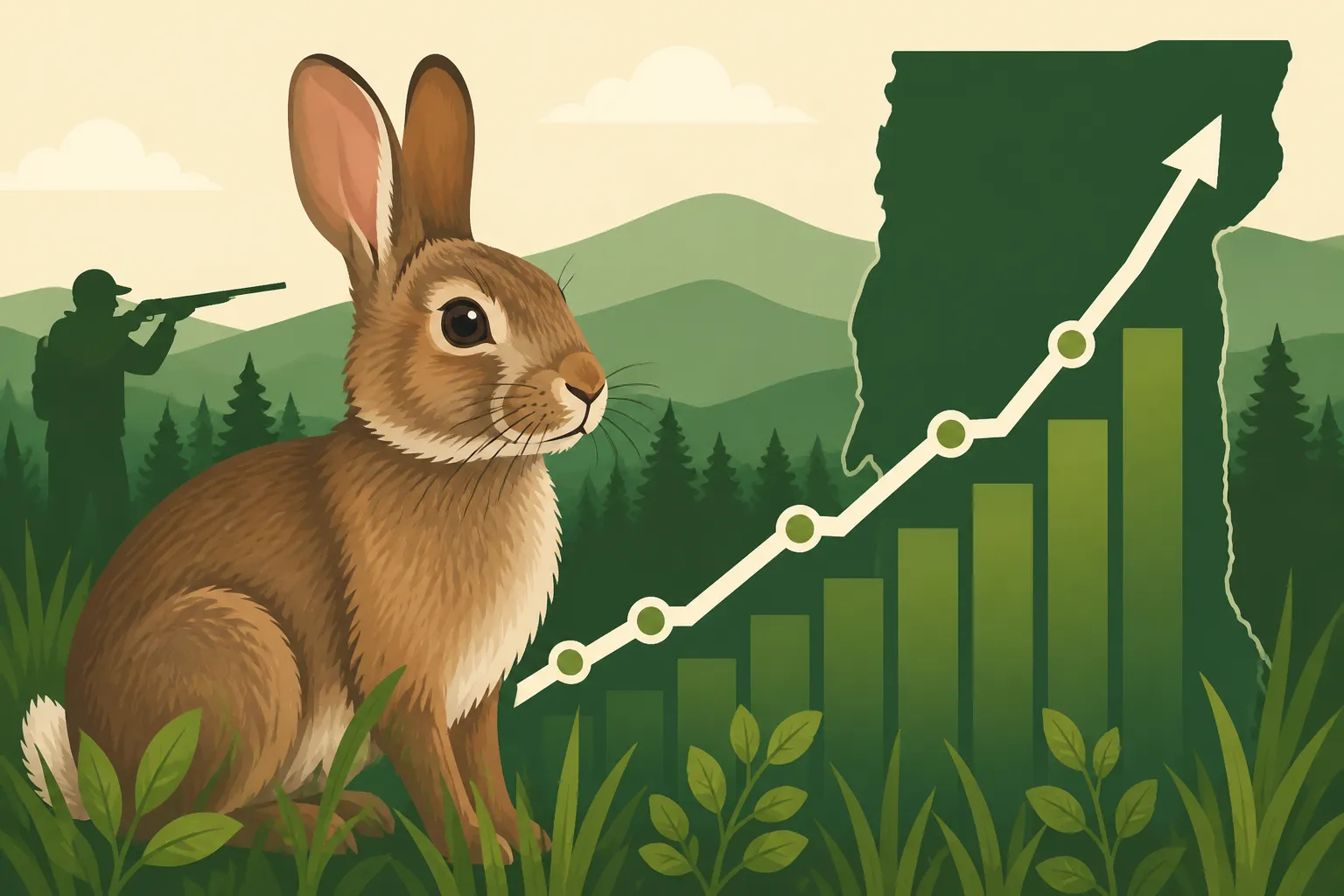
For many hunters, the thought of chasing cottontails brings back fond memories of crisp fall mornings and fast-paced action. But here in Vermont, if you've been finding it harder to put a rabbit in the bag, or just seeing fewer of those twitching noses, you're not alone. The cottontail population trend in our state is a nuanced and often challenging topic, particularly given the presence of two distinct species. This comprehensive guide will break down the current status, the ecological factors at play, and what hunters can expect when looking for these elusive small game animals across the Green Mountains.
Unpacking Vermont's Cottontail Species
When we talk about "cottontail rabbits" in Vermont, it's not as simple as a single species. We actually have two, and understanding the distinction is absolutely crucial for grasping their respective population trends and conservation status. You see, while they might look pretty similar to the casual observer, their habits, habitat needs, and overall viability couldn't be more different.
The Eastern Cottontail: Our More Common Resident
The Eastern cottontail (Sylvilagus floridanus) is the species most Vermonters are likely to encounter. These are the rabbits you see darting across suburban lawns, hopping through overgrown fields, and sometimes even daring to nibble at garden greens. They're adaptable little guys, thriving in a variety of habitats as long as there's a mix of cover and food. They prefer areas with dense brush, thickets, fencerows, and the edges of woodlands – places where they can quickly dive for safety from predators. Their robust nature and ability to tolerate some human disturbance have allowed them to maintain a relatively stable, though fluctuating, population across much of the state, especially in the Champlain Valley and other more developed areas.
What makes the Eastern cottontail more successful in many scenarios is its broader habitat tolerance. They don't need vast tracts of pristine, undisturbed shrubland. A good hedgerow, a brush pile, or an overgrown field near a woodlot can be enough for them to set up shop and raise a family. This adaptability is key to their population trend being more resilient to the subtle changes in our Vermont landscape compared to their more finicky cousins.
The Elusive New England Cottontail: A Species of Concern
Then there's the New England cottontail (Sylvilagus transitionalis). This is our native rabbit, and its story is unfortunately quite different. The New England cottontail is a species of significant conservation concern, not just in Vermont but across its entire historical range. Unlike the Eastern cottontail, these rabbits are habitat specialists. They absolutely need dense, early successional forests and shrublands – think young, regenerating clear-cuts, old fields reverting to thick brush, or shrub swamps. These are habitats characterized by vegetation so thick you can barely walk through it, offering impenetrable cover from above and below.
The decline of the New England cottontail is largely tied to the disappearance of this specific habitat type. As Vermont's forests mature and farming practices change, these critical shrubland ecosystems have shrunk considerably. It’s a classic case of a species struggling against a changing landscape. Finding a New England cottontail is a rare treat, and they are typically restricted to isolated pockets of suitable habitat, primarily in certain areas of eastern and southern Vermont. Hunters need to be acutely aware of this distinction, as efforts are underway to restore their populations, and misidentification can have serious implications for conservation.
| Feature | Eastern Cottontail | New England Cottontail |
|---|---|---|
| Scientific Name | Sylvilagus floridanus | Sylvilagus transitionalis |
| Appearance | Usually larger, often a white blaze on forehead | Slightly smaller, prominent black spot between ears |
| Habitat Preference | Generalist, open fields, fencerows, woodland edges | Specialist, dense early-successional shrubland & thickets |
| Population Status | Relatively stable, common | Endangered/Threatened in many parts of its range |
| Range in Vermont | Widespread, especially Champlain Valley | Isolated pockets, primarily eastern/southern Vermont |
| Conservation Focus | Harvest management | Habitat restoration, protection, population monitoring |
Factors Influencing Cottontail Populations in Vermont
Understanding the forces that shape cottontail numbers is essential for any hunter who hopes to consistently find them, or even just wants to appreciate the ecological dance playing out in our woods and fields. It's a complex web of environmental pressures, human impacts, and natural cycles that all contribute to the current Vermont Cottontail Population Trend.
Habitat Loss and Fragmentation
This is perhaps the biggest driver of cottontail population trends, especially for the sensitive New England cottontail. Vermont, like many New England states, has seen significant changes in its landscape over the last century. Farms have either intensified or gone fallow, leading to a loss of the shrubby edges and early successional growth that rabbits depend on. Development further fragments existing habitat, breaking up what were once continuous areas into smaller, isolated patches.
For the New England cottontail, this means their very specific habitat requirements – those super-dense, young forests and shrublands – are becoming rarer. As these habitats mature into pole timber or are cleared for development, the rabbits simply lose their homes. Even for the more adaptable Eastern cottontail, severe habitat loss can reduce populations. Imagine a thriving rabbit population along an old fencerow and brush pile system that suddenly gets cleared for a new housing development or a larger agricultural field. Those rabbits are displaced, and if there isn't suitable nearby habitat, their numbers in that immediate area will plummet. This is a common frustration for hunters who remember an abundance of rabbits in areas that are now sterile.
Predation Pressure
Vermont is home to a healthy population of predators, and cottontails are a vital part of their diet. Everything from coyotes and bobcats to foxes, raccoons, owls, and hawks prey on rabbits. While a certain level of predation is natural and healthy for an ecosystem, an imbalance can heavily impact cottontail numbers, particularly when populations are already stressed by habitat issues.
Coyotes, in particular, are incredibly efficient predators and have a significant presence across Vermont, including farm country. Coyote Calling Vermont Farm Country is a popular pursuit, highlighting their widespread distribution. When habitat is fragmented, rabbits are often forced to cross open areas, making them highly vulnerable to aerial and terrestrial predators. If a rabbit population is already struggling due to limited cover, even normal predator numbers can seem overwhelming. This is where good, dense escape cover becomes paramount. The thicker the briars and brush, the safer the rabbits are from the sharp talons of a hawk or the keen nose of a coyote.
Climate and Weather Extremes
While not always immediately obvious, weather patterns and climate play a substantial role in cottontail survival. Severe winters with prolonged deep snow can make foraging difficult and leave rabbits vulnerable to predators, especially if their food sources are buried under feet of white stuff. On the flip side, mild, snow-free winters can allow higher overwinter survival, leading to a boost in spring breeding populations.
Wet, cold springs can also negatively impact breeding success and fawn survival. Young rabbits are incredibly fragile, and a damp, chilly nest can lead to significant mortality. Conversely, a warm, dry spring can facilitate multiple successful litters, leading to a population surge. We've certainly seen our share of unpredictable weather in Vermont, and these fluctuations contribute to the boom-and-bust cycles that cottontail populations often experience. This is one of those factors that hunters feel but often can't control, adding another layer of uncertainty to hunting season predictions.
Disease and Parasites
Like all wildlife, cottontails are susceptible to various diseases and parasites. Tularemia, for example, is a bacterial disease that can affect rabbits and other small mammals, and it can be transmitted to humans. While outbreaks tend to be localized, they can cause significant mortality in a specific area. Fleas, ticks, and mites are common parasites, and while usually not lethal on their own, heavy infestations can weaken rabbits, making them more vulnerable to other stresses like predation or disease. In a dense population, diseases can spread more rapidly, but in fragmented, isolated populations, a single outbreak can be devastating to a local group. Hunters should always handle rabbits with gloves and inspect them thoroughly, especially during warm weather.
Current Status and Hunting Implications
So, what does all this mean for the Vermont hunter who loves the thrill of chasing cottontails? It means that understanding the local nuances is more important than ever. The days of simply stumbling into a field and expecting to flush a dozen rabbits might be largely behind us, but with knowledge and effort, successful rabbit hunting is still very much a part of the Small Game and Predator Hunting in Vermont tradition.
Eastern Cottontail: Localized Abundance and Hunter Opportunity
For the Eastern cottontail, the population trend is generally stable across much of Vermont, but with significant localized variations. You'll find pockets of abundance where habitat is ideal: areas with dense brush, overgrown fencerows, old apple orchards, and field edges that haven't been manicured to perfection. These rabbits thrive in areas of transition – where fields meet woods, or where suburban sprawl creates edges with ample cover.
Hunters should focus their efforts on scouting for these specific habitat types. Look for briar patches that are almost too thick to walk through, tangled grapevines, multiflora rose thickets, and areas with fallen trees and brush piles. These are the fortresses where Eastern cottontails feel safe. Using a mapping tool like GoHunt can help you identify these specific landscape features, especially on public lands or where you have private land permission. Walk slowly, push through the thick stuff, and be ready for a quick shot when a rabbit bursts out. Remember that a fresh dusting of snow can make finding tracks easier and tell you if a spot is active.
New England Cottontail: Restricted Zones and Conservation Focus
Hunting New England cottontails is a different story entirely, and generally, they are not a target species for harvest due to their imperiled status. Their populations are so low and so fragmented that conservation efforts are focused on recovery, not recreation. If you encounter what you believe to be a New England cottontail, especially in areas where they are known to exist, the best practice is to err on the side of caution and not harvest it.
Conservationists and state wildlife agencies are actively working on habitat restoration projects specifically designed to benefit New England cottontails. These projects involve creating and maintaining the dense, shrubby early successional habitat they require. Hunters who are passionate about small game can contribute to these efforts by supporting conservation organizations or even by managing their own land to create suitable habitat. Knowing the difference between the two species is paramount to being a responsible hunter.
Hunting Strategies in a Changing Landscape
Given these population trends, successful rabbit hunting in Vermont requires adapting your strategies.
- Scouting is King: Before the season even opens, get out there and identify potential rabbit hotspots. Look for the densest cover. Don't just drive by; put boots on the ground. This also ties into Shed Hunting on Vermont Public Land as a great way to scout general areas in the off-season.
- Focus on Cover: Rabbits live in cover. Period. If you're walking through open woods or clean fields, you're in the wrong spot. Concentrate your efforts on the nastiest, most tangled places you can find.
- Utilize Dogs: Beagles are synonymous with rabbit hunting for a reason. Their ability to push rabbits out of thick cover and keep them circling provides some of the most exciting small game hunting experiences. Running Beagles on a Vermont Snowshoe Hare highlights the effectiveness of dogs for similar pursuits in dense cover.
- Patience and Persistence: You might not jump a rabbit every time you go out. Keep moving, keep pushing cover, and eventually, your efforts will be rewarded.
- Consider Timing: Overcast days or after a light rain can be good times to hunt, as rabbits may be more active. Fresh snow, as mentioned, is invaluable for locating active areas and tracking.
Conservation Efforts and Future Outlook
The future of Vermont's cottontail populations, particularly the New England cottontail, hinges on ongoing conservation efforts and how we collectively manage our landscapes. It's not just about managing harvest; it's about managing habitat.
Targeted Habitat Restoration
For the New England cottontail, significant resources are being dedicated to creating and maintaining suitable habitat. This often involves timber harvesting practices that promote early successional growth, controlled burns, and planting native shrub species in specific areas. These projects are usually carried out on public lands, like certain Wildlife Management Areas (WMAs), and in partnership with private landowners. The goal is to establish larger, interconnected patches of habitat that can support viable populations and allow for genetic exchange.
These habitat projects often benefit a whole suite of other wildlife that depend on young forest and shrubland, including ruffed grouse, woodcock, and many songbirds. So, while focused on rabbits, the ecological benefits are widespread. Understanding these efforts can also help hunters identify where future rabbit populations might flourish, making Scouting Vermont Public Land Before Season even more important.
Research and Monitoring
State wildlife agencies and academic institutions are continuously conducting research to better understand cottontail populations. This includes genetic studies to differentiate between Eastern and New England cottontails, radio-telemetry studies to track movements and habitat use, and population surveys. This data is critical for making informed management decisions and for identifying areas where conservation efforts are most needed. These studies are also vital for tracking the Vermont Deer Population Estimate and other species.
By monitoring population trends and habitat conditions, wildlife managers can adjust regulations, target habitat projects, and educate the public on how best to support both species. GoHunt and similar tools can sometimes integrate publicly available data layers that indicate areas of conservation focus, which can be useful for understanding the broader ecological context of your hunting grounds.
The Role of Hunters in Conservation
Hunters play a crucial role in cottontail conservation. By purchasing licenses and permits, you contribute directly to the funding of wildlife management and habitat restoration projects. Furthermore, being able to accurately identify species, respecting bag limits, and supporting habitat initiatives are all ways that hunters can be stewards of our cottontail populations.
The future outlook for the Eastern cottontail is generally positive, assuming continued habitat diversity in rural and semi-rural areas. Their adaptability is their strength. For the New England cottontail, the path is much more challenging, but dedicated conservation efforts offer hope. Success will depend on a sustained commitment to creating the dense, shrubby landscapes that are so vital to their survival. As a hunter, appreciating the subtle differences in the landscape, recognizing suitable habitat, and being mindful of the two distinct species are key steps toward enjoying our cottontail resource responsibly and helping ensure their future. Whether you're hunting Squirrel Hunting Vermont Hardwoods or focusing on brush piles, understanding the subtle ecosystem clues is what makes Vermont hunting so rewarding. Even a Reading Vermont Mud for Fresh Deer Movement can tell you if other game is active in an area.
Disclaimer
This article is for general informational purposes only and does not constitute professional advice. Laws, prices and regulations vary by location and change over time. Consult a qualified professional for guidance on your specific situation.