Vermont Deer Damage Permits for Farmers
The frustration is real when you spend countless hours tilling soil, planting crops, or carefully cultivating an orchard, only to see your hard work literally eaten away by deer. For farmers in Vermont, deer damage isn't just an inconvenience; it can be a significant economic burden, impacting yields, profitability, and even the future of their operations. This comprehensive guide is here to walk you through the process of understanding and obtaining Vermont's specialized deer damage permits, offering a vital tool to protect your livelihood.
Understanding Deer Damage in Vermont Agriculture
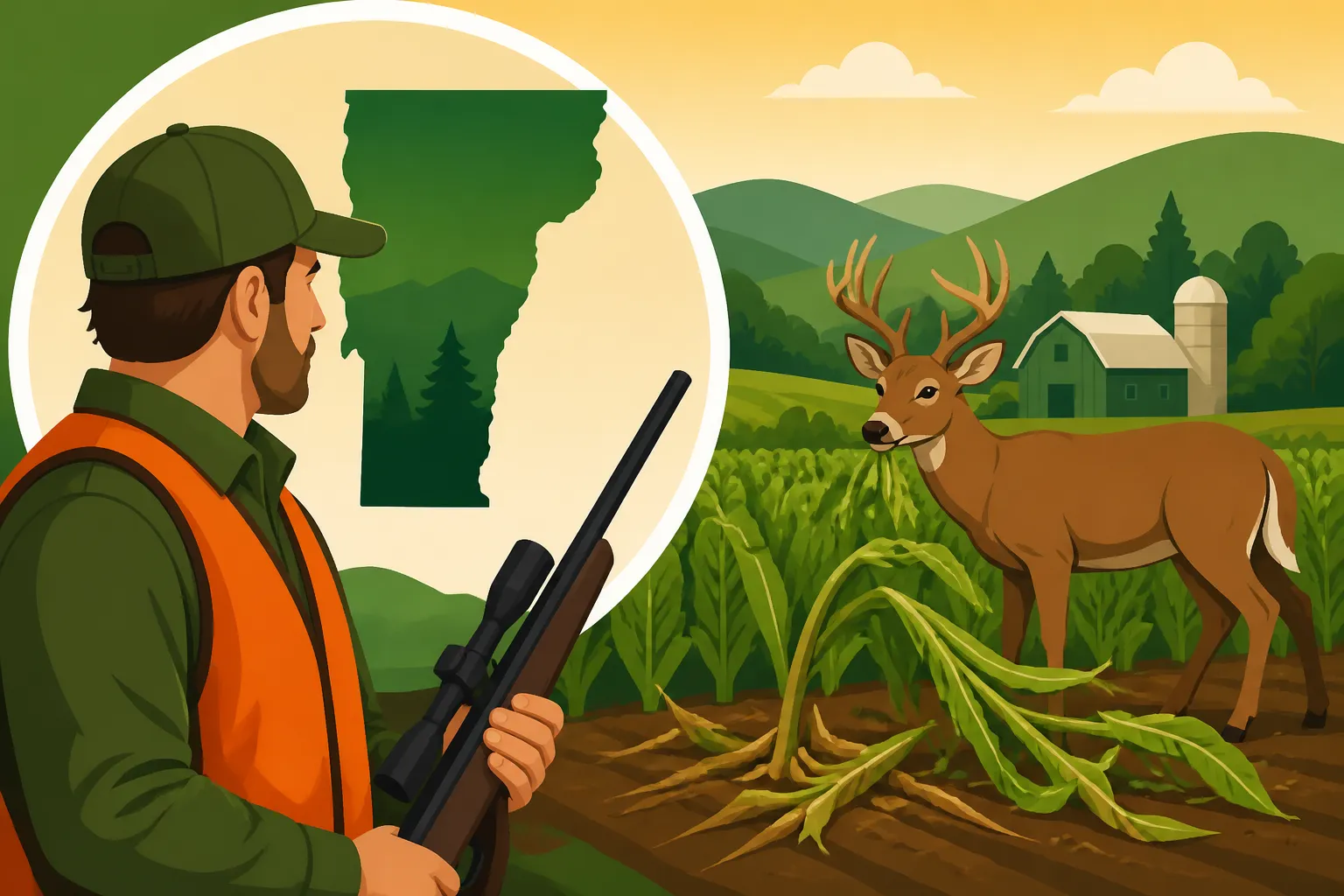
There’s a common misconception that deer damage is just a minor nuisance, a few nibbled plants here and there. But for Vermont’s agricultural community, it’s far more insidious and widespread, capable of undermining years of careful planning and investment. When you’re staring down a field of corn stripped clean, young apple trees debarked, or a hay crop severely reduced, it’s clear this isn't a small problem.
The Real Impact on Farm Livelihoods
Let's be honest, farming is already a tough business with tight margins. Add in significant wildlife damage, and those margins can disappear entirely. Deer are notorious for their selective browsing, often targeting the most tender, nutritious parts of plants, which just happen to be the parts farmers rely on for harvest. Imagine a row of newly planted pumpkins, meticulously nurtured, only to have the blossoms and young fruit browsed off before they even have a chance to mature. This doesn't just reduce yield; it can completely eliminate it.
Or consider orchards. Young fruit trees are particularly vulnerable. Deer will rub their antlers on saplings, stripping bark and girdling the trees, which can kill them outright or stunt their growth for years. For an apple or pear orchard, replacing these trees means a significant delay in revenue, sometimes five to seven years, alongside the direct cost of replanting. Even established trees suffer from heavy browsing on new growth, impacting future fruit production. Hayfields and pastures aren't immune either; heavy deer populations can graze down valuable forage, competing directly with livestock and requiring farmers to purchase supplemental feed. This direct financial hit is something many small, independent farms simply cannot absorb year after year.
Why Deer Pressure is a Constant Challenge
The reason deer damage persists as such a challenge stems from a combination of ecological factors and land use patterns here in Vermont. Our landscape, with its mix of woodlands, agricultural fields, and suburban edges, creates ideal habitat for white-tailed deer. They thrive in areas that offer both cover for bedding and open fields for feeding. This "edge habitat" is precisely what many farms provide. As deer populations in certain areas remain robust, and sometimes even grow, the pressure on agricultural resources intensifies.
Moreover, deer are incredibly adaptable. They learn quickly which fields offer the tastiest forage and will return repeatedly. While hunters contribute significantly to population management during seasons like the Vermont's November Rifle Season or Hunting the Expanded Archery Zones in September, the sheer number of deer in certain localized areas, combined with their nocturnal feeding habits, means that traditional hunting pressure often isn't enough to alleviate specific and intense agricultural damage. This is especially true for crops ripening outside of regular hunting seasons, or on properties where hunting access is limited. Factors like a poor mast crop in the surrounding woods can drive deer to rely even more heavily on agricultural fields, making them key Late-Season Food Sources for Vermont Whitetails when natural forage dwindles.
What Are Vermont Deer Damage Permits?
When traditional hunting seasons and preventative measures fall short, Vermont's Deer Damage Permits offer a crucial mechanism for farmers to protect their crops and property. These aren't just extra hunting tags; they are specific, regulated tools designed to address acute situations of agricultural loss.
The Purpose and Philosophy Behind the Permits
The Vermont Fish & Wildlife Department understands the delicate balance between managing a healthy deer herd and supporting the state's agricultural industry. The philosophy behind these permits is not to eradicate deer from farmlands, but to provide targeted relief when deer populations are causing significant, demonstrable economic harm. They recognize that unchecked deer damage can threaten the viability of farms, which are vital to Vermont's economy and landscape.
These permits essentially allow farmers or their designated agents to take a limited number of deer outside of established hunting seasons or bag limits, specifically to mitigate ongoing damage. It's a recognition that wildlife management sometimes requires nuanced, location-specific interventions beyond the broader seasonal framework. The department aims to work with farmers, offering a solution that helps protect their livelihood while still collecting important data on deer populations and agricultural impacts. It's about maintaining a sustainable balance that respects both wildlife and the hard work of Vermont's farming community.
Who is Eligible and What They Allow
Eligibility for a deer damage permit is strictly defined to ensure the system is used appropriately. Generally, these permits are issued to landowners, tenants, or their authorized agents who are actively engaged in agricultural production and can demonstrate that deer are causing substantial damage to their crops, orchards, hayfields, or other agricultural products. This isn't for a homeowner whose garden gets nibbled; it's for commercial or subsistence agricultural operations facing a genuine threat to their economic output.
Once issued, a permit specifies a number of critical details:
- Number of Deer: The permit will authorize the taking of a specific number of deer, typically antlerless, based on the severity of the damage and the department's assessment.
- Timeframe: There will be a strict period during which the permit is valid, often coinciding with the vulnerable growth stages of the damaged crops.
- Location: The permit applies only to the specific parcel(s) of land where the damage is occurring.
- Methods: Specific legal methods for taking deer are outlined. These may include the use of firearms or archery equipment, and they must comply with all other applicable hunting and safety regulations, including setbacks from buildings and roads.
- Authorized Shooters: The permit holder can designate specific individuals (often themselves or other hunters) to take the deer, provided those individuals hold valid Vermont hunting licenses and comply with hunter education requirements. This means even if you're the farmer, you still need to meet general hunting qualifications.
It's a tightly controlled process designed to be effective without becoming an open-ended hunting opportunity. For farmers looking to understand the full scope of hunting regulations and seasons that complement these permits, resources like GoHunt can be incredibly useful for checking current rules and deer population data in different Wildlife Management Units (WMUs).
The Application Process: Navigating the Red Tape
Applying for a deer damage permit can feel like navigating a maze of paperwork, especially when you're already stressed about crop losses. However, the Vermont Fish & Wildlife Department has a clear process in place to ensure these permits are issued responsibly and effectively.
Step-by-Step Guide to Applying
The first step, and often the most crucial, is contacting your local Vermont Fish & Wildlife Department district office. You can usually find their contact information on the department's official website. It’s not simply filling out a form online. An initial conversation with a game warden or wildlife biologist is often necessary to explain your situation and kickstart the process. They’ll want to understand the nature and extent of the damage you're experiencing.
Next, you'll typically be required to submit a formal application. This application will ask for detailed information about your farm, the specific crops or products being damaged, the estimated monetary loss, and a history of the damage. You'll need to provide your contact information, property details (including maps or GPS coordinates of affected areas), and any other relevant background. It’s helpful to be as thorough as possible here.
Following your application, a site visit from a Vermont Fish & Wildlife representative is usually conducted. This is where a game warden or biologist will physically inspect your property to verify the damage. They'll assess the extent of the impact, identify deer sign, and confirm that deer are indeed the primary cause of the issues. This inspection is a critical part of the process, as it allows the department to gauge the severity of the problem firsthand. This is also a good opportunity to discuss Reading a Green Mountain Deer Yard on or near your property to understand deer movement patterns contributing to the damage.
Finally, if your application is approved and the damage is substantiated, the department will issue the permit. This permit will clearly state the conditions, including the number of deer allowed, the effective dates, the approved methods, and any specific reporting requirements. It’s imperative to read and understand every detail of the permit before taking any action.
Key Considerations for a Successful Application
To maximize your chances of a successful application, documentation is your best friend. Start collecting evidence as soon as you notice significant damage. This includes:
- Photographs and Videos: Take clear, dated photos and videos of the damaged crops, trees, or pastures. Close-ups showing deer browse, rubs, or tracks are incredibly helpful. Include wider shots to show the overall scale of the damage.
- Damage Estimates: Keep records of your estimated financial losses. This could include reduced yields, costs for replanting, or market value of destroyed produce. The more precise you can be, the better. Many farmers consult with agricultural extension agents or commodity specialists to help accurately quantify these losses.
- Deer Sign: Document fresh deer tracks, droppings, or beds in the damaged areas. The more recent and localized the sign, the stronger your case for ongoing damage.
- Previous Efforts: Outline any non-lethal deterrents you've tried, such as fencing, repellents, or noise makers. This demonstrates that you’ve attempted other methods before resorting to a damage permit. It shows due diligence on your part.
- Proximity to Cover: Understanding how deer use the landscape can strengthen your case. If your fields are adjacent to thick woods or dense cover, noting this on your application helps illustrate why deer are a consistent problem. For detailed topographical information and land features, many farmers find digital mapping tools, even those offered by platforms like GoHunt, to be incredibly useful for showing property lines, adjacent cover, and damage locations.
Remember, the goal is to clearly and convincingly demonstrate that deer are causing significant economic hardship to your agricultural operation. Be prepared to present a strong, evidence-based case.
Responsibilities and Reporting for Permit Holders
Receiving a deer damage permit isn't the end of the process; it marks the beginning of a set of responsibilities aimed at ensuring ethical wildlife management and accurate data collection. These permits come with strict rules, and adherence to them is paramount.
Adhering to Permit Conditions
Once you have that permit in hand, it’s crucial to understand that it's not a free-for-all. Every permit comes with specific conditions, and violating them can lead to serious penalties, including fines and the loss of future permit eligibility. Pay close attention to:
- Who Can Shoot: Only the designated permit holder or explicitly authorized agents, who must hold valid Vermont hunting licenses and comply with Vermont Hunter Education Requirements, are allowed to take deer. You cannot simply hand the permit to anyone.
- Weapon Types: The permit will specify the type of weapon allowed, typically a firearm or archery equipment, and you must adhere to all general hunting regulations regarding safe use and discharge. This includes respecting all Vermont Firearms Discharge Setback Rules from dwellings and roads.
- Timeframes: Deer may only be taken during the dates and times specified on the permit. This is often limited to daylight hours and specific periods corresponding to the most active damage.
- Location: The permit is only valid for the specific areas of your farm where damage has been substantiated. You cannot use it to take deer on other parts of your property, or especially off your property, if those areas aren't designated.
- Bag Limits: You can only take the exact number of deer specified on the permit. Once that number is reached, the permit is fulfilled, even if the timeframe hasn't expired.
Operating within these parameters ensures that the permits serve their intended purpose: targeted, necessary control, not general hunting.
Reporting Requirements and Data Collection
A critical part of holding a deer damage permit is the strict reporting requirement. Every deer taken under the authority of a damage permit must be reported to the Vermont Fish & Wildlife Department according to the instructions on the permit. This typically involves:
- Immediate Notification: Often, the department requires notification within a specific timeframe (e.g., 24-48 hours) after a deer is harvested.
- Physical Check-in or Online Reporting: You might need to bring the deer to a designated big game reporting station, or in some cases, online reporting through the Vermont Fish & Wildlife app might be allowed, similar to reporting during regular seasons. The Vermont Deer Reporting Deadline for damage permits is just as critical as for regular season harvests.
- Providing Specific Information: You’ll be asked for details such as the date and time of harvest, the exact location, the sex and approximate age of the deer, and sometimes even antler measurements if it was a buck (though most damage permits are for antlerless deer).
This reporting is not just bureaucracy; it's vital for wildlife management. The data collected helps the department understand local deer densities, the effectiveness of damage control measures, and trends in agricultural impacts. It allows them to refine their management strategies, assess the Vermont Deer Population Estimate, and ensure that permit issuance remains a responsible tool. Failing to report a harvested deer is a serious violation and can jeopardize your ability to obtain future permits.
Alternative and Complementary Deer Management Strategies
While deer damage permits are a powerful tool for farmers facing significant losses, they are often best used as part of a broader, integrated strategy for managing deer and protecting agricultural assets. Relying solely on lethal removal can be a short-term fix if underlying attractants aren't addressed.
Proactive Measures to Mitigate Damage
Prevention is often the most cost-effective long-term solution. Many proactive measures can significantly reduce deer pressure on your farm:
- Fencing: High-tensile electric fencing or physical exclusion fences (at least 8 feet high) are arguably the most effective deterrents, especially for high-value crops or orchards. While initial investment can be substantial, the long-term protection often justifies the cost. For smaller plots, temporary electric fences can be deployed during vulnerable growth stages.
- Repellents: Scent or taste-based repellents can be applied to crops. These work by making plants unpalatable or by mimicking predator scents. Their effectiveness varies, and they often require reapplication after rain or new growth.
- Crop Selection and Placement: Where possible, consider planting less deer-attractive crops near wooded edges and more vulnerable crops closer to human activity. Some farmers also experiment with "trap crops"—small plantings of highly preferred forage deliberately placed away from main fields to draw deer.
- Noise Makers and Deterrents: Motion-activated sprinklers, strobe lights, or noisemakers can deter deer, particularly at night. However, deer are intelligent and can habituate to these over time, so rotating deterrents is often necessary.
- Habitat Modification: While not always feasible on a large scale, reducing dense cover immediately adjacent to highly vulnerable fields can make deer feel less secure entering those areas.
Implementing a combination of these strategies can create a multi-layered defense, making your farm less appealing to deer and reducing the need for lethal intervention.
Integrating Hunting Seasons with Damage Control
Beyond specific damage permits, utilizing regular hunting seasons effectively is an incredibly important component of deer management on agricultural lands. A strong relationship with local hunters can provide ongoing pressure and help keep populations in check naturally.
- Antlerless Permits: Encourage hunters on your property to utilize antlerless permits during the regular archery, rifle, and muzzleloader seasons. Taking does is the most effective way to manage deer populations and reduce future breeding potential. Vermont's rules for Holding Two Antlerless Permits in Different WMUs can allow hunters to take more deer where needed.
- Extended Seasons: Take advantage of Vermont's extended archery seasons, such as Hunting the Regular Archery Season Into December, which can provide additional opportunities to remove deer after crops have been harvested but before winter sets in. This can help reduce the number of deer that survive to browse on next year's growth.
- Landowner Preference: Understand the Vermont Landowner Preference Rules for antlerless permits, which can sometimes provide additional opportunities for you or designated hunters to obtain permits for your property.
- Strategic Access: Consider allowing hunters access to areas where deer congregate or enter/exit your fields, particularly during peak movement times like the rut, or during seasons like Vermont's Expanded Archery Season Opens which targets localized populations. This can involve setting up stands along field edges or known travel corridors, as explored in articles like Hanging a Stand on a Champlain Valley Field Edge. Building good relationships with responsible hunters can be a game-changer, turning a potential liability into a valuable ally in your land management efforts.
By combining proactive deterrents, encouraging robust hunting during regular seasons, and utilizing damage permits when necessary, farmers can build a comprehensive and sustainable strategy to protect their crops and ensure the long-term viability of their agricultural operations in Vermont.
Vermont Deer Damage Permit Summary
| Aspect | Description |
|---|---|
| Purpose | To provide targeted relief for farmers experiencing significant, documented deer damage to agricultural crops, orchards, and products. |
| Eligibility | Landowners or tenants actively engaged in agricultural production with verifiable economic losses due to deer. |
| Application Process | Contact VT Fish & Wildlife district office, submit formal application with documentation (photos, estimates), undergo site inspection by department staff. |
| Permit Details | Specifies number of deer (often antlerless), valid dates, authorized location, legal methods, and designated shooters (must be licensed VT hunters). |
| Reporting Requirements | Mandatory reporting of all harvested deer to VT Fish & Wildlife within specified timeframe (e.g., 24-48 hours), often through physical check-in or online. Data collection is critical for wildlife management. |
| Complementary Strategies | Fencing, repellents, crop selection, noise deterrents, and strategic use of regular hunting seasons (e.g., encouraging antlerless harvest) are highly recommended. |
Disclaimer
Please be aware that hunting regulations, permit requirements, and wildlife management policies are subject to change. This guide provides general information based on current knowledge. Always consult the official Vermont Fish & Wildlife Department website or contact their local office directly for the most up-to-date and accurate regulations before taking any action. Compliance with all state and federal laws is the responsibility of the individual.