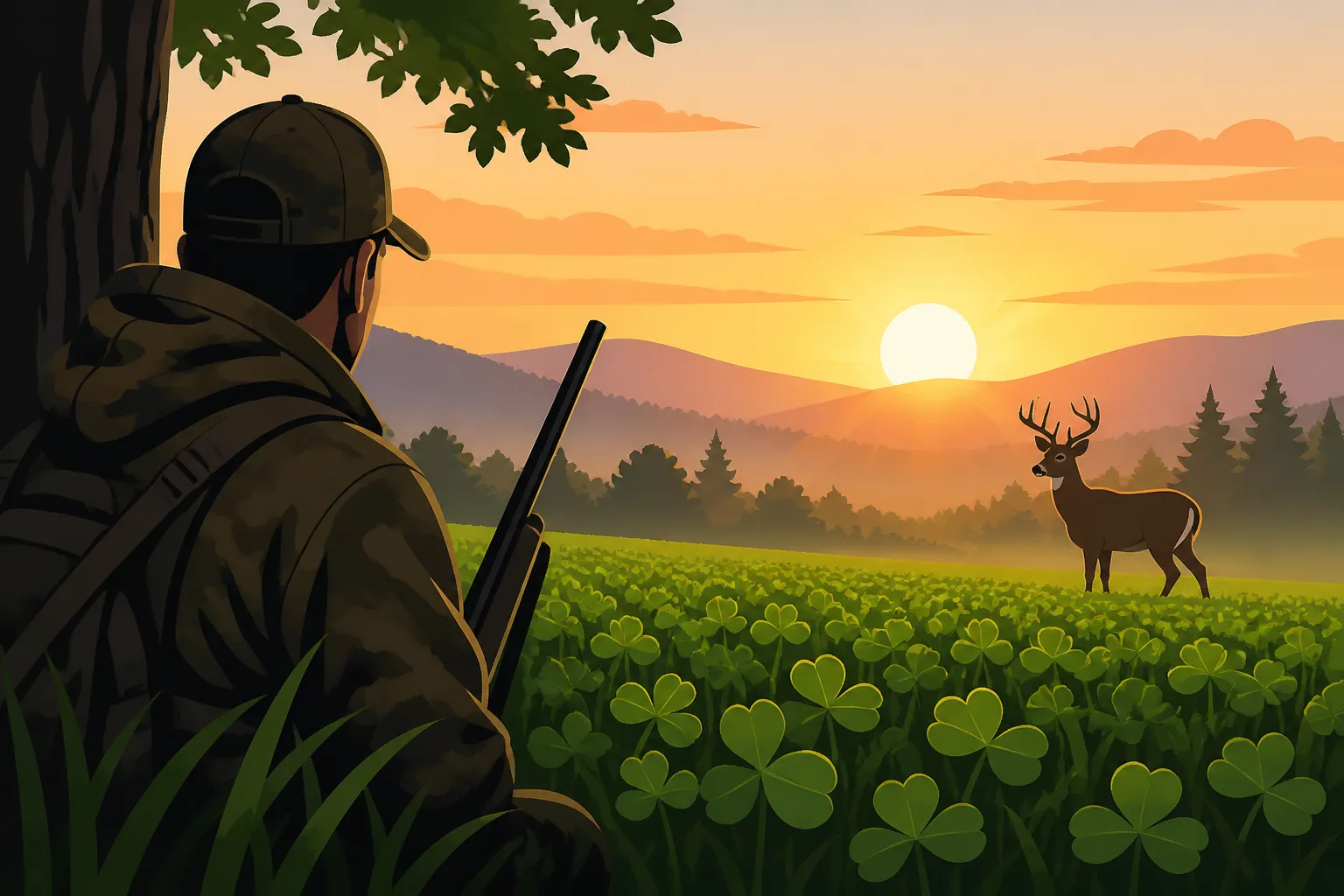
Hunting a Clover Plot at First Light
There’s nothing quite like the anticipation of a new day breaking over a quiet Vermont landscape, especially when you’re nestled in a treestand overlooking a lush clover plot. It's a prime setup, yet many hunters struggle to capitalize on this early morning advantage, often making small mistakes that send deer scattering before legal shooting light even arrives. This guide will walk you through the nuances of effectively hunting clover plots at first light, helping you understand deer behavior, refine your strategy, and improve your chances of a successful hunt in the Green Mountain State.
Why Clover Plots Attract Deer at Dawn
Clover plots are absolute magnets for deer, and it’s no secret why. But understanding why they pull deer in so strongly, especially during those magical first hours of the day, is key to hunting them successfully. Deer are constantly seeking high-quality forage, and clover delivers that in spades, often boasting high protein content crucial for antler growth in bucks and lactation in does.
The Nutritional Draw of Clover
Think about it: after a long night of browsing, deer need to refuel with something palatable and nutrient-rich. Clover, particularly varieties like ladino or crimson clover, offers just that. It's a highly digestible food source that stays green and attractive well into the colder months, even sometimes providing late-Season Food Sources for Vermont Whitetails. This makes it a consistent draw from early archery season right through to the end of muzzleloader season. Deer prefer to feed on something that gives them maximum nutritional return with minimal effort, and a well-maintained clover plot fits that bill perfectly. It's a biological imperative that drives them to these green buffets.
Deer Movement Patterns at First Light
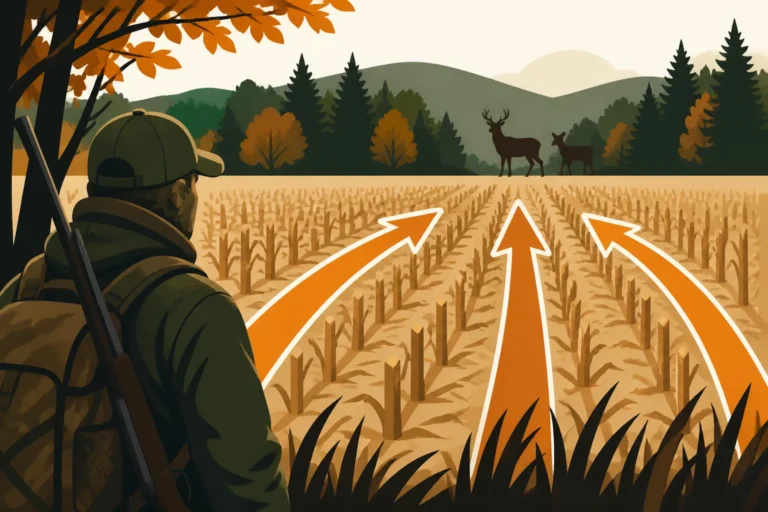
Deer, being crepuscular creatures, are most active during dawn and dusk. This isn't just a quaint notion; it's a hard-wired survival instinct. As night fades and the sun begins to creep over the eastern horizon, deer are typically transitioning from their nocturnal feeding to their bedding areas. A clover plot often serves as a crucial pit stop during this transition. They feel safer moving in the low light, less exposed to predators, and the cool, moist air of morning keeps their body temperatures regulated.
They've spent the night browsing other areas, but as they head back towards their bedding cover, that easily accessible, highly nutritious clover patch offers one last chance to top off before bedding down for the day. This is why you often see them filtering into these plots just as the first hint of gray light appears, offering a fleeting window of opportunity. Understanding these patterns, combined with insights into the overall Vermont Deer Herd Size, can significantly boost your hunting strategy.
Strategic Approaches for Hunting Clover at Dawn
Successfully hunting a clover plot at first light requires meticulous planning and flawless execution. It’s not just about showing up; it’s about anticipating deer movement, managing your scent, and being in the right place at the right time without alerting your quarry.
Optimal Stand Placement for Early Morning Success
Your stand placement is arguably the most critical factor. For a morning hunt, your goal is to intercept deer as they leave the plot, or as they make one last pass before heading to bed. This often means setting up on the downwind side of the plot, not directly on it. You want to be between the clover and the most likely bedding areas. Consider where the sun will rise; you don't want to be backlit by the rising sun, silhouetting you against the sky. A good spot might be a finger of timber that extends into the plot, or a small brushy knoll that offers concealment while providing a clear shot opportunity.
Think about the prevailing wind. During early morning, thermals often drop down slopes as the air cools, then reverse and start rising as the sun warms the earth. This means your scent could be carried into the plot, or worse, towards their bedding areas. You need to identify a setup that keeps your scent out of both the plot itself and their escape routes. Many hunters use mapping tools like GoHunt to analyze terrain and potential wind currents, helping them visualize these subtle thermal shifts, especially when dealing with the varied elevations seen while Hunting the Green Mountains High Country. For instance, if deer are typically filtering off a Green Mountain Ridgeline Public Access, your stand should be positioned to catch them without being detected. Hanging a Stand on a Champlain Valley Field Edge provides similar strategic challenges and opportunities.
Mastering Your Entry and Exit Routes
This is where many hunts go awry. Getting into your stand undetected in the dark, and leaving after the hunt without spooking deer, is paramount. Your entry route needs to be quiet, obscured, and avoid walking through areas where deer are likely to be staging or bedding. If possible, use a low-lying ditch, a creek bed, or a thick fencerow as a natural corridor. Accessing your stand from a direction that keeps the wind in your face on the way in is ideal, even if it means taking a longer, more circuitous route.
Similarly, your exit strategy is just as important. If you push deer out of the plot after an unproductive morning, you’ve educated them, making future hunts harder. Sometimes, waiting until deer have completely cleared the area or until mid-morning when they are firmly bedded is the best approach. Using a ground blind can also aid in discreet entry and exit, especially if you're not comfortable climbing in the dark. If you're hunting public land, remember the considerations for Using a Ground Blind on Public Land to ensure you're in compliance with regulations and minimizing impact. I find that wearing quality Base Layers for a Cold September Sit helps keep me comfortable and focused during these quiet, slow movements.
Here's a quick comparison of entry/exit strategies:
| Strategy Aspect | Optimal Approach for First Light | Potential Pitfalls |
|---|---|---|
| Route Choice | Use natural cover (ditches, fencerows, heavy timber) | Walking through open areas or known travel corridors |
| Timing | Arrive well before legal light, allowing scent to dissipate | Rushing, arriving just before or at legal light |
| Wind Direction | Always enter with wind in your face | Entering with a crosswind or downwind approach |
| Noise Reduction | Wear quiet clothing, take slow steps, avoid snapping branches | Scuffing feet, loud gear, talking |
| Scent Control | Shower, clean clothes, scent elimination spray | Ignoring scent protocols, handling gear with bare hands |
| Exit Strategy | Wait until mid-morning or deer have cleared | Exiting too early, spooking deer from bedding areas |
Addressing Common Challenges and Mistakes
Hunting a clover plot at first light isn't without its hurdles. Experienced hunters know that deer can be incredibly perceptive. What seems like a minor oversight to us can be a glaring red flag to a whitetail, ruining your chances before you even settle in.
The Ever-Present Scent Control Battle
This is the holy grail of deer hunting, and nowhere is it more critical than on a food plot. Deer will often circle downwind of a plot before committing to feed, sniffing the air for any hint of danger. If your scent cone drifts across that approach, your hunt is over. This means religiously adhering to a strict scent control regimen: washing hunting clothes in scent-free detergent, storing them in airtight containers, showering with scent-free soap, and wearing rubber boots to minimize ground scent. Even the subtle odor of your breath can spook a wary buck in still morning air.
I always check the wind diligently, not just at home, but also on-site using a milkweed pod or a puff bottle before I ever step foot near my chosen stand. GoHunt's detailed wind prediction models are invaluable here, helping you understand how wind and thermals will behave as the morning progresses. Remember, the wind you feel on your face might not be the same wind circulating at deer level or in a low-lying swale. Pay close attention to subtle shifts, especially when dealing with the variable Wind and Thermals in Steep Green Mountain Terrain.
Avoiding Noisy Entry and Undetected Movement
The woods are incredibly loud in the still, pre-dawn hours. Every crunch of a leaf, every snap of a twig, sounds amplified. Your entry needs to be as silent as possible. This means wearing soft, quiet clothing, avoiding gear that clanks or scrapes, and taking slow, deliberate steps. I prefer to use a headlamp with a red light filter for entry, as it's less intrusive than white light. Map your exact route beforehand, perhaps using a GPS app like the Best GPS App for Vermont Public Land, to navigate through the darkest timber.
Often, hunters make the mistake of getting too close to the plot edge, hoping for a closer shot. While this seems logical, it increases your chances of being detected. Deer will often skirt the edges of a plot, especially mature bucks, before stepping into the open. Giving them a bit of space, allowing them to feel secure before they enter your shooting lane, is a better strategy. Reading a Green Mountain Deer Yard can offer clues about how deer use cover for movement. Sometimes, the best shot isn't the closest one, but the one you get from a more concealed, downwind position where the deer feels safe.
When to Call and When to Stay Silent
In the early morning, deer are often focused on feeding and moving, not necessarily seeking out other deer. Aggressive calling or decoying can sometimes do more harm than good, especially on pressured land. A subtle grunt or a soft doe bleat, used sparingly, might pique curiosity, but it's often best to let the natural deer movement dictate the interaction. If you notice a deer hesitating or looking in your direction, a soft, reassuring bleat might calm them down.
However, during the peak of the rut, a light rattling sequence or a more aggressive grunt might work, but in a clover plot, especially at first light, a less-is-more approach is generally safer. Deer entering a food source are typically focused on food, not necessarily on social interactions. If you do consider calling, think about the context. If you're Hunting the Rut in Early-to-Mid November, then calling might be more effective. Otherwise, I’d suggest remaining as silent as possible.
Post-Hunt Considerations and Season-Long Strategy
Your hunt isn't over when you climb out of the stand. How you evaluate the results, adjust your tactics, and maintain your plot can significantly impact your success for the rest of the season.
Analyzing Movement and Adjusting Tactics
Even if you don't punch a tag, every hunt is a learning experience. Pay close attention to how deer enter the plot, where they feed, and how they exit. Did they come from a different direction than you expected? Did they skirt the far edge out of range? This information is invaluable for your next sit. Use trail cameras, strategically placed along the edges of the plot or on likely travel corridors, to monitor movement patterns. Trail Camera Placement on Public Land rules should be understood if you're hunting state lands. These cameras can tell you not just when deer are there, but how many, what size, and which routes they prefer.
If deer are consistently coming from a different direction than your stand is set for, or if they're blowing past you because of a swirling wind, it's time to adjust. Don't be afraid to move your stand or set up a secondary option. Maybe the deer are using a distinct funnel between two woodlots to get to the clover. Identifying these patterns, sometimes with the help of advanced mapping features in GoHunt, allows you to adapt your strategy, ensuring you're not just hoping for luck, but actively hunting.
Maintaining Your Clover Plot for Continuous Attraction
A clover plot isn't a "plant it and forget it" affair. To keep it attractive to deer throughout the season, proper maintenance is crucial. This includes regular mowing to encourage new, succulent growth and prevent weeds from taking over. Mowing also releases nitrogen from the clover, benefiting the soil and stimulating further growth. Soil testing and appropriate fertilization are also key to ensuring the plot remains highly nutritious.
Consider planting a mix of clover varieties, perhaps with some chicory or brassicas, to offer a diverse food source that can withstand different weather conditions and provide attraction from early season right through to the end of the year. A healthy, well-managed clover plot will be a consistent destination for deer, increasing your odds of encountering them at first light throughout Vermont's diverse hunting seasons. If you're doing any Scouting Vermont Public Land Before Season, you might notice well-maintained food plots on adjacent private parcels that hold deer. This strategy also ties into understanding wider patterns of deer movement, like those identified by those who are Holding Two Antlerless Permits in Different WMUs, where varied food sources can influence deer distribution.
Disclaimer
Please consult the Vermont Fish & Wildlife Department's official regulations before engaging in any hunting activities. Seasons, bag limits, and specific rules can change annually, and it is the hunter's responsibility to be fully informed and compliant with all state laws. This guide provides general informational advice and should not be considered a substitute for official legal guidance.