Dog Training on Vermont Public Land
Trying to find suitable, legal spots to train your hunting dog in Vermont can feel like navigating a maze, especially with all the different types of public land and regulations. You want to give your dog the best possible training without accidentally running afoul of the rules or disturbing other outdoor enthusiasts. This guide aims to clear up that confusion, offering a comprehensive look at where and how you can responsibly train your canine companion on Vermont's public lands, ensuring a safe and productive experience for both of you.
Understanding Vermont's Public Land Categories for Dog Training
Vermont is blessed with a remarkable amount of public land, from sprawling national forests to smaller state and town properties. Each of these categories often comes with its own set of guidelines, and understanding these nuances is critical before you head out with your four-legged hunting partner. It's not always a one-size-fits-all situation, and what's permissible in one area might be restricted in another.
Green Mountain National Forest Regulations
The Green Mountain National Forest (GMNF) offers vast expanses perfect for training, but it's important to remember it's a multi-use area. This means hikers, campers, mountain bikers, and other recreationists are sharing the space. Generally, the GMNF is quite accommodating for dog training, especially in undeveloped areas away from popular trailheads or campgrounds. The key here is typically control. Your dog needs to be under reliable voice command, even if not on a physical leash, especially if you're working on advanced field commands or scent work. If your dog has a tendency to range far or is easily distracted by wildlife or other people, keeping them on a long lead is a responsible choice. Always be mindful of wildlife; we're in their home, and disturbing nesting birds or fawning deer is not only unethical but can also be illegal. The GMNF doesn't typically have specific "dog training" regulations as much as it has general rules about pet control and minimizing impact. For deeper insights into this vast area, check out Hunting Vermont's Green Mountain National Forest.
When you're out there, imagine yourself in someone else's shoes. A hiker enjoying a quiet afternoon might not appreciate a barking dog running off-leash, even if your dog is perfectly friendly. Likewise, if you're working on scent discrimination and another user's dog runs through your training area, it can disrupt your progress. Being courteous and adaptable is paramount. If you see others, it's often best to call your dog close and leash them until you've passed. This not only shows respect but also prevents any potential conflicts. Sometimes, choosing less-trafficked times or areas can make a huge difference in having a productive and stress-free training session.
State Forests and Wildlife Management Areas (WMAs)
Vermont's State Forests and Wildlife Management Areas (WMAs) are specifically managed, in part, for hunting and wildlife habitat, making them excellent candidates for dog training. However, these areas often have more specific rules that you must be aware of. For instance, some WMAs might have areas designated for specific activities, or seasonal restrictions that coincide with nesting periods for ground-dwelling birds like grouse or turkeys. It's crucial to consult the Vermont Fish & Wildlife Department's website or signage at the specific WMA you plan to visit. Many WMAs are actively managed to create ideal habitat for game species, and respecting these efforts means understanding how your dog's presence might impact them. You can learn more about general regulations in these areas by reading Vermont Wildlife Management Areas or Vermont State Forest Hunting Rules.
These areas are often prime real estate for hunters, meaning during actual hunting seasons, you'll encounter a lot of activity. Training your dog during the regular hunting season, especially with gunfire simulation or live birds, requires extreme caution and awareness. You need to be absolutely sure you won't interfere with active hunters or put your dog (or yourself) at risk. For example, running a bird dog in an upland area during grouse season is a recipe for conflict. It's often best to save intense training for the off-season or specific youth/novice hunting weekends, when pressure might be lower. Always ensure you're wearing appropriate blaze orange during any open hunting season, even if just training, to maximize visibility.
Town Forests and Conservation Easements
Many Vermont towns maintain their own town forests, which can vary widely in size and permitted uses. Some are quite open to general recreation, including dog walking and training, while others might have stricter rules, especially regarding off-leash control or specific hunting activities. It's essential to check with the individual town clerk or relevant town committee for their specific ordinances before heading out. Don't assume that because it's public land, anything goes. Similarly, conservation easements are privately owned lands with public access granted for specific recreational purposes. The terms of these easements can differ greatly, and some might explicitly prohibit dog training or require dogs to be leashed at all times.
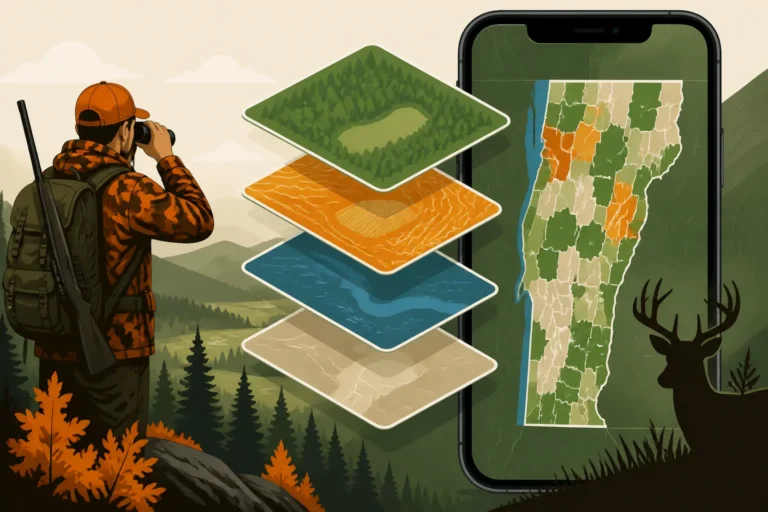
The beauty of these smaller, often less-known parcels is that they can sometimes offer a quieter, less-pressured environment for training, away from the crowds of larger state or federal lands. However, the responsibility falls squarely on you to confirm the rules. A quick phone call or a check on the town's website can save you a lot of hassle and potential fines. You might find a hidden gem for working on retrieves or basic obedience, but it requires that upfront research. When looking for these spots, mapping tools like onX Hunt can be incredibly helpful for identifying property boundaries and potential access points, though you'll still need to verify local rules.
General Rules and Best Practices for Training Your Hunting Dog
Beyond the specific land designations, there are overarching rules and common-sense practices that apply to nearly all public lands in Vermont. Adhering to these not only keeps you and your dog safe and legal but also fosters a positive image of hunting dog owners in the wider outdoor community. Remember, we're all ambassadors for our sport.
Leash Laws and Off-Leash Considerations
While Vermont generally has fairly liberal leash laws compared to some states, "under control" is the operative phrase on public lands. Many municipalities and specific public areas, particularly developed ones like state parks or popular trail systems, will have explicit leash requirements. Even in areas where off-leash is technically permitted, your dog must be under immediate voice control. This means they will reliably come when called, stay by your side, and not harass wildlife or other people. A dog that continually bolts after squirrels or runs up to strangers is not "under control." For many dog owners, using a long check cord or lead, especially when working on new commands or in an unfamiliar environment, is a smart way to ensure control without fully restricting movement.
When you're out there, remember that the mere presence of an off-leash dog can make some people uncomfortable. Children, other dogs (especially those on leash or with anxiety), and even some adults simply prefer not to interact with unfamiliar animals. By being proactive and leashing your dog when you see others approaching, you show respect and prevent potential negative encounters. This simple act goes a long way in building goodwill. Think of it as a courtesy, not a burden, and it contributes positively to the public perception of hunters and their dogs.
Respecting Wildlife and Other Users
This goes hand-in-hand with leash laws. The primary goal of public lands in Vermont often includes wildlife habitat protection. Your dog, even the most well-behaved, has a natural instinct to chase. Allowing a dog to chase deer, harass ground-nesting birds, or disturb sensitive wildlife is unacceptable and can lead to serious legal consequences, not to mention harm to the wildlife itself. This is particularly critical during nesting seasons for birds (spring/early summer) and fawning season for deer (late spring/early summer), when young animals are at their most vulnerable. Be vigilant, especially in areas known for deer wintering yards or prime bird nesting cover.
Beyond wildlife, you're sharing the woods with a diverse group of people: hikers, birdwatchers, photographers, mountain bikers, and other hunters. Noise is another factor. While a training whistle is fine, constant barking can be disruptive. Pick your training locations and times wisely. Early mornings or weekdays often see fewer people. If you're running retrieves with a blank pistol, make sure you're well away from any established trails or residences. Using a tool like onX Layers for Vermont Land Status can help you identify remote areas and property lines, reducing the chances of disturbing others. Being a thoughtful user of public land ensures everyone can enjoy Vermont's beautiful outdoors.
Safety Considerations and Equipment
Dog training, especially for hunting, often involves specific gear and can carry inherent risks. Always prioritize safety for both yourself and your dog. Start with the basics: make sure your dog is up-to-date on vaccinations and flea/tick prevention. A sturdy collar with identification tags, including your phone number, is non-negotiable. Consider a GPS collar for dogs that range far, particularly in dense cover or unfamiliar terrain – it's an absolute game-changer for peace of mind. Brands like GoHunt often review various GPS tracking systems, which can be invaluable when working in remote areas.
During hunting seasons, even if you're just training and not actively hunting, dressing yourself and your dog in blaze orange is a critical safety measure. Vermont has specific requirements for hunters, but applying these principles to training is just plain smart. Think about How Much Blaze Orange Vermont Requires and apply that to your training gear. If you're working near water, a dog life vest is a must. Bring plenty of water for both of you, especially on warmer days, and always carry a basic first-aid kit for dogs, including items for cuts, thorns, or paw injuries. Finally, inform someone of your training location and expected return time, especially if venturing into more remote areas.
Specific Training Scenarios and Seasons
Training a hunting dog isn't a year-round, one-size-fits-all endeavor. Different game species and different seasons call for varied approaches and an acute awareness of regulations and environmental factors. Knowing when and how to train for specific scenarios is key to success and compliance.
Bird Dog Training (Upland & Waterfowl)
For upland bird dogs (think grouse, woodcock, pheasant), spring and late summer are often ideal times to work on basic obedience, quartering patterns, and scent work, before the actual hunting seasons open. This avoids interference with active hunters and minimizes disturbance to nesting birds. Using training dummies or remote-controlled launchers with scent can simulate real hunting scenarios without the need for live birds initially. When live birds are introduced (often pigeons or pen-raised pheasants), ensure you're in a designated area or have permission on private land, as releasing game birds on public land without specific permits is generally not allowed. Pay close attention to rules about using blank pistols or starter pistols; while generally permitted in most remote public areas, noise ordinances near residential zones apply.
Waterfowl dog training presents its own set of considerations. Retrieving dummies from ponds and lakes is fantastic conditioning and practice. However, access to water bodies on public land might be restricted in certain areas or during specific times to protect breeding waterfowl or sensitive aquatic ecosystems. Always be aware of fishing seasons and other water recreationists. For instance, training on Lake Champlain might be different than a small WMA pond. You can find more information about waterfowl hunting itself, which informs training, in Vermont Waterfowl Zones and Seasons. During the actual waterfowl season, training should focus on refining skills during live hunts, rather than dedicated training sessions that could disrupt other hunters or stress birds beyond what's acceptable.
Scent Dog Training (Tracking, Recovery)
Training dogs for scent work, such as tracking wounded game or shed hunting, has different requirements. These dogs often need to focus intently on a specific scent trail, which means minimizing distractions from other people or dogs. Remote, less-trafficked public lands, especially those with varied terrain and cover, are excellent for laying practice trails. The Green Mountain National Forest or larger State Forests often provide the solitude needed for this kind of focused work.
When practicing blood trailing, remember that even simulated blood trails should be laid responsibly, away from areas where they might be misinterpreted or cause concern for other users. During deer season, this skill becomes critical for ethical recovery. Understanding how to Blood Trailing After Dark in Vermont is a valuable skill to practice beforehand. For shed hunting, training after the antlers have dropped in late winter and early spring is perfect. Again, confirm any specific rules regarding off-leash activity in your chosen training area, as a dog tracking a scent will often need to be off-leash to perform effectively. Being courteous and explaining your activity if you encounter others can prevent misunderstandings.
Avoiding Conflict During Hunting Seasons
This is perhaps the most critical aspect of dog training on public land: knowing when to not train, or at least how to modify your training. As a hunting dog owner, you're also often a hunter yourself, so you understand the importance of respecting other hunters' experiences. Trying to run a bird dog in an area crawling with rifle hunters during Vermont's November Rifle Season is asking for trouble. Similarly, running a scent trail for practice during peak bow season might disrupt a still-hunter.
The best approach is to transition from formal training sessions to applying those learned skills during actual hunts, or to choose the off-season for focused training. If you must train during a hunting season, select areas known for low hunting pressure, or times of day when hunters are less active. Always wear your blaze orange and ensure your dog is visible as well. Understand that some public lands, particularly WMAs, might have restrictions on dog access during specific hunting seasons to prevent interference. Checking the Vermont Fish & Wildlife Department's website for specific regulations on the WMA you intend to visit is non-negotiable. Knowing the rules, respecting other users, and prioritizing safety are the hallmarks of a responsible hunting dog owner in Vermont.
| Public Land Type | General Dog Training Suitability | Key Considerations |
|---|---|---|
| Green Mountain National Forest | High | Large, remote areas suitable for ranging dogs. Emphasize voice control. Be mindful of hikers/campers, avoid popular spots. |
| State Forests | High | Good for diverse training. Check for specific seasonal restrictions or designated areas. Blaze orange during hunting seasons. |
| Wildlife Management Areas | Moderate to High | Excellent habitat, but often have specific rules, especially during hunting seasons. Check WMA-specific regulations. |
| Town Forests | Varies by Town | Check local town ordinances carefully. Can be good for basic obedience if quiet. |
| Conservation Easements | Varies by Easement | Privately owned, public access for specific uses. Verify permissible activities with land trust/landowner. Often leash-only. |
| State Parks | Low (generally) | Often have strict leash laws and may prohibit dog training activities like blank pistols. More for recreational walking. |
Disclaimer
This article is for general informational purposes only and does not constitute professional advice. Laws, prices and regulations vary by location and change over time. Consult a qualified professional for guidance on your specific situation.