Hunting a State-Owned Wetland
Hunting Vermont's state-owned wetlands can feel like stepping into another world – a beautiful, often bewildering labyrinth of water, mud, and dense vegetation. While these areas might intimidate some hunters, they hold an incredible richness of wildlife and unique opportunities for those willing to learn their secrets. This guide aims to demystify hunting in these special environments, helping you navigate the challenges and discover the abundant game that calls Vermont's wetlands home.
Understanding Vermont's State-Owned Wetlands for Hunting
Vermont is dotted with a variety of wetlands, each presenting its own unique character and holding different species of game. From vast marshes to smaller beaver flows, these state-owned parcels are critical ecological hotspots, offering prime habitat that can be incredibly productive for hunters. Understanding the types of wetlands and why they attract game is your first step toward success.
Different Wetland Types and Their Inhabitants
When we talk about wetlands in Vermont, we're not just talking about one kind of landscape. There's a whole spectrum, and each variation tends to favor specific game species.
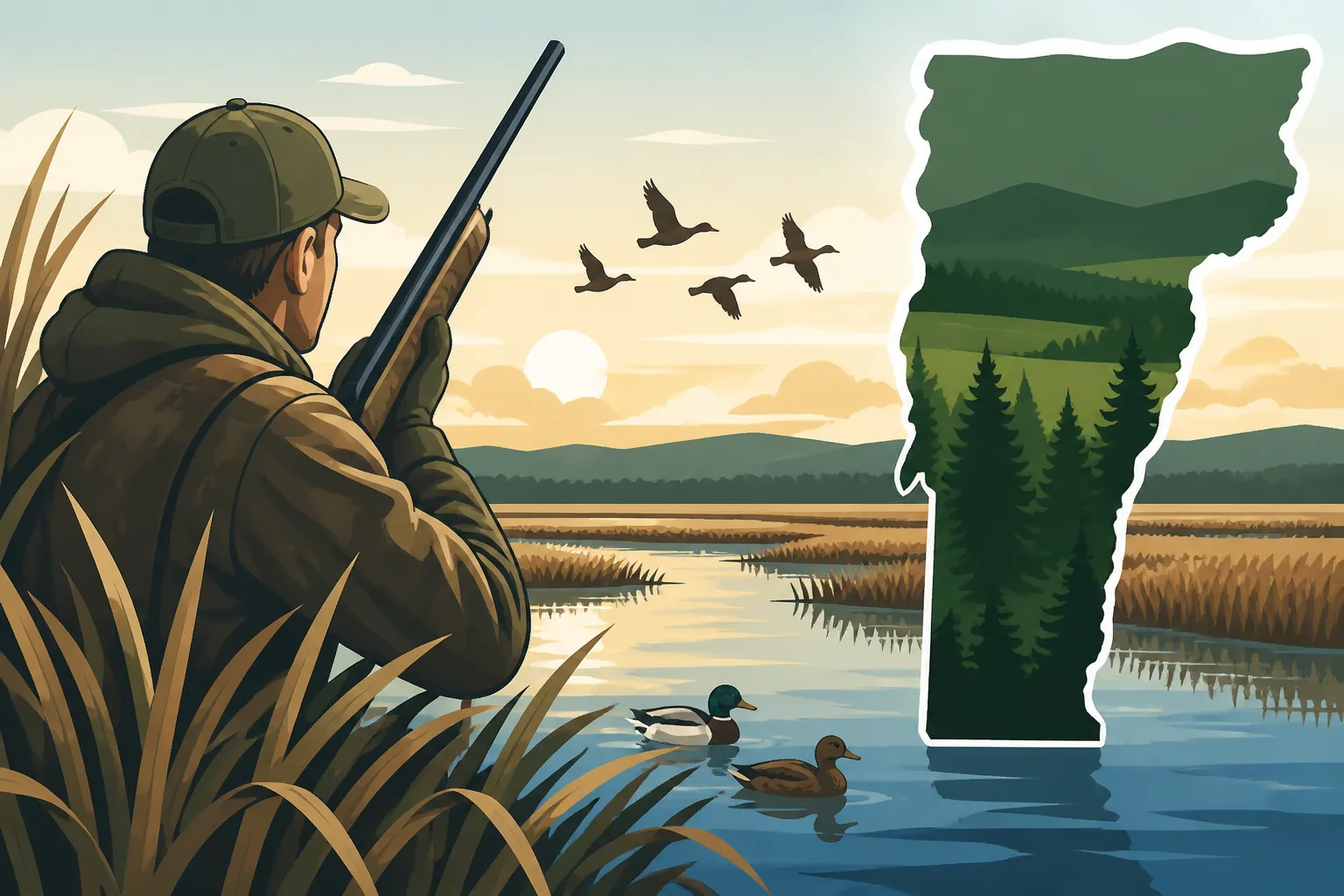
Marshes are often characterized by standing water, usually less than six feet deep, and are dominated by emergent soft-stemmed vegetation like cattails, bulrushes, and sedges. These are quintessential waterfowl magnets. Think ducks like mallards, black ducks, wood ducks, and geese. The dense cover provides excellent nesting and loafing areas, while the abundant seeds and aquatic invertebrates offer a rich food source. Deer will often skirt the edges, using the thick cover for bedding, and if there are islands of higher ground within the marsh, you might find significant buck sign. These areas are prime for waterfowlers but don't overlook them for a late-season deer push along the fringes. Decoying Ducks on Lake Champlain is a good read, and many of the principles apply to smaller marshes.
Swamps are typically forested wetlands, dominated by woody plants such as red maples, black ash, and cedar, with standing water or saturated soils for much of the growing season. While less open than marshes, swamps offer incredible cover and food for whitetail deer and black bear. You'll find deer bedding down in the dense cedar thickets, using the saturated ground to hold scent and providing protection from predators. Bears often forage for berries and insects in swampy areas, and their tracks can be common. These areas can be incredibly difficult to navigate, with tangled undergrowth and hidden water hazards, but they often hold unpressured game. Don't be surprised to jump a ruffed grouse or a snowshoe hare in the higher, drier pockets within a swamp system.
Bogs are peat-accumulating wetlands, often characterized by acidic water, a thick mat of sphagnum moss, and specialized vegetation like Labrador tea and cranberry. These are generally nutrient-poor environments and less productive for the typical game hunter. However, the edges of bogs, where they transition into forested uplands, can be excellent travel corridors for deer and bear. Snowshoe hare often thrive in the dense, stunted conifer growth that can surround bogs, and grouse might be found at the interface. Boots for Northeast Kingdom Bog Hunting is a resource you'll want to check out for these types of areas.
Beaver Flowages are perhaps some of the most dynamic and often overlooked wetland habitats. When beavers dam a stream, they create impoundments that flood low-lying timber, creating a mosaic of dead standing trees, open water, and emergent vegetation. These areas are prime for wood ducks and other puddle ducks, as the flooded timber provides cover and the rotting wood attracts insects. The edges of beaver flowages, where new growth pushes up, are fantastic for deer and bear, offering browse and security. The network of beaver dams and channels also creates natural funnels and pinch points for game movement, making them excellent spots for ambush hunting. Look for old timber stands that have been flooded, as the high stumps and drowned logs offer perfect perching spots for waterfowl.
Why Wetlands Are Ecological Hotspots for Game
It might seem counterintuitive to some, but wetlands are truly nature's supermarkets and five-star hotels for a wide array of wildlife. For hunters, understanding this ecological significance unlocks why these areas are worth the effort.
First and foremost, wetlands provide an unparalleled abundance of food. From the seeds of aquatic plants and sedges that ducks gorge on, to the tender shoots and browse along the edges that deer crave, to the berries and grubs that attract bears, wetlands are a smorgasbord. The rich, moist soils support a diverse plant community, and the water itself teems with invertebrates, amphibians, and small fish, all of which form crucial links in the food chain for various game species. A healthy wetland is an engine of biomass, sustaining populations that extend beyond its immediate boundaries. For example, a productive marsh can be a crucial staging area for migrating waterfowl moving down the Vermont Waterfowl on the Atlantic Flyway.
Secondly, wetlands offer invaluable cover and refuge. The dense, often impenetrable vegetation of cattail stands, tangled swamp thickets, or flooded timber provides game with sanctuary from predators and human pressure. Deer, especially mature bucks, are notorious for seeking out the deepest, wettest parts of a swamp or marsh to bed down, knowing that few hunters are willing to follow. This creates natural refuges where game can feel secure, allowing them to grow older and larger. During hunting season, when upland areas might see heavy pressure, these wetland sanctuaries often remain undisturbed, making them prime targets for the savvy hunter.
Finally, water itself is a fundamental necessity for all wildlife. Wetlands provide consistent access to fresh water, which is vital for hydration, especially during warmer hunting seasons. For waterfowl, the water is their very environment, offering safe roosting, feeding, and resting areas. Even for upland game, the proximity to water can be a critical factor in their daily movements and home range. The unique hydrological conditions of wetlands create microclimates that can be slightly warmer in winter and cooler in summer, further enhancing their value as year-round habitat.
Legal and Ethical Considerations for Wetland Hunting
Hunting in Vermont's state-owned wetlands comes with its own set of rules and ethical guidelines. It's not just about knowing where the game is; it's about knowing how to pursue it legally and respectfully, ensuring these precious habitats remain vibrant for generations to come. Ignoring these details can quickly turn a productive hunt into a frustrating, or even illegal, situation.
Specific Regulations for Waterfowl and Other Wetland Game
Hunting in wetlands often means targeting waterfowl, which are migratory birds subject to both state and federal regulations. This means a few extra steps and considerations beyond your standard big game license. You'll need a base hunting license, of course, but for waterfowl, you'll also need a Vermont migratory bird hunting license and a federal duck stamp. These funds go directly back into conservation efforts for waterfowl and wetland habitats, which is pretty cool when you think about it.
Beyond the permits, bag limits and season dates for ducks and geese can vary significantly based on different zones within Vermont. For instance, the regulations for the Lake Champlain Zone might differ from those for the Interior Zone or the Connecticut River Zone. It's absolutely crucial to consult the most current Vermont Fish & Wildlife Department migratory bird regulations booklet before heading out. Don't rely on last year's knowledge! These booklets detail species-specific bag limits, shooting hours, and any special restrictions. Knowing your ducks and geese by sight is paramount to avoid exceeding limits on specific species. You'll also need to ensure your shotgun is plugged to hold no more than three shells. For a deeper dive into the zones, check out Vermont Waterfowl Zones and Seasons.
While waterfowl are the poster children for wetland hunting, other game may also be present. If you're hunting deer in a swamp, ensure you're aware of the specific deer season dates, bag limits, and legal methods of take for that particular WMU. Small game, like snowshoe hare or ruffed grouse, also have their own seasons and bag limits. Always assume that the most restrictive rules apply when hunting multi-species in a mixed habitat. Ethical hunting also means making clean kills and swift recoveries, which can be even more challenging in wetland environments.
Public Access and Posted Land within Wetlands
One of the biggest frustrations for any hunter, especially those new to an area, is figuring out where you can actually hunt. Just because an area looks like a wetland and seems remote doesn't automatically mean it's open to public hunting. Vermont has a mix of state-owned lands, including Wildlife Management Areas (WMAs) and State Forests, which are generally open to hunting, but even within these, there can be specific restrictions or private inholdings.
This is where a good mapping tool becomes an absolute lifesaver. Brands like onX Hunt provide detailed property line information, overlaying public and private land boundaries right onto satellite imagery or topographic maps. Before you even leave your couch, you can pinpoint state-owned wetland parcels, identify potential access points, and scout for areas far from private residences or posted land. It takes the guesswork out of where you legally can and cannot be. A quick check of your map can confirm if that sprawling marsh is indeed part of a WMA or if it's a private parcel that would require permission.
Even on state-owned lands, be mindful of any signs indicating special use areas, safety zones, or restricted access. Some wetlands might be designated as wildlife refuges with specific hunting dates or methods. Always respect posted land, even if it's adjacent to public ground. Vermont law is clear on trespass, and accidental trespass is still trespass. If you retrieve game from private land, you are required to seek permission, which is good practice anyway. Understanding Vermont Trespass and Permission Law is critical for any hunter. The bottom line here is to plan your approach, verify your boundaries, and always err on the side of caution when it comes to property lines.
Scouting and Accessing Vermont Wetlands
Scouting is fundamental to any successful hunt, but in wetlands, it takes on an almost mythical importance. These are not always easy places to just "walk in and figure out." The terrain, the water, and the sheer density of cover demand a more strategic approach, often starting long before you ever step foot on the soggy ground.
Pre-Season Scouting Strategies for Wetlands
Effective wetland scouting truly begins at home, with maps and satellite imagery. Tools like onX Hunt are invaluable here. You can spend hours poring over aerial views, identifying potential beaver flowages, large marsh complexes, or swampy areas within public lands. Look for key features: changes in vegetation density, open water pockets, natural pinch points where dry land meets wet, and old logging roads or trails that might lead to the edge of the wetland. High-resolution satellite imagery can often reveal subtle details, like game trails along a slightly elevated ridge within a swamp or areas of thicker cover that would offer bedding.
Beyond identifying potential hotspots, this virtual scouting helps you plan your access routes. Are there existing paths, old farm lanes, or dry ridges that lead into or around the wetland? Are there specific points where you can launch a canoe or kayak if water access is necessary? Note these down. Consider how far you're willing to hike or paddle, and what the terrain might demand. For waterfowlers, identifying potential blind locations or optimal decoy spreads in open water areas is crucial. For deer hunters, look for those transitions from wet to dry, or islands of high ground where bucks might seek refuge.
Once you have a few promising spots identified on your map, it's time for boots-on-the-ground investigation – but with caution. During the off-season, when leaves are down, it's easier to see the lay of the land. Walk the edges, look for tracks, scat, rub lines, and old beds. Note water levels; what looks like a shallow marsh on a summer satellite image might be chest-deep in the fall after heavy rains. Pay attention to wind and thermal patterns, especially if you're hunting bigger game. A strong cold front can dramatically shift game patterns, especially for waterfowl. This pre-season groundwork is your secret weapon, turning an intimidating wetland into a familiar hunting ground. You can learn a lot from Scouting Vermont Public Land Before Season.
Navigating Wet and Challenging Terrain
Stepping into a Vermont wetland means preparing for a challenge, both in terms of physical effort and ensuring your gear can handle the conditions. The ground can be soft, muddy, and unpredictable. What looks like solid footing might give way to knee-deep muck or unexpected channels of water. This is where proper footwear isn't just a comfort issue; it's a safety and success issue.
For most wetland hunting, chest waders are your best friend. They allow you to traverse shallow water, cross small streams, and push through boggy areas without getting soaked and cold. Ensure they are good quality, durable, and comfortable enough for walking. Neoprene waders offer insulation for colder days, while breathable options are better for warmer early-season hunts. For the edges of wetlands or slightly drier swamp areas, waterproof rubber boots with good traction are essential. Choose boots that come up high enough to deal with unexpected puddles or mud. You'll thank yourself for having chosen the right pair when you're not shivering wet or struggling to pull your foot out of a suctioning bog. For more details on what to look for, consult Waders for Vermont Waterfowl Hunting.
Beyond footwear, consider your overall approach to navigation. Dense vegetation can disorient you quickly. Always carry a reliable GPS device or use a mapping app like onX Hunt on your phone (with downloaded offline maps, as cell service can be spotty in remote areas). Mark your entry point, specific stand locations, or blind sites. It's surprisingly easy to get turned around when everything looks the same, especially in low light or fog. A compass and a physical map are also wise backups.
Finally, think about how you'll move through the area. A canoe or kayak can be invaluable for accessing deeper marsh areas or quiet beaver flowages, allowing you to slip in silently and set up. If you're walking, go slowly and deliberately, testing the ground with a stick or your foot before committing your weight. Be mindful of submerged logs, stumps, and hidden holes. Navigating these areas effectively minimizes disturbance and keeps you safe.
Hunting Strategies for Wetland Game
Hunting wetlands isn't just about showing up; it's about understanding the subtle nuances of these environments and how game uses them. Whether you're chasing waterfowl or still-hunting for deer, a thoughtful strategy tailored to the wet landscape will dramatically increase your odds.
Decoying and Calling for Waterfowl
When it comes to waterfowl in Vermont's wetlands, decoying and calling are often the keys to success. Ducks and geese are highly social birds, and they are drawn to the sight and sound of others. The goal is to make your spread look as natural and inviting as possible.
For ducks, consider the type of wetland you're in. In a small beaver flowage or a tight marsh pocket, a small spread of 6-12 decoys might be all you need, often placed where ducks naturally want to land – in a protected cove or a small opening in the vegetation. For larger, more open marshes, you might need a bigger spread, perhaps incorporating different species to mimic a diverse flock. Reading a Marsh for a Morning Flight delves into understanding these movements. Pay attention to the wind direction; ducks almost always land into the wind. Set your decoys so that approaching birds have an inviting landing zone directly in front of your blind. Motion decoys, like a spinning-wing decoy or a jerk string, can add realism and attract attention from a distance, especially on calm days.
Calling is the art of communication. For ducks, a basic quack, hail call, and feeding chuckle are usually sufficient. Practice makes perfect, and less can often be more. Don't overcall; let the birds work your spread. For geese, short, sharp honks and clucks, especially when birds are approaching, can seal the deal. Remember that wetlands often offer dense natural cover, making blind building relatively easy. Utilize cattails, reeds, or flooded timber to break up your outline. A well-placed layout blind can also be highly effective, especially on exposed edges or small islands. The ultimate aim is to disappear into the landscape, make your spread look irresistible, and use your calls to guide the birds into range.
Still-Hunting and Ambush Tactics for Big Game
While waterfowl are often the primary draw, Vermont's wetlands are also fantastic for big game, particularly deer and bear. These animals use wetlands differently, but their reliance on these areas for cover and food creates unique hunting opportunities.
For deer, wetlands, especially swamps and the dense edges of marshes and beaver flowages, serve as incredible bedding and security cover. During peak hunting pressure, particularly in rifle season, mature bucks will often retreat into the deepest, wettest parts of a swamp, knowing they are less likely to be disturbed. Still-hunting in these areas requires immense patience, slow movement, and meticulous attention to wind. Look for slightly elevated islands, hummocks, or dry ridges within the wetland where deer might bed. Focus on the transition zones – where the swamp meets the upland hardwoods, or where a dense cattail marsh gives way to a cedar thicket. These edges are natural travel corridors.
Ambush tactics, such as setting up a treestand or ground blind, can be highly effective at these transition points or along well-used trails leading into and out of the wetland. Scout for scrape lines along a logging road or significant rub lines indicating buck activity. Deer will often stage along wetland edges before moving into open fields or feeding areas at dawn and dusk. Setting up on a field edge near a thick swamp is a classic strategy. Be prepared for difficult blood trailing in these environments, so shot placement is paramount. Hunting a Funnel Between Two Woodlots is another strategy that can apply to natural funnels within or alongside wetland complexes.
Black bears also use wetlands extensively, especially for foraging. They'll root for grubs, feast on berries, or find mast crops in transition zones. Bear sign, such as torn-up logs, scat, and tracks, can indicate their presence. Ambush hunting over known food sources or along major travel corridors is a common tactic. The dense cover of a swamp also offers excellent opportunities for still-hunting bears, moving slowly and quietly, trying to catch them unaware.
Small Game Opportunities
Don't overlook the smaller inhabitants of Vermont's wetlands; they offer fantastic hunting opportunities and a chance to hone your skills. The mosaic of habitat found in and around wetlands creates ideal conditions for several small game species.
Snowshoe hare thrive in the dense, brushy cover often found around the edges of swamps and beaver flowages, particularly where there's a mix of young conifers and thick undergrowth. These areas provide both food and protection from predators. Hunting snowshoe hare with beagles is a time-honored tradition in Vermont, and the dogs are excellent at flushing them from their hiding spots. Without dogs, slow still-hunting through dense thickets, looking for their distinctive tracks in snow or the telltale flash of white, can be productive. Hare often hold tight, allowing for close-range shots.
Ruffed grouse, while typically associated with older growth forests, will also frequent the edges of wetlands, particularly where aspen stands or other beneficial trees are present. They'll seek out the abundant insects and berries found in these rich edge habitats. Flush hunting with a good bird dog or slowly still-hunting through thickets, listening for their explosive flush, can provide exciting action. Woodcock, another migratory bird, are often found probing the soft, moist soils of alder thickets and swampy edges for worms. They are notoriously hard to spot, but a good pointing dog can make all the difference. Small Game and Predator Hunting in Vermont is a great resource if you're looking to broaden your scope beyond big game.
Hunting small game in wetlands is an excellent way to extend your season, introduce new hunters to the sport, and experience the diverse ecosystems that Vermont offers. It teaches patience, observation, and precision, skills that are transferable to all forms of hunting.
Essential Gear for a Successful Wetland Hunt
Hunting in wetlands is a gear-intensive endeavor, and having the right equipment can make the difference between a miserable, cold, and wet experience and a comfortable, successful one. The unique environment demands specific considerations for clothing, navigation, and specialty items.
Clothing and Footwear for Wet Conditions
Layering is always key in Vermont, but in wetlands, waterproof outer layers are absolutely non-negotiable. Forget "water-resistant"; you need truly waterproof. Your outer jacket and pants should repel water completely, keeping you dry even during prolonged exposure to rain, mist, or splashing water. Breathable waterproof fabrics are ideal to prevent you from getting sweaty and then cold. Think about packing an extra set of base layers or socks in a dry bag, just in case.
As discussed earlier, proper footwear is paramount. Chest waders are often the best choice for waterfowl hunters and anyone venturing into deeper wetlands. Look for waders that are insulated if you're hunting in colder weather. For shallower areas or wetland edges, knee-high rubber boots are essential. They should be comfortable for walking and have aggressive treads for grip in mud. Cold, wet feet are a quick path to calling it a day, so invest in good quality. For more on layering for various conditions, check out Layering for Vermont's Long Hunting Season.
Don't forget accessories. Waterproof gloves are crucial for setting decoys or handling game in wet conditions. A waterproof hat with a brim will keep rain out of your eyes and off your neck. Camouflage patterns that mimic marsh grass, cattails, or dark timber are effective, depending on your primary cover. The goal is to stay warm, dry, and blend seamlessly into your surroundings.
Navigation and Safety Tools
Getting lost in a dense, featureless wetland can happen quickly, especially if fog rolls in or light fades. Reliable navigation tools are not optional; they are essential safety equipment. A handheld GPS unit with pre-loaded maps or a smartphone with a robust mapping app like onX Hunt (again, with offline maps downloaded!) is critical. Before you head out, mark your vehicle's location, any trails you plan to use, and your intended hunting area. Being able to pinpoint your exact location and see property lines can prevent accidental trespass and ensure you can find your way back. Even a small compass and a physical map are good backups, especially if electronics fail.
Beyond navigation, a basic safety kit is vital. A good headlamp with extra batteries is a must for pre-dawn setups and post-dusk recoveries. A whistle can be used to signal for help. A first-aid kit, even a small one, should always be in your pack, equipped for cuts, scrapes, and insect bites. Speaking of insects, mosquitoes and ticks can be relentless in wetlands, especially during warmer months. Pack insect repellent with DEET or permethrin-treated clothing to protect yourself from bites and potential diseases.
For anyone venturing into truly remote or vast wetlands, consider a satellite messenger device. These allow you to send emergency messages even without cell service, providing an invaluable layer of safety. While GoHunt is a fantastic resource for researching hunting units and strategy, especially out west, it also offers insights into general trip planning and safety considerations that can be broadly applied to any hunting adventure, including those in Vermont's wetlands. Always let someone know where you're going and when you expect to return.
Specialty Gear for Wetland Hunting
Certain pieces of gear are specifically designed to make wetland hunting more effective and enjoyable. If you're targeting waterfowl, decoys and calls are obvious essentials. The type and number of decoys will depend on the species and the size of the water body. A sturdy decoy bag will make carrying and deploying them much easier. Various duck and goose calls are available; choose one that is easy to use and sounds realistic for the species you're targeting.
Blind materials are another key consideration. While natural cover can often be brushed into an effective blind, you might want to bring some camouflage netting or a portable blind for areas with sparse cover. Layout blinds are excellent for open field edges adjacent to wetlands or small islands. A good blind bag will keep your calls, shells, and snacks organized and dry. For game retrieval, especially in deeper water, a retriever dog is invaluable. If you don't have a dog, a long-handled retriever pole can help with ducks that fall out of reach.
For big game hunters in wetlands, sturdy game carts or even a small sled (in snowy conditions) can be helpful for getting a deer or bear out of difficult terrain. A sharp, reliable knife and game bags are essential for field dressing and protecting your meat. Consider a small saw for quartering larger animals if a full drag is impossible. The right specialty gear doesn't just improve your chances; it also ensures that you can handle the unique challenges of the wetland environment and make your hunt as ethical and efficient as possible.
Overcoming Common Wetland Hunting Challenges
Hunting in Vermont's wetlands offers incredible rewards, but it's not without its unique set of challenges. From battling persistent pests to recovering game from a muddy maze, being prepared for these hurdles will make your experience much smoother and more successful.
Dealing with Mosquitoes, Ticks, and Other Pests
Let's face it: wetlands are often breeding grounds for insects. Mosquitoes can be a relentless torment from spring right into early fall, turning what should be a peaceful hunt into a swatting frenzy. Ticks, particularly deer ticks, are a year-round concern in Vermont and are abundant in brushy, grassy wetland edges, carrying the risk of Lyme disease and other tick-borne illnesses.
The best defense starts with preparation. During mosquito season, wear long sleeves and pants, even if it's warm. Permethrin-treated clothing is highly effective at repelling and killing ticks and mosquitoes; apply it to your outer layers well in advance. On exposed skin, use an insect repellent containing DEET, picaridin, or oil of lemon eucalyptus. Reapply as directed. For ticks, conduct thorough tick checks after every hunt, paying close attention to hidden areas of the body. Showering soon after returning home can also help wash off unattached ticks.
Beyond insects, be aware of other potential nuisances. Gnats and black flies can be bothersome, especially in spring and early summer. Proper head nets can provide relief if they are particularly bad. The key is to be proactive. Don't let these small creatures ruin your hunt; come prepared to protect yourself.
Game Recovery in Difficult Terrain
One of the most significant challenges in wetland hunting is recovering your game, especially if it's a deer or bear. A downed animal in a dense swamp, deep marsh, or beaver flowage can be incredibly difficult to locate and extract. The thick cover, standing water, and soft, uneven ground can quickly turn a short blood trail into a monumental task.
First and foremost, shot placement is absolutely critical in these environments. Strive for a clean, ethical kill that minimizes the animal's travel distance. If you shoot an animal, mark the exact spot where it was standing and its direction of travel. This is crucial even if you saw it fall, as visual landmarks can disappear quickly in dense wetland cover. Wait for an appropriate amount of time before beginning your search – usually 30-60 minutes for a good hit, several hours for a questionable hit, if possible.
When tracking, go slowly and methodically. Look for any sign: blood, disturbed vegetation, broken branches. If the blood trail leads into water, it becomes much harder. Look for bubbles, matted vegetation, or even disturbed sediment on the bottom. If you have a tracking dog, this is their moment to shine. If not, carefully grid-search the area. Be prepared to get wet and muddy. A good headlamp is essential for tracking in low light or after dark, but be mindful of visibility in thick fog. Retrieving game from a steep ravine might be tough, but trying to Blood Trailing After Dark in Vermont in a swamp adds another layer of complexity. Having multiple people for recovery can make a huge difference in these conditions, allowing for a more thorough search and the physical effort of extraction.
Environmental Factors: Wind, Rain, Ice
Vermont's weather is notoriously unpredictable, and in a wetland, environmental factors like wind, rain, and ice can dramatically impact your hunt and safety.
Wind can be your friend or foe. For waterfowl, wind is essential for decoying, as it creates motion in your spread and allows birds to land naturally into it. However, strong winds can make calling difficult and create choppy water that makes setting decoys a chore. For big game, wind direction is paramount for scent control. In wetlands, thermals can be tricky, especially near water bodies that hold heat or cold differently than dry land. Always play the wind to your advantage.
Rain is almost a given at some point during a Vermont hunting season. As mentioned, waterproof gear is non-negotiable. Heavy rain can also increase water levels in wetlands, making access and game recovery harder. Visibility can be reduced, and the sounds of falling rain can mask animal movement. However, rain can also suppress human scent, making it an excellent time for still-hunting.
Ice becomes a factor in late-season hunts. Thin ice on a marsh or beaver flowage is incredibly dangerous. Never trust ice that looks questionable. If you're waterfowling in freezing conditions, be prepared to break ice to create open water for your decoys. Thick ice can sometimes offer easier access to areas that were previously impassable due to deep water, but always exercise extreme caution and check ice thickness regularly.
Being prepared for these environmental factors means having the right gear, understanding how they influence game behavior, and knowing when to call it a hunt for safety. A flexible mindset and a healthy respect for nature's power will serve you well in Vermont's diverse and challenging wetland environments.
Disclaimer
This article is for general informational purposes only and does not constitute professional advice. Laws, prices and regulations vary by location and change over time. Consult a qualified professional for guidance on your specific situation.