Franklin County Public Land for Deer
Finding quality public land to hunt deer in Vermont can sometimes feel like trying to decipher an ancient map – especially in a county like Franklin, where the landscape is a patchwork of dairy farms, river bottoms, and rolling forested hills. It's easy to get discouraged by "No Trespassing" signs, but don't give up hope. This guide is dedicated to helping you unlock the deer hunting potential of Franklin County's public access lands, offering practical advice and insights to make your next season a success.
Understanding Franklin County's Unique Deer Habitat
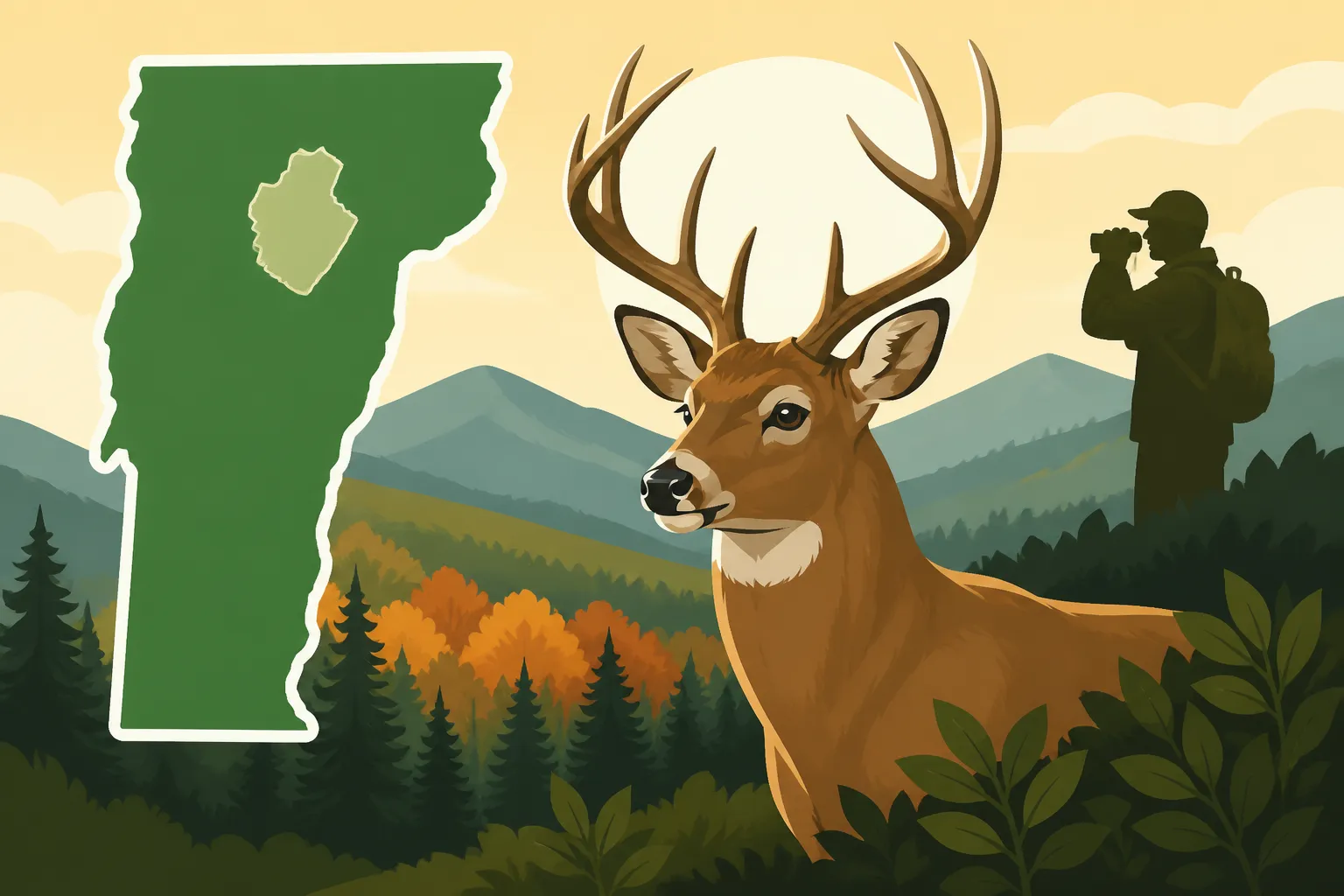
Franklin County, nestled in Vermont's northwest corner, presents a distinct blend of agricultural land, river systems, and varied timber that influences deer behavior significantly. Unlike the vast, uninterrupted tracts of the Northeast Kingdom or the steep, rugged Green Mountains further south, Franklin County is characterized by a mix of open farmland, extensive river valleys like the Missisquoi, and smaller, often isolated woodlots and forest blocks. This creates unique challenges and opportunities for the deer hunter.
The Influence of Agriculture and Waterways
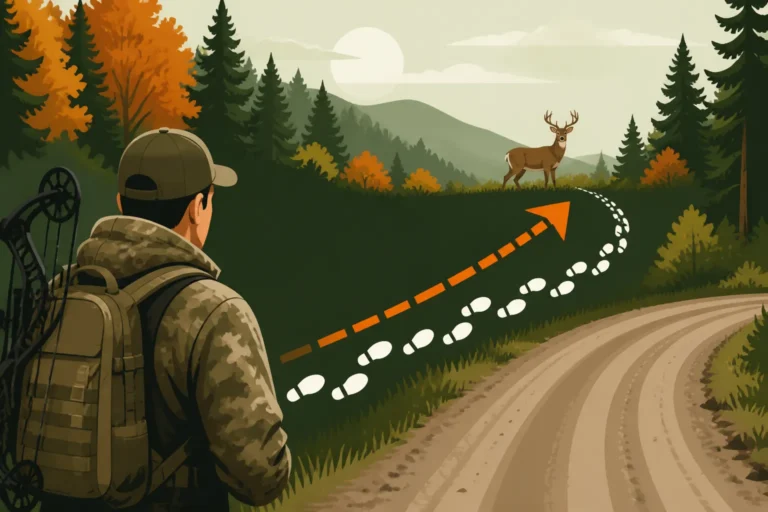
The prevalence of dairy farms and other agricultural operations means deer in Franklin County often have access to abundant food sources like cornfields, hayfields, and pastures, especially during late summer and into the fall. These areas act as magnets for deer, drawing them out of dense cover for feeding. However, these same open fields can make deer hunting tricky, as deer become accustomed to moving under the cover of darkness or during low-light conditions to avoid detection. Understanding these patterns is key. River systems, particularly the Missisquoi and its tributaries, also create crucial habitat. These riparian corridors often feature dense cover, mature timber, and natural travel routes that deer utilize for bedding, movement, and escape. Learning to identify these natural funnels and pinch points along water bodies can be incredibly productive. Hunting a Funnel Between Two Woodlots is a great skill to develop here.
Forested Pockets and Rolling Terrain
While Franklin County isn't known for vast, unbroken wilderness, it does have significant forested areas, especially in its eastern and northern reaches. These range from softwood thickets to mature hardwood ridges. Deer will often bed in the denser softwood cover for security and thermal regulation, especially as temperatures drop, and then venture into adjacent hardwoods or agricultural fields to feed. The terrain, while generally less extreme than the spine of the Green Mountains, still offers subtle elevation changes, small drainages, and hidden benches that deer frequently use. Being able to read these nuances on a topographical map, perhaps even with an app like onX Hunt, will give you a major advantage. You'll find deer often use these small elevation changes to their advantage, slipping between cover with surprising stealth.
Key Public Land Opportunities for Deer Hunters
Even with its varied landscape, Franklin County offers several categories of public land where deer hunters can pursue their passion. It's not always about finding a massive, untouched wilderness; sometimes the best opportunities are in smaller, well-managed parcels or those that offer unique habitat features.
Vermont State Forests and Wildlife Management Areas
Within Franklin County, or easily accessible just beyond its borders, are various state-managed lands that provide public hunting access. These can include sections of larger state forests or designated Wildlife Management Areas (WMAs). State Forests often offer extensive timberland, and while they might not always hold the highest deer densities, they provide solitude and opportunities for still-hunting or setting up ambushes along logging roads, creek bottoms, or natural benches. Still-Hunting Green Mountain National Forest Timber techniques can easily be adapted to these areas. WMAs, on the other hand, are often managed specifically for wildlife habitat, meaning you might find more intentional clear-cuts, food plots, or wetland areas that concentrate deer. Always check the specific rules for each WMA, as some might have unique regulations.
Town Forests and Conservation Lands
Beyond the state-managed areas, many Vermont towns maintain "Town Forests" which are often open to public recreation, including hunting. These parcels can vary greatly in size and character, from small woodlots to larger tracts. They are often overlooked by hunters, which can mean less pressure for those willing to do their homework. Similarly, some conservation organizations hold lands under conservation easements that may allow public hunting. These require careful research, often by checking town clerks' offices or land trust websites. These smaller, sometimes disconnected parcels, when strung together with a good mapping application like onX Hunt, can reveal significant hunting potential, particularly if they border private agricultural fields or dense bedding areas.
Understanding Access and Boundaries
The trick with these public lands, particularly the smaller or more fragmented ones, is often in knowing exactly where they are and how to legally access them. It's not uncommon for public parcels to be landlocked by private property or only accessible via a right-of-way. Investing in good mapping tools is crucial. I personally rely on apps that show property boundaries and land ownership. This prevents accidental trespass and helps identify transition zones where deer often stage before entering private agricultural fields. Here’s a quick overview of public land types and their general characteristics:
| Public Land Type | Typical Size (Franklin County) | Primary Habitat Features | Deer Potential | Hunter Pressure |
|---|---|---|---|---|
| State Forests | Medium to Large | Mixed hardwoods, softwoods, logging roads, drainages | Moderate | Low to Moderate |
| Wildlife Management Areas | Small to Medium | Managed habitat, wetlands, fields, dense cover | Moderate to High | Moderate |
| Town Forests | Small | Woodlots, older timber, often near residences | Low to Moderate | Low |
| Conservation Easements | Variable | Habitat varies based on agreement, often rural | Moderate | Low |
Strategies for Success on Franklin County Public Ground
Hunting Franklin County public land effectively requires a thoughtful approach. You're not always dealing with vast, unbroken wilderness, but rather a mosaic of habitats where deer are constantly adapting to human presence and changing food sources.
Scouting Smart and Reading the Landscape
Scouting is paramount, and it's something you can do year-round. Start by poring over aerial maps, looking for natural funnels, pinch points, and areas of dense cover adjacent to likely food sources. Identify potential bedding areas – often thickets of young growth, dense softwoods, or hidden benches – and map out entry and exit routes that keep the wind in your favor. Reading Aerial Photos for Green Mountain Deer is an excellent resource for this. In Franklin County, pay close attention to the edges: where timber meets agricultural fields, where brushy fencerows connect woodlots, or where dense river bottom cover transitions to more open areas. These transition zones are deer highways. Look for tracks, droppings, rubs, and scrapes, especially as the season approaches. Don't be afraid to walk deep into areas that look uninviting on a map; often, these overlooked spots hold unpressured deer.
Adapting to Deer Movement Patterns
Given the mix of agriculture and smaller woodlots, deer in Franklin County tend to be very pattern-oriented, but those patterns can shift rapidly based on hunting pressure, crop harvest, and weather. Early in the season, deer might be focused on alfalfa fields or standing corn. As crops come down, they'll shift to acorns, beech nuts, or remaining browse in the woods. During the rut, bucks will be covering ground, checking scrape lines, and cruising for does. Hunting the Rut in Early-to-Mid November is a prime example of when bucks might be more active during daylight hours. Utilizing trail cameras, even on public land where allowed (always check specific WMA rules!), can give you invaluable insight into deer movement times and patterns. Remember, consistent pressure can quickly turn daytime activity into nocturnal movement, so sometimes it's better to ease off an area if you detect too much activity, either from deer or other hunters.
Leveraging Technology: Mapping and Information
Modern hunting can be significantly enhanced by technology, and in a fragmented landscape like Franklin County's, mapping apps are your best friend. A robust app like onX Hunt can show you property lines, identify public land boundaries, and help you navigate unfamiliar terrain. You can mark waypoints for deer sign, stand locations, and entry routes. This is particularly valuable when you're exploring town forests or conservation easements where boundaries might not be clearly marked on the ground. Beyond mapping, services like GoHunt might offer additional insights into statewide harvest trends or WMA-specific information that can indirectly inform your Franklin County hunt. Don't just rely on the app on the spot though; spend time studying maps before you go, planning your strategy and identifying backup spots.
Navigating Regulations and Maximizing Your Hunt
Hunting in Vermont, especially on public land, always comes with a set of rules and regulations designed to ensure safety, conservation, and fair chase. Understanding these is crucial for a successful and legal hunt.
Essential Vermont Hunting Regulations
First and foremost, always carry your valid Vermont hunting license and any required permits. Vermont Hunting Licenses and What They Cost is a great resource if you're new to the state or need a refresher. For deer, you'll need to know the specific season dates for archery, rifle, and muzzleloader, and understand antler point restrictions (if any) or antlerless permit requirements. Remember, blaze orange is generally required during rifle and muzzleloader seasons, even if you're archery hunting during the Hunting Vermont's New Archery-Rifle Overlap. It's a critical safety measure, especially in areas with mixed-use public land. After a successful harvest, you must report your deer within 48 hours. Reporting a Deer Through Vermont's App makes this process quite straightforward.
Respecting Boundaries and Ethical Hunting
In a county like Franklin, where public land often borders private holdings, respecting property lines is non-negotiable. Use your mapping app to stay on public ground. If a deer runs onto private land, you must obtain permission from the landowner before pursuing it. Retrieving Game From Private Land in Vermont explains the importance of this. Beyond legalities, ethical hunting practices are key. This includes knowing your target, taking clean shots, and making every effort to recover wounded game. Field dressing your deer quickly and properly, especially in warmer early-season conditions, helps preserve the meat. Field Dressing a Deer in Cold Weather is a good read, but the principles apply year-round. Packing out all your trash, including spent shell casings, is also part of being a responsible steward of public land.
Planning for the Unpredictable
No matter how well you plan, hunting in Vermont's diverse environment can throw curveballs. The weather can change rapidly, from a warm, sunny autumn day to a cold, wet, or even snowy one. Be prepared with appropriate layering and rain gear. Layering for Vermont's Long Hunting Season is a practical guide. Carrying a first-aid kit, a headlamp, and knowing how to navigate with a map and compass (even with a GPS) are essential safety precautions, particularly if you venture into less-traveled areas. Access can also be an issue; sometimes a logging road might be gated or an old trail overgrown. Always have a backup plan for your hunting spot and be flexible. The deer are constantly adapting, and so should you.
Ultimately, hunting public land for deer in Franklin County is a rewarding challenge. It requires diligence, respect for the land and its rules, and a willingness to adapt. But with careful planning, smart scouting, and a solid understanding of the local landscape and regulations, you can certainly find success and make lasting memories in this beautiful corner of Vermont.
Disclaimer
This article is for general informational purposes only and does not constitute professional advice. Laws, prices and regulations vary by location and change over time. Consult a qualified professional for guidance on your specific situation.