Vermont Deer Camps and Hunting Clubs
Hunting in Vermont, especially for deer, is often about more than just the pursuit of game; it's about tradition, camaraderie, and a deep connection to the land. For many, that connection is forged and maintained through deer camps and hunting clubs. If you've ever felt the allure of a rustic cabin in the woods or the appeal of shared land with like-minded hunters, but weren't sure how these unique communities function, this guide is for you. We'll dive deep into what makes Vermont's deer camps and hunting clubs such a cherished part of the hunting landscape, exploring their evolution, the benefits they offer, and how you can become a part of this rich heritage.
Understanding the Vermont Deer Camp Tradition
The term "deer camp" conjures up a specific image for many, and in Vermont, it's a powerful one. It's not just a place you hunt from; it's a nexus of shared experience, storytelling, and an unbreakable bond with friends and family. It’s where memories are made that last long after the venison is gone from the freezer.
The Rustic Charm: Simple Living, Deep Connections
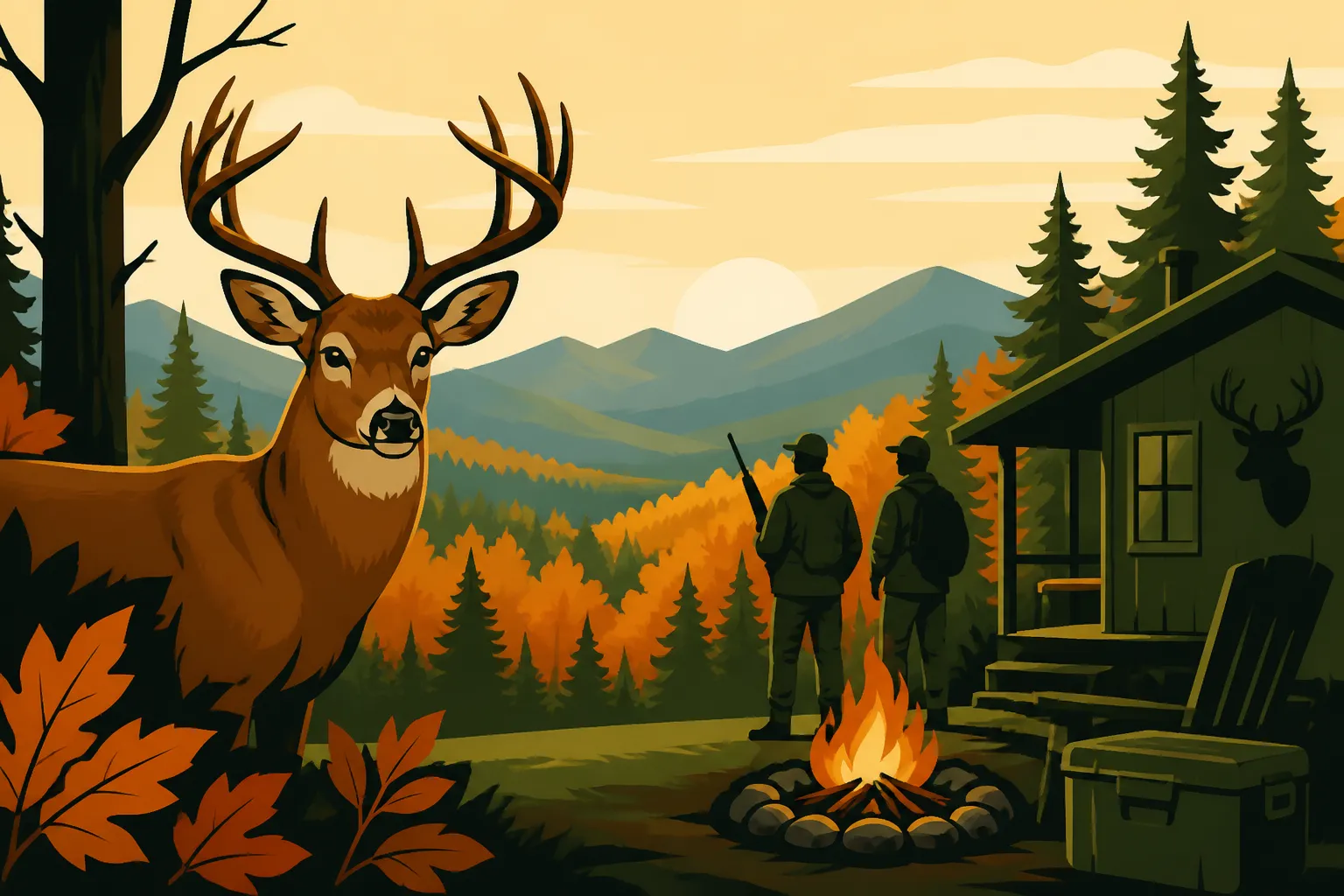
At its heart, a traditional Vermont deer camp is often a simple affair: a cabin, a small shack, or even a canvas tent tucked deep into the woods. The beauty lies in its unpretentious nature. You might find a wood stove crackling, a mismatched collection of chairs around a rickety table, and bunks lined with sleeping bags. Amenities are usually minimal, and that's precisely the point. The lack of modern distractions forces a focus on what truly matters: the hunt, the company, and the quiet rhythm of the forest. Cell service is often nonexistent, allowing for genuine conversations and uninterrupted enjoyment of nature's peace. This rustic setting fosters a unique sense of intimacy and connection among those who share it.
Imagine a crisp November evening, the scent of woodsmoke mingling with damp earth, as you gather around a well-worn table, recounting the day's events. One hunter might describe a close encounter with a wary buck near a Reading Vermont Mud for Fresh Deer Movement, while another shares a story of a missed shot and the elusive deer that got away. These aren't just stories; they're the threads that weave together the fabric of camp life, creating a tapestry of shared history and anticipation for tomorrow's hunt. It’s a place where egos are left at the door and everyone contributes to the collective experience, whether by chopping firewood, cooking a hearty meal, or just lending an ear.
Generational Legacies: Passing Down the Tradition
For many Vermont families, deer camp isn't just an annual trip; it's an inherited legacy. These camps have seen generations of hunters pass through their doors, each adding their own stories and leaving their mark. Grandfathers taught sons, who in turn teach their own children, not just how to hunt, but how to respect the land, the game, and each other. This intergenerational transfer of knowledge and values is one of the most profound aspects of the deer camp tradition. It’s a living history, with each season adding another layer to the camp's story.
You'll often hear tales of specific bucks taken decades ago, or challenges faced during particularly harsh winters, all told with a reverence that only comes from deep personal connection. The old timers share wisdom about tracking in fresh snow or Late-Season Food Sources for Vermont Whitetails, insights that aren't found in books. The younger generation brings new energy and fresh perspectives, sometimes introducing modern techniques or gear, but always with a foundational respect for the established ways. This blend of old and new ensures the tradition remains vibrant and relevant, while still honoring its roots.
The Camp Rituals: Food, Fires, and Storytelling
Every deer camp has its rituals. From the first morning coffee brewed on the woodstove to the final evening cards game, these routines create a comforting predictability. Meals are often a highlight, hearty and satisfying affairs designed to fuel long days in the woods. Chili, stews, venison steaks, and endless pots of coffee are staples, enjoyed communally after a cold day afield. The food tastes better, somehow, when shared with hungry hunters who've earned their supper.
And then there's the storytelling. Oh, the stories! Around the fire pit under a canopy of stars, or huddled inside as rain drums on the roof, the day's adventures are rehashed, embellished, and committed to memory. These narratives often transcend mere hunting tales, touching on life, family, and the profound beauty of the Vermont wilderness. It's in these moments that the true spirit of the deer camp shines brightest, solidifying friendships and creating an indelible sense of belonging. The quiet contemplation of a roaring fire, the shared laughter, and the occasional solemn reflection on a hunt gone wrong or a lesson learned – these are the hallmarks of Vermont Deer Camp Traditions.
The Evolution of Deer Camps: More Than Just a Shack
While the image of a rustic, bare-bones camp remains iconic, deer camps in Vermont have certainly evolved. Modern conveniences and changing lifestyles have influenced how these spaces are built, maintained, and utilized, leading to a broader spectrum of what a "camp" can be.
Modern Amenities Meet Old-School Values
Not every deer camp today is a primitive lean-to. Many have embraced a few comforts, allowing hunters to extend their stay or make their experience more manageable. You might find camps with propane heaters, generators for electricity, or even rudimentary plumbing. Some now boast better insulation, comfortable beds, or a more functional kitchen. These upgrades aren't about abandoning tradition; they're about making the camp a more sustainable and enjoyable place for a longer stay, especially when Hunting Into the December Muzzleloader Close when temperatures can plummet.
The goal isn't to turn it into a resort, but rather to enhance the core experience without detracting from it. For example, having reliable lighting means evenings can be spent longer on map study using an app like onX Hunt to review topo lines and property boundaries, or processing small game. A more comfortable sleeping arrangement can mean a more rested hunter, ready to tackle steep Green Mountain terrain at dawn. The underlying values of camaraderie, connection to nature, and the pursuit of game remain paramount, merely supported by a few well-chosen modern touches.
Year-Round Use: Beyond Just Hunting Season
Another significant evolution is the shift from strictly seasonal use to year-round enjoyment. Many camps, especially those with improved infrastructure, now serve as family retreats, fishing bases, or snowmobiling hubs outside of deer season. This multi-purpose use makes the investment of time and money in a camp far more valuable. Families can enjoy summer vacations, spring turkey hunts, or simply quiet weekends away from the hustle and bustle of everyday life.
This extended use helps maintain the camp, as it sees more regular attention, and also deepens the emotional attachment to the property. A camp that hosts celebrations, quiet getaways, and diverse outdoor pursuits becomes a true family heirloom, rich with memories that span the calendar. This continuous engagement ensures the camp is not just ready for hunting season, but a beloved fixture in the lives of those who share it.
Balancing Tradition with New Approaches
The evolution of deer camps also involves a delicate balance between preserving time-honored practices and incorporating new hunting strategies. While the fundamental act of hunting remains, modern hunters often bring fresh ideas to the table. This could mean using advanced optics for Glassing a Clear-Cut for a Bull Moose or employing trail cameras year-round to monitor deer movement, something unthinkable a few decades ago.
The older generation at camp might initially be skeptical of these newfangled methods, but often, a respectful exchange of ideas leads to a stronger, more effective hunting party. For instance, combining traditional knowledge of deer travel corridors with an app like onX Hunt for identifying new potential stand locations on public or private land can be incredibly effective. It's about adapting and growing, ensuring the camp remains a vibrant and successful base for hunters for many years to come, while still cherishing the core traditions that define it.
Hunting Clubs in Vermont: A Different Kind of Community
Beyond the intimate family-centric deer camp, Vermont also has a tradition of hunting clubs. These organizations offer a structured approach to hunting access, land management, and community, often appealing to hunters looking for a larger network and more organized opportunities.
Shared Land Access: A Primary Benefit
One of the most compelling reasons hunters join a club is for access to private land. Finding quality private hunting ground in Vermont can be incredibly challenging. Landowners are often hesitant to grant permission, and many desirable properties are already leased or controlled by existing groups. Hunting clubs often pool resources to lease significant acreage, providing members with exclusive access to prime hunting habitat. This eliminates the uncertainty of knocking on doors year after year and offers a consistent place to hunt.
This shared access can encompass diverse landscapes, from dense woodlands with excellent bedding cover to fertile agricultural fields that attract deer in late season. Members often benefit from detailed maps, sometimes even provided through services like GoHunt, showcasing property boundaries, food plots, and designated stand areas. This organized approach ensures everyone knows where they can hunt and helps manage hunting pressure across the property, leading to a better hunting experience for all. Hunting Small Private Tracts in Vermont can be difficult to manage for multiple hunters, but a club's larger leased land can often accommodate more.
Organized Management and Habitat Work
Hunting clubs aren't just about access; they're often deeply invested in habitat management and wildlife conservation. Many clubs have established programs for creating and maintaining food plots, performing timber stand improvements, or enhancing water sources. This active management benefits not only the target species, like white-tailed deer, but also other wildlife, contributing to a healthier ecosystem overall. Members often participate in workdays, fostering a sense of ownership and contribution to the land.
This collective effort often includes adhering to specific club rules regarding harvest quotas, antler restrictions, or ethical hunting practices, which can go beyond state regulations. For example, a club might encourage passing up younger bucks to improve the age structure of the local herd. This commitment to responsible stewardship is a hallmark of well-run hunting clubs, ensuring the quality of the hunting experience for future generations.
Educational Opportunities and Mentorship
For new or less experienced hunters, clubs can be invaluable sources of education and mentorship. Many clubs offer workshops on everything from scent control and stand placement to Field Dressing a Deer in Cold Weather or proper game recovery techniques. Experienced members are often happy to share their knowledge, guiding novices through their first hunts and teaching them the ropes. This mentorship is crucial for fostering responsible, ethical hunters and ensuring the traditions of hunting are passed on correctly.
Imagine being a new hunter and having the opportunity to learn from veterans who have hunted the same property for decades. They can teach you about local deer patterns, effective stand sites, and how to adapt your strategy to Vermont's unique weather and terrain. This supportive environment helps build confidence and competence, making hunting a more enjoyable and successful pursuit. Many clubs also emphasize adherence to regulations and promote Vermont Hunter Education Requirements for all new members, reinforcing safety and ethics.
Finding Your Tribe: Joining a Vermont Hunting Club
So, if a hunting club sounds like the right fit for you, how do you go about finding one in Vermont? It requires a bit of research and effort, but the rewards can be well worth it.
Where to Look: Online and Local Resources
The first step is to start looking! Begin with online searches for "Vermont hunting clubs" or "deer leases Vermont." Many clubs have websites or social media pages where they advertise membership opportunities. Check forums and online communities dedicated to Vermont hunting, as members often share information about clubs there. Local sporting goods stores, bait shops, and even town bulletin boards can also be excellent resources. Don't underestimate the power of word-of-mouth; asking fellow hunters at a check station or in a local diner can often lead to valuable leads.
Conservation organizations, like the National Wild Turkey Federation or Quality Deer Management Association (now part of NDA), often have local chapters in Vermont. These chapters can be excellent networking opportunities, as their members are often involved in various hunting clubs or have information about available leases. Attending their local meetings or events can connect you with people who are part of the very communities you're looking to join.
Membership Requirements and Application Processes
Joining a hunting club isn't always as simple as signing up. Most reputable clubs have an application process to ensure new members are a good fit and share the club's values. This often includes an application form, a background check, and sometimes even letters of reference. Clubs are looking for responsible, ethical individuals who will contribute positively to the community and respect the land. They want members who are willing to adhere to club rules and participate in workdays.
Don't be discouraged if there's a waiting list. Popular clubs with prime hunting ground often have high demand. Use this time to continue your research, perhaps exploring other clubs or focusing on improving your hunting skills. Remember, the right fit is important for both you and the club, so a thorough vetting process is usually a good sign.
The Interview: Finding the Right Fit
Many clubs will require an interview, either informal or formal, before offering membership. This is your opportunity to not only present yourself but also to ask questions and determine if the club aligns with your hunting philosophy. Inquire about the club's history, its management practices, the types of game pursued, and the social dynamics of the group. Do they focus on trophy hunting, or are they more about camaraderie and meat for the freezer? Are there specific expectations for participation in workdays or social events?
Come prepared with thoughtful questions. For example, you might ask about how decisions are made regarding habitat improvements, or what the typical hunting pressure is like on different parts of the property. This mutual interview process ensures that when you join, you're becoming part of a community where you feel comfortable and whose values you share. It's a significant commitment, so making sure it's the right fit for your hunting style and personality is key.
The Practicalities: Costs and Commitment of Camps and Clubs
Both deer camps and hunting clubs come with financial and time commitments. Understanding these aspects upfront is crucial for anyone considering joining or starting one.
Deer Camp Expenses: From Property to Provisions
Owning or being a part of a traditional deer camp involves various costs. If you own the land and cabin, the initial investment can be substantial, including property taxes, insurance, and maintenance. Even if it's a shared camp, there will be expenses for utilities (if any), repairs, and general upkeep. Major repairs, like a new roof or well, can be a significant shared expense.
| Expense Category | Description | Typical Frequency |
|---|---|---|
| Property | Taxes, insurance, mortgage (if applicable), deed fees. | Annual/Monthly |
| Maintenance | Building repairs, plumbing, electrical, septic, driveway upkeep, tree removal. | As needed/Annual |
| Utilities | Heating fuel (wood, propane), generator fuel, electricity (if available), internet (if available). | Monthly/Seasonally |
| Provisions | Food, beverages, communal supplies (paper towels, cleaning supplies), first aid, toilet paper. | Per trip/Seasonally |
| Gear | Shared equipment (ATV, game cart), tools, shooting range upkeep, target supplies. | As needed/Annual |
| Licenses | Individual hunting licenses, tags, and permits. | Annual |
Beyond the property itself, there are day-to-day operational costs. Fuel for travel to and from camp, groceries for communal meals, and general supplies all add up. While the cost of Vermont Hunting Licenses and What They Cost is consistent, the expenses associated with camp can vary widely depending on its size, amenities, and how many people are sharing the burden. It's essential to have clear discussions among camp members about financial contributions and responsibilities to avoid misunderstandings down the line.
Hunting Club Dues and Work Commitments
Hunting clubs typically operate on an annual membership fee structure. These dues cover the cost of leasing land, insurance, property taxes on club-owned land, and management expenses like food plot seed, equipment maintenance, and habitat improvement projects. The amount of dues can vary significantly, from a few hundred dollars to several thousand, depending on the acreage, location, quality of hunting, and amenities offered by the club. It's important to understand what your dues cover and if there are any additional fees for specific hunts or events.
Beyond the financial contribution, most clubs require a commitment of time through workdays. These days are crucial for maintaining food plots, clearing trails, erecting stands, and performing general property upkeep. Participating in workdays isn't just a requirement; it's an opportunity to connect with fellow members, learn about the property, and contribute directly to the quality of the hunting experience. Expect to dedicate anywhere from a few days to a week or more annually to club work. Missing these commitments might impact your standing or even lead to membership revocation, so ensure your schedule allows for active participation. Understanding the expectations for Vermont Hunting Lease Costs can give you a benchmark.
Beyond the Harvest: The Social and Ethical Dimensions
While the primary goal of a deer camp or hunting club is often the pursuit of game, their true value extends far beyond the harvest. These communities play a vital role in fostering deep human connections and promoting responsible hunting practices.
Fostering Camaraderie and Lifelong Friendships
Both deer camps and hunting clubs are incubators for camaraderie. Spending extended time with like-minded individuals, sharing experiences in the field, facing challenges together, and celebrating successes, naturally builds strong bonds. These aren't just hunting buddies; they often become lifelong friends, people you can rely on both in and out of the woods. The shared passion for hunting creates a unique foundation for these relationships, often transcending age, background, and profession.
Consider the early morning drives to a stand, the quiet waits in a freezing blind, or the exhaustive effort of Dragging a Deer Out of a Steep Ravine. These shared moments, whether challenging or triumphant, forge a connection that few other activities can replicate. The stories told, the jokes shared, the wisdom imparted—these are the intangible treasures that make deer camps and hunting clubs so incredibly valuable. It’s a place where you can truly be yourself, surrounded by people who understand and appreciate the hunting lifestyle.
Promoting Ethical Hunting and Conservation
A significant, and often understated, aspect of these communities is their role in promoting ethical hunting and conservation. Within the confines of a camp or club, new hunters are mentored in best practices, not just legally, but morally. This includes lessons on shot placement, ethical recovery of game, understanding wildlife behavior, and the importance of respecting the land and its resources. Many clubs enforce stricter rules than state regulations to promote healthy game populations and ensure a sustainable hunting future.
For example, a club might encourage members to wait for mature bucks or limit antlerless harvest to specific numbers to align with the club's management goals. This collective commitment to conservation often translates into active habitat improvement projects, such as planting pollinator plots or managing timber for specific wildlife benefits. By fostering a strong sense of responsibility, these communities help safeguard the future of hunting in Vermont. New members, especially those entering through Vermont Apprentice Hunter License Rules, benefit immensely from this hands-on, ethical training.
Contributing to the Broader Hunting Community
Deer camps and hunting clubs often extend their positive influence beyond their immediate members, contributing to the broader Vermont hunting community. Many clubs actively participate in local conservation initiatives, youth hunting programs, or charitable events that benefit wildlife. They might host open days, participate in local parades, or contribute venison to food banks. This outreach helps to foster a positive image of hunting within the non-hunting public and strengthens the overall perception of the sport.
These groups also serve as valuable advocates for hunters' rights and conservation policies. By having a collective voice, they can more effectively engage with state wildlife agencies and legislators on issues affecting hunting in Vermont. Their long-term commitment to specific parcels of land and the management of those resources makes them invaluable partners in statewide conservation efforts. Whether it's through habitat work, mentorship, or advocacy, these communities play a crucial role in ensuring the future of our cherished outdoor traditions. Even something as simple as consistently following Vermont Deer Reporting Requirements helps the state manage its herd effectively.
Conclusion
Vermont deer camps and hunting clubs are far more than just places to hunt. They are vibrant communities built on tradition, shared passion, and a deep respect for the land and its wildlife. Whether you're drawn to the rustic charm of a family deer camp or the organized structure of a hunting club with shared land, both offer unique opportunities to connect with fellow hunters, hone your skills, and create lasting memories. These institutions play a vital role in preserving Vermont's hunting heritage, teaching new generations the ethics and values of the chase, and ensuring that the tradition continues to thrive for years to come.
Disclaimer
This article is for general informational purposes only and does not constitute professional advice. Laws, prices and regulations vary by location and change over time. Consult a qualified professional for guidance on your specific situation.