Hunting Vermont Dairy Farm Country
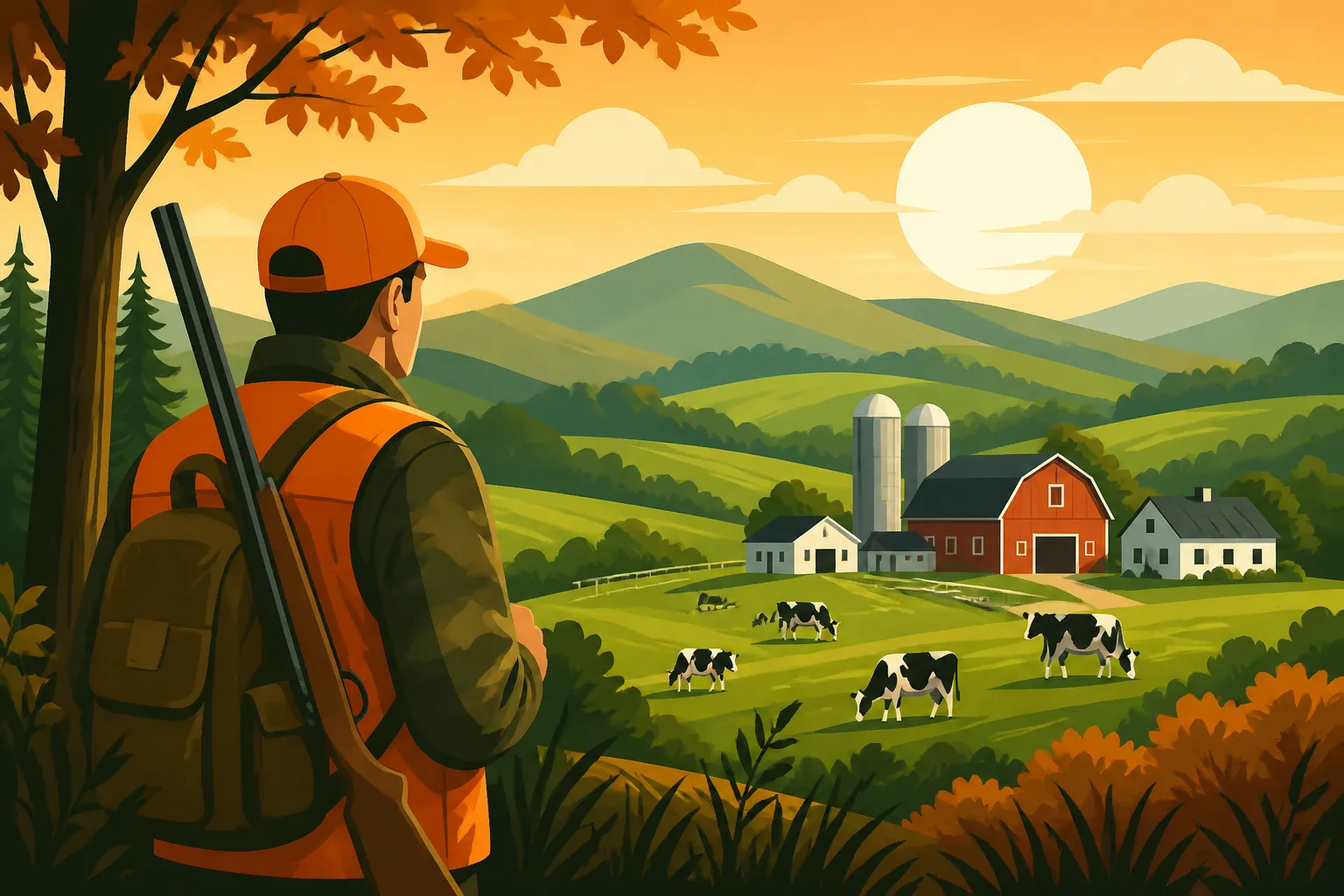
Hunting Vermont's dairy farm country presents a unique and incredibly rewarding challenge for any hunter. While public land offers wide-open spaces, those vast tracts can sometimes mean vast distances between deer. Dairy farms, however, often condense prime habitat into smaller, more accessible parcels, but getting access can feel like an insurmountable hurdle. This guide will walk you through the nuances of seeking permission, understanding deer behavior in agricultural settings, and employing effective hunting strategies to make your time in Vermont's farm country productive and respectful.
Understanding the Allure of Dairy Farm Country for Hunters
There's a reason why many seasoned Vermont hunters covet access to private dairy farm land. It's not just about avoiding crowded public areas; it's about tapping into some of the most consistent and high-quality deer habitat the state has to offer. The mix of cover, food, and water creates an irresistible draw for wildlife, making these areas true hotspots.
Why Deer Love Dairy Farms
Imagine a whitetail deer's perfect world: abundant, high-quality food, dense cover for bedding and escape, and readily available water. Dairy farms, with their sprawling cornfields, hayfields, and clover plots, provide an incredible buffet for deer, especially from late summer through the lean winter months. After the harvest, waste grain in cornfields can sustain deer for weeks, while alfalfa and clover fields offer protein-rich forage almost year-round. Adjoining woodlots, often less intensely managed than deep woods, provide vital bedding areas and travel corridors.
Beyond just food, the edge habitat created by the intersection of fields and timber provides both security and easy access to sustenance. Deer can browse on natural vegetation along the field edge, quickly ducking into the safety of the woods at the first sign of danger. This creates predictable movement patterns that hunters can learn to identify and exploit. The consistent presence of human activity can sometimes even make deer in these areas more nocturnal, or at least more wary, which adds to the challenge but also the reward when you finally connect.
Beyond Deer: Other Game Opportunities
While deer are often the primary target, Vermont's dairy farm country is a vibrant ecosystem supporting a variety of game. Turkeys are huge fans of farm fields, especially in the spring when they gobble from roosts along woodlot edges before flying down to strut and feed in open pastures. In the fall, they'll forage for waste grain and insects, often congregating in large flocks. Working a Fall Flock Apart Statewide With a Bow is a tactic that can be particularly effective in these open settings.
Small game like rabbits and squirrels thrive in the hedgerows, brushy field edges, and mature hardwoods adjacent to fields. Coyotes are also drawn to these areas, preying on small game and deer. If you're looking to extend your hunting season or diversify your pursuits, gaining access to dairy farm property can open up opportunities for these species as well. Just be sure to clarify with the landowner which animals you are permitted to hunt.
Challenges and Rewards of Farm Hunting
Hunting dairy farm country isn't without its challenges. The primary one, of course, is gaining permission. Farmers are busy people, and their land is their livelihood. They might be wary of hunters for various reasons, from past negative experiences to concerns about livestock safety or interference with operations. Persistence, respect, and clear communication are absolutely crucial.
However, the rewards are immense. Once you've earned a landowner's trust, you often gain access to areas with less hunting pressure than public land. This can mean higher quality animals, more consistent opportunities, and a deeper connection to the land and its management. You might even find yourself forming a lasting friendship with a local farmer, which is a treasure in itself. The ability to observe deer patterns in such a dynamic environment, with clear lines between food and cover, also provides a fantastic learning opportunity that can sharpen your hunting instincts.
Navigating Permission: The Key to Hunting Private Land
Let's be real, this is often the biggest hurdle. Many hunters feel uncomfortable or intimidated by the idea of knocking on a stranger's door. But in Vermont, especially around the productive Champlain Valley or other agricultural regions, this is how many successful hunting opportunities begin. It’s not about asking for a handout; it’s about offering a service and building a relationship.
The Art of Asking for Permission
Approaching a landowner for hunting permission requires tact, respect, and a genuine understanding of their perspective. First and foremost, choose your timing wisely. Don't show up during milking hours, planting season, or harvest. Weekends, late afternoons, or evenings when the farm work is generally winding down are usually better. Dress neatly and presentably, as if you're applying for a job – because in a way, you are. You're asking for the privilege of using their private property.
Start with a friendly introduction, state your name, and clearly explain your purpose: you're a responsible hunter seeking permission to hunt on their land. Be polite, concise, and ready to listen. Emphasize that you understand their concerns and will respect their property, livestock, and schedule. Offer to help with any deer damage they might be experiencing. Often, farmers suffer crop damage from deer, and you might be viewed as a solution to a problem. Having a map of their property, perhaps from an app like onX Hunt, can be very helpful to point out specific areas you're interested in, demonstrating you've done your homework. Knocking on Doors in Champlain Valley Farm Country is a skill that takes practice but yields results.
Building Relationships and Trust
Getting permission isn't a one-time transaction; it's the start of a relationship. If you're granted access, follow through on every promise you made. Close gates, stay away from livestock, drive slowly on farm roads, and respect planted fields. If you harvest an animal, inform the landowner promptly. Offer them some venison. Better yet, offer to help them with a chore or two on the farm. Sometimes a few hours of stacking wood or fixing a fence can solidify that relationship far more than any words.
Consider leaving a note with your contact information if the farmer isn't home, or follow up with a thank-you note even if permission is denied. Politeness and respect go a long way. This isn't just about one season; it's about building long-term trust. The hunting community often operates on reputation, and being a good steward reflects well on all hunters. If you're hoping for continued access year after year, consistent communication and genuine appreciation are paramount.
Do You Need Written Permission in Vermont?
This is a critical question for any private land hunter in Vermont. While a verbal agreement can be sufficient, having written permission is always the safest and clearest option for both you and the landowner. Vermont law generally requires hunters to obtain permission before entering private land, whether posted or unposted. However, written permission often provides explicit details that can prevent misunderstandings down the road.
A simple written agreement can outline:
- The hunter's name and contact information.
- The landowner's name and contact information.
- The specific dates or duration for which permission is granted.
- The exact areas of the property where hunting is allowed.
- Any specific rules or restrictions (e.g., no hunting near buildings, no ATVs, specific game allowed).
- Signatures of both parties.
This clarifies expectations for everyone involved and provides legal protection. It also shows the landowner that you are serious and responsible. If you secure permission, offer to draft a simple agreement or ask if they have one they prefer. You can find templates online or even use a feature within a mapping app like GoHunt if it offers permission management tools. This small step can save a lot of headaches later and reinforce your commitment to responsible hunting.
Reading the Landscape: Deer Movement in Dairy Farms
Understanding how deer use the diverse habitats found on dairy farms is key to successful hunting. It's often a game of edges, transitions, and understanding where the security cover meets the abundant food. Unlike deep woods where deer might roam more freely, farm deer often stick to predictable patterns, making them patterns that are easier to decipher with careful scouting.
Field Edges and Funnels
Field edges are the highways of farm country deer. Whether it's the boundary between a cornfield and a woodlot, a hayfield and a dense swamp, or a pasture and a brushy creek bottom, these transition zones are where deer feel safe traveling between bedding and feeding areas. Deer will often skirt the very edge of the cover, just inside the timber, or use a fencerow for concealment. Hunting a Champlain Valley Dairy Farm Edge means carefully observing these boundaries.
Look for natural funnels where deer movement is constricted. This could be a narrow strip of timber connecting two larger woodlots, a pinch point between a field and a major road, or a low saddle on a ridge that separates two feeding grounds. These funnels concentrate deer movement, making them prime locations for stand placement. Even small changes in elevation or cover type can create a funnel that deer consistently use. Consider where deer might feel safest crossing open ground or where they would naturally drift when moving between two desirable locations.
Woodlots and Coverts
While the fields provide the food, the woodlots and smaller coverts (thickets, brush piles, overgrown fencerows) provide the crucial security. These are where deer will bed down during the day, especially after feeding heavily in the fields overnight. In farm country, these woodlots might not be vast, but they are often incredibly dense, offering excellent thermal and visual cover.
Pay attention to the type of cover within these woodlots. Thick conifer stands offer great protection from wind and snow in winter. Dense multiflora rose, hawthorn, or young regenerating timber provides impenetrable bedding areas. Look for old logging roads, faint deer trails, and rub lines or scrapes, especially along the edges of these thicker areas. Scouting these woodlots can reveal primary entry and exit points for deer moving to and from fields. Sometimes, a small, overlooked brushy patch or an abandoned orchard can be a daytime sanctuary for a mature buck that feels too exposed in the larger woods.
Water Sources and Travel Corridors
Just like food and cover, water is a non-negotiable for deer. While Vermont is generally a wet state, reliable water sources like small streams, seepages, or even puddles in low-lying areas will attract deer, particularly during dry spells or warm early-season hunts. Keep an eye out for springs or small creeks running through woodlots adjacent to fields.
Creek bottoms and drainages often serve as natural travel corridors, providing both cover and a water source. Deer will use these depressions to move undetected across the landscape, avoiding open fields. A hidden spring or small cattail marsh within a woodlot can be a major draw. Similarly, old logging roads, even if overgrown, can be convenient travel routes for deer, allowing them to conserve energy and move efficiently. Overlooking these subtle features can mean missing key opportunities, so thorough scouting is essential. Reading Aerial Photos for Green Mountain Deer can help identify these potential travel routes before you even step foot on the property.
Strategic Hunting Techniques for Farm Edges
Hunting the edges of dairy farms requires a different approach than hunting deep timber. The open nature of fields means visibility is often better, but it also means deer are more exposed and thus more wary. Precision in stand placement, understanding wind, and adapting to deer patterns are paramount.
Stand Placement for Field Edges
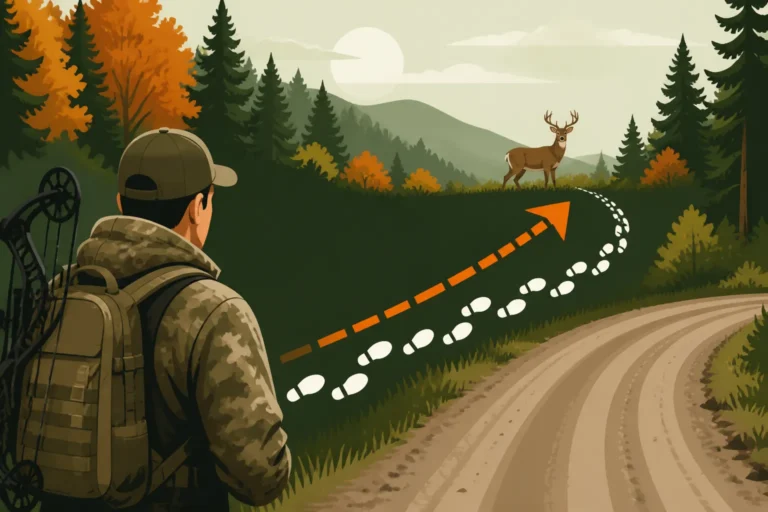
When setting up near a field edge, your goal is to intercept deer as they move from cover to feed, or vice-versa. This means finding the exact spots where they enter and exit the field. Look for natural breaks in the tree line, low spots, or where a prominent trail clearly funnels deer activity. Don't just pick the first tree; observe where deer actually step out. Setting Up on a Dairy Farm Field Edge involves understanding thermals and wind direction. Early morning hunts are ideal for catching deer moving back into bedding cover from the fields, while late afternoon focuses on them emerging to feed.
Consider prevailing winds. With fields often open, your scent can carry a long way. Set your stand so your scent cone blows away from where you expect deer to approach or feed. Elevated stands, like ladder stands or hang-ons, are often excellent choices as they get you above a deer's primary line of sight and can help carry your scent over their heads. If the woodlot edge is thick, a ground blind might be a better option, providing concealment right at the edge of the cover.
Still-Hunting the Timber Borders
Still-hunting is a highly effective tactic along the timber borders of dairy farms, especially during mid-day or when deer might be bedded just inside the cover. This involves moving incredibly slowly, taking only a few steps at a time, and then pausing for several minutes to scan for deer. The goal is to move as quietly as possible, blending into the environment, and letting your eyes do the work.
Focus your attention on the transition zones – the first 20-50 yards inside the woodline, where deer are likely to be staging before entering the field or bedding down. Look for horizontal lines (a deer's back), patches of specific color (tan or grey hide), or the flick of an ear. Move into the wind, taking advantage of any slight breeze to carry your scent away and bring you deer scent. This requires immense patience, but it allows you to adapt to changing deer movements and cover more ground silently than sitting in a fixed stand.
Utilizing Ground Blinds
Ground blinds can be incredibly useful in dairy farm country, offering versatility that treestands sometimes lack. They are particularly effective when hunting a very specific, isolated field edge, a tight funnel, or in areas where suitable trees for treestands are scarce. Ground blinds provide excellent concealment, masking movement and helping contain scent, which is a major advantage in open terrain. Brushing In a Blind on a Field Edge is crucial to ensure it blends seamlessly with the surroundings.
They are also great for hunting with youth or new hunters, offering comfort and the ability to move a bit more without spooking game. Place your ground blind well in advance of the season, if possible, to allow deer to get used to its presence. Brush it in thoroughly with natural vegetation from the immediate area – branches, dead grass, cornstalks – to break up its outline. Again, consider wind direction carefully, as even a well-placed blind won't stop scent from traveling.
Respecting the Land and the Farmer
Gaining access to private land is a privilege, not a right. The future of hunting on private property in Vermont hinges on hunters demonstrating the utmost respect for landowners, their property, and their livelihood. A bad experience with one hunter can close off an entire farm, or even a community, to all hunters.
Understanding Farm Operations
Dairy farms are working businesses, often operating on tight schedules with livestock, machinery, and daily routines that cannot be interrupted. Before you even set foot on the property, ask the landowner about their daily operations. When do they milk? Are there specific fields they are planting or harvesting? Are certain areas off-limits due to livestock or machinery? Knowing these details allows you to plan your hunt without causing disruption.
For example, never hunt near milking barns or pastures with cows. Avoid driving on wet fields that can be easily rutted by vehicles. Be mindful of fences and gates – if you open one, close it. If you cause any damage, report it immediately and offer to fix it. The farmer's patience and livelihood depend on these details. By understanding and respecting their operations, you show that you are a responsible and trustworthy individual, reinforcing the positive relationship.
Leaving No Trace and Being a Good Steward
Beyond respecting farm operations, it's vital to leave absolutely no trace of your presence, or even better, leave the property in better condition than you found it. This means packing out all your trash – spent shell casings, food wrappers, water bottles, and anything else you brought in. If you use a treestand, remove it at the end of the season unless explicitly told otherwise.
Think of yourself as a guest in someone's home. You wouldn't leave a mess there, so don't leave one on their land. If you come across any trash that isn't yours, consider picking it up. Report any unusual or suspicious activity you observe to the landowner. This kind of proactive stewardship demonstrates genuine care for their property and solidifies your reputation as a responsible hunter. It's about being an ambassador for hunting, ensuring that future generations might also have the opportunity to enjoy private land access.
Communication is Key
Open and honest communication is the bedrock of any successful landowner-hunter relationship. Before, during, and after your hunt, keep the lines of communication open. Let the farmer know when you plan to hunt and which areas you'll be in. If you harvest an animal, let them know promptly. If you decide not to hunt a particular day, a quick text or call is appreciated.
| Aspect of Communication | Why It's Important | Example Scenario |
|---|---|---|
| Pre-Hunt Notification | Avoids surprises, respects farm schedule | "Planning to hunt the back woodlot Saturday morning." |
| Harvest Report | Builds trust, demonstrates success, allows feedback | "Got a doe off the cornfield edge, will drag her out soon." |
| Respecting Boundaries | Prevents trespass, shows carefulness | "Staying clear of the cow pasture as we discussed." |
| Damage/Issues Report | Shows responsibility, allows prompt resolution | "Found a broken fence near the creek, can help fix it." |
| Thank You/Follow-up | Reinforces appreciation, encourages future access | "Thanks again for the hunt, hope to talk again soon!" |
| Feedback/Observations | Offers value to landowner, demonstrates engagement | "Saw a good buck using the far corner of the hayfield." |
If you see something concerning, like trespassers or injured livestock, inform the landowner immediately. A simple phone call or text can go a long way in reinforcing trust and showing that you respect their property and their business. Many farmers appreciate reports on wildlife movement, especially regarding deer that might be impacting their crops. Being observant and sharing those observations can add value to your presence on their land.
Ethical Considerations and Local Regulations
Hunting private land, especially working farms, comes with a unique set of ethical and legal responsibilities. It's not enough to simply have permission; you must also be acutely aware of local regulations, safety protocols, and the unspoken rules of being a good neighbor in rural Vermont.
Vermont Trespass and Permission Law
Understanding Vermont's specific laws regarding hunting on private land is non-negotiable. As mentioned earlier, Vermont Trespass and Permission Law generally requires hunters to obtain permission before entering private land. This applies whether the land is posted with "No Trespassing" signs or not. Ignorance of the law is never an excuse, and violating these rules can lead to significant fines, loss of hunting privileges, and irreparable damage to the reputation of all hunters.
Always carry your hunting license and proof of permission (especially if it's written) with you while on private land. This way, if you encounter a game warden or a curious neighbor, you can easily demonstrate your legal right to be there. Be prepared to show your documentation if asked. Familiarize yourself with the boundaries of the property you've been given permission for. Using a GPS app like onX Hunt or even a paper map and compass to clearly mark the permitted areas can prevent accidental trespass onto neighboring properties where you don't have permission.
Blaze Orange and Safety Around Farm Buildings
Safety should always be your top priority, especially when hunting on land that is actively used by others. While some archery seasons may not strictly require blaze orange, it's generally a wise precaution when hunting private land, particularly during any firearm season. How Much Blaze Orange Vermont Requires outlines the specific mandates for certain seasons and weapons. Even if not legally required, consider wearing a blaze orange vest or hat to maximize your visibility to other hunters, landowners, or farm workers who might be in the area.
Beyond blaze orange, exercise extreme caution around farm buildings, residences, and livestock. Never discharge a firearm or broadhead in the direction of, or within unsafe proximity to, any buildings, vehicles, or animals. Be aware of where your bullet or arrow will travel if you miss or if it passes through your target. Farmers often have family members, employees, or even customers coming and going. Your presence should never create a safety hazard for anyone on the property. Always know what's beyond your target.
Carcass Disposal and CWD Prevention
When you harvest an animal on a dairy farm, proper carcass disposal is crucial. You cannot simply leave entrails or parts where they might attract scavengers near farm buildings or pose a biohazard. Discuss with the landowner where they prefer you field dress your animal and dispose of the remains. Often, a secluded spot deep in the woods or a designated area away from pastures and crops is best.
Furthermore, always adhere to Vermont's CWD Prevention Rules. Chronic Wasting Disease (CWD) is a serious concern for deer herds, and Vermont has stringent regulations to prevent its spread. This includes restrictions on importing certain deer carcass parts from out-of-state and a ban on urine-based lures. Familiarize yourself with these rules to ensure you're not inadvertently contributing to potential health risks for the local deer population or livestock. Responsible carcass handling is part of being an ethical hunter and a good steward of both the land and its wildlife.
Disclaimer
This article is for general informational purposes only and does not constitute professional advice. Laws, prices and regulations vary by location and change over time. Consult a qualified professional for guidance on your specific situation.