Hunting Near the New Hampshire Border
Hunting near the New Hampshire border in Vermont presents a truly unique set of opportunities and challenges for any outdoors enthusiast. It’s not just about crossing an invisible line; it’s about a distinct ecosystem, shared game populations, and the ever-present need to understand two sets of regulations. This guide will walk you through the nuances of pursuing game in this incredible, often overlooked, borderland region, helping you maximize your time and success.
Understanding the Unique Borderland Habitat
The border between Vermont and New Hampshire isn't just a political divide; it's a dynamic landscape, heavily influenced by the Connecticut River. This creates a distinct habitat that shapes everything from deer movement to waterfowl migration, offering a different flavor of hunting than you might find in the Green Mountains' interior.
The Connecticut River and Its Influence
The mighty Connecticut River forms the eastern boundary of Vermont, acting as a natural corridor and a lifeblood for wildlife. Its presence defines much of the hunting experience in the border regions. Along its banks, you'll find expansive floodplains, intricate marsh systems, and oxbow lakes that are absolute magnets for waterfowl. For deer, these river bottoms provide critical travel routes, especially during the rut, as bucks follow the most direct paths. They offer thick cover, consistent water sources, and often, adjacent agricultural fields that serve as prime feeding grounds.
Imagine wading through shallow backwaters in the pre-dawn dark, setting out a spread of decoys, the mist rising off the river as a flock of mallards buzzes overhead. Or picture scouting a well-worn deer trail along a brushy riverbank, noticing where tracks lead from a mature hardwood stand down to a hidden water source. The river isn't just a boundary; it's an ecosystem unto itself, influencing everything for miles inland. It’s a place where hunters often find success in unexpected pockets, especially if they're willing to explore the smaller tributaries and oxbows that branch off the main flow. This rich environment offers something truly special for those willing to learn its rhythms.
Transitional Forests and Farmland
Moving away from the immediate river, the terrain gradually transitions into a mosaic of forests and agricultural fields. On both sides of the border, you'll find a mix of mature hardwoods – think towering oaks and maples – interspersed with dense softwood thickets. These areas provide diverse food sources, from acorns and beechnuts to browse, as well as crucial bedding and thermal cover, especially as the seasons turn colder. The farmland, with its corn, hay, and alfalfa fields, acts as a consistent food source, drawing deer and other game from the surrounding timber. This creates ideal edge habitat, where woods meet fields, providing natural funnels and ambush points for hunters.
The beauty of these transitional zones is the constant interplay between food and cover. A buck might bed down in a thick pine stand on a hillside overlooking a fresh-cut cornfield, only to move into the river bottom to browse along a creek. Understanding these movements is key. Hunters who pay attention to where the agricultural crops meet the timber, or where a logging road cuts through a dense forest, will often find the freshest sign. It’s this dynamic blend, where a deer can quickly transition from a wide-open field to dense cover, that makes the hunting challenging but incredibly rewarding.
Steep Terrain and Drainage
While the river bottoms are relatively flat, much of the land bordering the Connecticut River, particularly on the Vermont side, rises quickly into rolling hills and steeper terrain. This creates a complex landscape of draws, benches, and ridges that dictate how game moves. Understanding wind and thermals becomes paramount in these areas, as cold air drains into low-lying areas at night, and warmer air rises with the sun. Deer often use benches and saddles along ridgelines as travel corridors, especially when moving between bedding and feeding areas. The steep drainage systems also offer natural funnels, concentrating game movement and making them prime locations for setting up a stand.
These elevation changes mean your scouting needs to be thorough, not just for fresh tracks, but for understanding how air currents will affect your scent. A stand that seems perfect in the morning might be a disaster by midday if the thermals shift and carry your scent directly into a bedding area. Wind and Thermals in Steep Green Mountain Terrain are critical to master here. Hunters should also look for natural funnels created by these topographical features, such as a narrow neck of timber between two steep ravines, or a saddle connecting two larger ridges. These are the places where deer are most likely to pass, offering predictable movement patterns for the patient hunter.
Navigating Regulations and State Lines
Hunting along a state line can be a bit of a bureaucratic dance. It’s not just about knowing the local rules; it’s about understanding how your actions, and the game's movements, interact with two distinct sets of regulations. Mistakes can be costly, so clear knowledge is paramount.
Licensing and Permits
The golden rule for hunting near the New Hampshire border is simple: if you're hunting in Vermont, you need a Vermont license. Period. No matter if you live just across the river in New Hampshire, your Granite State license won't cut it for pursuing game on Vermont soil. This might seem obvious, but it's a common point of confusion, especially for new hunters or those accustomed to hunting exclusively in one state. You'll need to secure the appropriate Vermont hunting license, whether that's a resident or non-resident option, along with any necessary big game tags or permits for the species you're pursuing. Vermont Resident License Options and Vermont Nonresident License Options detail what you'll need.
It's vital to remember that these licenses are generally annual and tied to specific seasons and species. Always check the current Vermont Fish & Wildlife Department regulations before heading afield, as season dates, bag limits, and specific weapon restrictions can vary. You wouldn't want to finally get that elusive buck in your sights only to realize you’re not legally permitted to harvest it in that specific season or with your current setup. Keep your license and permits easily accessible and on your person, as game wardens patrol these border areas regularly, ensuring compliance.
Rules on Cross-Border Game Recovery
This is arguably one of the biggest headaches and potential pitfalls for borderland hunters: what happens if you shoot a deer in Vermont, and it crosses the Connecticut River into New Hampshire before expiring? It's a scenario that every hunter in this region dreads. The general rule is that you cannot simply follow blood into another state without permission. Your Vermont hunting license does not grant you the authority to hunt, track, or recover game in New Hampshire. This can be incredibly frustrating after putting in all the effort, making a good shot, and then watching your animal disappear across the river.
The proper procedure typically involves contacting the Vermont Fish & Wildlife Department and, if possible, the New Hampshire Fish and Game Department immediately. They may have specific protocols for cross-border game recovery, often requiring a warden from both states to be involved or for you to obtain permission from the New Hampshire landowner if the animal is on private property. Never, under any circumstances, just cross the border armed to retrieve an animal. The consequences can range from fines to loss of hunting privileges, and even criminal charges for illegal possession of a firearm in another state or trespassing. Patience and adherence to the law are your best friends in this difficult situation.
Blasting Distances and Safety Zones Near the Border
Hunting anywhere requires strict adherence to safety regulations, and this is amplified when you're hunting near a state line. Vermont has specific rules regarding shooting distances from dwellings, occupied buildings, and certain public roads. These rules are crucial to prevent accidents and ensure public safety. When you're right on the border, these considerations become even more complex. You might have a legal shooting lane in Vermont, but that shot could potentially carry into a safety zone or private property just over the river in New Hampshire.
It’s your responsibility as a hunter to know what lies beyond your target. This means thoroughly scouting the area and ideally using a mapping application like onX Hunt or GoHunt that clearly delineates property lines and state borders. These tools can be invaluable, showing you houses or other structures that might be just out of sight but still within a prohibited shooting distance. Always be aware of your backdrop, and if there's any doubt about where your projectile might land, err on the side of caution. Safety is always paramount, and an ethical hunter ensures their shots are responsible and legal on both sides of that invisible line.
Finding Public and Private Access
Just like anywhere else in Vermont, accessing hunting land along the New Hampshire border involves a mix of public and private opportunities. The key is knowing where to look and, for private land, how to respectfully secure permission.
Vermont Wildlife Management Areas Along the Border
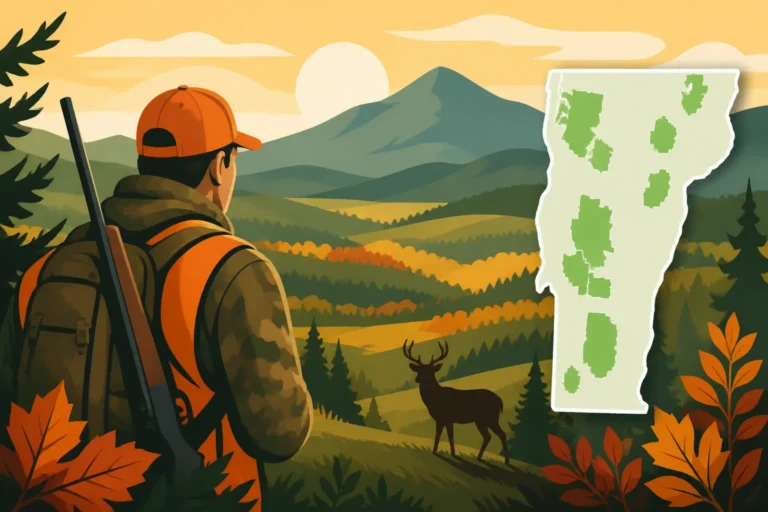
Vermont boasts a fantastic network of Wildlife Management Areas (WMAs) and many of these are strategically located along the Connecticut River. These WMAs are managed specifically for wildlife habitat and public recreation, making them prime hunting grounds. They often encompass a variety of habitats, from riverine wetlands and bottomland hardwoods to upland forests, providing diverse opportunities for deer, bear, turkey, and especially waterfowl. Vermont Wildlife Management Areas are often well-marked and maintained, with parking areas and informational kiosks.
For example, you might find WMAs like the Little River WMA or the Gale Meadows WMA (though further west, similar in management style) offering great access. The river WMAs, in particular, are managed to enhance habitat for migratory birds, making them hotspots during the fall migration. Hunting pressure can vary significantly on these public lands. Some areas might see a fair bit of activity, especially on opening day or during peak rut, while others might offer solitude if you're willing to walk a bit further off the beaten path. Always consult the specific WMA regulations, as some may have unique rules regarding vehicle access, camping, or specific hunting methods. Utilizing maps from the Vermont Fish & Wildlife Department website or a digital mapping tool can help you identify these valuable public tracts and plan your approach.
State Forests and Other Public Lands
Beyond the dedicated WMAs, Vermont also offers hunting opportunities within its extensive State Forests and other public land parcels. While some of these might be further inland from the immediate river, many larger tracts still exist within the broader Connecticut River Valley region. These lands often feature more extensive timber operations, which can create excellent deer habitat through varying stages of forest regeneration. Clear-cuts and selective logging areas provide abundant browse and thick cover, drawing deer to new food sources.
Hunting these larger forest blocks can be a more physically demanding endeavor, often requiring longer walks, but the reward can be finding less pressured game. Look for areas with diverse forest types – perhaps a mix of hardwoods on the slopes and hemlock stands in the valleys for thermal cover. These public lands are also great for pursuing small game like grouse and squirrel, which thrive in varied forest environments. Remember to always respect established trails and access points, and adhere to all state forest regulations regarding vehicle use, treestand placement, and blazing new paths. Mapping tools like onX Hunt are particularly helpful here, as they can overlay public land boundaries, allowing you to confidently navigate these larger tracts.
Securing Private Land Permission
In any agricultural state like Vermont, a significant portion of the best hunting ground is often on private property. This is especially true along the Connecticut River Valley, where fertile soils support numerous farms. Asking a Vermont Landowner for Permission can unlock incredible opportunities, providing access to prime fields, woodlots, and river frontage that sees minimal hunting pressure. While it can feel daunting to knock on a stranger's door, a polite, respectful approach often yields positive results.
Start by identifying potential landowners using plat maps or satellite imagery. A service like onX Hunt is invaluable for this, showing property boundaries and landowner names, which can then be cross-referenced with public records if needed. When you approach a landowner, dress neatly, be articulate, and clearly state your intentions. Offer to share some of your harvest, inquire about any specific areas they'd prefer you not hunt, and always follow through on your promises. Respecting their property, closing gates, picking up any trash (even if it's not yours), and being mindful of livestock or ongoing farm operations will go a long way in building trust and securing future access. Often, the best hunting spots are found not by endless walking on public land, but by building relationships with private landowners.
Species and Strategies Specific to the Border
The unique habitats along the Vermont-New Hampshire border foster a diverse array of game species, each requiring tailored strategies to successfully pursue. From big game to waterfowl, understanding their movements and preferences in this specific environment is key.
Whitetail Deer
The whitetail deer population thrives along the Connecticut River Valley, benefiting from the rich agricultural lands, diverse forests, and the river itself acting as a natural travel corridor. Deer in these areas often grow quite large due to abundant food sources. For a successful deer hunt, focusing on the edges where timber meets cropland is often highly productive. These transition zones provide both food and immediate cover, creating natural funnels. During the rut, bucks will actively cruise these edges, scent-checking for does. Observing Reading Vermont Mud for Fresh Deer Movement can tell you a lot about recent activity.
Another highly effective strategy is to concentrate on the river bottomlands. The dense cover and access to water make these areas prime bedding and travel routes. Deer will often utilize drainages and small creek bottoms to move undetected. Working a Connecticut River Bottomland Funnel can put you in a prime position to intercept a cruising buck or a herd moving between feeding and bedding areas. Setting up a treestand or ground blind along these funnels, particularly where they connect larger blocks of timber to agricultural fields, can be incredibly effective. Pay close attention to wind direction and thermals, as deer rely heavily on their sense of smell in these varied terrains.
Black Bear
Vermont's black bear population has been steadily increasing, and the border regions, with their mix of dense forests and proximity to food sources, are no exception. Bears are often found in areas with plentiful mast crops like acorns and beechnuts, especially in the mature hardwood forests further up from the river. During the late summer and early fall, they'll also venture into agricultural fields, particularly cornfields, to fatten up before denning. Spot-and-stalk tactics can be effective in areas with good visibility, such as logging cuts or along power line easements where bears might be feeding.
Another strategy, especially in areas with dense cover, is to identify natural travel corridors between feeding and bedding areas. Bears are creatures of habit and will often use the same trails year after year. Setting up a ground blind or treestand overlooking a well-used trail, particularly one near known food sources, can yield results. Remember, Vermont's bear season is long, running from September through November, offering various hunting opportunities depending on the stage of the season. Always be aware of your surroundings, as bears can be elusive and move silently through thick cover.
Waterfowl and Upland Birds
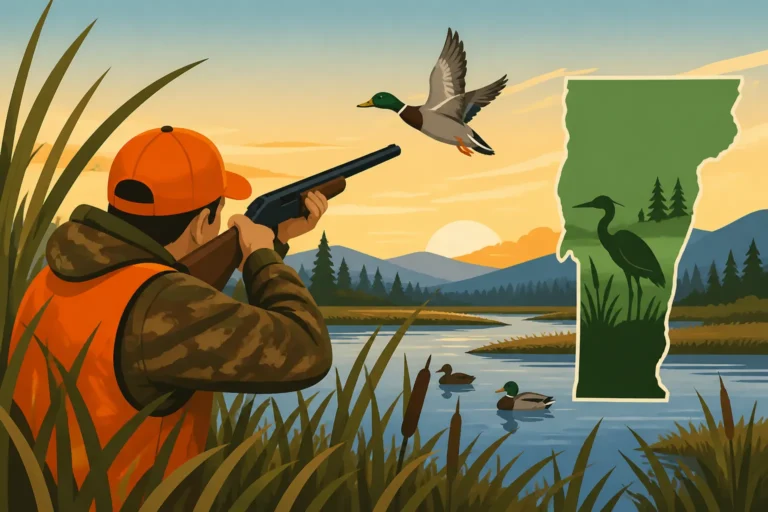
The Connecticut River is a major highway on the Atlantic Flyway, making the border region a phenomenal spot for waterfowl hunting. Mallards, wood ducks, black ducks, and various diving ducks utilize the river's main channel, oxbows, and adjacent marshes. Canada geese are also abundant, often feeding in the agricultural fields near the river. Setting up a decoy spread on an oxbow, a beaver flowage, or even in a flooded cornfield can lead to fantastic action. Early season often favors wood ducks in smaller, brushier water, while later in the season, larger open water and cornfields will hold more mallards and geese. Pass-Shooting Geese on the Connecticut River can be a thrilling experience, often requiring careful setup and understanding of their flight patterns.
Beyond waterfowl, the upland forests provide habitat for ruffed grouse and American woodcock. Grouse prefer young, regenerating forest stands with a good mix of dense cover and open pockets, often found in recent timber cuts or along overgrown logging roads. Woodcock are migratory birds that frequent moist, dense thickets along stream beds and field edges, probing the soft soil for worms. Both species offer challenging but rewarding hunting with a shotgun and a good bird dog, or by slowly still-hunting through their preferred habitats. Understanding the habitat preferences of these birds and scouting for active areas before the season opens will significantly increase your chances of success.
Gear Considerations for the Connecticut River Valley
Hunting along the New Hampshire border means dealing with a diverse range of conditions and terrain, from wet river bottoms to steep, rocky uplands. Having the right gear isn't just about comfort; it's about safety, efficiency, and ultimately, success.
Optics for River Bottoms and Hillsides
Whether you're glassing a distant beaver flowage for ducks or scanning a hillside for a deer, quality optics are indispensable in the Connecticut River Valley. The varied terrain, from wide-open fields and the river itself to dense timber, demands versatility. A good pair of 10×42 binoculars is a solid choice for general scouting and hunting, allowing you to pick apart distant cover or identify waterfowl species before they're in range. For the longer sightlines across farm fields or along the expansive river, a rangefinder is an absolute must-have. Best Rangefinder for Green Mountain Ridges can also serve you well here, helping you confirm distances to ensure an ethical shot, especially in situations where a deer might be on the opposite side of a field.
When hunting waterfowl on the river, binoculars become crucial for identifying incoming birds and assessing distances. For deer hunters, they're vital for spotting subtle movements in thick brush or determining if that brown patch is a deer or just a stump. If you're hunting more open agricultural country or clear-cuts, a spotting scope on a tripod can extend your effective glassing range dramatically, allowing you to scrutinize distant deer without spooking them. Always consider the light-gathering capabilities of your optics, as low light conditions at dawn and dusk are often when game is most active.
Footwear and Waders
The Connecticut River Valley's diverse habitat, especially its proximity to water, makes footwear selection critical. For much of the deer and upland bird hunting, a comfortable, waterproof, and supportive pair of hunting boots is essential. You'll be traversing everything from wet leaf litter to rocky hillsides, and good ankle support is paramount. Look for boots with aggressive tread patterns for traction in mud and over slick rocks. Given the often damp conditions, especially in spring and fall, reliable waterproofing is not a luxury, it's a necessity. Best Boots for Green Mountain Ridge Trails offers guidance that translates well to the varying terrain of the border.
If you're planning to hunt waterfowl, waders are non-negotiable. Chest waders are generally preferred, offering maximum protection from cold water when setting decoys, retrieving birds, or moving through marshy areas. Look for durable, insulated waders if you plan to hunt late into the season when water temperatures drop. Neoprene waders offer excellent insulation, while breathable options are better for milder days or when you expect to do a lot of walking. Without the right waders, your waterfowl hunt will quickly become miserable and potentially dangerous. Waders for Vermont Waterfowl Hunting provides more specific advice.
Mapping Technology
In today's hunting world, digital mapping technology is no longer a luxury; it's an essential tool, especially when navigating complex borderlands. Services like onX Hunt and GoHunt provide invaluable layers that show property boundaries, public land ownership, topography, and even recent satellite imagery. These features are absolutely critical when hunting near the New Hampshire border, where knowing exactly where you stand in relation to the state line and private property is vital for legal and ethical hunting. onX Layers for Vermont Land Status offers a great overview of how these tools can help.
Imagine this: you're tracking a deer, and the blood trail leads tantalizingly close to what appears to be a property line. With a mapping app on your phone, you can instantly confirm whether you're still on public land, or if you're approaching private property where you'll need permission to retrieve your game. These apps also allow you to mark waypoints for treestand locations, game sign, or parking spots, making navigation in unfamiliar territory much easier. They can also show you potential access points, logging roads, and trails that might not be visible on a traditional paper map. Always download offline maps for the areas you plan to hunt, as cell service can be spotty in the more remote sections of the Connecticut River Valley. Being able to visualize the landscape and your position within it in real-time dramatically boosts your confidence and decision-making in the field.
| Aspect of Hunting | Challenge in Border Region | Solution/Strategy | Key Gear |
|---|---|---|---|
| Habitat | Diverse, rapidly changing from river to upland | Understand micro-habitats, focus on edges/funnels | Topographic maps, scouting |
| Regulations | Dual state laws, cross-border issues | Know VT & NH rules, obtain VT license, contact wardens for cross-border recovery | Vermont Hunting License, Digital mapping app (onX Hunt) |
| Access | Mix of public & private, often fragmented | Utilize WMAs, State Forests; secure private land permission | VT Fish & Wildlife website, onX Hunt for landowner info |
| Whitetail Deer | Utilize river bottoms & agricultural edges | Hunt funnels between cover & food, observe fresh sign | Binoculars, Rangefinder, Treestand/Ground Blind |
| Waterfowl | Abundant on Connecticut River & oxbows | Decoy spreads in key areas, understand flight paths | Waders, Decoys, Shotgun, Calls |
| Upland Birds | Grouse in young forests, woodcock in moist thickets | Hunt regenerating timber, thick stream edges | Shotgun, Bird dog (optional), Waterproof boots |
| Bear | Utilize mast crops & cornfields | Spot-and-stalk, or sit travel corridors near food | Binoculars, Rifle/Bow, Quality Boots |
| Safety | Proximity to other state's property/dwellings | Know shooting distances, confirm backdrop with mapping app | Digital mapping app (GoHunt), Clear line of sight |
Disclaimer
This article is for general informational purposes only and does not constitute professional advice. Laws, prices and regulations vary by location and change over time. Consult a qualified professional for guidance on your specific situation.