Registering for a Vermont WMA Hunt Online
Navigating the world of public land hunting in Vermont can sometimes feel like solving a puzzle, especially when you encounter a specific wildlife management area (WMA) that requires a special permit or registration. It's frustrating to arrive at your preferred spot only to realize you needed to sign up weeks ago, or that the process isn't as straightforward as just buying your hunting license. This guide is here to walk you through the ins and outs of registering for a Vermont WMA hunt online, helping you understand the system so you can focus on the hunt itself.
Understanding Vermont's Wildlife Management Areas (WMAs)
Vermont is blessed with a wealth of public lands, offering incredible opportunities for hunters, anglers, and outdoor enthusiasts. Among these treasures are the state's Wildlife Management Areas, often affectionately called WMAs. These aren't just any patch of woods; they're specifically managed parcels of land, sometimes thousands of acres strong, dedicated to enhancing wildlife habitat and providing public access for recreational activities like hunting and fishing.
What are WMAs and Why They're Special for Hunters?
Imagine a landscape specifically designed and maintained to encourage thriving populations of deer, turkey, bear, and various small game. That's essentially what a WMA aims to be. Unlike some state forests or Green Mountain National Forest lands, which have broader recreational mandates, WMAs are primarily focused on wildlife conservation and public hunting opportunities. The Vermont Fish and Wildlife Department actively manages these areas, conducting habitat improvement projects, controlling invasive species, and ensuring a healthy ecosystem for game animals. This means you'll often find diverse habitats, from mature hardwoods and conifer stands to open fields, wetlands, and even strategically planted food plots. For a hunter, this translates to predictable game movement, richer forage, and often higher densities of animals, all within a designated public space.
These special management efforts mean that while WMAs are open to the public, some specific hunts or times of year might come with unique regulations to prevent overcrowding, manage harvest numbers, or protect sensitive species. It’s this blend of accessible public land and targeted management that makes WMAs such a valuable resource for Vermont hunters. If you're looking for more details, you can always check out Hunting Vermont's Wildlife Management Areas for a broader overview.
The Need for Special Permits: Why Not Just Show Up?
Now, you might be thinking, "It's public land, why do I need a special permit?" And that's a completely fair question, one many hunters grapple with. The simple answer lies in balancing opportunity with conservation. WMAs, precisely because they offer such prime hunting conditions, can become highly popular. Without some form of regulation, these areas could quickly become overcrowded, leading to a diminished hunting experience for everyone and potentially putting undue pressure on game populations.
Special permits or online registration systems serve several vital purposes. First, they help manage hunter density. By limiting the number of hunters in a specific WMA on a given day or during a particular season, the state can ensure a safer, more enjoyable, and higher-quality experience for those who do get to hunt. Imagine trying to still-hunt a beautiful hardwood ridge only to find hunters every 100 yards – not ideal for you or the deer. Second, these systems allow for more precise harvest management. If a WMA has a specific deer population goal, for instance, a permit system allows the department to control the antlerless take or total deer removed from that specific area, ensuring long-term herd health. Finally, it provides valuable data. Knowing how many hunters are utilizing an area, and what their success rates are, helps the Fish and Wildlife Department make informed decisions about future management strategies. It’s not about making things harder; it’s about making things better and more sustainable in the long run.
Navigating the Online WMA Registration Process
The idea of online registration can sometimes feel daunting, especially if you're more comfortable with a paper map and a compass than a web browser. But I promise you, the process is designed to be as user-friendly as possible, and once you get the hang of it, you'll find it saves a lot of time and hassle.
Your First Steps: What You Need Before You Register
Before you even think about clicking "Register" on any WMA hunt, you need to have a few ducks in a row. Trust me, nothing is more frustrating than getting halfway through a form only to realize you're missing a crucial piece of information.
First and foremost, you absolutely need a valid Vermont hunting license. This isn't just for WMA hunts; it's your fundamental ticket to hunt anywhere in the state. Make sure your Vermont Hunting Licenses and What They Cost is up-to-date for the current season. If you're a new hunter, you'll also need to ensure you've met the Vermont Hunter Education Requirements. The online system will typically verify your license information automatically, so any discrepancies will stop you in your tracks.
Beyond your basic license, you'll want to have a clear understanding of the specific WMA hunt you're targeting. Which WMA is it? What are the exact dates? Is it for deer, turkey, small game, or something else? Are there any specific weapon restrictions (e.g., archery-only, shotgun-only)? The Vermont Fish and Wildlife Department website is your best friend here. They'll publish detailed information about all WMA-specific hunts, including the eligibility criteria and any quotas. Sometimes these are special antlerless-only hunts or youth-only opportunities, so reading the fine print is key. Having all this specific hunt information on hand will make the registration process smooth and quick.
Step-by-Step: The Online Portal Walkthrough
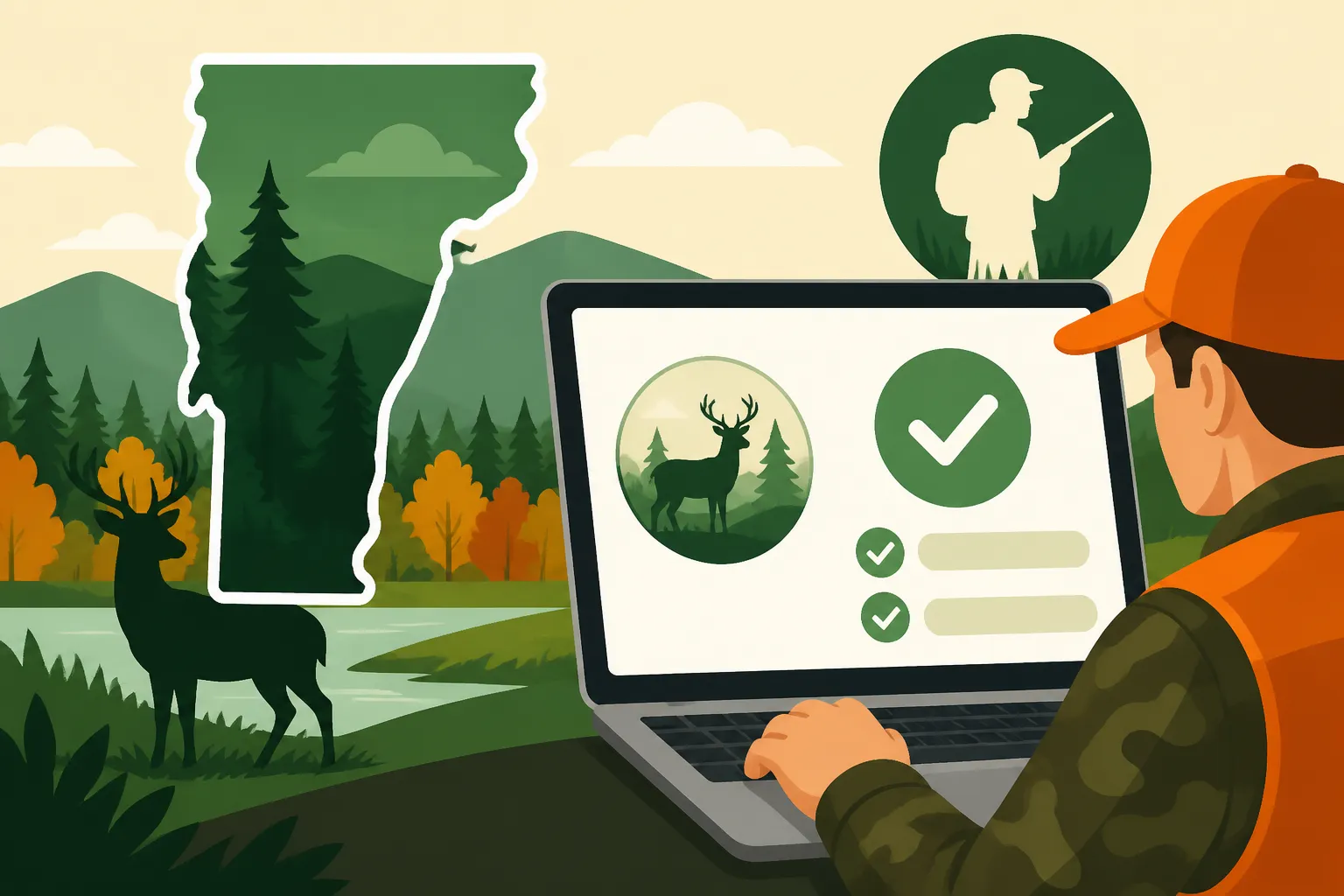
Once you've got your license squared away and know exactly which WMA hunt you're aiming for, it's time to hit the online portal. While the exact layout and button names might shift slightly over time, the general flow of a typical state wildlife department's online registration system remains pretty consistent.
- Locate the Official Portal: Your first step is always to go directly to the Vermont Fish and Wildlife Department's official website. Look for a section dedicated to hunting licenses, permits, or specific WMA opportunities. They often have a prominent link for "Online Licensing and Permits."
- Log In or Create an Account: If you've purchased licenses online before, you likely have an account. If not, you'll need to create one. This usually involves entering your personal details (name, address, date of birth, etc.) and creating a secure username and password. This account links directly to your hunter profile and license history.
- Find the WMA Hunt Registration: Once logged in, navigate to the specific WMA hunt registration section. This might be under "Special Permits," "WMA Hunts," or "Limited Entry Hunts." You'll often see a list of available hunts, their dates, and whether registration is open or closed.
- Select Your Desired Hunt: Carefully select the WMA and the specific hunt period you wish to register for. Double-check the dates and the WMA name to ensure you're not signing up for the wrong one!
- Provide Required Information: The system will likely pre-populate some of your information from your existing profile. You might need to confirm details or enter additional information specific to the hunt, such as your preferred weapon type, or acknowledge that you understand the rules.
- Review and Confirm: Before finalizing, you'll usually get a summary page showing all the details of your registration. This is your last chance to catch any errors. Read it carefully!
- Payment (if applicable): While many WMA registrations are simply a permit to participate and don't involve an additional fee, some limited-entry or lottery hunts might have an application fee. If so, you'll proceed to a secure payment gateway.
- Confirmation and Documentation: After successful registration (and payment, if any), you should receive an immediate confirmation, often displayed on screen and also sent to your email address. Print this confirmation or save it digitally to your phone. This serves as your proof of registration. Some systems might even issue a specific permit that you're required to carry while hunting in the WMA. Think of it like carrying proof of your Vermont Migratory Bird Certification – it's essential for legal compliance.
Remember, the system typically opens registration for these hunts well in advance of the season, and popular slots can fill up fast. Knowing the Vermont License Year Start Date can help you anticipate when these special hunt registrations might open.
Common Challenges and Troubleshooting for WMA Registrations
Even the most seasoned online user can hit a snag. It's just a part of dealing with technology, especially when it comes to systems that see a high volume of traffic during peak periods. Don't get discouraged!
Dealing with Limited Availability and Deadlines
This is perhaps the biggest frustration for hunters trying to secure a WMA spot: demand often outstrips supply. Many WMAs have strict quotas on hunter numbers to maintain quality experiences and manage wildlife populations effectively. This means that once the registration opens, spots can disappear quickly, sometimes within minutes or hours for highly sought-after hunts.
The key here is preparation and timeliness. First, stay informed. Keep an eye on the Vermont Fish and Wildlife Department's announcements regarding WMA hunt dates and when registration opens. Sign up for their newsletters or follow their social media if you can. Second, mark your calendar! If registration opens at a specific time, be ready at your computer or phone the moment it goes live. This is where tools like GoHunt or even simple calendar reminders can be invaluable. If a WMA hunt operates on a lottery system, understand the application window and ensure your application is submitted well before the deadline. Missing a deadline by even a few minutes can mean missing out on an entire season. It's a tough lesson, but one many of us have learned the hard way.
Technical Glitches and "The System Is Down" Moments
We've all been there: clicking refresh endlessly, staring at a frozen screen, or getting an error message just as you're about to finalize your registration. Online systems, especially those that experience surges of traffic, can be prone to temporary glitches.
If you encounter a technical issue, here are a few troubleshooting steps I've found helpful:
- Refresh the Page: Sometimes it's just a momentary hang-up. A quick refresh can resolve it.
- Clear Browser Cache and Cookies: Old data stored in your browser can interfere with new web pages. Clear your browser's cache and cookies, then try again.
- Try a Different Browser: If Chrome isn't working, switch to Firefox, Edge, or Safari. Sometimes certain browsers are more compatible than others.
- Check Your Internet Connection: A weak or intermittent Wi-Fi signal can cause problems. Make sure you have a stable connection.
- Verify Payment Information: If the issue is during the payment stage, double-check your credit card number, expiration date, and security code. Ensure there are sufficient funds.
- Wait and Try Again: If the system truly seems overwhelmed, it might be best to step away for 10-15 minutes and try again. Sometimes these surges are brief.
- Call the Department: If you've exhausted all online troubleshooting and the deadline is looming, don't hesitate to call the Vermont Fish and Wildlife Department directly. They are there to help, and sometimes they can process registrations manually or provide specific guidance for known issues. Keep their customer service number handy.
It can be incredibly frustrating, but a little patience and persistence usually pay off.
Making the Most of Your WMA Hunt Once Registered
Congratulations, you've successfully navigated the online registration! Now the real fun begins: preparing for your hunt. Just because you have a permit doesn't mean the work is over; in fact, it's just getting started.
Understanding Your Specific WMA Regulations
Getting registered for a WMA hunt is just the first layer of understanding. Each WMA might have its own unique set of rules and regulations that go beyond general statewide hunting laws. These aren't just suggestions; they're enforceable rules designed to protect the resource and ensure fair chase.
Once you have your permit, thoroughly review all the documentation provided by the Vermont Fish and Wildlife Department. This often includes specific maps of the WMA highlighting designated hunting zones, no-hunting zones, parking areas, and access points. For instance, some WMAs might have areas designated for archery-only, even if statewide rules permit rifles during certain seasons. There could be specific rules about baiting (which is generally prohibited for deer in Vermont anyway, but some WMAs might have special provisions for bear baiting, for example), use of ATVs, camping, or even hours of operation. You might find regulations on Trail Camera Rules on Vermont Public Land that are unique to a particular WMA. Don't assume anything. Read every detail carefully. Ignorance of the rules is never a valid defense, and a WMA violation could jeopardize your hunting privileges.
| Feature | General Public Land (e.g., GMNF, State Forests) | Wildlife Management Area (WMA) |
|---|---|---|
| Primary Focus | Multi-use recreation, timber, wildlife | Wildlife habitat enhancement, public hunting/fishing |
| Access Requirements | General hunting license required | General hunting license + potential WMA-specific permit/registration |
| Hunter Density | Variable, often self-regulated | Often managed and limited through permit systems |
| Specific Regulations | Statewide rules apply, some local ordinances | Statewide rules + specific WMA regulations (zones, weapons, access) |
| Habitat Management | Broader, less intensive wildlife focus | Intensive, targeted habitat projects for game species |
| Data Collection | General harvest reporting | Detailed hunter participation and harvest data |
Scouting and Preparation for Success
With your permit in hand and the WMA rules understood, it's time to put boots on the ground—or at least eyes on a map. Proper scouting and preparation are absolutely critical for success, especially on public land that might see varied hunter pressure.
Start with digital scouting. Use mapping applications like onX Hunt or GoHunt to study the WMA's topography, identify potential access points, find natural funnels, locate different habitat types, and mark areas of interest. Look for features like drainages, ridge lines, old logging roads (even if gated), clear-cuts, and water sources. These tools are invaluable for Reading Aerial Photos for Green Mountain Deer and figuring out where deer or other game might travel, feed, or bed. Knowing where you want to focus your efforts before you even step foot in the woods can save you countless hours of wandering aimlessly. Many of these apps also show onX Layers for Vermont Land Status, which can be very helpful in understanding boundaries.
If possible, make a physical scouting trip before the season opens. Walk the land, observe sign (tracks, rubs, scrapes, droppings), and get a feel for the terrain. This is your chance to Scouting Vermont Public Land Before Season firsthand, identifying the freshest game sign, understanding how wind and thermals might behave in different areas, and locating good spots for a treestand or ground blind. Even if it’s just a day trip, nothing beats seeing the ground with your own eyes. Pack light, move quietly, and pay attention to every detail. Remember, other hunters might also be scouting, so be respectful and mindful of shared resources. The more you know about the specific WMA, its nuances, and the likely movements of the game within it, the higher your chances of a successful and rewarding hunt.
Disclaimer
This article is for general informational purposes only and does not constitute professional advice. Laws, prices and regulations vary by location and change over time. Consult a qualified professional for guidance on your specific situation.