Vermont State Park Hunting Rules
It's completely understandable to feel a little lost when trying to navigate the hunting rules for Vermont's State Parks. Unlike the vastness of national forests or dedicated Wildlife Management Areas, state parks often come with their own unique set of regulations, and figuring out which ones even allow hunting, let alone when and how, can be a real headache. This guide is here to untangle that knot for you, offering a comprehensive look at the ins and outs of hunting in Vermont's State Parks, so you can plan your next outing with confidence and clarity.
The Nuance of Hunting Vermont State Parks
When you think of hunting in Vermont, images of vast Green Mountain National Forest tracts or remote Northeast Kingdom woods often come to mind. But what about our beloved State Parks? These picturesque public lands, often popular for camping, hiking, and picnicking, sometimes offer unique hunting opportunities that many overlook or simply don't understand. The key takeaway here is that not all state parks are created equal when it comes to hunting access, and the rules are almost always more specific than for general public lands.
Not All Parks Are Created Equal
The biggest misconception about hunting in state parks is that if one allows it, they all do. This couldn't be further from the truth. Each Vermont State Park operates under its own specific management plan, and many are simply too small, too close to population centers, or too heavily utilized by non-hunting recreationists to safely or practically allow hunting. Some parks might permit hunting only during specific seasons, for particular species, or within designated zones that are clearly marked. It's not a blanket policy, which can be frustrating when you're trying to figure out where to go. Always remember to check the individual park's rules, usually found on the Vermont State Parks website, in addition to the Vermont Fish & Wildlife Department regulations.
Understanding the "Why" Behind the Rules
The restrictive nature of hunting in state parks isn't arbitrary. It's often driven by several factors, primarily public safety, ecological management, and balancing multiple recreational uses. State parks are designed to provide diverse outdoor experiences, and that includes hikers, birdwatchers, mountain bikers, and families enjoying a quiet picnic. Allowing hunting without strict controls could lead to safety conflicts, disrupt other park users, or negatively impact wildlife populations in smaller, more confined areas. For example, a park might open to archery deer hunting in the fall to manage a deer population that's impacting sensitive plant communities, but keep it closed during rifle season due to the higher risk associated with firearms in a multi-use area. It's about careful stewardship and minimizing conflict.
The Role of Conservation in State Park Hunting
Hunting, when managed correctly, is a vital conservation tool. In some Vermont State Parks, hunting permits are issued as part of a larger ecological management strategy. For instance, if a park is experiencing overbrowsing by white-tailed deer, which can hinder forest regeneration and impact other wildlife species, controlled hunting can help bring the deer population into balance. These are often called "quota hunts" or "managed hunts," and they are highly regulated. It's not just about harvesting an animal; it's about maintaining a healthy ecosystem within a specific park boundary. This approach aligns with the broader goals of Public Hunting Land in Vermont and Vermont Wildlife Management Areas, where hunting is intrinsically linked to habitat and population management.
Navigating Specific Rules and Regulations
Once you've identified a Vermont State Park that might allow hunting, the next step is to dive deep into the specific rules. This is where things can get intricate, as regulations often go beyond the general statewide hunting laws and apply uniquely to that specific park's boundaries and activities. You can't just assume your regular hunting license covers everything; there might be additional hoops to jump through.
Permits and Application Processes
For many state parks that allow hunting, especially for deer, you'll find that a special permit or application process is required. These aren't your typical hunting licenses or tags that you can pick up at a general store. These are often specific to the park, sometimes to a particular species, and may even be limited in number, requiring you to enter a lottery or apply well in advance. For example, some parks might run a limited archery hunt for deer, and successful applicants are granted a special permit that outlines the exact dates, methods, and areas within the park where they can hunt. These permits are crucial for managing hunter density and ensuring safety. Make sure you fully understand the Vermont Resident License Options and any additional park-specific permits you might need.
Season Dates and Species Restrictions
Even within a park that permits hunting, the season dates and the species you can pursue might be significantly different from the general statewide regulations. You might find a park that's open for fall turkey hunting but not spring turkey, or one that allows only archery deer hunting, excluding rifle or muzzleloader seasons entirely. These restrictions are put in place to reduce conflicts with other park users, protect non-target species, or manage specific animal populations within the park's unique habitat. For example, a state park with a popular nature trail might only open for squirrel hunting after the peak visitor season has ended, or during times of the week when visitor traffic is historically low. It’s essential to consult both the Vermont Fish & Wildlife digest and the specific state park's website for these localized season dates and species allowances.
Legal Weapons and Safety Zones
Weapon restrictions are another critical area where state park rules can deviate. While you might legally carry a rifle during the November season across many parts of Vermont, a state park might limit hunting to archery or crossbows only, or even shotgun with slugs. This is almost always a safety measure, reducing the effective range of projectiles in areas where hikers, dog walkers, or even nearby homes could be present.
Furthermore, state parks are almost guaranteed to have clearly defined "safety zones" or "no hunting zones" within their boundaries. These are typically areas around parking lots, picnic grounds, campgrounds, visitor centers, and well-used trail systems. It's not uncommon to find a state park that's technically open to hunting but has so many safety zones that the actual huntable acreage is much smaller than it appears on a map. Always look for signage and consult park maps to identify these critical areas. Understanding How Much Blaze Orange Vermont Requires is also vital, especially during overlap seasons, as visibility is paramount in shared spaces. You must be exceptionally mindful of where your arrow or bullet could potentially travel.
| Aspect of Hunting | General Public Land (e.g., GMNF, WMA) | Vermont State Park (if hunting allowed) |
|---|---|---|
| Permits Required | Standard hunting license & tags | Standard license + often special park permit/application |
| Season Dates | Follows statewide regulations | May have modified or shorter seasons; species specific |
| Species Allowed | Generally all legal game species | May be limited to specific species (e.g., deer, turkey) |
| Weapons Allowed | Per statewide regulations | Often restricted (e.g., archery/crossbow only, shotgun with slugs) |
| Safety Zones | Typically 500 ft from occupied dwelling | More extensive, around all park facilities & major trails |
| Public Presence | Varies, often lower | Higher, diverse non-hunting users present |
| Management Focus | Habitat & population | Multi-use recreation, safety, ecosystem balance |
Finding Huntable State Parks and Access Points
So, you're committed to hunting a Vermont State Park. The next big hurdle is figuring out which parks allow it and how to effectively scout and access them. This isn't always as straightforward as pulling up a map and looking for green spaces; there's a bit of detective work involved.
Identifying Open Parks and Designated Areas
The official source for information on hunting in Vermont State Parks is usually a combination of the Vermont Fish & Wildlife Department website and the Vermont State Parks website. These sites will typically list which parks, if any, have special hunting provisions or designated hunting areas. Don't just rely on hearsay or old maps. Park regulations can change from year to year, especially as visitor use patterns evolve or wildlife management needs shift. It's not uncommon for a park to have specific zones delineated for hunting, perhaps only on one side of a major road or within a certain section of timber away from the main recreation areas. Look for detailed maps or written descriptions of these huntable boundaries.
Mapping Tools and Scouting Strategies
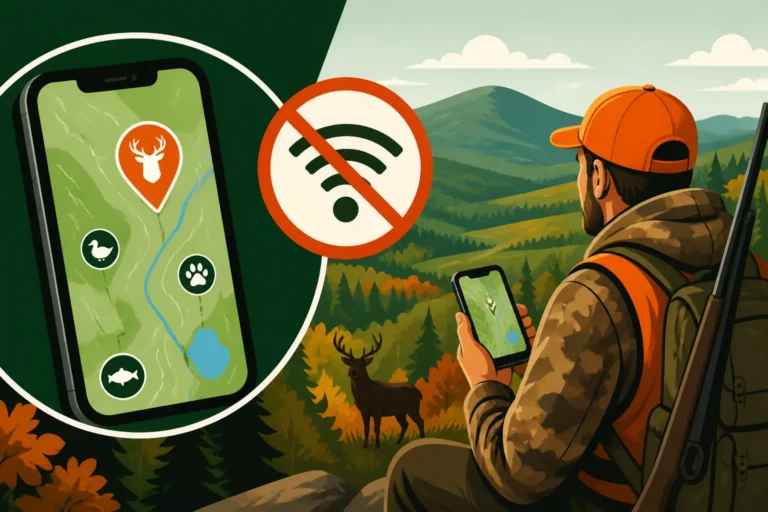
Once you have a list of potentially huntable state parks, modern mapping tools become your best friend. Services like onX Hunt are incredibly valuable for identifying property boundaries, distinguishing between public and private land, and even showing trails or other features that might influence deer movement or hunter access. You can layer on things like topo maps and aerial imagery to get a better sense of the terrain. onX Layers for Vermont Land Status can help you pinpoint state park boundaries and identify potential access points.
Scouting in a state park requires a slightly different approach than in vast, remote wilderness areas. You're often looking for pockets of cover and food sources that deer or turkeys use to evade both other hunters and non-hunting park users. Look for areas where dense thickets border less-trafficked edges, or where natural funnels might lead game from deep cover to food sources. Pay attention to how non-hunting foot traffic moves through the park and try to identify areas less impacted. Early season scouting, ideally before the general public descends on the park for summer activities, can give you an edge. You might be able to identify bedding areas or travel corridors that become too risky or pressured once the park is full of hikers. Reading Aerial Photos for Green Mountain Deer can be a great starting point, even for smaller state park parcels.
Parking and Entry Considerations
Access to state parks is usually well-defined, but that doesn't always mean easy for hunters. Parking areas are typically designated, and you'll need to use them. Unlike some backcountry spots where you might pull off a logging road, state parks usually have official parking lots that can fill up quickly, especially on weekends or during peak foliage season. This means planning your entry and exit strategies carefully. You might need to arrive extra early to secure a spot, or consider hunting mid-week when crowds are thinner.
Also, be mindful of any entry fees or gate times that apply to the state park. Some parks have seasonal gates or require day-use fees, even if you're only there to hunt. Understand these operational logistics before you go, as an unexpected closed gate or fee could throw a wrench in your hunting plans. Remember, you're a guest in a multi-use area, and adhering to park operational rules is part of being a responsible hunter.
Respecting Park Users and Wildlife
Hunting in a state park means you're not just sharing the woods with other hunters; you're sharing it with a much broader and more diverse group of outdoor enthusiasts. This requires an extra layer of awareness, courtesy, and respect to ensure that hunting continues to be allowed and viewed positively within these shared spaces.
Sharing the Outdoors Ethically
The golden rule here is simple: treat all other park users with respect and courtesy. This means yielding to hikers on trails, maintaining a low profile, and being mindful of your appearance. While you're dressed in camo and carrying hunting gear, a family out for a stroll might not understand or appreciate your presence. A friendly wave and a brief explanation of what you're doing (if approached) can go a long way in fostering a positive image for hunters. Avoid making loud calls or disturbing the peace that many seek in state parks. Your goal should be to be as unobtrusive as possible, minimizing any potential for conflict or discomfort for non-hunting visitors. This extends to your Treestand Rules on Vermont Public Land – ensure your stand placement is discreet and adheres to all park regulations regarding equipment left overnight.
Understanding Non-Hunting Activities
Before you hunt a specific state park, it's a good idea to research the predominant non-hunting activities that take place there. Is it a popular mountain biking destination? Does it have a well-known birdwatching trail? Are there designated areas for dog walking off-leash? Knowing these things helps you identify times and locations within the park where hunter-user conflicts are less likely. For instance, hunting near a popular scenic overlook on a Saturday morning during peak fall foliage is probably not the wisest idea. Instead, focus on weekdays, early mornings, or areas that are less accessible to casual park users. Tools like GoHunt can provide insights into general land use trends, though specific park activity might need local observation.
Minimizing Impact on Non-Target Species
While your focus is on the game animal you're pursuing, state parks are also home to a wide array of non-game wildlife. Be extra vigilant in identifying your target and ensuring you have a clear shot, especially in areas that might have smaller, non-huntable animals. Avoid disturbing nests, dens, or fragile habitats. If you're setting up a ground blind, ensure it's brushed in naturally and doesn't obstruct existing wildlife trails or critical areas. The goal is to leave no trace and to ensure your presence doesn't negatively impact the broader ecosystem of the park. This mindset aligns with responsible land stewardship, which is crucial whether you're in a state park or hunting Still-Hunting Green Mountain National Forest Timber.
Navigating Unique Challenges of State Park Hunts
Hunting in Vermont State Parks presents a unique set of challenges that you won't always encounter on larger, more remote public lands. These require a different mindset and strategy to overcome, ensuring both a safe and potentially successful hunt.
Increased Public Presence
The most significant challenge is undoubtedly the increased presence of non-hunting public. Unlike a vast Wildlife Management Area where you might only encounter other hunters, state parks are magnets for a diverse range of outdoor enthusiasts. This means your hunting strategy needs to account for trails being used by hikers, dog walkers, and mountain bikers. A deer might move differently in a state park, perhaps holding tighter to cover or becoming nocturnal in highly trafficked areas, simply because it's constantly encountering human activity. You might have to adjust your approach, focusing on very early morning hunts, targeting less accessible sections of the park, or utilizing natural breaks in human activity. This also requires you to be extra cautious with shot angles and awareness of your surroundings at all times.
Limited Access and Restricted Areas
While state parks are public, not all parts of them are necessarily open to hunting. As discussed, there can be numerous safety zones around infrastructure, trails, and high-use areas. This often means the actual huntable acreage is much smaller and more fragmented than the total park size. You might find yourself needing to hunt very specific corridors or small pockets of cover. This limitation requires meticulous scouting and careful planning of entry and exit routes. It also means you might have to adapt your typical hunting methods; for example, a long deer drive might be impossible due to public safety concerns, requiring more still-hunting or stand hunting tactics. Similarly, retrieving game might be complicated by these restricted zones.
Specific Habitat Considerations
State parks often represent unique habitat types, sometimes managed for specific aesthetic or ecological purposes that differ from timberlands or agricultural areas. You might encounter well-maintained trails, specific plantings, or diverse forest types that are part of the park's appeal. Understanding how game animals utilize these particular habitats is key. Deer might be patterned to feed in certain ornamental areas or use specific sheltered thickets near trails to bed down during daylight hours. While general principles of finding food, water, and cover still apply, the specific manifestation of those elements within a state park's managed landscape can be different. Hunting a Funnel Between Two Woodlots is a universal concept, but in a state park, those "woodlots" might be smaller, more defined, and surrounded by more human activity.
Tips for a Successful and Ethical State Park Hunt
To make your state park hunting experience positive, both for yourself and for the future of hunting access in these areas, a thoughtful and ethical approach is paramount. It’s about more than just bagging an animal; it’s about responsible outdoor recreation.
Pre-Season Research and Reconnaissance
Never go into a state park hunt blind. The more homework you do, the better your chances of success and the lower the risk of issues. Start with a deep dive into the Vermont Fish & Wildlife Department regulations and the specific state park's website. Look for any online maps, printable guides, or FAQs that address hunting. If available, call the park office or a local warden for clarification on any ambiguous rules. They are often the best source of current, on-the-ground information.
After the digital research, conduct physical reconnaissance. Walk the park's boundaries, identify trails, parking areas, and any designated no-hunting zones. Use your mapping apps like onX Hunt to mark these features. Look for game sign in the designated huntable areas, paying attention to how animals might be using the cover to avoid human activity. Consider visiting during off-peak times to get a better feel for game movement without the distraction of crowds. This thorough preparation is an investment that pays dividends.
Staying Flexible and Adaptable
A state park hunt rarely goes exactly as planned. The presence of non-hunting public, unexpected trail closures, or even a sudden change in park management can throw a wrench in your strategy. Be ready to adapt. If your planned stand location is too close to a new hiking trail, have a backup. If you encounter more public activity than anticipated, be prepared to shift your hunt to a less-pressured area or change your approach (e.g., from still-hunting to a static stand). The hunter who succeeds in a state park is often the one who can think on their feet and adjust their tactics without compromising safety or ethics. This adaptability is key whether you're dealing with crowded parks or trying to find Finding Ground Others Walk Past in more conventional public land settings.
Post-Harvest Responsibilities
Should you be successful, your responsibilities don't end there, especially in a state park setting. Field dressing should be done discreetly and away from public view whenever possible. Field Dressing a Deer in Cold Weather still applies, but consider how others might react to the sight. If you need to retrieve your game through a popular area, do so as respectfully and unobtrusively as possible, perhaps using a game cart or sled to cover the animal. Be prepared to answer questions from curious onlookers politely.
Finally, ensure you register your deer or other game according to Vermont's regulations. This can typically be done online or at an official check station. Registering a Vermont Deer Online is usually the most convenient method. Remember, adherence to all regulations, both statewide and park-specific, is crucial for preserving hunting opportunities in these unique shared spaces for generations to come.
Disclaimer
This article is for general informational purposes only and does not constitute professional advice. Laws, prices and regulations vary by location and change over time. Consult a qualified professional for guidance on your specific situation.