Breaking Up a Fall Turkey Flock
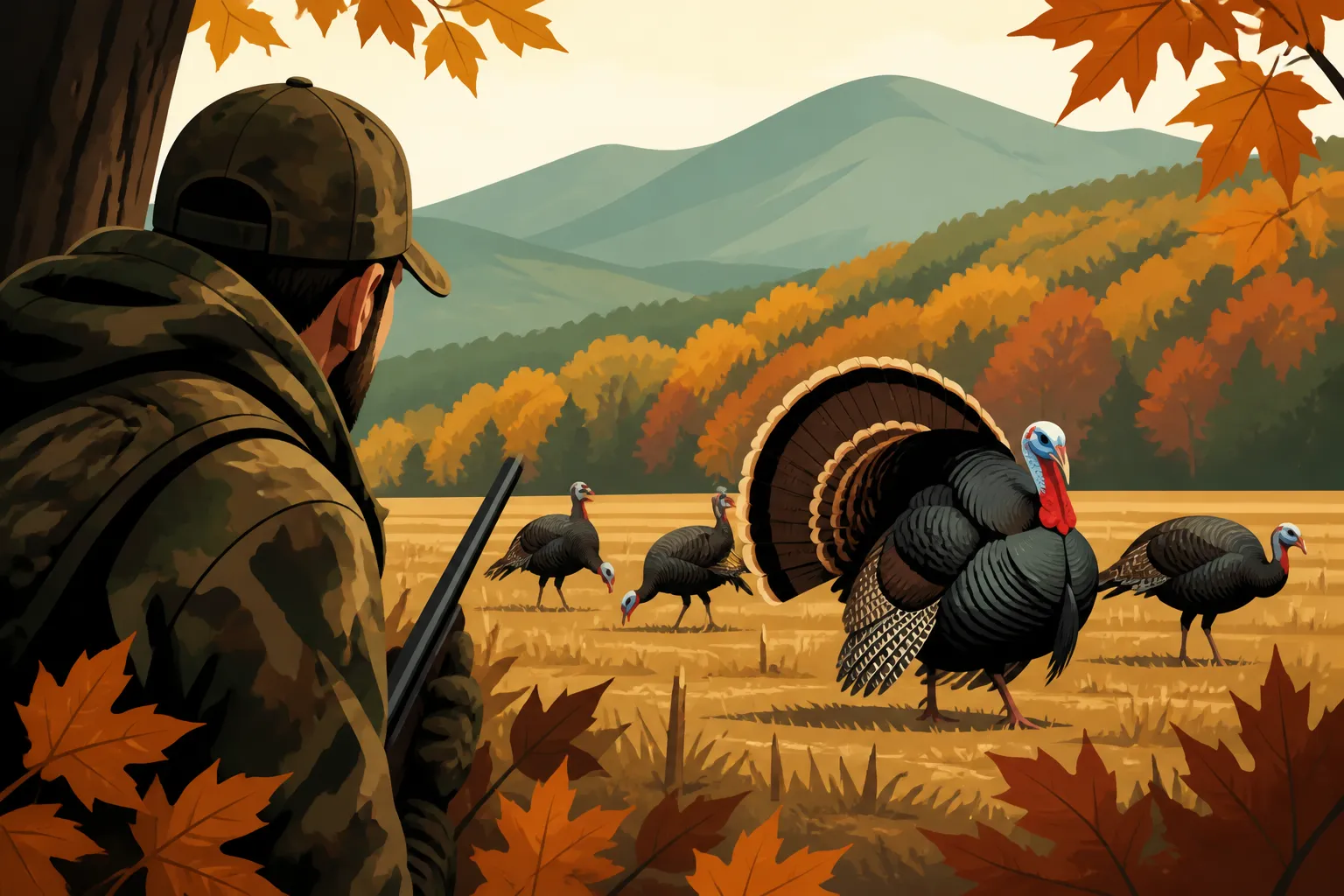
It's a common frustration in the Vermont fall woods: you've located a thriving flock of turkeys, perhaps even spotted that big tom or a plump hen, only for them to scatter at your approach, seemingly disappearing into the vast timber. Unlike spring, when gobblers are focused on breeding, fall turkeys are all about survival and sticking together. This guide will walk you through the tried-and-true method of breaking up a fall turkey flock, explaining the 'why' behind each step and equipping you with the knowledge to bring those birds back to your call and into range.
Understanding the Fall Flock Mentality
Fall turkey hunting isn't about calling in lovesick gobblers; it's a completely different ballgame that plays on the birds' deep-seated need for security and social cohesion. When you're out there trying to fool a fall flock, you're tapping into their core instinct to stick together. If you don't understand this fundamental difference from spring hunting, you'll find yourself chasing shadows more often than not.
Why Turkeys Flock Up in Autumn
As summer fades and the Vermont hardwoods begin to change into their brilliant autumn colors, turkey dynamics shift dramatically. The spring breeding season is long past, and the focus turns squarely to survival, feeding, and predator avoidance. Young poults from the spring have grown significantly but are still dependent on the adult hens, and all birds benefit from the safety in numbers that a large flock provides. These flocks can be substantial, sometimes numbering dozens of birds, and they roam widely, foraging for acorns, beechnuts, and leftover agricultural grains. Their primary objective is to maintain constant communication and stay within the group.
This strong social bond means that if one bird senses danger, the entire flock quickly reacts. They'll often communicate with soft clucks and purrs while feeding, but at the first sign of a threat, those subtle sounds can turn into alarm putts that send the whole group scattering. When you encounter a big, mature fall flock, you're up against dozens of eyes and ears, making them incredibly difficult to sneak up on. Many hunters get discouraged, seeing a huge flock disappear and thinking the hunt is over, but this is actually where the real opportunity begins. The trick is to turn their strength—their social structure—against them.
The Psychology of a Scattered Flock
Imagine being suddenly separated from your family in a crowded, potentially dangerous place. You'd likely feel an immediate urge to reconnect, to call out, and to listen intently for familiar voices. That's precisely the psychological state you want to induce in a fall turkey flock. When a flock is suddenly, violently scattered, their strong social bonds become their vulnerability. The shock of being separated overrides their usual wariness, especially for younger birds and the hens leading them. They become disoriented, anxious, and deeply motivated to reassemble.
This powerful instinct to regroup is what makes the "scatter and call" technique so effective in the fall. You're counting on their ingrained need for safety in numbers to compel them to respond to your calls. They don't want to be alone, exposed to coyotes, bobcats, or even a lone hunter. They crave the comfort and protection of the flock. Understanding this intense desire to re-establish contact is the key to timing your calls and setting up your ambush. It's not about being the best caller; it's about being the most convincing "lost" turkey in the woods. When you mimic those urgent, lonesome yelps, you're speaking directly to their most primal needs, and often, they can't resist.
The Art of the Flush: Scattering the Birds Effectively
The core of successful fall turkey hunting, once you've located a flock, lies in effectively breaking them apart. This isn't a stealthy approach; it's a deliberate, almost aggressive tactic designed to create chaos and separation. Getting this step right sets the stage for everything that follows.
Approaching and Initiating the Scatter
First, you need to find the birds. This often means covering a lot of ground, looking for fresh sign like droppings, tracks, and scratching in areas like oak ridges or around agricultural fields. Tools like the GoHunt app can be incredibly useful for pinpointing potential food sources and dense cover where turkeys might be roosting or feeding. Once you've located a flock, whether you hear them clucking and purring or spot them feeding, the objective shifts from stealth to surprise. You want to get as close as possible without being detected, using terrain and cover to your advantage. A distance of 50-75 yards is often ideal, but sometimes you might get closer, or if the cover is sparse, you might have to make your move from further out.
When you're ready to initiate the scatter, the goal is not to shoot at them as they run off, but to make as much noise and create as much commotion as possible. Charge into the flock as fast and as loud as you can. Yell, clap, stomp, wave your arms – do whatever it takes to send them flying and running in every direction. The more birds you can get to fly, and the more widely dispersed they become, the better your chances of calling them back successfully. If they just walk away together, you haven't truly broken them up, and they'll be far less inclined to respond to your calls. This is a moment where you need to shed any inhibitions and commit fully to the charge. Don't worry about spooking them; that's precisely the point.
Maximizing the Dispersal
After you've charged into the flock and they've scattered, take a moment to observe which directions they flew or ran. This information is crucial for your subsequent setup. Ideally, you want birds to scatter over a wide area, landing or disappearing behind ridges, into thick timber, or across open fields. The more disoriented and separated they are, the more anxious they'll be to regroup. Sometimes, a flock might only scatter a short distance and attempt to regroup almost immediately. If this happens, you might need to repeat the flush. Don't be afraid to put the pressure on them a second time if necessary.
Once you've achieved a good scatter, it's vital to immediately select your ambush point. This should be a spot with good cover, an open shooting lane, and perhaps a slightly elevated position that allows you to see birds approaching from different directions. Often, the spot where the flock was originally feeding or where the majority of the birds scattered from is an excellent choice, as turkeys will instinctively try to return to a familiar location. Get settled quickly and quietly. This immediate setup is critical because the turkeys will be anxious to regroup, and you want to be ready to intercept them as they try to find their buddies. Remember, for effective fall turkey hunting, understanding the terrain and how birds will use it to regroup is as important as the call itself. You might also find it helpful to consult resources on Scouting Vermont Public Land Before Season to identify these key areas in advance.
Calling Them Back: Reassembling the Flock
Once the chaos of the flush subsides, the real game begins: convincing those scattered birds to come looking for their lost companions. This phase requires a different kind of skill and a deep understanding of turkey vocalizations.
Individual Bird Calls vs. Assembly Yelps
After the flush, the woods will fall silent for a period, typically 15-30 minutes, sometimes longer. This silence is often filled with nervous anticipation from both you and the turkeys. Eventually, you'll start to hear soft, almost hesitant clucks or whines – these are often individual birds, usually poults or hens, testing the waters, trying to locate their flock mates. This is your cue to begin calling. The key is to start with very soft, lonesome sounds, mimicking a lost bird. A few soft tree yelps, clucks, or whines, delivered infrequently, can be incredibly effective.
As time progresses, and if you hear more consistent calling from multiple directions, you can transition to what's known as the "assembly yelp." This is a series of louder, more urgent yelps, usually 8-10 notes, that communicate a strong desire to regroup. The assembly yelp is a powerful call that essentially says, "I'm here, where are you, let's get back together!" Vary your calling slightly, sometimes sounding like a young, frantic hen, other times like an older, more confident bird. The goal is to make your calls irresistible, drawing birds from various directions towards your setup. Learning the nuances of calls, perhaps by checking out the guide on Best Call for a Vermont Fall Flock, can significantly enhance your success here.
Table: Fall Turkey Calling Strategies Post-Flush
| Phase After Flush | Primary Turkey Behavior | Hunter Calling Strategy | Typical Call Types | Frequency & Volume |
|---|---|---|---|---|
| Immediate Silence (15-30 min) | Disoriented, quiet, listening intently | Listen, remain silent, get into position | None | None |
| Initial Soft Calls (30-60 min) | Individual birds cautiously calling, trying to locate flock | Soft, lonesome calls, mimicking a lost bird | Soft Clucks, Whines, Lonesome Yelps | Infrequent, Low Volume |
| Consistent Calling (1 hr+) | Birds calling more frequently, attempting to regroup | More confident, urgent calls, drawing birds to your position | Assembly Yelps, Faster Clucks, Kee-keees | More Frequent, Moderate to Loud Volume |
| Visual Contact | Birds approaching, often cautiously | Reduce calling, watch for shot opportunity | Soft Clucks, Purrs (if needed) | Very Infrequent, Very Low Volume |
Patience and Persistence in the Setup
The period after a successful flush can be a test of patience, especially for new fall turkey hunters. Unlike spring hunting where a hot gobbler might charge in, fall birds are often more cautious, approaching slowly, sometimes silently, or circling to get a visual before committing. It's not uncommon to sit for an hour or more, calling periodically, before a bird finally shows itself. This is why selecting a comfortable and well-concealed setup is paramount. Utilizing a ground blind or finding a good natural break in the cover, like a cluster of pines or a large sugar maple, can make those long waits more tolerable.
Don't be discouraged if your initial calls don't yield immediate results. Keep calling intermittently, varying your rhythm and tone. Turkeys have excellent hearing, and your calls will carry a good distance through the open fall woods. As birds approach, they might come in from unexpected directions, so keep your head on a swivel and be ready. Sometimes, a particularly wary hen or tom might hold up just out of sight, clucking softly, waiting for you to come to them. In these situations, subtle clucks and purrs might entice them the last few yards. Remember the goal: reassembly. You're leveraging their instinct to reunite. Persistence pays off, and it's often the hunter who sits tight and trusts the process that finds success. Staying put is often more effective than trying to chase a response.
Strategic Considerations and Gear for Success
Successful fall turkey hunting in Vermont isn't just about calling; it's about making smart strategic decisions and having the right equipment to execute your plan. From where you set up to what you wear, every detail can impact your chances.
Optimal Terrain and Stand Placement
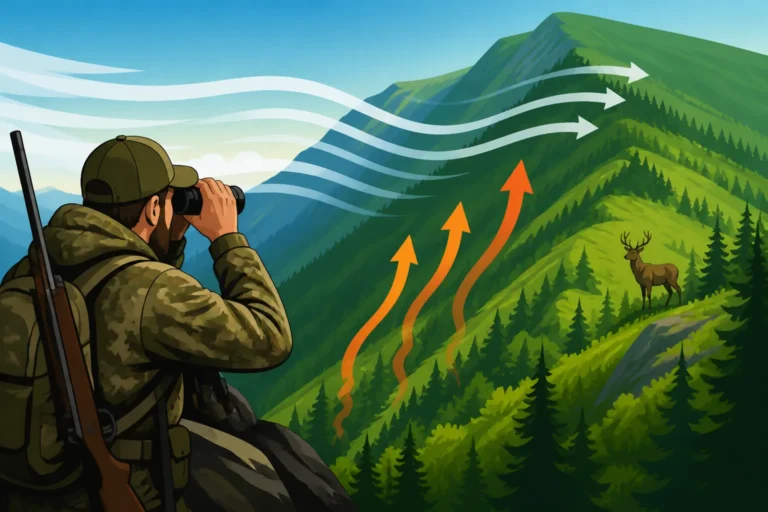
Understanding how turkeys use the landscape is critical when deciding where to set up after a flush. Fall flocks frequently travel along ridge lines, across saddles, and through creek bottoms, especially where food sources like mast crops are abundant. After you scatter a flock, try to position yourself in a natural travel corridor or a relatively open area where turkeys might attempt to regroup. A slight rise in elevation, a logging road, or the edge of a field can all be prime locations. Consider the sun's position and prevailing wind direction to minimize your scent and maximize your visibility.
If you're hunting in the Green Mountains, for instance, a high-elevation bench or a saddle between two ridges could be an ideal spot where turkeys would instinctively meet up. In the Champlain Valley, field edges adjacent to dense woodlots are classic ambush points. You'll want good back cover to break up your silhouette, but clear shooting lanes in front of you. Sometimes, placing a single hen decoy 15-20 yards out can provide an added visual reassurance for approaching birds, especially if you're not getting aggressive vocalizations. The key is to think like a turkey: where would you go to find your lost family? You can gain deeper insight into optimal habitat by exploring resources such as Vermont's Statewide Versus Limited Fall Turkey WMUs, which outlines specific areas and their unique characteristics.
Essential Gear for Fall Turkey Hunting
While you don't need a massive amount of specialized gear, a few key items can significantly increase your comfort and success in the fall woods. First and foremost, good camouflage is essential. Whether you prefer a realistic pattern like Mossy Oak or Realtree, or a more generalized woodland pattern, make sure it blends with the late-season foliage. Layers are also critical in Vermont, where fall weather can be unpredictable. You might start a morning hunt in freezing temperatures only to have it warm up significantly by midday. Think about moisture-wicking base layers, an insulating mid-layer, and a quiet, waterproof outer shell.
Comfortable, sturdy boots are a must, especially if you plan on covering significant ground while "Working a Fall Flock Apart Statewide With a Bow" or scouting. You'll be walking through varied terrain, from damp leaf litter to rocky slopes, so good ankle support and waterproofing are key. A reliable slate call, box call, or diaphragm call is your primary tool, so practice your assembly yelps and lost calls before the season. A good pair of binoculars can help you spot incoming birds before they spot you, and a solid shotgun with a tight choke and appropriate loads (like Winchester or Federal premium turkey loads) is, of course, non-negotiable for shotgun-legal WMUs. Finally, always carry a small first-aid kit, a headlamp, and let someone know your hunting plan, especially if you're venturing into remote public land. Having a mapping app like GoHunt can also be invaluable for navigating and marking locations of flushed flocks or prime habitat features.
Staying Legal and Ethical in Vermont
It's absolutely essential to remember that even with the best techniques, ethical hunting and adherence to Vermont's regulations are paramount. Always know your target, ensure you have a clear shot, and understand the specific rules for the area you're hunting.
Make sure you've obtained your Vermont Fall Turkey Permit Rules, which dictate bag limits and season dates. Always confirm you are in a WMU that allows the legal method you are using, whether that's archery or shotgun. Respect private land boundaries, and if you're hunting on private property, always secure permission beforehand. The future of hunting depends on all of us being responsible and ethical practitioners of our sport.
Disclaimer
Please note that hunting regulations and season dates can change. Always consult the most current Vermont Fish & Wildlife Department regulations before planning any hunting activity. This guide is for informational purposes only and does not supersede official state regulations.