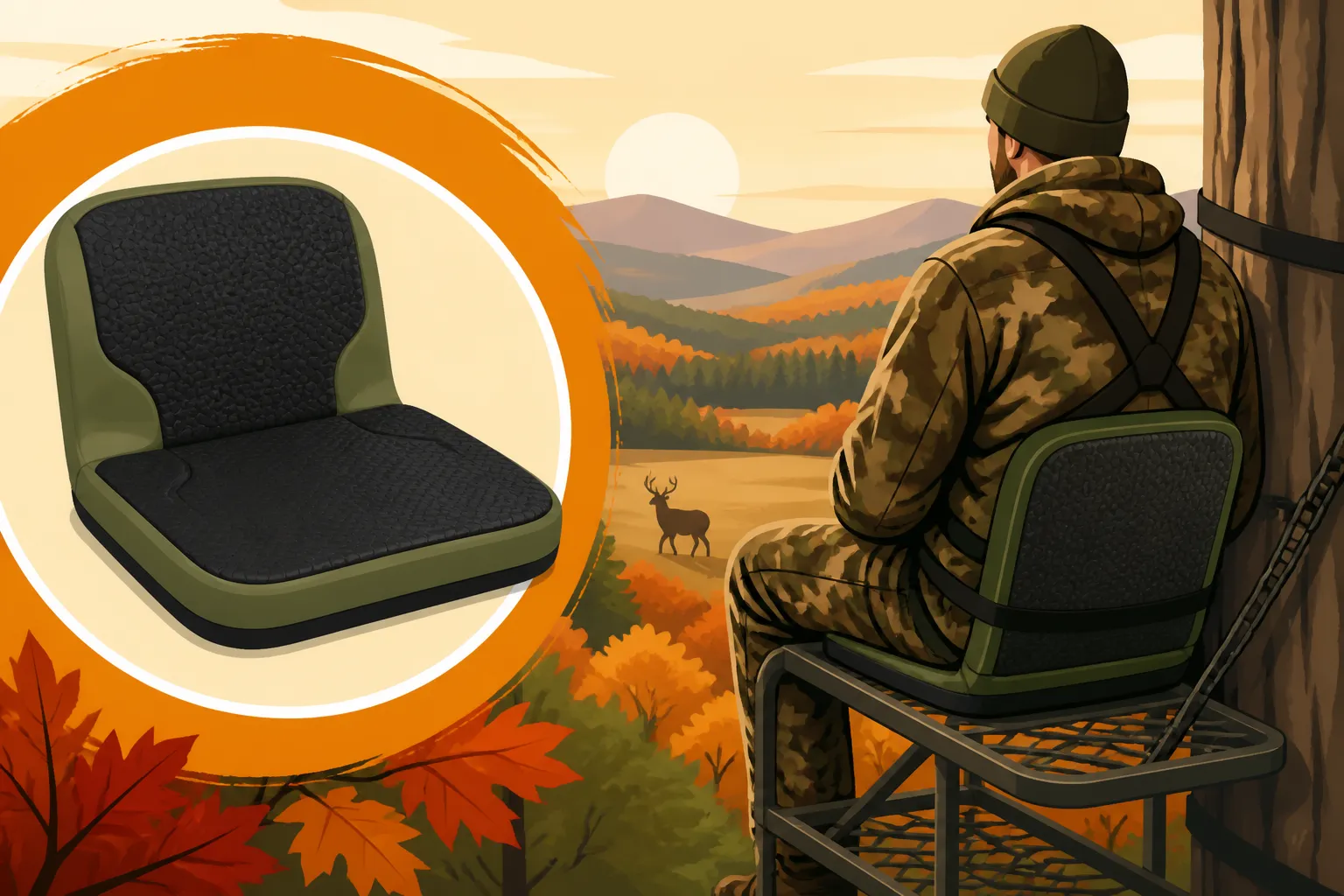
Best Seat Cushion for a Long Treestand Sit
We've all been there: nestled high in a treestand, the pre-dawn chill clinging to everything, that initial excitement slowly giving way to a creeping discomfort in your backside. As the hours tick by, especially during those long, cold Vermont hunting days, a numb or aching rear can make even the most promising sit unbearable, forcing you to shift, stand, or worse, pack up early. This guide is all about preventing that very scenario, helping you find the perfect seat cushion to ensure comfort and focus from first light to last, no matter how long you plan to stay out in the woods.
The Unsung Hero: Why a Good Seat Cushion is Essential for Vermont Hunters
Hunting in Vermont is a special kind of experience. From the crisp, damp air of early archery season to the deep freezes of late muzzleloader hunts, our weather can be fickle. And let's be honest, those treestand platforms, whether they're lightweight climbers or sturdy ladder stands, weren't exactly designed with ergonomic comfort in mind. A thin, hard piece of plywood or mesh just won't cut it when you're committed to an all-day sit.
Battling the Elements: Cold, Dampness, and Numbness
One of the biggest adversaries for any treestand hunter, especially here in Vermont, is the cold. It seeps into your bones, and a hard, uninsulated seat acts like a direct conduit for that cold to travel right up through your body. Imagine sitting on a metal stand in late November; it's a quick recipe for hypothermia and misery. A quality seat cushion provides a crucial thermal barrier, insulating you from the frigid metal or damp wood of your stand. This isn't just about comfort; it's about safety and extending your effective hunting time. That extra layer can be the difference between a productive morning sit and calling it quits before noon because your backside is too numb to bear.
Dampness is another common culprit. Early morning dew, a light drizzle, or even condensation from your own body heat can leave a standard seat feeling clammy and cold. A good cushion, especially one with water-resistant properties, keeps that moisture from reaching you, ensuring you stay dry and, consequently, warmer. Nothing breaks your concentration faster than a perpetually wet backside, and in the Green Mountains, damp conditions are more often the rule than the exception.
Enhancing Stealth and Focus for Wary Vermont Whitetails
Let's talk about stealth. When you're uncomfortable, you fidget. You shift your weight, adjust your posture, and inevitably, you make noise. Every creak of your stand, every rustle of your clothing from movement, can be picked up by the incredibly sharp senses of a Vermont whitetail. A thick, supportive seat cushion minimizes the need for these movements, allowing you to remain still and silent for much longer periods. It cradles you, distributing your weight evenly, reducing pressure points that would otherwise demand relief. This enhanced comfort directly translates to improved patience and focus, which are absolutely critical when you're waiting for that buck to step out of the thick cover along a logging road or come cruising through a Ridge-Top Saddle for Rutting Bucks. Your ability to sit motionless for extended periods directly impacts your success, and a good cushion is a silent partner in that endeavor.
Moreover, when your body is comfortable, your mind is free to focus on the hunt. Instead of constantly thinking about how cold or sore you are, you can pay closer attention to the sounds of the forest, the subtle movements in the distant timber, and the wind swirling through the trees. That mental clarity is invaluable, allowing you to react quickly and effectively when an opportunity finally presents itself. Without that constant distraction of discomfort, your chances of spotting and drawing on a wary deer increase dramatically.
Key Features to Look for in a Treestand Seat Cushion
Choosing the right seat cushion isn't as simple as grabbing the first padded option you see. There are several critical features to consider that will significantly impact your comfort, durability, and ultimately, your hunting success in Vermont's diverse landscapes.
Material and Construction: The Foundation of Comfort
The material your cushion is made from dictates its comfort, insulation properties, and how well it stands up to the rigors of the hunt.
- Foam Density: This is paramount. A flimsy, low-density foam will compress almost immediately, offering little to no real padding or insulation. Look for high-density, closed-cell foam. Closed-cell foam doesn't absorb water, which is a huge advantage in damp Vermont conditions, and it provides superior insulation. Think of materials like high-quality EVA foam or specialized hunting foams designed to retain their shape and provide support. For truly long sits, especially during Hunting Into the December Muzzleloader Close, you want something substantial that won't flatten out after an hour.
- Gel Inserts: Some cushions incorporate gel packs, often combined with foam. Gel is excellent at distributing weight and conforming to your body, reducing pressure points. However, gel can get quite cold in freezing temperatures, so if you're hunting late season, ensure the overall construction provides adequate insulation around the gel. The downside is often added weight and a higher cost, but for some, the pressure relief is worth it.
- Air Chambers: A less common but effective option uses adjustable air chambers. These allow you to customize the firmness and support, which can be great for personalizing comfort. The main drawbacks are the potential for punctures and the subtle noise some air-filled cushions can make when shifting weight, which, as we discussed, is a no-go for stealth.
Beyond the core material, consider the outer shell. Durability is key; a thin fabric will tear on abrasive treestand platforms or snag on branches as you pack in. Look for rugged, quiet materials like heavy-duty Cordura or brushed polyester. A non-slip bottom is also a huge plus, preventing your cushion from sliding around on the stand, which can be both annoying and dangerous.
Portability and Attachment Mechanisms
You've got enough gear to haul in and out of the Vermont woods, so your seat cushion shouldn't add unnecessary bulk or weight.
- Weight and Packability: If you're Still-Hunting Green Mountain National Forest Timber or carrying a climbing stand deep into public land, every ounce counts. Lighter, more compact cushions are preferable for mobile hunters. Some cushions fold or roll up, making them easier to stash in your pack. Consider how it integrates with your existing gear. Will it strap to the outside of your pack, or does it need to fit inside? If you're using an app like GoHunt to scout remote public land areas, you'll be covering ground, and a lightweight, packable cushion becomes non-negotiable.
- Attachment: How does the cushion secure to your stand? Velcro straps, buckle straps, or bungee cords are common. You want a system that's secure, quiet, and easy to use, especially with cold fingers or in the dark. A cushion that constantly shifts or falls off is a major hassle. Some hunters even prefer cushions that are permanently integrated into their treestand seats, or ones that can be quickly removed for packing but offer a rock-solid attachment when in use. A good attachment system means less fiddling and more focusing on the hunt.
Noise, Durability, and Weather Resistance
These factors ensure your cushion lasts and performs effectively throughout the season.
- Noise: This cannot be stressed enough. A cushion that crinkles, squeaks, or makes any perceptible noise when you shift your weight is completely unacceptable for hunting. Test it out before you commit. Brush against it, sit on it, stand up and sit down. Listen carefully. The quietest materials are often felted, brushed, or tightly woven fabrics over dense foam.
- Durability: Vermont hunting can be tough on gear. Your cushion will be exposed to rough bark, sharp branches, rain, snow, and mud. Look for reinforced stitching, heavy-duty zippers (if it has a removable cover), and tear-resistant fabrics. A cushion is an investment in your comfort and concentration, so it should be built to last more than one season.
- Weather Resistance: A truly water-resistant or waterproof outer shell is a huge bonus. Even if the foam itself is closed-cell and doesn't absorb water, a wet cover can still make for an unpleasant sit. Many cushions feature a DWR (Durable Water Repellent) coating or a waterproof membrane. Make sure any seams are sealed or minimized. This feature is particularly valuable during damp fall mornings or when hunting after a fresh snow, keeping you dry and warm from the ground up.
Types of Seat Cushions for Vermont Hunters
Just like there are different types of treestands and hunting styles, there are various seat cushion designs, each with its own set of advantages and considerations for the Vermont hunter.
Foam Cushions: The Versatile Workhorse
Foam cushions are by far the most common type you'll encounter, and for good reason. They offer a great balance of comfort, insulation, and affordability.
- Closed-Cell Foam: This is your best friend in Vermont. Closed-cell foam (like EVA foam) does not absorb water, making it ideal for damp or wet conditions. It also provides excellent insulation, acting as a barrier against cold metal stands. These cushions are often lightweight and very durable. They come in various thicknesses and densities; a thicker, denser pad will provide more comfort and insulation for longer sits. Many portable hunting cushions designed to be strapped to trees are made from high-density closed-cell foam. While they might not offer the plush comfort of memory foam, their practicality in all weather conditions makes them a top choice for the mobile hunter who values reliability and ease of use. If you're always on the move, scouting new areas with GoHunt and then packing in light, a good closed-cell foam cushion is a solid choice.
- Open-Cell Foam / Memory Foam: These offer superior comfort and pressure relief compared to closed-cell options. Memory foam, in particular, conforms to your body, providing a custom-fit feel. However, open-cell foams will absorb water like a sponge, which is a major drawback in our often damp Vermont woods. If you opt for an open-cell or memory foam cushion, ensure it has a robust, genuinely waterproof cover that won't compromise in a downpour or heavy dew. They tend to be heavier and can lose some insulation value when compressed for long periods. These might be better suited for permanent stands or very dry weather conditions where maximum comfort is the priority, rather than a versatile, all-weather solution.
Gel and Air Cushions: Specialized Comfort Options
For hunters seeking a different level of comfort or adjustability, gel and air-filled cushions offer alternative solutions.
- Gel Cushions: These usually consist of a foam base with a layer or pockets of gel. The gel excels at distributing weight evenly, virtually eliminating pressure points and providing a very soft, conforming feel. This can be a godsend for hunters with back issues or those who truly struggle with numbness during marathon sits. However, gel adds significant weight to a cushion, and it can also get very cold in freezing temperatures, becoming quite firm and losing its pliability. If you choose a gel cushion for Vermont's colder seasons, ensure it has ample insulation layers surrounding the gel to mitigate the cold transfer. They tend to be on the pricier side but can be worth the investment for hunters prioritizing extreme comfort.
- Air Cushions / Inflatable Cushions: These cushions feature one or more air bladders that you inflate to your desired firmness. This adjustability is their greatest strength, allowing you to tailor the support to your exact preferences. Many are designed to be quite lightweight and pack down very small when deflated, making them excellent for backpacking hunters or those who need to conserve space in their pack for other gear when going deep into the Northeast Kingdom's vast timber. The downsides include the risk of punctures, which can render them useless, and the potential for squeaking or rustling noises as air shifts or the material rubs, especially when cold. Some hunters find the sensation of sitting on air unsettling or unstable. For hunters who are meticulous about their gear and are willing to take precautions against punctures, an air cushion can provide unparalleled customizable comfort.
| Cushion Type | Pros | Cons | Best For |
|---|---|---|---|
| Closed-Cell Foam | Waterproof, excellent insulation, lightweight, durable, quiet | Less plush comfort than memory foam or gel | All-weather hunting, mobile hunters, cold weather, packing light |
| Open-Cell/Memory Foam | Superior comfort, molds to body, good pressure relief | Absorbs water (unless fully waterproofed), heavier, less insulating when compressed | Permanent stands, dry weather, ultimate comfort where portability isn't key |
| Gel Cushions | Excellent pressure distribution, very comfortable | Heavy, can get very cold, more expensive | Hunters with back/hip pain, fixed stands, moderate temperatures |
| Air/Inflatable | Highly adjustable firmness, very lightweight and packable | Risk of punctures, can be noisy, some find unstable | Backpacking hunters, customizable comfort, warm to moderate weather |
Making the Right Choice for Your Vermont Hunting Style
Selecting the best seat cushion isn't a one-size-fits-all decision. Your ideal cushion will depend heavily on your specific hunting style, the type of treestand you use, and the conditions you typically face in the Vermont woods.
Matching the Cushion to Your Treestand Type
Different treestands demand different cushion features.
- Climbing Stands: If you're a run-and-gun hunter using a climbing stand, portability is paramount. You need a cushion that is lightweight, folds or rolls easily, and ideally attaches securely to your stand as you climb, or quickly goes into your pack. A durable, closed-cell foam cushion that won't absorb water is often the best choice for these scenarios, allowing you to quickly set up and move without fuss. Look for simple, robust strap systems. When you're constantly on the move, trying to pinpoint fresh sign or Reading a Green Mountain Deer Yard, a cumbersome cushion will just slow you down.
- Ladder Stands and Fixed Stands: For ladder stands or other fixed stands that you leave in the woods for extended periods, weight and packability become less critical. Here, you can prioritize maximum comfort and insulation. A thicker open-cell foam with a heavy-duty waterproof cover, or even a gel-infused option, might be ideal. You'll want a cushion that can withstand continuous exposure to the elements if left out, or one that's easy to remove and put back on for each hunt. Secure attachment is still important to prevent theft or animals from carrying it off. If you're hunting the same Champlain Valley Dairy Farm Edge week after week, you can afford to invest in a more substantial and comfortable option.
- Hang-On Stands: Hang-on stands fall somewhere in the middle. Many hang-on stands come with decent cushions, but often they are thin and inadequate for really cold weather or long sits. You might consider supplementing the existing cushion with a thinner, high-density foam pad for added insulation and comfort, or replacing it entirely with a more robust option. The attachment method is key here, as you'll be hanging the stand and then often attaching the cushion, so it needs to be secure and quiet.
Considering Weather Conditions and Sit Duration
Vermont's weather can be unpredictable, and the length of your sit profoundly impacts your cushion needs.
- Cold Weather and Long Sits: If you plan on doing those all-day sits in November or December during Muzzleloader Deer Hunting in Vermont, especially in the frigid Northeast Kingdom, insulation is your number one priority. A thick, closed-cell foam or a well-insulated gel cushion will be your best friend. Look for cushions specifically marketed for extreme cold, often with multiple layers of different materials to maximize thermal retention. Comfort is also crucial, as even a small pressure point can become excruciating over 8+ hours. In such conditions, consider doubling up on thinner closed-cell pads if needed, or choosing one that integrates well with your Cold-Weather Sitting Strategy in the Northeast Kingdom by offering superior warmth.
- Mild Weather and Shorter Sits: For warmer early season archery hunts or shorter evening sits, comfort might outweigh extreme insulation. A moderately thick, high-density foam cushion might be perfectly adequate. Water resistance is still important due to dew and occasional rain, but the focus shifts slightly more towards pure ergonomic support. You might also consider slightly less bulky options if you're frequently moving your stand or still-hunting, as seen in early Bowhunting Vermont's Expanded Archery Season.
- All-Season Versatility: If you want one cushion to rule them all, look for a thick, closed-cell foam cushion with a durable, quiet, and waterproof outer shell. This combination offers good insulation, doesn't absorb water, and provides reasonable comfort for most situations. While it might not be the absolute warmest for deep winter or the softest for sensitive backs, it’s a reliable all-rounder that will perform admirably from September through December. When you're using resources like GoHunt to analyze land features and plan multi-season strategies, having versatile gear that adapts to different conditions is invaluable.
Ultimately, the best seat cushion for you is one that allows you to sit comfortably and silently for as long as it takes to get the job done, without thinking about your rear end. It's an investment in patience, stealth, and ultimately, success in the Vermont woods.
Disclaimer
This article is for general informational purposes only and does not constitute professional advice. Laws, prices and regulations vary by location and change over time. Consult a qualified professional for guidance on your specific situation.