Best Thermos for a Cold Morning Hunt
There’s nothing quite like that first bite of cold, crisp air on a Vermont morning, whether you’re easing into a treestand before dawn or still-hunting through frosted hardwoods. But let’s be real, that invigorating chill can quickly turn into a numbing cold that saps your focus and makes an otherwise perfect hunt miserable. This guide is all about one of the simplest, yet most powerful, pieces of gear you can carry: a reliable thermos, ensuring you have a source of warmth that truly lasts from the truck to your stand and beyond.
Why a Good Thermos is Non-Negotiable on a Vermont Hunt
The Green Mountains, while breathtakingly beautiful, don't mess around when it comes to temperature. You could start your morning walk in near-freezing conditions, and if you’re sitting motionless for hours, that cold seeps right into your bones. A good thermos isn't just a nice-to-have; it's a vital piece of kit that impacts your comfort, concentration, and even safety.
Battling the Green Mountain Chill
Imagine this: You've hiked in well before first light, hung your stand, and now you're settled in, watching the eastern sky slowly brighten. Your breath is fogging, your fingers are a little stiff despite good gloves, and the dampness of the pre-dawn air seems to cling to everything. This is prime time for a buck to move, but if your mind is consumed by how cold you are, you’re missing crucial details. That constant shiver can make it harder to draw your bow smoothly or line up a shot.
A thermos filled with steaming hot coffee or broth provides an internal warmth that radiates outwards, helping to re-establish your core temperature. It’s a simple pleasure, but a profound one. It helps you stay out longer, remain more alert, and genuinely enjoy the experience, even when the thermometer dips into the single digits. This is especially true for those late-season sits when the cold can be relentless. You need every advantage you can get to endure those long hours, and internal warmth is a big one. Cold-Weather Sitting Strategy in the Northeast Kingdom is a great resource if you're looking for more ways to combat the chill.
The Mental Edge of a Hot Drink
Beyond the purely physical benefits, there's a significant psychological boost that comes with a hot drink on a cold morning. It's a small ritual, a moment of comfort and normalcy in the sometimes harsh environment of the wilderness. That steaming cup in your hands can be a mental reset button. Maybe you've been sitting for three hours, and the deer just aren't moving. Frustration starts to creep in, or your mind begins to wander.
Taking a few sips of hot coffee or tea can help you re-center, clear your head, and bring your focus back to the task at hand. It reminds you why you’re out there, connecting with nature, patiently waiting. It’s a moment of quiet reflection that can refresh your resolve and patience, allowing you to stay sharp and vigilant. It’s a small luxury that pays huge dividends in maintaining a positive mindset through tough conditions.
More Than Just Coffee: Hydration and Sustenance
While coffee is often the go-to, a thermos opens up a world of other options that provide both hydration and crucial calories when you're out in the field. Think about hot herbal tea, which can soothe a sore throat or just provide comforting warmth without the jitters of caffeine. Even better, consider a rich, savory broth or a hearty soup. These liquids pack a caloric punch, providing much-needed energy to keep your body burning fuel and generating its own heat.
On a long day of still-hunting through the mountains, maintaining proper hydration is critical, even in cold weather. Many hunters forget this, thinking they only need water when it's hot. But your body still expends significant energy and loses fluids, particularly if you’re layered up and sweating from the hike in. A thermos of warm liquid helps with this, preventing dehydration that can lead to fatigue and impaired judgment. Plus, a hot, nourishing soup can feel like a full meal, helping you push through until you can get back to camp for something more substantial.
Key Features to Look for in a Hunting Thermos
Choosing the right thermos isn't about picking the prettiest one; it's about finding a workhorse that will stand up to the rigors of a Vermont hunting season and deliver when it matters most. There are several critical features to consider that will make or break your experience.
Insulation Power: Vacuum-Sealed Excellence
The heart of any good thermos is its insulation. You’re looking for a design that uses vacuum insulation, which essentially means there’s a vacuum chamber between two walls of stainless steel. This vacuum prevents heat transfer by conduction and convection, keeping hot liquids hot and cold liquids cold for extended periods. The best thermoses will boast double-wall, 18/8 food-grade stainless steel construction. This material is incredibly durable and won't leach flavors.
When evaluating insulation, check the manufacturer's claims for temperature retention. Many reputable brands will state how long a liquid will stay hot (e.g., 12, 24, or even 36 hours). For a typical morning hunt, anything that holds heat for at least 12-18 hours will generally get you through. For all-day sits or multi-day backcountry excursions, you'll want something on the higher end of that scale. Remember, pre-heating your thermos is a critical step to maximize its performance, but more on that later.
Durability for the Vermont Backcountry
Vermont hunting isn't a walk in the park; your gear gets put through its paces. Your thermos needs to be able to take a beating. It will be tossed into a pack alongside rattling antlers, maybe dropped from a treestand (hopefully not!), or bang against rocks as you climb a steep ravine. Look for robust construction, primarily heavy-gauge stainless steel. This material resists dents, dings, and rust.
Consider the base: a wider, more stable base is less likely to tip over when you set it down on uneven ground or a treestand platform. The cap and stopper are equally important. They need to be made of high-quality, impact-resistant materials that won't crack under stress or develop leaks after repeated use. A poorly sealed cap means lost heat and a wet pack—neither of which you want. You want something that feels solid in your hand, not flimsy.
Size, Capacity, and Portability
Thermos capacity is a trade-off between how much liquid you want to carry and how much weight and space you're willing to dedicate in your pack. Capacities typically range from smaller 16-ounce options (perfect for a solo hunter on a shorter sit) up to large 2-liter behemoths (great for sharing with buddies on a deer drive or for an all-day late-season sit).
Consider your typical hunt:
- Solo Hunter, Short Sit (2-4 hours): A 16-24 ounce thermos might be sufficient. It's lighter and takes up less space.
- Solo Hunter, All-Day Sit (6-10+ hours): You'll likely want something in the 32-48 ounce range to ensure you have enough warm liquid to last.
- Group Hunt or Multi-Day Trip: A 64-ounce (2-liter) thermos can be a game-changer, allowing you to share the warmth.
Also, think about how you'll carry it. Some larger thermoses come with integrated handles or even shoulder straps, which can be a real benefit. For smaller ones, ensure they fit comfortably in a side pocket of your pack. When planning pack weight and space, it's often helpful to use resources like those on GoHunt to compare gear profiles and plan for the specific terrain and duration of your hunt.
| Feature | Description | Benefit for Hunters |
|---|---|---|
| Insulation | Double-wall, vacuum-sealed stainless steel | Keeps liquids hot (or cold) for 12-36+ hours, preventing heat loss. |
| Durability | 18/8 food-grade stainless steel, robust cap | Withstands bumps, drops, and rough handling in the field. |
| Capacity | Ranging from 16 oz (0.5L) to 64 oz (2L+) | Choose based on hunt duration and number of users; balances weight/volume. |
| Lid/Stopper | Leak-proof seal, often doubles as a cup, glove-friendly pour mechanism | Prevents spills, provides drinking vessel, easy to use in cold. |
| Portability | Integrated handle, ergonomic design, fits in pack | Easy to carry and access, especially important for long treks. |
| Cleaning | Wide mouth opening, simple stopper design | Easier to clean thoroughly, preventing odors and residue build-up. |
Lid Design and Ease of Use in Cold
This is often an overlooked feature but becomes incredibly important when your fingers are numb from the cold or you’re wearing heavy gloves. A thermos with a complex lid system will quickly become frustrating.
Look for:
- Pouring Mechanism: Many thermoses feature a push-button stopper or a twist-and-pour design that allows you to dispense liquid without fully removing the stopper. This minimizes heat loss and is much easier to operate with cold hands.
- Cup Functionality: A lid that doubles as a sturdy cup is a huge plus. It means one less item to carry and ensures you always have a way to drink your hot beverage. Ensure the cup is insulated enough to hold hot liquid without burning your hands.
- Leak-Proof Seal: This is non-negotiable. The last thing you want is hot liquid seeping into your pack, soaking your extra layers or electronics. Test it at home by filling it with water and turning it upside down. A reliable, tight seal is paramount.
Top Contenders for Your Vermont Hunting Pack
When you're out there on a crisp Vermont morning, the last thing you want to worry about is your gear failing. Thankfully, there are many excellent thermoses on the market, each with its own strengths.
The Battle-Tested Classics
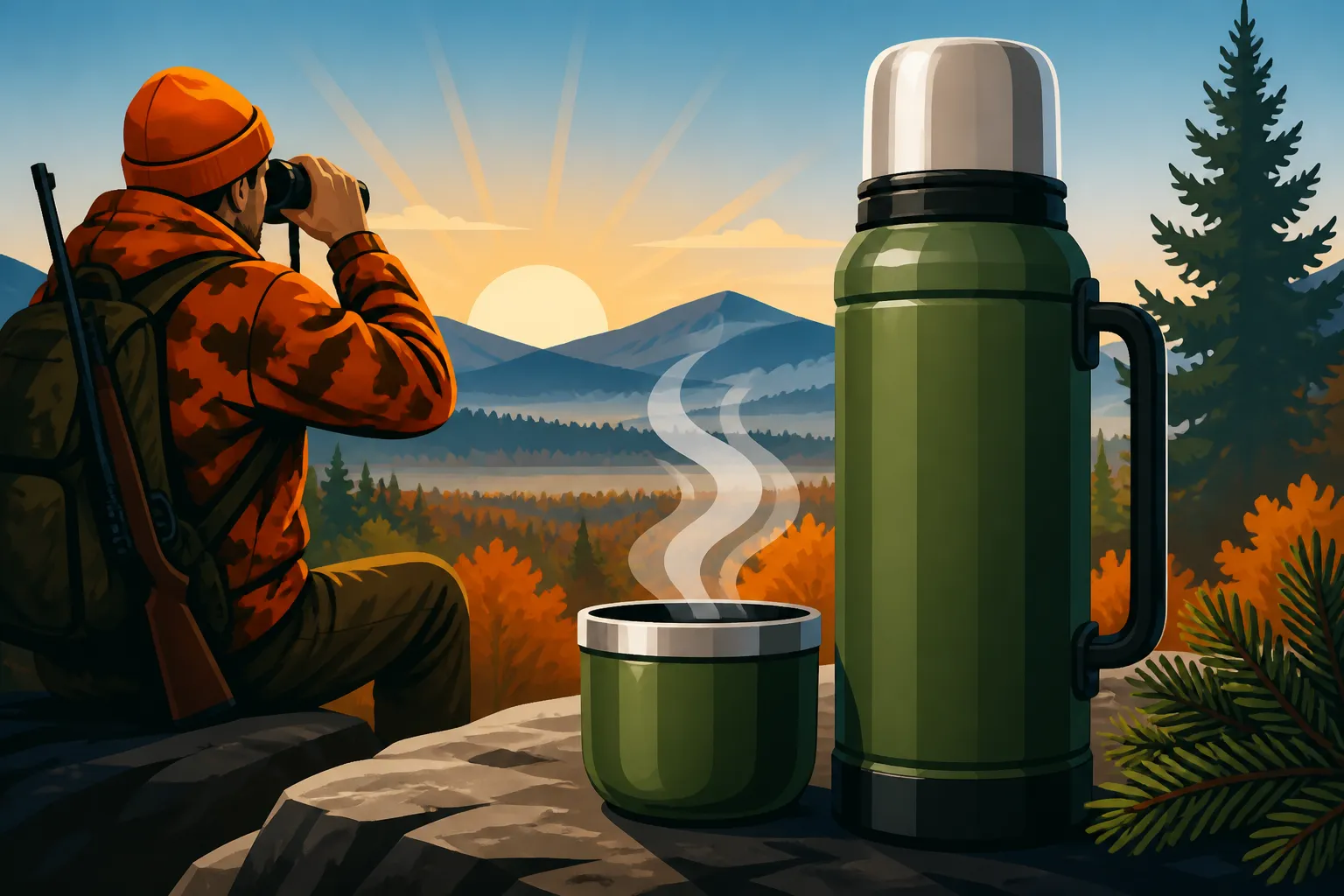
When hunters talk about thermoses, certain names immediately come to mind – brands known for their legendary green bottles that have been accompanying hunters, anglers, and laborers for generations. These classics have earned their reputation for a reason: they are built like tanks and designed for extreme temperature retention. They might not be the lightest option, but what they lack in sleekness, they make up for in sheer dependability.
These thermoses are typically characterized by their rugged, heavy-gauge stainless steel construction and robust, no-nonsense designs. They feature vacuum insulation that can keep liquids piping hot for upwards of 24 hours, sometimes even longer, depending on the conditions and how well you pre-heat them. The lids often double as stout, easy-to-handle cups, and the pouring mechanisms are usually simple twist-and-pour or push-button designs that work reliably even with gloved hands. If you prioritize absolute reliability and don't mind a bit of extra weight for unparalleled performance in the coldest conditions, a classic heavy-duty thermos is a solid choice. Many seasoned Vermont hunters swear by them for Hunting the Rut in Early-to-Mid November when sitting still can be brutal.
Modern Innovations and Lightweight Options
While the classics are fantastic, the world of outdoor gear is always evolving. Newer designs and brands have entered the market, often focusing on making thermoses more lightweight, compact, and feature-rich without sacrificing too much performance. These modern options might incorporate thinner yet still highly insulated walls, more ergonomic designs, or innovative pouring spouts.
You'll find options that are ideal for specific scenarios, such as ultralight models for backcountry hunts where every ounce counts, or more compact versions that slip easily into a smaller day pack. While they might not boast the same 36-hour heat retention as some of the heavier classics, many still deliver excellent performance, keeping liquids hot for 12-18 hours—more than enough for most day hunts. For hunters who are constantly on the move, perhaps Still-Hunting Green Mountain National Forest Timber or covering significant ground, these lighter options can make a noticeable difference in overall pack weight and comfort.
Considering Your Specific Hunt
Ultimately, the "best" thermos depends on your specific hunting style and the conditions you face. There's no one-size-fits-all answer, so take a moment to consider how you typically hunt in Vermont.
- Solo Treestand Hunter: If you’re often alone in a treestand for hours, a mid-sized (24-32 ounce) thermos with excellent insulation and a quiet pouring mechanism might be ideal. You want enough liquid to last, but not so much weight that it's cumbersome to hoist into your stand.
- Deer Drives with Friends: For a group hunt where you might be sharing, a larger 48-64 ounce thermos is perfect. It can keep several hunters warm and energized during breaks between drives.
- Early Season vs. Late Season: In the milder early archery season, you might get away with a smaller, lighter thermos for a few hours. But come December, for Hunting Into the December Muzzleloader Close, you'll want the absolute best insulation you can get to combat truly frigid temperatures.
- Accessing Information: Before making a purchase, it's worth checking out various online hunting communities. Many platforms, including resources like GoHunt, offer gear reviews and discussions where fellow hunters share their experiences with different thermoses in real-world conditions. Tapping into that collective knowledge can save you from buyer's remorse and help you find a thermos that truly fits your needs for the Green Mountain State.
Maintenance and Best Practices for Longevity
Even the best thermos won't perform optimally or last long if you don't treat it right. A little care goes a long way in ensuring your thermos is always ready to keep you warm when you need it most.
Pre-Heating for Peak Performance
This is a step that many hunters overlook, but it's absolutely crucial for maximizing your thermos's heat retention. Before you fill your thermos with your hot beverage of choice, first fill it with boiling water. Put the lid on and let it sit for 5-10 minutes. This pre-heats the inner walls of the thermos to the same temperature as your drink, preventing the hot liquid from losing initial heat to a cold container.
After 5-10 minutes, simply dump out the hot water and immediately fill your thermos with your coffee, tea, or soup. You'll be amazed at how much longer your drink stays piping hot. This simple trick can extend the effective heat retention by several hours, making a significant difference on those truly frigid mornings.
Cleaning and Storage Tips
Proper cleaning isn't just about hygiene; it's about maintaining the integrity of your thermos's insulation and preventing odors.
- After Every Use: Rinse your thermos thoroughly with hot, soapy water. Use a bottle brush to ensure you get into all the nooks and crannies, especially if you've had broth or soup inside.
- Deep Clean: Periodically, you might want to use a mixture of baking soda and warm water to scrub out any lingering odors or stains. For really tough stains, a denture cleaning tablet dissolved in hot water and left overnight can work wonders.
- Drying: This is critical. After washing, ensure your thermos is completely dry before storing it. Store it with the lid ajar or off to allow for air circulation. This prevents the buildup of stale odors and, more importantly, keeps mold and mildew from growing inside. A musty thermos is no fun to drink from!
Troubleshooting Common Thermos Issues
Even the best thermoses can sometimes run into issues. Knowing how to troubleshoot can save you from having to buy a new one or, worse, being stuck with a cold drink on a frigid hunt.
- Lost Heat Retention: If your thermos isn't keeping drinks hot like it used to, the vacuum seal might be compromised. This can happen from a hard drop or manufacturing defect. Unfortunately, a broken vacuum seal is usually irreversible.
- Leaking Seals: Check the rubber gaskets on your stopper and lid. Over time, these can dry out, crack, or become compressed. Many manufacturers offer replacement gaskets, which are an inexpensive fix. Ensure they are properly seated.
- Stuck Lids: If your lid is difficult to open, especially after a long period of use, it might be due to dried liquid or a sticky seal. A good cleaning is often the solution. If it's really stubborn, try running hot water over the lid for a few minutes to expand it slightly, then twist.
- Odor Buildup: As mentioned, baking soda or denture tablets are your friends here. If you're encountering persistent odors, it means there's residue you haven't fully cleaned out.
- External Sweating: If your thermos sweats on the outside when filled with hot liquid, it's another sign that the vacuum seal has likely failed. The outer wall is getting hot because heat is transferring through.
When planning your gear, you can even check various forums on platforms like GoHunt for specific troubleshooting tips for popular thermos brands, as many hunters have faced similar challenges and shared their solutions. Keeping your thermos in top shape ensures it's always ready to provide that much-needed warmth for your Vermont hunting adventures.
Disclaimer
This article is for general informational purposes only and does not constitute professional advice. Laws, prices and regulations vary by location and change over time. Consult a qualified professional for guidance on your specific situation.