Finding Access Near Rutland
Finding solid hunting ground near a populated area like Rutland, Vermont, can feel like a real challenge. You’re not out in the deep woods of the Northeast Kingdom, where public land is sprawling and deer sign is everywhere you look. Instead, you're dealing with a mix of residential areas, working farms, and smaller woodlots, all potentially leading to more hunting pressure or "No Trespassing" signs. This guide is here to cut through that frustration and show you how to effectively identify and access prime hunting opportunities, both public and private, within a manageable drive of Rutland.
Understanding Rutland's Unique Hunting Landscape
When you look at a map of Rutland and its surrounding areas, you might first feel a bit overwhelmed. It's not a vast, unbroken wilderness, and that's okay. Understanding the specific characteristics of this region is your first step to unlocking its hunting potential. The landscape here presents a blend of opportunities that, while different from other parts of Vermont, are incredibly productive if you know how to navigate them.
The Mix of Urban, Suburban, and Rural
Rutland itself is a small city, but its immediate periphery quickly transitions through suburban sprawl into a patchwork of rural landscapes. This creates a mosaic where you might have housing developments backing up to active farmlands, which then border small, fragmented woodlots or larger tracts of timber. The challenge here is the proximity of people and their homes, which often means smaller huntable parcels and the need for extra vigilance regarding safety zones and property lines. You’re not just hunting for deer or turkeys; you're also hunting for space and respectful coexistence. It means that while the core of Rutland isn't huntable, the surrounding towns and townships offer some surprisingly good spots, often tucked away in unexpected places. The key is to shift your mindset from expecting vast, untouched wilderness to appreciating and maximizing smaller, often overlooked pockets of habitat.
This blend also means increased recreational use in some public areas, especially closer to town. Hikers, mountain bikers, and dog walkers might be out during hunting season, particularly on weekends. Being aware of this human element is crucial for safety and for choosing hunting times and locations where you can minimize encounters. Mid-week hunts or targeting harder-to-reach sections of public land can often yield a more solitary and productive experience. It's a different kind of scouting, one that involves not just game sign but also human activity patterns.
Public Land Opportunities within a Short Drive
Despite the mixed landscape, Rutland is actually quite well-situated for accessing various types of public hunting land within a reasonable drive. We're not talking about a full day's journey, but rather an hour or less in many cases. This includes Wildlife Management Areas (WMAs) specifically managed for game, state forests, and even portions of the sprawling Green Mountain National Forest. These areas offer a consistent, reliable option for hunters who may not have private land access. They provide a diverse range of habitats, from dense softwood thickets and mature hardwoods to wetlands and open fields, supporting a healthy population of white-tailed deer, wild turkeys, and various small game.
The beauty of these public lands is their accessibility. While they may experience more pressure than private tracts, they offer guaranteed entry. The trick is to learn how to hunt them effectively – which usually means walking further, finding overlooked corners, or adapting your strategy to conditions. The Vermont Fish and Wildlife Department does a commendable job managing these parcels, often implementing habitat improvements that benefit game species. Knowing where these gems are located and understanding how to best utilize them is fundamental for any hunter based in or near Rutland. From a quick morning hunt before work to a full day's excursion, these public areas are a backbone of local hunting opportunities.
Navigating Public Land Near Rutland
Public lands are a hunter's best friend, offering guaranteed access and often well-managed habitats. Near Rutland, you have several excellent options, each with its own character and opportunities. Learning to read maps and understand the specific nuances of each type of public land will be your ticket to success.
Key Wildlife Management Areas WMAs
Rutland County and its immediate surroundings are home to several Wildlife Management Areas that provide fantastic hunting opportunities. These WMAs are specifically managed by the state for wildlife habitat and public recreation, making them prime targets for hunters. For instance, the Rutland WMA itself, while not massive, offers diverse habitats with wetlands, fields, and forested uplands that can hold deer, turkeys, and waterfowl. It's a great spot to scout, especially for early season archery or fall turkey. Farther afield but still within an easy drive, WMAs like Daniel's Farm WMA to the north offer a mix of open farmland and wooded edges, often producing excellent deer hunting. Another notable mention is the Steam Mill Brook Wildlife Management Area which, though a bit further north-east, provides a more rugged, forested experience, typical of Green Mountain terrain, and holds a good population of deer and bear. When you're looking for Finding a Vermont WMA Near You, remember that the variety of habitats within these areas means you'll need to adapt your scouting and hunting strategies based on the specific WMA.
Each WMA has its own particular layout and habitat types. For example, some might be predominantly marshland, perfect for waterfowl but less ideal for deer, while others might be mature hardwood ridges, excellent for mast-feeding turkeys and bucks. Take the time to study aerial maps and topographic features before you go. Look for bottlenecks, pinch points, and areas of dense cover that might offer sanctuary to pressured animals. Don't be afraid to walk a little further than most people; often, the best spots on WMAs are a half-mile or more off the beaten path, past where casual hunters might venture. These areas are truly gems, providing consistent access and a chance to experience Vermont's wild game close to home.
State Forests and Green Mountain National Forest Access
Beyond the WMAs, a significant portion of public hunting land near Rutland comes in the form of state forests and the vast Green Mountain National Forest (GMNF). The GMNF is a federal treasure, encompassing hundreds of thousands of acres, with considerable sections accessible from Rutland, particularly towards the central and southern portions of the state. These areas offer a wilder, more expansive hunting experience compared to many WMAs. You can truly get deep into the woods here, escaping the crowds and finding unpressured game. When you're planning on Hunting Vermont's Green Mountain National Forest, expect rugged terrain, elevation changes, and the need for good navigation skills. However, these challenges are often rewarded with opportunities for mature bucks and bears that thrive in such expansive habitats.
State forests, such as the Calvin Coolidge State Forest which sprawls across several towns east of Rutland, also offer extensive hunting opportunities. These lands are managed by the Vermont Department of Forests, Parks and Recreation, and generally follow similar hunting rules to other public lands, though it's always wise to check Vermont State Forest Hunting Rules for any specific parcel. They tend to be a mix of managed timberland and natural forest, often featuring old logging roads and skid trails that can provide excellent access routes for hunters willing to walk. These trails can also act as natural funnels for deer movement, especially during the rut. Both state forests and the GMNF offer opportunities for still-hunting, setting up ground blinds, or even exploring for remote treestand locations if you're willing to put in the legwork.
Understanding Regulations and Seasonal Access
Hunting on public land in Vermont, especially near a populated area like Rutland, comes with a clear set of rules designed to ensure safety, manage wildlife populations, and preserve the quality of the hunting experience for everyone. It's not enough to just know where the public land is; you need to understand the nuances of when and how you can hunt it. This means delving into specifics like season dates, bag limits, and permissible weapons, which can vary by species and even by specific WMA or forest parcel. Always double-check the current Vermont Fish and Wildlife regulations handbook before heading out.
One crucial aspect often overlooked is specific access rules or temporary closures. While most public land is open during hunting season, some areas might have restricted access during certain times for timber operations, environmental monitoring, or other management activities. Additionally, Vermont Public Land Hunting Hours are generally from a half-hour before sunrise to a half-hour after sunset for most game, but exceptions can exist, particularly for certain migratory bird seasons or specific management permits. Being informed means fewer surprises and a more enjoyable, lawful hunt. This vigilance applies to things like baiting laws, which are very strict in Vermont, and rules around ATV or vehicle use on forest roads – many public lands restrict motorized access to designated routes only.
The Art of Securing Private Land Permission
While public lands offer consistent access, securing private land permission can often unlock some of the best hunting experiences, particularly in areas like Rutland where private holdings form a significant part of the landscape. Landowners often have less pressure, better habitat management, and a deeper understanding of the local game patterns. But getting that coveted "yes" requires a thoughtful, respectful, and persistent approach.
Approaching Landowners with Respect and Preparation
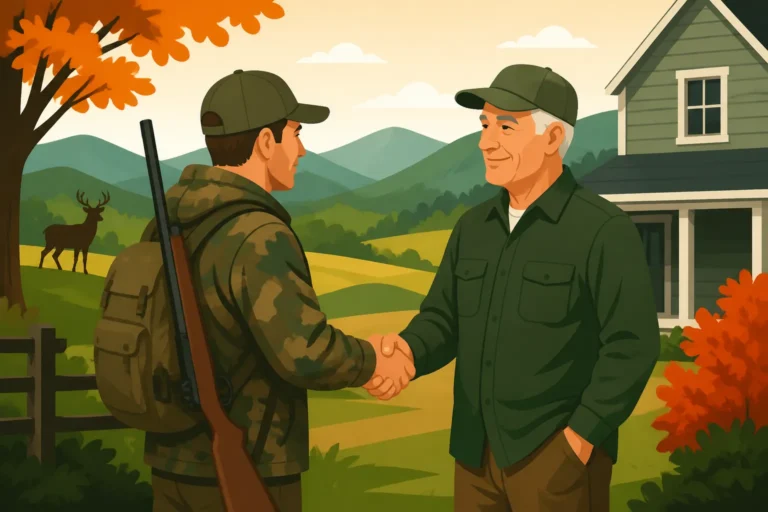
This is where the rubber meets the road. Simply knocking on a door and asking "Can I hunt here?" often won't cut it. Landowners hear that all the time, and many have had bad experiences with disrespectful hunters. Your goal is to stand out. Start by identifying the properties you're interested in – perhaps a woodlot tucked behind a farm, or an unmanaged parcel that looks like prime deer or turkey habitat. Dress neatly, introduce yourself politely, and state your intentions clearly and concisely. Offer your name, where you're from, and why you're interested in their specific piece of land. Have a copy of your hunting license and insurance ready, and offer it up front. Show them you're serious, responsible, and prepared.
Remember, you're not just asking for permission to hunt; you're asking for a privilege. Emphasize your respect for their property, their privacy, and their livestock. Offer to share some of your harvest, or perhaps help them with a small chore on the farm in exchange for access. It’s all about building trust. Many landowners are receptive to hunters who demonstrate responsibility and a genuine appreciation for the land. For more insights, I always tell folks to read up on Asking a Vermont Landowner for Permission to really hone their approach. It’s a skill that pays dividends, not just for hunting, but for building community connections.
Identifying Promising Private Parcels Near Rutland
To even begin asking, you need to know who to ask. This is where modern mapping technology becomes an absolute game-changer, especially in an area with fragmented land ownership like Rutland County. Gone are the days of driving around hoping to spot a landowner. Now, you can use powerful mapping applications like onX Hunt to identify property lines, landowner names, and even mailing addresses from the comfort of your home. Look for unposted land adjacent to known public hunting areas, or large contiguous blocks of timber that might offer good cover and limited road frontage. Old farms with overgrown fields and wooded edges are often magnets for deer and turkeys.
When you're studying maps, pay attention to features that might make a property attractive to game, such as proximity to water sources, varied topography, or thick bedding cover that transitions into food sources like agricultural fields or old apple orchards. Also, look for properties that might be less visible from main roads; these often receive less pressure. While GoHunt might be a useful tool for broader Western big game, for hyper-local Vermont property specifics, onX Hunt really shines. It allows you to zero in on properties that fit your criteria, giving you a list of potential contacts. Just remember, even with the best mapping tools, Vermont Posted Land Rules are paramount. Never assume access. Always seek explicit permission.
Building Relationships and Maintaining Access
Getting permission once is a victory, but keeping it for future seasons is the real prize. This is all about being an exemplary guest. When you’re on a landowner’s property, treat it as if it were your own – or even better. Pack out all your trash, including spent shell casings or broadheads. Be mindful of livestock, fences, and crops. Close gates behind you. If you harvest an animal, inform the landowner promptly, and if you offered to share meat, follow through. A small gesture, like a thank you card or a gift basket at the end of the season, can go a long way in solidifying that relationship.
Communication is key. If your plans change, let them know. If you see something concerning on their property – like a downed fence or suspicious activity – report it to them. Become a trusted pair of eyes and ears. Many landowners appreciate responsible hunters who act as informal stewards of their land. By being respectful, communicative, and helpful, you transform a transactional request into a lasting relationship, often leading to better hunting opportunities year after year. This kind of relationship-building is one of the most rewarding aspects of hunting, fostering connections that extend beyond just the pursuit of game.
Tools and Resources for Finding Your Spot
In today’s hunting world, knowing how to leverage technology and local insights can dramatically increase your chances of finding productive hunting ground, especially when you're looking for access near Rutland. It’s a blend of digital savvy and good old-fashioned community engagement.
Mapping Applications and Their Power
Modern mapping applications are arguably the single most important tool a hunter can carry these days, and they are especially critical when you're navigating the mosaic of public and private land around Rutland. Apps like onX Hunt have revolutionized how we scout and hunt. They put detailed satellite imagery, topographic maps, and crucial property information right at your fingertips. You can instantly see public land boundaries, private property lines, and landowner names, which is invaluable for both avoiding trespass and identifying who to contact for permission. This precision allows you to confidently walk a property line or know exactly where public land begins.
Beyond ownership, these apps allow you to mark waypoints for deer sign, bedding areas, food sources, and even your treestand locations. You can measure distances, analyze elevation changes, and visualize how game might move through the terrain. For anyone looking for Scouting With the Vermont Fish and Wildlife App or other digital tools, understand that these platforms often work offline, which is critical in areas with spotty cell service, like some of the more remote pockets of the Green Mountain National Forest. You can download maps for offline use before you head out, ensuring you always know where you stand, literally. The ability to identify potential funnels, benches, and thick cover before you ever set foot in the woods saves immense time and increases your efficiency, making your limited hunting hours more productive.
Local Knowledge and Community Engagement
While mapping apps are powerful, they can't tell you everything. There’s an irreplaceable value in local knowledge and community engagement. Sometimes the best spots are known only by word-of-mouth, or have unique access quirks that won't show up on a digital map. Make friends at local diners, general stores, or even town offices. Chatting with hardware store owners, gas station attendants, or the folks at a local sporting goods shop can sometimes reveal hidden gems or provide insights into local deer movements. These informal networks can often point you to landowners who might be receptive to granting permission or advise you on specific public land tracts that tend to be less pressured.
Visiting the local Vermont Fish and Wildlife Department district office in the Rutland area can also be incredibly beneficial. Wildlife biologists and game wardens have a deep understanding of local game populations, habitat conditions, and hunting pressure. They can often provide broad guidance on which public lands are productive, or suggest areas where Finding Ground Others Walk Past might be a possibility. They might even have information on specific deer management projects or upcoming timber harvests that could affect deer movement. This kind of personal interaction not only enriches your hunting experience but also helps you become a more informed and connected member of the local hunting community.
Strategic Hunting Considerations Around Rutland
Hunting near a developed area like Rutland means you often have to think a little differently than if you were deep in the wilderness. It's about adapting your strategy to human presence, understanding local game behavior, and maximizing the specific opportunities presented by the landscape.
Managing Hunting Pressure
It’s a simple truth: the closer you are to population centers, the more hunting pressure you're likely to encounter, especially on public lands. Near Rutland, this means you probably won't have a vast tract of woods all to yourself, particularly on opening weekends or prime rut days. However, recognizing this challenge is the first step to overcoming it. Hunters who are willing to walk a bit further, delve into areas with thicker cover, or hunt mid-week when others are at work, often find more success. Deer and turkeys learn quickly to avoid heavily trafficked areas, seeking refuge in dense swamps, remote ridgetops, or small, overlooked pockets of cover that most hunters pass by.
Consider the timing of your hunts carefully. Early morning and late afternoon are always key, but a mid-day still-hunt through thickets can be highly effective when other hunters are back at their trucks. When you’re on public land, don’t just focus on the easily accessible areas directly off the road. Look at aerial maps for features like steep ravines, beaver flows, or impenetrable tangles of thorn bushes – these are often sanctuaries for deer. It’s less about avoiding other hunters entirely, and more about finding the deer that are actively avoiding them. Understanding Hunting Pressure on Vermont Public Land means knowing how to use that pressure to your advantage, predicting where deer will go when disturbed.
Targeting Specific Game Species
The Rutland area, with its mix of agricultural land, diverse forests, and wetland areas, supports a robust population of several key game species, primarily white-tailed deer and wild turkeys. Small game such as squirrels and ruffed grouse are also plentiful, particularly in the larger tracts of timber. Your hunting strategy should always be tailored to the species you’re pursuing, considering their specific habitat requirements and behavioral patterns.
For White-Tailed Deer Across Vermont, the mix of farm fields and dense woodlots near Rutland creates excellent habitat. Deer often feed in agricultural fields at night and retreat to thick cover in nearby woods during the day. Focusing on the edges where these two habitat types meet, or scouting for travel corridors and pinch points, can be highly effective. During the rut, bucks will be on the move, making clearings and saddles prime ambush locations. Wild turkeys are also very strong in the area. Look for them in mature hardwoods where mast crops like acorns are abundant, and in open fields where they can feed and strut. For Wild Turkeys in Vermont, early morning roost hunts in the spring or breaking up flocks in the fall can yield great results. Small game, on the other hand, might be found in nearly any woodlot or thicket, offering a fun and accessible hunting opportunity without the same level of pressure.
| Public Land Type | Typical Habitat Near Rutland | Primary Game Species | General Access & Pressure |
|---|---|---|---|
| Wildlife Mgmt. Areas | Mixed forests, wetlands, old fields | Deer, Turkey, Waterfowl, Small Game | Good access, moderate-high pressure |
| State Forests | Managed timberland, mature hardwoods, old roads | Deer, Turkey, Bear, Small Game | Moderate access, moderate pressure |
| Green Mountain Nat. Forest | Rugged, high-elevation forest, dense cover | Deer, Bear, Moose (very limited), Small Game | Challenging access, low-moderate pressure |
| Town Forests | Variable, often smaller woodlots | Deer, Turkey, Small Game | Variable access, local pressure |
Disclaimer
This article is for general informational purposes only and does not constitute professional advice. Laws, prices and regulations vary by location and change over time. Consult a qualified professional for guidance on your specific situation.