Moose Hunting Vermont’s Northeast Kingdom
Drawing a coveted Vermont moose permit feels like winning the lottery, and for good reason—it’s an opportunity many hunters dream of for decades. But once that golden ticket is in hand, the real work begins, especially when you’re venturing into the vast, wild stretches of Vermont's Northeast Kingdom. This guide is here to walk you through everything you need to know, from understanding the unique challenges of this region to the strategies that will give you the best chance at a successful and memorable hunt.
The Elusive Vermont Moose Permit: A Dream Realized
For many of us who call Vermont home, or even those who travel here to hunt, drawing a moose permit is akin to hitting the jackpot. It’s not just about the incredible game animal; it's about the deep dive into Vermont's wildest places, the tradition, and the sheer challenge. The odds are notoriously stacked against you, making that notification in the mail or email truly a moment of triumph, but it’s also the moment the pressure truly begins to mount.
Understanding the Vermont Moose Lottery
Let’s be honest, the process of even getting a chance at a Vermont moose can be a bit of a nail-biter. Each year, the Vermont Fish & Wildlife Department allocates a limited number of permits through a lottery system. This isn't just a random drawing; it's a carefully managed strategy, deeply influenced by population assessments and, more recently, concerns about winter tick infestations affecting moose health, particularly in the northern regions. Applying for a Vermont Moose Permit involves a small fee, and while preference points aren't a thing here like in some western states, every applicant dreams of seeing their name on that coveted list. You can delve into the specifics of the process by checking out our guide on the Vermont Moose Lottery Application Process.
The number of permits can fluctuate annually, usually ranging from 50 to 100 permits for residents and a handful for non-residents. This scarcity is precisely what makes the hunt so special. It transforms a typical hunting trip into a once-in-a-lifetime expedition, demanding respect and thorough preparation. Understanding that only a select few get this chance each year helps put into perspective the immense privilege and responsibility that comes with holding a moose permit.
The Weight of a Once-in-a-Lifetime Tag
When you finally hold that permit, it's more than just a piece of paper; it's a commitment. For many, this will be their only opportunity to hunt a moose in Vermont. This isn’t a tag you want to fill with regret or poor decisions. The financial investment, especially if you're a non-resident, is significant, and you can learn more about the Vermont Moose Permit Cost If Drawn. Beyond the money, there's the emotional investment, the planning, the anticipation, and the hope.
This "once-in-a-lifetime" feeling often leads to a desire to leave no stone unturned. Hunters are driven to scout more intensely, train harder, and acquire the right gear to ensure they are fully prepared. It influences every decision, from where you focus your scouting efforts to the shot you ultimately take. It means thinking about everything from how to handle the meat to what a Once-in-a-Lifetime Moose Tag Means for future generations of hunters. This isn’t just a hunt; it’s an experience that will be woven into your personal hunting legacy.
Why the Northeast Kingdom is Moose Country
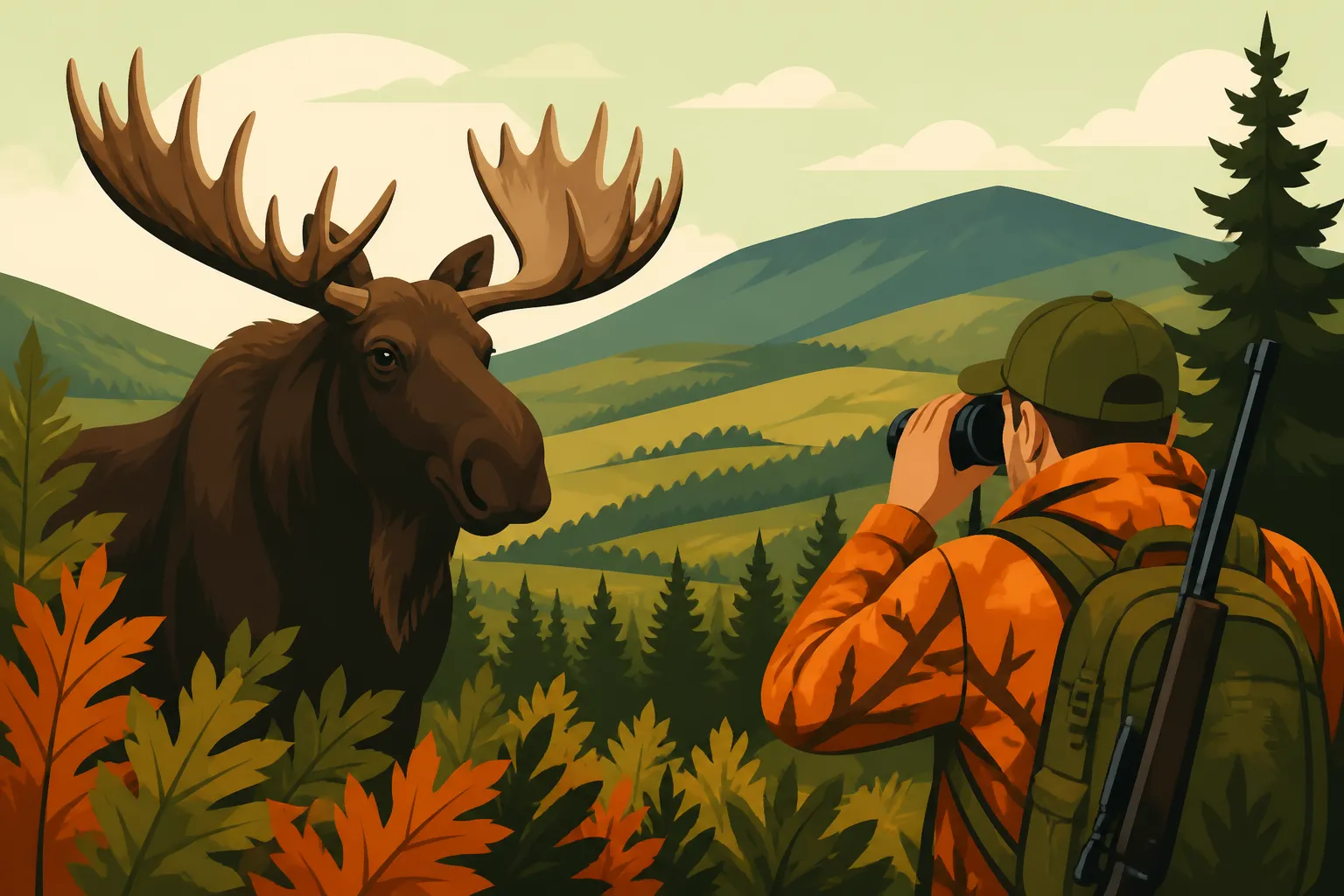
The Northeast Kingdom (NEK) of Vermont isn't just a name; it's a designation for a region known for its rugged beauty, sparse population, and, crucially for hunters, its robust wildlife populations. When it comes to moose, the NEK is the undisputed heavyweight champion of Vermont. It’s a vast, wild expanse that provides everything a moose needs to thrive, even as their populations face challenges in other parts of the state.
Key Habitat Features for Vermont Moose
The NEK boasts a mosaic of habitats perfectly suited for moose. Think expansive tracts of mature hardwood and softwood forests, interspersed with regenerating clear-cuts, beaver ponds, and wetlands. Moose are browsers, not grazers, meaning they thrive on woody vegetation like saplings, shrubs, and aquatic plants. The logging activity common in the NEK, which creates early successional growth, is actually a boon for moose, providing them with an abundance of palatable browse. You'll often find moose concentrating around these areas, especially where they can access water.
Deep snow in the winter, which can be brutal for deer, often doesn't deter moose; their long legs allow them to navigate it more easily. However, the severity of these winters can also increase the susceptibility of moose to winter ticks, a critical factor in understanding Vermont's Winter-Tick-Driven Moose Permit Strategy. Look for dense conifer stands that offer thermal cover in winter and cool, shaded retreats during warmer hunting days. Identifying these habitat features is critical during your scouting phase to pinpoint areas where moose are likely to be present.
Understanding Moose Density and Behavior in the NEK
While the statewide moose population has seen fluctuations, the NEK consistently holds the highest densities of moose in Vermont. This isn't just anecdotal; it's backed by research and harvest data. The sheer remoteness and large tracts of undeveloped land mean less human disturbance, allowing moose to follow their natural patterns. They are primarily crepuscular, meaning most active at dawn and dusk, but can be seen feeding throughout the day, especially in cooler weather or during the rut.
During the rut, typically in late September and early October, bull moose become highly active, searching for cows. This is when calling can be incredibly effective. Outside of the rut, moose are more solitary, though cows will be with their calves. Understanding their seasonal movements and preferred bedding areas—often in thick cover near water or browse—will significantly inform your hunting strategy. Tools like the GoHunt app can be invaluable for analyzing satellite imagery to identify these prime habitat types and help you gain an edge in understanding "How Many Moose Live in Vermont" in specific regions. Keep an eye on local and state reports, as they often provide insights into localized concentrations or areas of concern, such as high winter tick prevalence, which might influence moose behavior and distribution.
Essential Scouting and Pre-Season Prep for Moose
Successfully hunting a moose in Vermont’s Northeast Kingdom isn’t just about having the tag; it's about putting in the groundwork long before the season even opens. The sheer vastness of the NEK can be overwhelming, and without proper scouting and preparation, you might find yourself wandering aimlessly. This is where diligent planning truly pays off, transforming a daunting task into a manageable and exciting challenge.
Leveraging Technology for Remote Scouting
In today's hunting world, technology is an indispensable tool, especially when tackling remote areas like the NEK. Satellite imagery, topographical maps, and public land ownership overlays are your best friends. Services like GoHunt provide incredibly detailed mapping layers that can show you terrain features, forest types, old logging roads, clear-cuts, and potential water sources—all critical for identifying prime moose habitat from your couch. You can learn a lot by simply Glassing a Clear-Cut for a Bull Moose on your computer screen.
Spend hours digitally "walking" the landscape, looking for natural funnels, saddles, benches, and edges where different habitat types meet. Mark potential bedding areas (dense softwoods), feeding areas (young regenerating clear-cuts, beaver flows), and travel corridors. Pay close attention to areas that are difficult to access, as these often hold less hunting pressure. Don't forget to check historical weather patterns for your hunting dates, as they can inform your layering strategy and understanding of moose movement.
Boots-on-the-Ground Reconnaissance
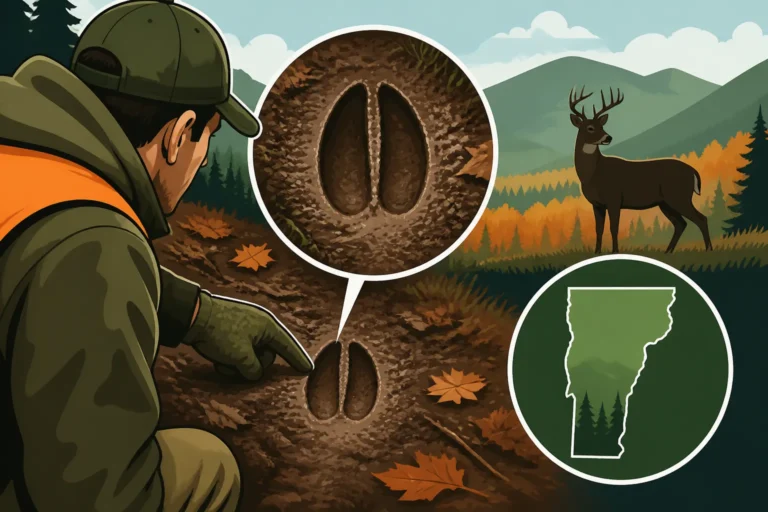
While digital scouting is powerful, nothing replaces putting your boots on the ground. Once you’ve identified promising areas, it’s time to hit the woods. This might mean several trips before the season, covering a lot of miles. Look for fresh sign: large tracks, enormous droppings, rubs on saplings (especially during the late summer/early fall when bulls begin to strip velvet or mark territory), and browse lines on woody vegetation. Moose are creatures of habit, and finding consistent sign can lead you directly to their preferred feeding or bedding grounds.
Focus on areas around swamps, bogs, and stream bottoms, as moose love water. Pay attention to wind direction and thermals, especially in mountainous terrain, as moose have an incredible sense of smell. Make note of access points, potential shooting lanes, and the best ways to approach your chosen hunting spots silently. Walking these areas helps you understand the terrain, identify obstacles, and gauge the difficulty of tracking and recovering a moose once you've made a shot. Remember to respect private land boundaries if you are scouting areas that are a mix of public and private ownership.
Gear Up for a Northeast Kingdom Moose Hunt
A successful moose hunt demands robust gear capable of standing up to the harsh conditions of the NEK. This isn't the time to skimp on quality. Your gear list should prioritize durability, comfort, and functionality, especially when it comes to covering long distances in varied terrain and potentially adverse weather.
Here's a breakdown of essential items:
| Category | Essential Gear | Why It's Crucial |
|---|---|---|
| Clothing | Layering system (base, mid, outer, rain gear), warm hat, gloves, wool socks | Vermont weather is unpredictable; crucial for comfort and safety in changing temperatures and precipitation. |
| Footwear | Waterproof, insulated, sturdy hiking boots with good ankle support | Necessary for navigating bogs, wet terrain, and steep inclines comfortably and safely. |
| Navigation | GPS device (dedicated or phone app with offline maps), compass, paper map | Cell service is spotty in the NEK; essential for staying oriented and avoiding getting lost in vast timber. |
| Optics | Quality binoculars (10×42 or 10×50), rangefinder | Crucial for identifying moose at a distance, confirming legal animals, and accurate shot placement. |
| Weapon | High-powered rifle (e.g., .30-06, .300 Win Mag, .338 Win Mag) with reliable scope | Moose are large, tough animals; you need sufficient stopping power for an ethical, clean kill. |
| Field Care | Sharp knives, bone saw, game bags, heavy-duty rope, tarp | Essential for efficient field dressing and protecting meat from spoilage and debris. |
| Safety | First-aid kit, fire starter, headlamp with extra batteries, satellite communicator, bear spray | Preparedness for emergencies, unexpected overnight stays, and potential wildlife encounters. |
| Misc. | Large backpack, water/filter, high-energy snacks, grunt tube/cow call, scent eliminator | For carrying essentials, hydration, sustenance, attracting moose, and minimizing human odor. |
You'll definitely want to refer to our guide on Packing for a Northeast Kingdom Moose Hunt for a more detailed checklist. Consider also a game cart or pack frame, as you’ll be quartering the animal and hauling heavy loads over difficult terrain.
Hunting Strategies for Vermont Moose
Once the season opens, and you’re deep in the NEK, having a solid hunting strategy is paramount. Moose hunting is often a blend of patience, perseverance, and sometimes, a bit of luck. The tactics you employ will depend on the time of year, the terrain you’re hunting, and the behavior of the moose themselves. Whether you’re calling, still-hunting, or spotting and stalking, understanding how moose move and react will be key to your success.
Calling a Bull Moose Into Range
Moose calling, particularly during the rut, can be incredibly exciting and effective. The primary calls are the cow call (a long, drawn-out bawl) and the bull grunt. During the peak of the rut, bull moose are actively seeking cows, and a realistic cow call can often draw them in. Sometimes, adding a bull grunt or even raking a tree to simulate a bull thrashing brush can challenge a dominant bull, compelling him to investigate.
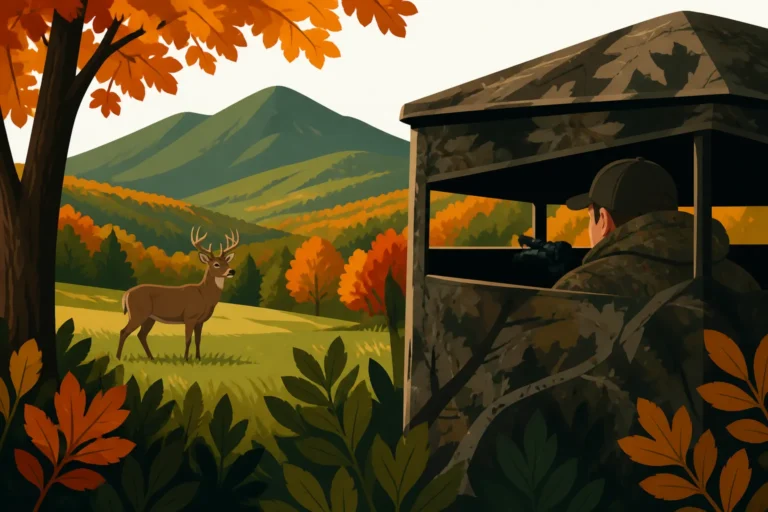
When calling, position yourself strategically. Find an area with good visibility and clear shooting lanes, preferably with some cover to break up your silhouette. Call periodically, listening intently for a response. Moose, especially large bulls, can approach silently, so constant vigilance is crucial. Once you get a response, be prepared for them to circle downwind to try and scent you. Adjust your position if necessary, or let them come in if the wind is in your favor. Knowing how to effectively use these sounds is crucial for Calling a Bull Moose Into Range.
Still-Hunting and Tracking in Dense Timber
Still-hunting is a classic method that requires immense patience and keen observation, especially effective in the dense timber and thickets common in the NEK. This involves moving slowly, pausing frequently, and scrutinizing every shadow and patch of brush for the tell-tale silhouette or movement of a moose. Look for the glint of an antler, the dark shape of a body, or the flick of an ear.
When still-hunting, use the wind to your advantage, moving into it or across it to keep your scent from reaching the moose. Pay attention to tracks, droppings, and fresh browse to identify active areas. If you find fresh tracks, especially large bull tracks, you might decide to follow them. This becomes a tracking exercise, demanding even more focus. Follow slowly, paying attention to how the moose is moving – are they feeding, traveling, or perhaps bedded down? If tracks suddenly become erratic or lead into particularly thick cover, slow down even more, as the moose may be nearby, listening or watching.
Spot-and-Stalk in Clear-Cuts and Openings
While much of the NEK is dense forest, there are also numerous clear-cuts, old logging landings, and natural openings like beaver meadows and swamp edges that offer opportunities for spot-and-stalk hunting. These areas provide excellent feeding grounds for moose and allow hunters to use optics to cover large areas.
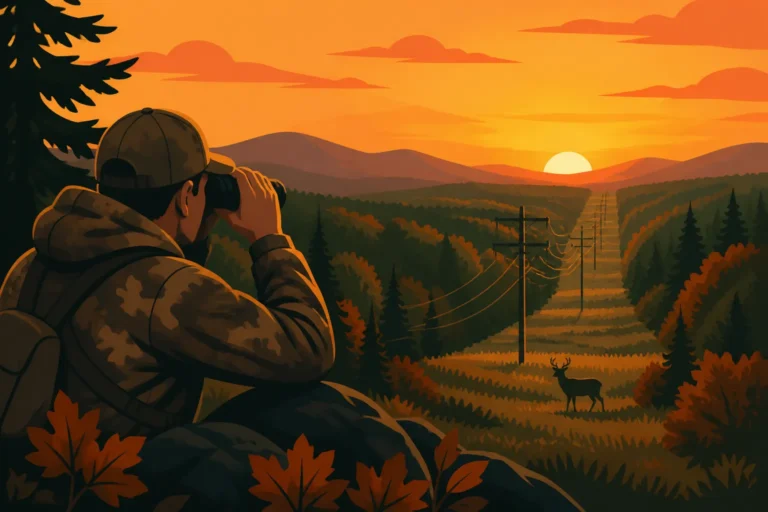
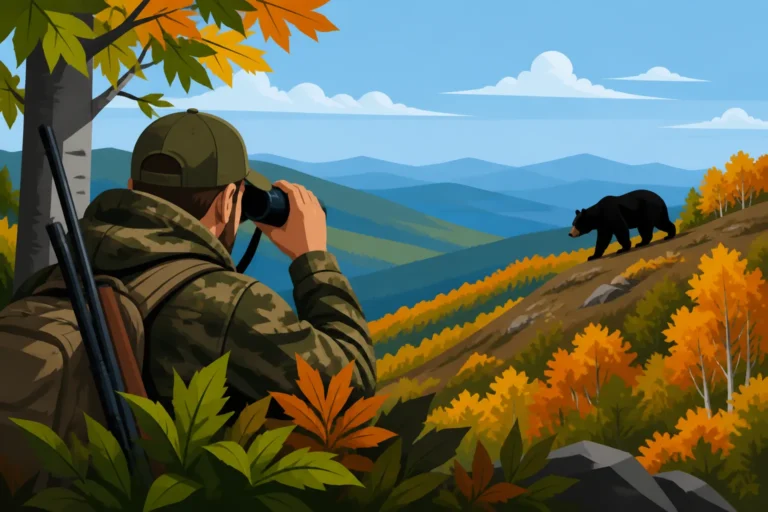
The key to successful spot-and-stalk is early morning or late evening glassing. Get to a high vantage point before first light and use good binoculars or a spotting scope to systematically scan clear-cuts, power lines, and open areas. Moose often feed in these spots during the cooler parts of the day. Once you spot a moose, carefully plan your approach. Use terrain features and vegetation to conceal your movement, paying close attention to wind direction. Take your time, move slowly and deliberately, and be prepared for the moose to suddenly become aware of your presence. This strategy is precisely what is needed for Glassing a Clear-Cut for a Bull Moose and making a successful move on them.
Field Care and Recovery: The Real Work Begins
Successfully harvesting a moose in Vermont's Northeast Kingdom is an incredible accomplishment, but the hard work truly begins the moment the animal is down. A moose is an enormous animal, often weighing over 800 pounds, and managing it in remote, rugged terrain requires a strategic plan, proper equipment, and a whole lot of sweat equity. Neglecting proper field care can ruin valuable meat, and underestimating the recovery process can lead to immense frustration.
Field Dressing a Moose in the Northeast Kingdom
Speed is of the essence when it comes to field dressing a moose, especially in Vermont’s often mild early fall temperatures. The goal is to cool the meat as quickly as possible. The standard gutting process for a deer is simply scaled up. You'll need sharp, sturdy knives, a bone saw, and potentially a hatchet. The sheer size of the organs can be daunting, so be prepared for a substantial amount of internal material.
Many hunters in the NEK opt for the "quartering-in-the-field" method. This means skinning the animal, removing the head and legs, and then separating the major muscle groups (quarters, backstraps, tenderloins). This not only reduces the weight of individual pieces but also allows the meat to cool more rapidly. It also makes the animal much more manageable for transport. Get the meat into breathable game bags immediately to protect it from dirt, flies, and debris. This process is fully explained in our guide on Field Dressing a Moose in the Northeast Kingdom.
The Logistics of Packing Out a Vermont Moose
Getting a moose out of the NEK can be the most physically demanding part of the hunt. Unlike deer, you can’t simply drag an entire moose for long distances, especially over uneven terrain. Quartering the animal is usually non-negotiable. Even quartered, each piece will be incredibly heavy. You’ll need a robust pack frame, often called a freighter frame, designed to carry heavy, awkward loads. Alternatively, some hunters use game carts, though these are only practical if you have relatively flat terrain or old logging roads to utilize.
In true backcountry, you and your hunting partners will likely make multiple trips, each carrying a quarter or two. This is where fitness, teamwork, and mental fortitude truly come into play. If you're fortunate enough to be hunting near a legal ATV trail or logging road, strategically dropping your moose close to one can save hours, if not days, of backbreaking work. Plan your extraction route even before you shoot, considering topography, natural obstacles, and vehicle access. For those fortunate enough to get one down on a logging road, our guide on Getting a Moose Out on a Logging Road offers practical advice.
Registering Your Harvest and What Comes Next
Once your moose is successfully out of the woods, the final step before celebrating is registering your harvest. In Vermont, all moose must be reported to the Vermont Fish & Wildlife Department. This can often be done online or through a designated check station within 48 hours of the kill. You'll need to provide details about where and when the moose was harvested. The department uses this data to monitor populations and adjust management strategies for future seasons.
After registration, it’s time for butchering. Some hunters prefer to do this themselves, which can be a rewarding process, while others take their meat to a professional butcher. Proper aging, cutting, and packaging are essential to ensure you enjoy your hard-earned venison for months to come. Don't forget to properly care for the cape if you plan on having a shoulder mount done, and clean the skull for a European mount. This entire process, from shot to freezer, is the culmination of your "Vermont Moose Hunting" experience.
Navigating the Challenges of a NEK Moose Hunt
Moose hunting in Vermont's Northeast Kingdom isn't a walk in the park. It’s a serious endeavor that comes with its own set of challenges, from the unpredictable elements to the sheer scale of the landscape. Being prepared for these obstacles, both mentally and physically, is just as important as knowing how to call in a bull.
Weather Extremes and Terrain Difficulties
The weather in the NEK can be wildly unpredictable. Early fall hunts might start with crisp, cool mornings that give way to warm, sunny afternoons, only to be followed by torrential rain or even an early snowstorm. Layering is not just a suggestion; it's a necessity. Being caught unprepared for a sudden cold front or a day-long downpour can quickly turn a memorable hunt into a miserable, even dangerous, experience.
The terrain itself is equally demanding. While not as rugged as some Western states, the NEK features steep hills, thick brush, dense spruce swamps, and numerous beaver flowages. Walking through these areas can be physically exhausting, especially when you’re scouting or packing out an animal. Wet ground, hidden roots, and slippery rocks are common hazards. Good quality, waterproof boots with excellent ankle support are essential. Understanding Wind and Thermals in Steep Green Mountain Terrain is also vital for successful hunting and remaining undetected.
Dealing with Hunting Pressure and Other Hunters
Despite the vastness of the NEK, the limited number of moose permits means that hunters who draw a tag often concentrate their efforts in known moose hotspots. This can lead to increased hunting pressure, particularly on public land. You might find other hunters working the same clear-cuts or calling in the same drainages.
Being aware of other hunters is crucial for safety and courtesy. Wear plenty of blaze orange, even if not legally required for your weapon during specific seasons, especially when moving through the woods. It's smart to have a backup plan for your hunting areas in case your primary spots are occupied. Sometimes, finding ground others walk past, or venturing deeper into the backcountry where fewer hunters dare to go, can significantly increase your chances of success and provide a more solitary experience.
Staying Safe in Remote Backcountry
The remote nature of the Northeast Kingdom is part of its allure, but it also presents significant safety considerations. Cell phone service is often non-existent in many areas. Getting lost, injured, or facing unexpected weather without the ability to communicate can quickly escalate into a serious situation.
Always let someone know exactly where you’re going and when you expect to return. Carry a reliable GPS device with downloaded offline maps, a compass, and a physical map as a backup. A satellite communicator, such as a Garmin inReach or a Zoleo, is an invaluable piece of gear for emergency communication from anywhere. Carry a comprehensive first-aid kit, fire-starting materials, extra food and water, and enough gear to spend an unexpected night in the woods if necessary. Being prepared for the worst allows you to focus on the hunt with greater peace of mind.
Respecting the Resource and the Land
Hunting moose in Vermont's Northeast Kingdom is more than just harvesting an animal; it's an immersive experience deeply connected to the state's natural heritage. With such a rare and highly sought-after permit, there comes a profound responsibility to uphold ethical hunting practices and contribute to the long-term health of the moose population and the wild lands they inhabit.
Understanding Vermont's Moose Management Strategy
The Vermont Fish & Wildlife Department manages the moose population with careful consideration, balancing recreational hunting opportunities with conservation goals. The permit lottery itself is a critical tool for regulating harvest numbers and maintaining a healthy population. Factors like habitat availability, winter tick prevalence, and overall moose health—which you can learn more about in Vermont's Moose Population Decline Since the 1990s and Why Winter Ticks Threaten Vermont Moose—all play a role in how many permits are issued annually and in which Wildlife Management Units (WMUs).
As a hunter, understanding and respecting these management decisions is paramount. Your permit isn't just a license to hunt; it's an opportunity to participate in wildlife management. Reporting your harvest accurately and promptly provides crucial data that informs future decisions. Supporting conservation efforts, whether through license purchases or direct contributions, helps ensure that future generations will also have the chance to experience the thrill of moose hunting in Vermont.
Leaving No Trace and Ethical Hunting Practices
When you venture into the pristine wilderness of the Northeast Kingdom, it's essential to practice "Leave No Trace" principles. This means minimizing your impact on the environment. Pack out everything you pack in, including spent shell casings, food wrappers, and any trash. Avoid disturbing sensitive areas, and respect natural resources. When field dressing, try to do so away from water sources and disperse gut piles to allow for natural decomposition without attracting unwanted attention near trails or campsites.
Ethical hunting also extends to shot placement and game recovery. Only take clean, ethical shots when you are confident in your ability to make a quick kill. Follow up on every shot, even if you think you missed, and commit to recovering any animal you hit. This often means tracking a deer in fresh Green Mountain snow or even Blood Trailing After Dark in Vermont, which can be challenging but is an absolute responsibility. The size of a moose makes recovery a monumental task, but it is an integral part of the hunt. Ensuring that your actions reflect positively on the hunting community is a critical aspect of being a responsible steward of the land and its wildlife.
Disclaimer
Please be aware that hunting regulations and seasons can change. Always consult the official Vermont Fish & Wildlife Department website or their printed regulations guide for the most current and accurate information before planning and embarking on any hunting trip. This guide is for informational purposes only and does not supersede state laws or regulations.