How Vermont’s Archery-Rifle Overlap Works
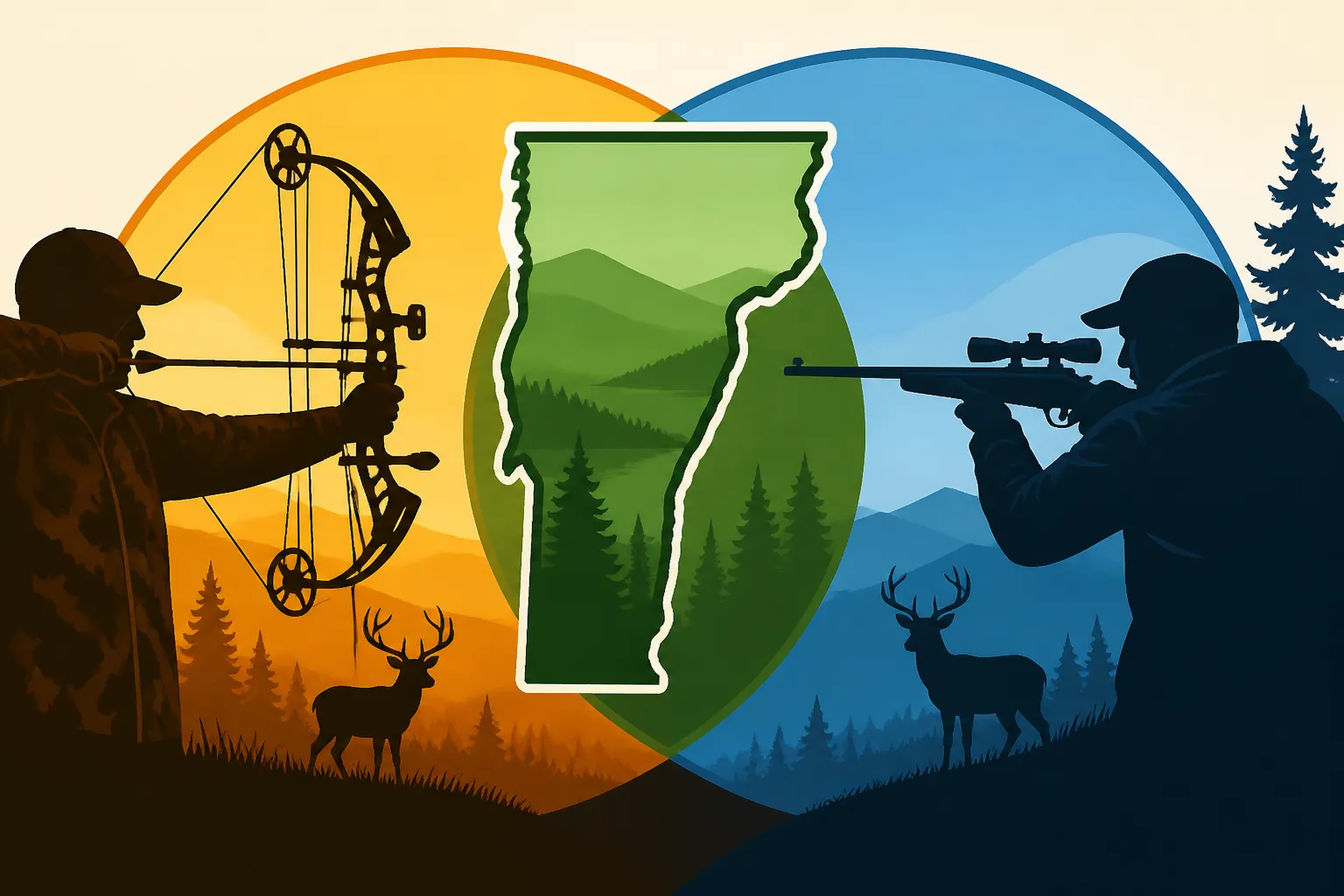
It can feel a little confusing, navigating Vermont's hunting regulations, especially when it comes to overlapping seasons. Many bowhunters, myself included, have wondered exactly how to legally and safely pursue deer with archery equipment while rifle season is in full swing. This guide is here to untangle the specifics of Vermont's archery-rifle overlap, so you can confidently head into the woods, knowing the rules and best practices.
The Evolution of Vermont's Archery-Rifle Overlap
For many years, bowhunting and rifle hunting for deer in Vermont felt like two distinctly separate worlds, with clearly defined start and end dates that rarely, if ever, crossed paths during the peak of the firearms season. This clear delineation helped avoid confusion, but it also meant that bowhunters often missed out on some prime rut activity that traditionally coincided with the rifle opener. It was a common frustration among the archery community, feeling like they had to hang up their bows just as deer activity really ramped up.
Recognizing the desire for increased hunter opportunity and aligning with modern herd management strategies, the Vermont Fish & Wildlife Department introduced a significant rule change. This shift created an overlap, allowing bowhunters to continue their pursuit of whitetails even when the crack of rifles filled the crisp November air. This wasn't just about giving archers more time; it was a strategic move to provide additional harvest opportunities during a crucial period, especially with the state's focus on healthy deer populations. The intention was to modernize the seasons and give hunters more flexibility, acknowledging that responsible hunting can occur across different weapon types simultaneously with proper safety protocols.
Understanding the Specific Dates and Zones
The core of this overlap primarily centers around the traditional November rifle season, a time when many Vermonters eagerly await the chance to chase deer. Historically, the regular archery season would wind down just before this, leaving bowhunters sidelined. Now, however, the regular archery season extends through the entirety of the regular rifle season, allowing for that unique concurrent hunting period. This means that if you've got your archery license and appropriate tags, you can keep your bow in hand throughout the two-week rifle season.
It’s important to remember that this overlap applies statewide during the regular deer rifle season dates. There aren't specific zones where it's allowed or disallowed; if rifle season is open, so is the regular archery season for deer. This simplified approach removes some of the geographic complexities often associated with other hunting regulations, such as those governing fall turkey hunting or specific antlerless permit zones. This broad applicability is a huge win for bowhunters, as it allows them to maintain their hunting efforts regardless of which part of the state they prefer to hunt, from the dense hardwoods of the Green Mountains to the agricultural edges of the Champlain Valley. Always double-check the most current regulations published by Vermont Fish & Wildlife each year, as dates can shift slightly. You can often find these critical dates clearly laid out on their website or through popular hunting platforms like GoHunt, which often provide consolidated summaries for various state seasons.
The Rationale Behind the Overlap Policy
The decision to implement this archery-rifle overlap wasn't made lightly; it stemmed from a careful consideration of multiple factors aimed at improving hunter experience and effective wildlife management. One of the primary drivers was increasing hunter opportunity. Bowhunting requires a different set of skills and often a greater commitment of time in the field. Allowing archers to hunt during the rifle season meant they could capitalize on periods of heightened deer activity, particularly the rut, which can often stretch into November. This added flexibility encourages participation and gives bowhunters a better chance at success.
Another significant factor was deer management. While Vermont manages its deer herd carefully, providing additional, albeit specialized, harvest pressure during the rifle season can contribute to population goals in certain areas. It diversifies the hunting pressure and offers another tool for managing antlerless deer, especially in zones where the department is trying to achieve specific population objectives. Furthermore, this policy aligns Vermont with many other states that have successfully implemented similar overlapping seasons, demonstrating that with clear rules and responsible hunter behavior, it can be a safe and productive way to enhance the hunting experience without compromising safety. It shows a progressive approach to hunting regulations, adapting to the modern hunter while still prioritizing conservation.
Essential Gear and Safety Considerations for Overlap Hunting
Hunting with a bow during Vermont's rifle season introduces a unique set of circumstances that demand careful attention to safety and specific gear requirements. The woods become a different environment once firearms hunters are out, and it's crucial for bowhunters to adapt to ensure a safe and successful hunt. This isn't just about following the law; it's about being a responsible, visible, and aware hunter in a potentially more crowded and active landscape.
Mandatory Blaze Orange Requirements
This is perhaps the single most critical aspect of hunting the archery-rifle overlap: blaze orange is mandatory for bowhunters during the rifle season. This cannot be overstated. When you're in the woods during the period when rifles are legal for deer, you are required by Vermont law to wear 500 square inches of blaze orange, visible from all sides. This includes a blaze orange hat. It's not optional, it's not a suggestion; it's a legal requirement designed for your safety and the safety of others.
The reasoning is clear: visibility. While bowhunters typically rely on camouflage and stealth, during rifle season, your priority shifts to being unmistakably identifiable as a human hunter to anyone else in the woods. Deer might see the blaze orange, but their vision is different from ours; they perceive colors on a different spectrum, often as shades of gray or brown. What looks bright orange to us might simply look like a duller, natural color to them. Therefore, do not compromise on this. Ensure your outer layers, including your hat, meet the 500 square inch requirement. Consider a quality blaze orange vest that can be worn over your warmest hunting coat, ensuring maximum visibility even when layered up for cold November days. Platforms like GoHunt often have articles reviewing the best options for blaze orange gear to maximize both safety and comfort in the field.
Weapon Legality and Other Hunters
During the archery-rifle overlap, both archery equipment (traditional bows, compound bows, and crossbows, assuming you have your Vermont Crossbow Equipment Requirements certification if applicable) and legal firearms for deer hunting are permitted. This means you could be still-hunting with a compound bow while a rifle hunter is set up on a logging road nearby. Understanding that you are sharing the woods with different hunting methods is paramount.
For bowhunters, this means being acutely aware of your surroundings. While you might be focusing on close-range shot opportunities, you must always be conscious of where other hunters might be. Sound carries differently on cold days, and the sound of distant rifle shots is a stark reminder of the increased presence of other hunters. Consider adjusting your hunting style to avoid known high-pressure areas, especially during the opening days of rifle season. If you encounter another hunter, a friendly wave and acknowledgment can go a long way in fostering a safe hunting environment. Respecting each other's space and methods is the cornerstone of responsible shared hunting grounds. Knowing the nuances of legal weapons during Vermont Rifle Season is essential for everyone in the woods.
Recommended Gear Adjustments for Overlap Hunting
Beyond blaze orange, a few other gear considerations can make your archery hunt during rifle season more effective and safer.
- Optics: Even as a bowhunter, carrying a good pair of binoculars is invaluable. During rifle season, deer can become more nocturnal or seek thicker cover due to increased pressure. Quality optics can help you spot subtle movements or identify deer holding tight in dense tangles, allowing you to plan a safer, more effective stalk or setup. Knowing your target is critical, especially when visibility can be lower.
- Layering: November in Vermont can swing from mild to brutally cold. You’ll be sitting for extended periods, and adequate layering is crucial for comfort and focus. Start with a moisture-wicking base layer, add insulating mid-layers, and top it with a windproof and waterproof outer shell. Remember, your blaze orange will go over all of this. For more detailed advice, check out guides on Layering for Vermont's Long Hunting Season.
- Communication: A fully charged cell phone (with a power bank) is essential, but cell service can be spotty in much of Vermont's backcountry. Consider a satellite communicator, especially if you're hunting remote areas of the Green Mountain National Forest or the Northeast Kingdom, to ensure you can call for help if needed.
- Game Processing Tools: While not specific to the overlap, having a sharp knife, game bags, and perhaps a small bone saw is always a good idea. If you harvest a deer, you'll need to field dress it efficiently, and having the right tools makes the process quicker and cleaner.
Tactical Approaches for Bowhunting During Rifle Season
The presence of rifle hunters fundamentally alters the deer woods, creating both challenges and unique opportunities for bowhunters. Deer behavior changes dramatically under pressure, and understanding these shifts is key to success. You can't just hunt the same way you would during the early archery season; adaptability is your greatest asset.
Adjusting Hunting Strategies to Pressure
When rifle season opens, deer immediately become more cautious and often shift their movement patterns to avoid areas with high human activity. This means the prime feeding plots or open travel corridors you scouted pre-season might suddenly become less productive during daylight hours. Instead, focus on thick cover, bedding areas, and overlooked pockets of timber. Deer will often "hole up" in the densest conifer stands, steep ravines, or impenetrable briar patches, moving only under the cover of darkness or during brief periods of low pressure.
Still-hunting becomes incredibly challenging, as your movement can alert not only deer but also other hunters. If you choose to still-hunt, do so slowly, pausing frequently, and using binoculars to thoroughly glass ahead. More often, sitting quietly in a well-placed stand becomes the preferred tactic. Look for funnels or pinch points that lead into or out of thick cover. Deer pushed by rifle hunters will often utilize these escape routes, offering a bowhunter a brief window of opportunity. Using mapping tools, like those offered by GoHunt, to identify these types of terrain features can give you a significant advantage, helping you visualize how deer might react to pressure. Thinking about how deer move when pressured, perhaps even after a drive, can inform your stand placement.
Public Land Versus Private Land Considerations
The impact of the archery-rifle overlap varies significantly depending on whether you're hunting public or private land.
- Public Land: On vast public tracts like the Green Mountain National Forest or Vermont's Wildlife Management Areas, hunting pressure can be intense, especially on opening weekend and during the peak of the rut. This pressure can be both a curse and a blessing. While it makes deer more nocturnal and reclusive, it can also push deer into unexpected areas. If you're willing to walk deeper into public lands, away from road access and popular trails, you might find pockets of less disturbed deer. These areas often require more effort to access, but the reward can be finding deer that haven't been subjected to constant pressure. Consider Scouting Vermont Public Land Before Season to identify these sanctuaries. Learning to read aerial photos for green mountain deer can also reveal overlooked travel corridors in remote areas.
- Private Land: If you have secured permission to hunt private land, the overlap might present a different scenario. Many landowners will only allow one or two hunters, or they may have specific rules about weapon types. This can result in lower pressure environments where deer behavior is more predictable. However, deer from adjacent public lands, pushed by pressure, might seek refuge on these private parcels. This can create excellent opportunities if your stand is positioned along the property line, catching deer as they transition into sanctuary. Always maintain excellent communication with landowners, ensuring you understand and respect their wishes, especially regarding the use of archery equipment during rifle season.
Strategic Stand Placement and Scent Control
Your treestand or ground blind placement needs to be exceptionally strategic during the overlap. Instead of focusing solely on food sources, prioritize escape cover and travel corridors between bedding areas. Deer become hypersensitive to intrusion, so choose entry and exit routes that are as quiet and low-impact as possible. Wind direction becomes even more critical; a slight shift can alert a pressured buck from a quarter-mile away.
Scent control should be at its absolute peak. Even the slightest human odor can spook a mature buck that's already on high alert. Use scent-eliminating sprays, wash your clothes in unscented detergents, and store them in airtight containers. Consider using natural cover scents if permitted, but remember that nothing beats playing the wind. The increased hunter presence during this time also means more human scent in the woods overall, making deer even warier of anything out of place. This intense attention to detail is part of what makes bowhunting during Vermont's Hunting the Rut in Early-to-Mid November so rewarding and challenging.
Navigating Permits and Reporting Requirements
Even with the exciting opportunity of hunting with your bow during the rifle season, the foundational rules regarding licenses, permits, and reporting remain firmly in place. Don't let the overlap distract you from these critical administrative steps. Staying compliant ensures your hunt is legal and contributes to the overall management of Vermont's deer herd.
Understanding License and Permit Essentials
First and foremost, to legally hunt deer with a bow during any season, including the rifle overlap, you must possess a valid Vermont hunting license and a Vermont archery license. These are two separate purchases. Your basic hunting license covers the privilege of hunting, and the archery license specifically grants you the right to use archery equipment for deer. There's no special "overlap permit" or additional stamp needed for this specific concurrent period; if you're legally equipped and licensed for archery, you're good to go during the rifle season.
If you plan to harvest an antlerless deer during this period, you will also need to have obtained an antlerless permit for the specific Wildlife Management Unit (WMU) you are hunting. These permits are typically drawn via a lottery or purchased over-the-counter for certain WMUs, and their availability can be limited. Make sure you understand the rules for Vermont's Dual Antlerless Permit Rule if you plan on holding more than one. Always verify the WMU boundaries before you head out, as these can be critical for legal antlerless harvest. The Vermont Fish & Wildlife Department's website or the GoHunt app are excellent resources for checking WMU maps and antlerless permit information.
Deer Reporting After a Successful Hunt
Regardless of whether you harvest a deer with a rifle or a bow, all successful deer harvests in Vermont must be reported to the Vermont Fish & Wildlife Department. This is a crucial step in wildlife management, as the data collected helps the department monitor deer populations, assess herd health, and make informed decisions about future hunting regulations.
The reporting process is straightforward. Historically, this involved physical check stations, but now, hunters have the convenience of online reporting through the department's website or via their mobile app. You generally have 48 hours from the time of harvest to report your deer. You'll need information such as your license number, the date and time of kill, the WMU where the deer was taken, and whether it was antlered or antlerless. Providing accurate information is vital, so take a moment to confirm details before submitting. Failing to report a deer is a violation and can result in penalties, so don't let the excitement of the harvest overshadow this important responsibility. For more details on the process, refer to the Vermont Deer Reporting Requirements.
Importance of Following All Regulations
Hunting during an overlap season means you need to be familiar with the regulations for both archery and rifle hunting, even if you're only using your bow. This includes understanding legal shooting hours, trespass laws, and specific rules about baiting or the use of certain lures, such as Vermont's Rule Against Urine-Based Deer Lures. Ignorance of the law is not an excuse. Taking the time to read the annual hunting guide thoroughly and staying updated on any changes is part of being a responsible hunter. Remember, the privilege of hunting in Vermont comes with the responsibility of upholding its conservation ethics and respecting its regulations.
| Feature / Rule | Archery-Rifle Overlap (Deer) | Regular Rifle Season (Deer) | Regular Archery Season (Deer) |
|---|---|---|---|
| Legal Weapon | Bow, Crossbow (with Archery License) | Rifle, Shotgun, Muzzleloader (with Hunting License) | Bow, Crossbow (with Archery License) |
| Blaze Orange Requirement | YES (500 sq. inches, visible all sides, hat) | YES (500 sq. inches, visible all sides, hat) | NO (though often recommended for visibility by choice) |
| Antlerless Permit Needed | YES (if taking antlerless deer) | YES (if taking antlerless deer) | YES (if taking antlerless deer) |
| Reporting Requirement | YES (within 48 hours) | YES (within 48 hours) | YES (within 48 hours) |
| Primary Safety Concern | High visibility among rifle hunters | Safe zones of fire, positive ID of target | Elevated stand safety, broadhead sharpness |
Disclaimer
The information provided in this guide is for general informational purposes only and does not constitute legal advice. Hunting regulations in Vermont are subject to change, and it is the responsibility of every hunter to consult the most current Vermont Fish & Wildlife Department regulations and statutes before engaging in any hunting activities. Always prioritize safety and ethical hunting practices.