Vermont Deer Season Overlap With Small Game
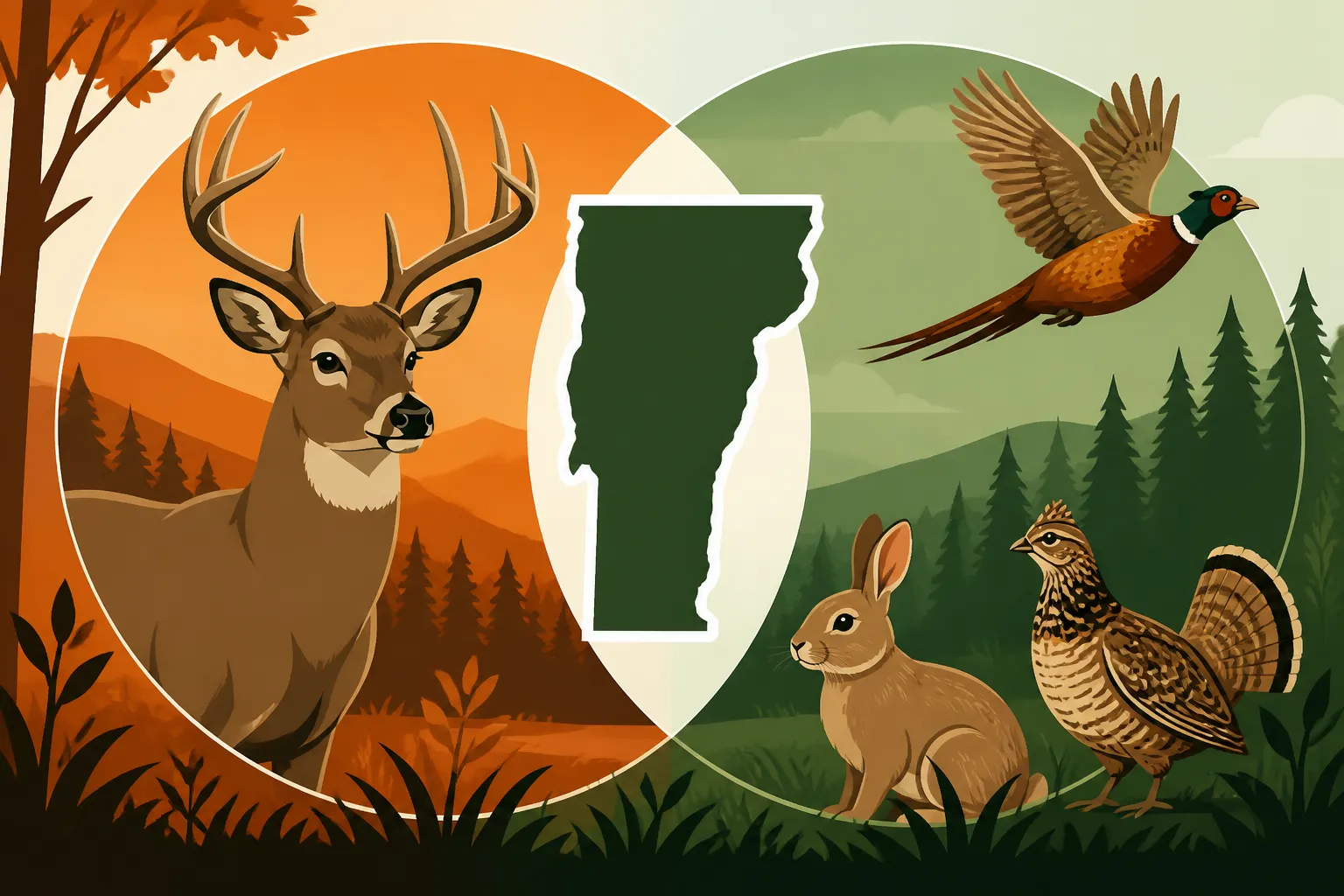
It can be incredibly frustrating trying to keep track of all the different hunting seasons here in Vermont, especially when you're passionate about pursuing multiple species. Many hunters wonder how to juggle their pursuit of whitetails with opportunities for small game without running afoul of the regulations or compromising safety. This guide will walk you through the nuances of Vermont's deer season overlap with small game, helping you understand the rules, strategize your hunts, and stay safe in the woods.
Understanding Vermont's Deer and Small Game Seasons
Vermont’s hunting calendar is rich with opportunities, but it's also a complex tapestry of opening and closing dates, specific weapon restrictions, and varying bag limits for different species. When deer season, particularly archery and muzzleloader, extends into periods traditionally associated with small game, it presents both unique challenges and exciting chances to fill your freezer with a variety of wild fare. Knowing the specific windows for each game animal is your first step to a successful multi-species season.
Deer Season Dates and Regulations
Deer season in Vermont is broken down into several distinct phases, each with its own set of rules and typical conditions. It all kicks off with the archery season, which includes an expanded archery zone in certain areas that opens in early September. This early start can put you in the woods for deer when temperatures are still mild, and leaves are on the trees. After that, the regular archery season typically opens in early October, extending through the rut and into December, often overlapping with small game opportunities.
Then comes the highly anticipated rifle season, usually a two-week stretch in November, followed by the muzzleloader seasons, which have an October antlerless window and then a longer December period. During these times, deer hunting takes center stage, and the woods become a very different environment. For example, during the regular archery opener in October, you might find yourself in the woods with other bowhunters, but once November hits and rifles come out, the dynamic shifts dramatically. It’s crucial to know the specific dates, legal weapons, and tag requirements for each segment. For instance, understanding the nuances of Vermont’s Dual Antlerless Permit Rule can greatly impact your deer hunting strategy during the later seasons.
Small Game Season Dates and Regulations
Small game hunting in Vermont offers a diverse range of species, from the fast-flushing ruffed grouse and elusive woodcock to the ever-present squirrels and snowshoe hares. Many of these seasons open well before the main deer rifle season, often coinciding with early archery or even running through parts of the late muzzleloader season.
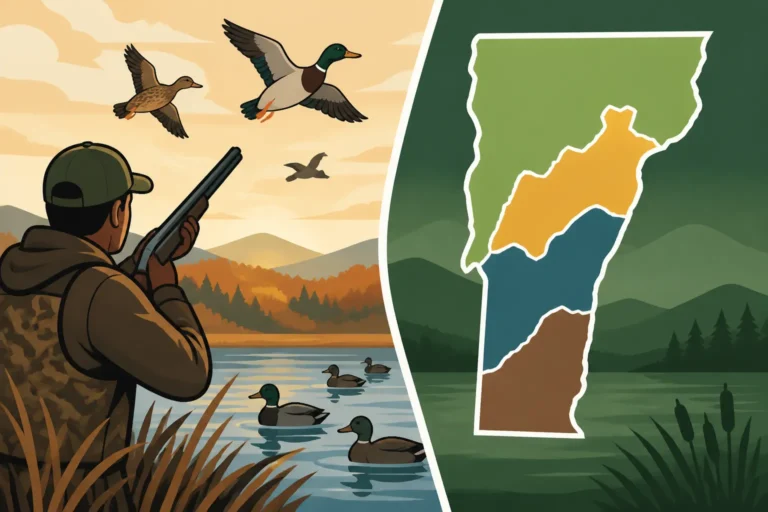
For instance, squirrel hunting Vermont hardwoods typically opens in September, offering a great way to warm up before deer season or extend your time afield after your deer tag is filled. Snowshoe hare season also runs for an extended period, starting later in the fall and continuing into winter, often overlapping with the December muzzleloader season. Ruffed grouse and woodcock seasons usually kick off in late September, providing prime opportunities when the leaves are still vibrant and before heavy snows arrive. Waterfowl hunters, on the other hand, follow different zone-specific dates under Vermont Waterfowl Zones and Seasons, with seasons starting in early October and running into winter, presenting another layer of overlap. Each small game species has its own bag limits and shooting hours, and it's essential to consult the Vermont Fish & Wildlife digest every year to confirm current regulations. Using resources like the GoHunt app can be incredibly helpful for quickly checking season dates and regulations right from your phone.
Navigating the Overlap Safely and Legally
Hunting during periods when both deer and small game seasons are open demands a heightened sense of awareness and strict adherence to safety protocols. The woods can become a busy place, and the mix of different hunting methods and target species requires every hunter to be extra vigilant. It's not just about what you can legally shoot, but how you conduct yourself to ensure a safe and ethical experience for everyone.
Blaze Orange Requirements During Overlap
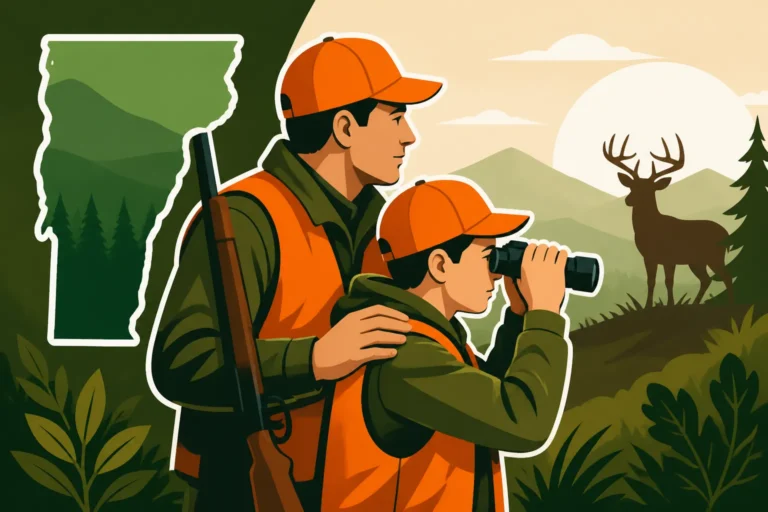
This is perhaps one of the most critical aspects of hunting during an overlap. When rifle season for deer is open, even if you are bowhunting, or pursuing small game, Vermont law requires specific amounts of blaze orange to be worn. This requirement isn't just a suggestion; it's a legal mandate designed to prevent accidents and ensure visibility. Typically, you need to wear at least 50% of your head, chest, and back in blaze orange. This means a blaze orange hat and vest are usually sufficient, but always check the current year's regulations for exact requirements.
Imagine you're out chasing squirrels with a .22 rifle in November. Even though you're not targeting deer, a deer hunter in the vicinity might be looking for movement in the woods. Wearing your blaze orange makes you instantly identifiable as a human hunter, drastically reducing the risk of being mistaken for game. This is especially pertinent if you're bowhunting during Vermont's New Archery-During-Rifle Overlap Rule, where you are specifically allowed to hunt deer with a bow while rifle season is active, but you must still wear your blaze orange. It’s a small inconvenience that offers immense protection, and a responsible hunter never skips this step.
Weapon Restrictions and Considerations
Beyond blaze orange, understanding weapon restrictions is paramount. During the regular deer rifle season, certain legal firearms for deer hunting are allowed. However, if you are specifically targeting small game during this period, you need to be mindful of both the legal weapon for the small game species you're pursuing and any restrictions that might apply due to the deer season being open. For example, if you're pursuing grouse with a shotgun, that's generally fine. But using a centerfire rifle for squirrels might raise eyebrows, and if you have a deer tag, you might be tempted to carry a multi-purpose rifle that’s legal for both.
Here’s a practical example: You might be out during the December muzzleloader season, carrying your muzzleloader for deer. If you also want to take a snowshoe hare, you'd typically need a separate small game weapon, like a .22 rifle or a shotgun with birdshot. You cannot generally use a muzzleloader loaded with a slug designed for deer to harvest a small game animal, even if technically capable. Always verify that the weapon you're carrying is legal for the species you intend to harvest, and that it conforms to any concurrent season restrictions. This prevents ethical dilemmas and ensures compliance with the law.
Strategic Hunting During Overlap Periods
Hunting when multiple seasons are open requires careful planning and a flexible approach. It's not just about going into the woods; it's about going in with a clear strategy that maximizes your chances while respecting the movements and habits of various game species. Adapting your tactics based on the time of day, weather, and specific habitat can make all the difference.
Adapting Your Approach for Different Species
When deer and small game seasons overlap, you have to think like a chess player, anticipating movements and opportunities. For instance, if you're focusing on deer during the morning and evening prime times, you might shift your attention to small game in the midday hours when deer activity often slows. You could still-hunt through areas known for ruffed grouse or squirrel populations, moving slowly and observing for both deer sign and small game.
Consider the habitat: a dense softwood stand might hold deer bedding areas and offer cover for snowshoe hare. A mature hardwood ridge could be a hot spot for squirrels in the early morning, and also a travel corridor for deer moving to or from feeding areas. You might decide to focus on a particular habitat type that favors both. For example, if you're near an apple orchard, you might find both deer browsing on fallen apples and squirrels foraging in the trees. Remember that sound travels differently depending on the method. If you're busting through the brush flushing grouse, you're likely alerting any nearby deer. If deer are your priority, you might choose a quieter small game pursuit, like still-hunting squirrels. The GoHunt platform can help you analyze habitat maps to identify these multi-species hotspots.
Scouting for Multi-Species Opportunities
Effective scouting is key to making the most of overlapping seasons. Don't just scout for deer sign; look for indications of small game as well. While you're out looking for deer tracks, rubs, and scrapes, also keep an eye out for squirrel nests, chewed nut shells, grouse drumming logs, or hare tracks in the snow. If you're scouting for deer in the Champlain Valley, you might also find evidence of pheasants or rabbits near agricultural fields.
Think about timing. Early season scouting, before any seasons open, can help you identify areas where deer and small game frequently cross paths. For instance, a logging road that funnels deer movement might also be a prime spot for grouse or a good location for a rabbit-running beagle. When you're scouting Vermont public land before season, make notes of diverse habitat types that could offer chances for multiple species. A comprehensive scouting strategy means identifying not just where deer are, but where all the game you're interested in might be, and how their movements might coincide or diverge throughout the day. This intelligence allows you to develop a flexible hunting plan, ready to pivot from deer to small game, or vice versa, as opportunities arise.
Important Rules and Ethical Considerations
Hunting is a privilege, and with that privilege comes a significant responsibility to respect the land, other hunters, and the game animals themselves. When multiple seasons converge, these ethical considerations become even more critical. Adhering to the rules and maintaining a strong moral compass ensures a positive experience for everyone and preserves the tradition for future generations.
Respecting Landowner Rights and Public Access
Vermont has a strong tradition of public land hunting, but a significant amount of hunting also occurs on private land. When seasons overlap, it's easy for lines to get blurred, especially if you're moving between different parcels. Always know exactly where you are and whose land you're on. If you're hunting private land, make sure you have explicit permission, especially if you're pursuing a species that wasn't part of your initial permission agreement. If you received permission to hunt deer, don't assume that extends to running beagles for snowshoe hare, for example. When knocking on doors in Champlain Valley farm country, be upfront about all the species you intend to hunt.
Even on public land, respect designated use areas and other outdoor enthusiasts. Hiking trails, bird-watching areas, and other recreational zones might see increased activity during overlapping seasons. Be mindful of your presence and ensure your hunting activities do not negatively impact others' enjoyment of the outdoors. Tools like the GoHunt mapping app can clearly show property boundaries and public land access points, helping you stay legal and avoid unintentional trespass.
Prioritizing Safety and Awareness
Safety should always be your number one priority, especially during overlapping seasons. The mix of archers, rifle hunters, muzzleloader hunters, and small game hunters means you need to be constantly aware of your surroundings. Always identify your target positively and know what's beyond it before taking any shot. The general rules of firearm safety—treat every gun as loaded, never point it at anything you don't intend to destroy, keep your finger off the trigger until ready to shoot, and know your target and what's beyond it—are non-negotiable.
Consider the impact of different weapon types. A high-powered rifle used for deer has a much greater range and potential for harm than a shotgun loaded with birdshot for grouse. If you're hunting small game with a .22 rifle, be acutely aware of your backdrop, especially in areas where deer hunters might be active. Communication with other hunters, even if just a friendly wave and acknowledgment, can go a long way in ensuring a safe shared space. Remember, hunter education is a requirement for all new hunters in Vermont, and those lessons are particularly vital when seasons overlap.
Here's a quick overview of some common overlapping seasons:
| Deer Season Phase | Primary Deer Weapon | Common Small Game Overlap | Primary Small Game Weapons | Blaze Orange Requirement (Deer Season Active) |
|---|---|---|---|---|
| Expanded Archery (Sept) | Bow/Crossbow | Squirrel, Early Grouse/Woodcock | Shotgun, .22 Rifle | No (unless hunting during the rifle overlap) |
| Regular Archery (Oct-Dec) | Bow/Crossbow | Squirrel, Grouse/Woodcock, Hare | Shotgun, .22 Rifle | Yes (during Rifle Overlap in Nov) |
| October Muzzleloader (Antlerless) | Muzzleloader | Grouse/Woodcock, Squirrel | Shotgun, .22 Rifle | Yes |
| Rifle Season (Nov) | Rifle | Squirrel, Hare, Grouse/Woodcock | Shotgun, .22 Rifle | Yes |
| December Muzzleloader (Any-deer) | Muzzleloader | Snowshoe Hare, Squirrel | Shotgun, .22 Rifle | Yes |
(Note: Always consult the official Vermont Fish & Wildlife digest for the most current and specific dates, regulations, and blaze orange requirements, as these can change annually. "Yes" for blaze orange indicates it's required if a concurrent rifle/muzzleloader deer season is open, regardless of what you are hunting.)
Disclaimer
The information provided in this guide is for general informational purposes only and is not legal advice. Hunting regulations in Vermont are subject to change, and it is the responsibility of every hunter to consult the most current Vermont Fish & Wildlife Department regulations before engaging in any hunting activities. Always prioritize safety and ethical hunting practices.