Vermont CWD Testing Program
The specter of Chronic Wasting Disease (CWD) casts a long shadow over the hunting community, bringing with it concerns about herd health and the future of our cherished traditions. For Vermont hunters, understanding the state's rigorous CWD testing program isn't just about compliance; it's about safeguarding the health of our white-tailed deer and moose populations. This comprehensive guide will walk you through everything you need to know about Vermont's proactive approach, from the science behind CWD to your vital role in prevention and testing.
Understanding Chronic Wasting Disease CWD
The term "Chronic Wasting Disease" can sound intimidating, and honestly, it should. It's a serious neurological disease that affects cervids—animals like deer, elk, and moose. It's not just a passing sickness; it's always fatal, and there's currently no vaccine or cure. This is why the hunting community, along with wildlife agencies across North America, takes CWD so incredibly seriously. It represents an existential threat to the wild herds we all care so deeply about, and to the traditions built around them.
What CWD Is and How It Spreads
At its core, CWD is caused by abnormal proteins called prions. These aren't like bacteria or viruses; they're misfolded proteins that cause normal proteins in the brain and nervous system to also misfold. Think of it like a chain reaction, slowly but inevitably destroying the animal's brain tissue. The scariest part about prions is their resilience. They're incredibly hardy and can persist in the environment for years, even decades, resisting common disinfectants, freezing, and even burning. This makes CWD particularly challenging to manage once it takes hold in an area.
CWD spreads primarily through direct contact between animals, especially through saliva, urine, and feces. If an infected deer licks a branch, or leaves behind urine in a scrape, another deer can pick up those prions. It can also spread indirectly through contaminated soil, plants, or water. Imagine a deer dying of CWD, and its decomposing carcass releases prions into the ground. Years later, another deer could ingest those prions while foraging. This environmental persistence is why containing CWD is so difficult, and why aggressive prevention strategies are absolutely critical for states like Vermont that remain CWD-free.
The Devastating Impact on Deer and Moose
When CWD infects an animal, it's a slow, agonizing process. Infected deer and moose will gradually lose weight, develop abnormal behaviors like stumbling or excessive drooling, and lose their fear of humans. They become emaciated, hence the "wasting" in the name, before eventually succumbing to the disease. It’s a heartbreaking sight for anyone who values wildlife. Beyond the individual animal suffering, CWD has the potential to decimate entire cervid populations. In areas with high infection rates, like parts of Wisconsin or Wyoming, it can lead to significant declines in deer numbers, altering ecosystems and severely impacting hunting opportunities.
Economically, the impact can be devastating too. Hunting is a major economic driver in many rural communities, and a decline in deer or moose populations due to CWD can mean fewer hunters, less revenue for local businesses, and a ripple effect throughout the local economy. It also impacts wildlife management, as agencies have to divert significant resources to surveillance, testing, and public outreach. The thought of losing our healthy populations of white-tailed deer across Vermont to such a disease is a sobering one, underscoring why every hunter needs to be part of the solution.
Why CWD is Such a Concern for Hunters
For hunters, CWD isn't just an ecological problem; it's a deeply personal one. First and foremost, there's the concern about consuming venison from an infected animal. While there's no conclusive scientific evidence that CWD can jump to humans, health agencies like the Centers for Disease Control and Prevention (CDC) strongly advise against eating meat from CWD-positive animals. This creates a real dilemma for hunters who rely on wild game for food. Beyond the food safety aspect, CWD threatens the very essence of hunting—the pursuit of healthy, vibrant game animals. A CWD-affected landscape means fewer deer, potentially smaller and less healthy animals, and the constant worry that your harvest might be infected.
Moreover, CWD can lead to more stringent regulations, such as mandatory testing, carcass restrictions, and even herd reduction efforts, all of which can change the traditional hunting experience. The social aspect of hunting, like sharing meat with family and friends or participating in local deer camps, can also be affected by concerns about the disease. Hunters are often the first line of defense; we're out in the woods, observing animals, and have a vested interest in the long-term health of the herd. Understanding and complying with CWD prevention efforts, like those outlined in Vermont's CWD Prevention Rules, is not just a regulatory burden, but a stewardship responsibility that ensures future generations can experience the thrill of hunting here.
Vermont's Proactive CWD Surveillance and Testing Program
Vermont has long prided itself on being a CWD-free state, and that status is a testament to the proactive and vigilant measures taken by the Vermont Fish & Wildlife Department. They understand that while CWD has not yet been detected here, the threat is ever-present, especially given its proximity in neighboring states and Canadian provinces. Their surveillance and testing program is a comprehensive strategy designed to detect the disease early if it ever arrives and to prevent its introduction in the first place.
Historical Overview of Vermont's CWD Efforts
Vermont's commitment to CWD prevention didn't just start yesterday. For over two decades, the state has been actively monitoring its deer and moose populations for any signs of the disease. This commitment began even before CWD was a widespread concern, showing a foresight that has kept our state clean. The Vermont Fish & Wildlife Department, in collaboration with hunters, veterinarians, and wildlife biologists, established a robust surveillance program that involves collecting samples from harvested animals, road-killed deer, and animals exhibiting symptoms. This long-standing vigilance is a major reason why Vermont has maintained its CWD-free status, especially when considering the state's closest confirmed CWD case, which is in Quebec.
The program has evolved over the years, adapting to new scientific understanding of CWD and changing disease distribution patterns in surrounding regions. Initially, efforts focused on random sampling, but as the threat grew, so did the targeted nature of the surveillance. This history of consistent monitoring demonstrates Vermont's unwavering dedication to protecting its wild cervids and the hunting heritage tied to them. Every year, samples are meticulously collected and tested, forming a critical database that helps track the health of the herd and identify any potential anomalies.
How the Testing Program Works Annually
Every hunting season, the Vermont Fish & Wildlife Department implements a specific CWD surveillance plan. This plan outlines which Wildlife Management Units (WMUs) are prioritized for testing, how samples will be collected, and what protocols hunters need to follow. While not all deer harvested in the state are tested, the department focuses its efforts on specific high-risk areas or populations that would provide the most valuable data. This often includes areas near state borders or regions with higher deer densities. Hunters who harvest a deer in one of these designated surveillance areas will find specific instructions, often provided when they register their deer, to submit samples.
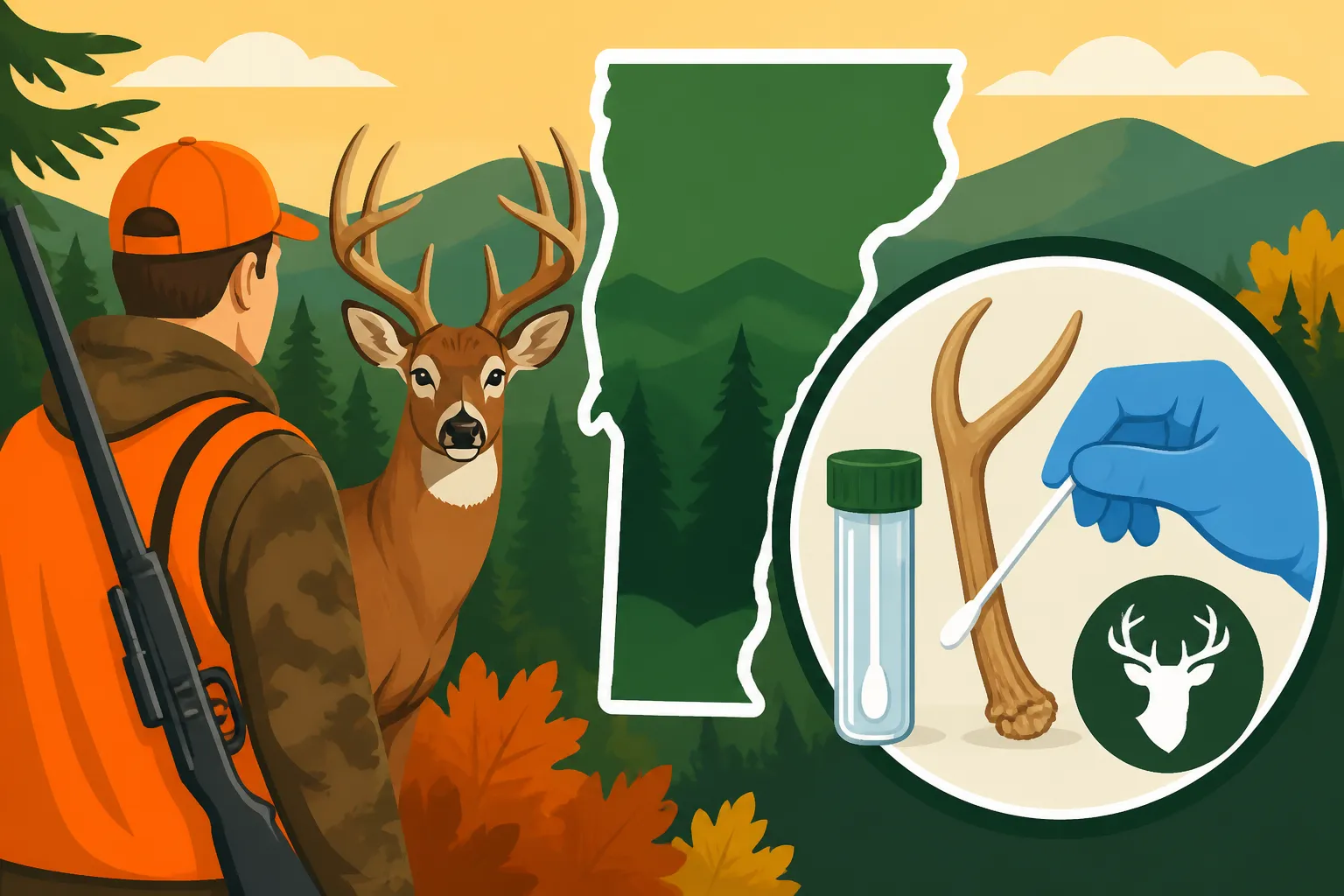
The process for hunters is typically straightforward: if your deer falls within a targeted surveillance area, you'll be asked to provide a sample, usually the head, at a designated check station or collection site. Trained personnel will then extract lymph node tissue, which is the preferred tissue for CWD testing. These samples are then sent to a diagnostic lab for analysis. The entire process is designed to be as efficient as possible for hunters while ensuring scientifically sound data collection. By participating, hunters directly contribute to the ongoing health assessment of our cherished deer herd. You can often find the specific details for the current year's testing program on the Vermont Fish & Wildlife website or via resources like GoHunt, which often compile state-specific regulations.
Targeted Surveillance Areas and High-Risk Zones
The Vermont Fish & Wildlife Department doesn't just randomly test deer; they employ a strategic, risk-based approach to CWD surveillance. This means certain WMUs or regions are designated as "targeted surveillance areas" based on factors like proximity to CWD-positive areas in New York or Quebec, deer density, and historical movement patterns of deer. For example, WMUs bordering areas where CWD has been detected are often under more intense scrutiny. These high-risk zones are where the department concentrates its sampling efforts, increasing the probability of detecting CWD early if it were to enter the state.
Hunters need to pay close attention to the specific regulations for the WMU they plan to hunt. Information regarding mandatory or voluntary testing in certain areas is typically published well in advance of the hunting seasons. Knowing if you're hunting in a designated surveillance area allows you to be prepared to submit a sample, ensuring you're doing your part to protect the herd. While the focus changes year to year based on current CWD threats, understanding which WMU Vermont's 2026 Moose Permits cover, for example, could also clue you into broader disease monitoring efforts, as surveillance often extends to moose as well.
Mandatory and Voluntary Testing for Hunters
Navigating the rules for CWD testing can sometimes feel a bit like reading legal jargon, but it's genuinely important. Vermont has a mix of mandatory and voluntary testing requirements, and knowing the difference, and when and where each applies, is crucial for every hunter. It's about being prepared and contributing to the state's efforts to keep our wildlife healthy.
When and Where Deer Must Be Tested
For most Vermont hunters, CWD testing is generally voluntary, but there are specific situations and locations where it becomes mandatory. Typically, if you harvest a deer in a WMU that has been designated as a "CWD surveillance area," especially those bordering states or provinces with known CWD cases, you will be required to submit a sample. These specific areas can change annually based on evolving disease threats and risk assessments. For instance, if a new CWD positive case is detected in a neighboring county in New York, the Vermont Fish & Wildlife Department might immediately designate adjacent Vermont WMUs as mandatory testing zones for the upcoming season.
Another scenario where testing is mandatory is if you harvest a deer that appears sick or is exhibiting unusual neurological symptoms consistent with CWD. In such cases, regardless of the WMU, hunters are obligated to report the animal and submit a sample for testing. The goal here is rapid detection and containment. Always check the current year's Vermont Deer Reporting Requirements and CWD rules published by the Vermont Fish & Wildlife Department before heading afield, as these rules are subject to change. Compliance is not just a rule; it's a vital part of protecting our deer herd from this devastating disease.
Voluntary Sample Submission Options
Even if you're hunting outside a mandatory surveillance area, you still have the option to voluntarily submit your harvested deer for CWD testing, and the Vermont Fish & Wildlife Department strongly encourages it. This voluntary participation is incredibly valuable because it expands the overall surveillance effort, providing a broader picture of herd health across the state. Every sample, whether mandatory or voluntary, contributes to the data that helps ensure Vermont's CWD-free status remains intact.
To submit a voluntary sample, you'll typically need to locate a designated CWD drop-off site or coordinate with a Fish & Wildlife office. These sites are often conveniently located at taxidermists, meat processors, or specific regional department offices. The process for voluntary submission usually involves removing the deer's head, ensuring it's properly labeled with your hunting license information and the location of harvest, and then dropping it off. While it might add a small step to your post-harvest routine, the peace of mind knowing your deer has been tested and the invaluable contribution to wildlife health make it well worth the effort. It's just another way hunters can be true conservationists.
What to Expect at a CWD Check Station
If you find yourself needing to submit a deer for CWD testing, whether mandatorily or voluntarily, you'll likely interact with a CWD check station or a designated drop-off point. These are typically set up during peak hunting seasons, especially during the November rifle season opener, and are staffed by dedicated Fish & Wildlife personnel or trained volunteers. When you arrive, be prepared to provide your hunting license and tag information, as well as the exact location where the deer was harvested (WMU, town, and even specific coordinates if you used an app like GoHunt to mark your spot). This information is critical for epidemiological tracking.
The staff will typically ask you to present the deer's head, usually from the jaw up. They will then carefully remove specific lymph nodes from the neck area, a quick and clean process that doesn't impact the meat quality. They'll bag and label the samples, providing you with a receipt or confirmation of submission. The entire interaction is usually very professional and efficient, designed to minimize inconvenience for hunters while ensuring proper sample collection. It's a testament to the dedication of the Vermont Fish & Wildlife staff and volunteers who work tirelessly to safeguard our deer and moose.
| CWD Testing Scenario | Requirement | Typical Location | Hunter Action | Key Details |
|---|---|---|---|---|
| Deer in Designated Surveillance WMU | Mandatory | Specific Check Stations / Designated Drop-off Points | Present deer head, provide harvest info, await sample collection. | WMU boundaries & current year's rules are crucial. |
| Deer Exhibiting Sickness/Symptoms | Mandatory | Report to VT F&W, then designated site. | Report immediately, follow instructions for sample submission. | Symptoms include emaciation, abnormal behavior, drooling. |
| Deer Outside Surveillance WMU | Voluntary | Regional F&W Offices, Participating Taxidermists/Processors, Drop-off Boxes | Remove head, label clearly, drop off at site. | Highly encouraged to expand surveillance data. |
| Moose (if harvested) | Often Mandatory | Moose Check Stations (typically during lottery season) | Present moose head, provide harvest info, await sample collection. | Specific rules apply for Moose Hunting Vermont's Northeast Kingdom. |
CWD Prevention Rules and Hunter Responsibilities
Keeping Vermont CWD-free isn't just about testing; it's about a collective effort from every hunter to follow crucial prevention rules. These rules are designed to prevent the physical introduction of the CWD prion into our state, which is arguably the most important defense we have. Ignoring them, even unintentionally, could have catastrophic consequences for our wildlife.
Vermont's Carcass Import Restrictions
One of the most critical CWD prevention measures is Vermont's strict carcass import restrictions. If you've hunted a deer, elk, or moose outside of Vermont, especially in a state or province where CWD has been detected, you cannot simply bring the entire carcass back across the border. This rule exists because the highest concentrations of CWD prions are found in the brain, spinal cord, lymph nodes, and spleen of an infected animal. Bringing these parts into Vermont could introduce the prions directly into our environment. The Vermont Fish & Wildlife Department provides clear guidelines on what parts of a deer carcass can be moved into Vermont.
Generally, you can only bring in deboned meat, clean antlers (without skull plate attached), hides, teeth, and finished taxidermy mounts. This means if you harvest an animal in a CWD-positive area, you must field dress and process it carefully before returning to Vermont. Many hunters will debone the animal and dispose of the head, spine, and other high-risk parts ethically in the state where the animal was harvested. Understanding Moving a Deer Carcass Into Vermont is non-negotiable for out-of-state hunters and crucial for protecting our local herds. This isn't about making your life difficult; it's about a highly contagious and environmentally persistent disease that we absolutely must keep out.
The Ban on Urine-Based Lures
Another significant prevention rule that every hunter needs to be aware of is Vermont's ban on urine-based deer lures. For years, deer hunters relied on natural deer urine, often from does in estrus, to attract bucks. The science, however, has evolved. It's now understood that urine from CWD-infected deer can contain and transmit CWD prions. Even if the deer supplying the urine appears healthy, it could be in the incubation stage of the disease and shedding prions. Given the extreme resilience of prions, this poses a clear risk of spreading CWD.
To mitigate this risk, Vermont, like many other states, has banned the use and possession of natural urine-based lures. This means no using that bottle of "doe-in-estrus" that's been sitting in your pack for years if it's derived from natural deer urine. Instead, hunters are encouraged to use synthetic lures, which are scientifically engineered to mimic natural scents without any biological material. While some hunters might lament the change, it's a small adjustment to make for the massive benefit of protecting our deer herd. The Vermont's Rule Against Urine-Based Deer Lures Explained provides more detailed information on this important regulation.
Hunter's Role in Keeping Vermont CWD-Free
As hunters, we are the eyes and ears of the forest. Our role in keeping Vermont CWD-free extends far beyond simply complying with regulations. It starts with keen observation: if you see a deer or moose exhibiting signs consistent with CWD, such as extreme emaciation, lack of coordination, drooling, or a complete absence of fear, it is absolutely critical to report it immediately to the Vermont Fish & Wildlife Department. Do not approach the animal, but make a note of its exact location and behavior. This early detection is paramount.
Furthermore, responsible carcass disposal is key. If you are processing a deer at home, ensure all carcass waste (bones, gut pile, hide) is disposed of properly, preferably buried deep or taken to a landfill, especially if you harvested the animal in a known CWD surveillance area. Never discard carcass parts haphazardly in the woods, as this could facilitate the environmental spread of prions if CWD were ever present. Finally, stay informed. Regulations can change, and being up-to-date on the latest CWD rules and information from the Vermont Fish & Wildlife Department and reliable sources like GoHunt is vital. Your proactive engagement is our strongest defense against this devastating disease.
Understanding Your Test Results and What Comes Next
After you've submitted a sample for CWD testing, there's always that period of waiting, hoping for good news. It's natural to be anxious, but understanding how to access your results and what happens if, in the unlikely event, a positive case is detected, can help ease some of that worry. Transparency and quick action are key components of Vermont's CWD management plan.
How to Access Your CWD Test Results
The Vermont Fish & Wildlife Department is committed to making CWD test results accessible to hunters in a timely manner. Typically, you won't receive a phone call or letter unless there's an unusual finding. Instead, results are often made available through an online portal or a dedicated section of the Fish & Wildlife website. When you submit your sample at a check station, you'll usually be given a unique identification number or instructed on how to use your hunting license number to look up your results online.
It’s a good practice to jot down any provided sample ID numbers and keep them in a safe place. When you access the portal, you'll be able to see the status of your sample – whether it's still being processed, or if results are available. The goal is to provide hunters with peace of mind that their harvest is CWD-free, or to initiate the necessary steps if a detection occurs. Keep an eye on official communications from the department or utilize online resources like GoHunt, which often have direct links or summaries of how to access CWD data.
Timeline for Receiving Results
The turnaround time for CWD test results can vary, depending on the volume of samples submitted and the diagnostic lab's current workload. Generally, you can expect results within a few weeks, though during peak hunting season, it might take a bit longer. The Fish & Wildlife Department strives to process samples as quickly as possible, recognizing that hunters want to know the status of their harvest, especially before processing and consuming the meat.
It’s important to manage expectations and understand that while the department aims for efficiency, accuracy is paramount. A negative result means no CWD prions were detected in the tested sample, providing reassurance. A positive result, while rare in CWD-free states, triggers an immediate and serious response. If a positive result were to occur, you would be contacted directly and promptly by the Vermont Fish & Wildlife Department to discuss the next steps. Patience during this period is appreciated, as the rigorous testing protocols are essential for reliable outcomes.
Contingency Plans if CWD is Detected
While Vermont remains CWD-free, the Fish & Wildlife Department has robust contingency plans in place for the unfortunate event that CWD is detected within the state. This isn't a matter of if, but when for many wildlife managers, so being prepared is crucial. These plans are designed to contain the spread of the disease as quickly and effectively as possible, minimizing its impact on the deer and moose populations. The initial response would involve confirming the positive result through additional testing and then rapidly identifying the affected area.
This would likely lead to intensified surveillance and mandatory testing in the immediate vicinity of the positive case. Depending on the severity and location, the department might implement specific herd management strategies, such as targeted culling to reduce deer densities and limit disease transmission. Enhanced carcass disposal requirements and additional hunting regulations could also be put into effect. The goal is always to protect the broader, healthy herd, even if it means difficult decisions in a localized area. Transparency and collaboration with hunters and landowners would be a cornerstone of any response, ensuring that everyone understands the threat and their role in the containment efforts. This comprehensive approach, including ongoing disease monitoring and robust response strategies, demonstrates Vermont's deep commitment to its wildlife.
Disclaimer
This guide is intended for informational purposes only and does not supersede official regulations set forth by the Vermont Fish & Wildlife Department. Hunting regulations, season dates, and CWD protocols can change. Always consult the most current Vermont Fish & Wildlife hunting guide and website before engaging in any hunting activities.