Vermont Carcass Import Restrictions
Bringing a deer, moose, or elk carcass across state lines into Vermont can be a real headache if you don't know the specific rules, and honestly, many hunters feel confused and frustrated by the varying regulations. It's a critical issue because these rules are designed to protect Vermont's precious wild cervid populations from devastating diseases like Chronic Wasting Disease (CWD). This comprehensive guide will walk you through everything you need to know about Vermont's carcass import restrictions, helping you understand the 'why' and the 'how' so you can hunt legally and responsibly.
The Critical Reason Behind Carcass Restrictions: CWD Prevention
It might seem like a lot of red tape, these rules about what parts of your harvested game you can bring across state lines. But trust me, there's a very serious reason for it: protecting Vermont's deer, moose, and elk from Chronic Wasting Disease. This isn't just about inconvenience; it's about the long-term health and survival of our wildlife. Vermont has worked incredibly hard to maintain its CWD-free status, and these import restrictions are one of our strongest defenses.
Understanding Chronic Wasting Disease CWD
Imagine a disease that slowly, inexorably, wastes away an animal's body and brain, ultimately leading to death. That's Chronic Wasting Disease. It's a fatal neurological illness that affects deer, elk, moose, and caribou – all members of the cervid family. Unlike bacterial or viral infections, CWD is caused by abnormal proteins called prions. These prions accumulate in the brain and spinal cord, creating spongy holes and causing severe neurological degeneration. Animals infected with CWD might exhibit symptoms like extreme weight loss, stumbling, listlessness, and excessive drooling. It's a horrific end for any animal.
The scariest part about CWD is how it spreads and how resilient those prions are. They can be transmitted directly from animal to animal through bodily fluids like saliva, urine, and feces. But perhaps even more concerning is the indirect transmission; CWD prions can persist in the environment for years, even decades, contaminating soil, plants, and water sources. This means that once CWD takes hold in an area, it's incredibly difficult, if not impossible, to eradicate. There is currently no vaccine or cure, making prevention the absolute paramount strategy for wildlife managers.
Vermont's Vigilance: Staying CWD-Free
Vermont proudly maintains its status as a CWD-free state. This isn't by accident; it's the result of diligent monitoring, smart management, and proactive measures, including these carcass import restrictions. The state understands the catastrophic impact CWD could have on its deer and moose populations, not to mention the cultural and economic repercussions for hunters, wildlife enthusiasts, and rural communities. We don't want to see our beautiful landscape host a disease that could decimate our cervids.
The proactive approach Vermont takes is absolutely essential. By controlling what parts of a cervid carcass can enter the state, we significantly reduce the risk of bringing in those persistent, deadly prions. It's like building a strong immune system for our deer herd. While we remain CWD-free, we're keenly aware that the disease is present in neighboring regions. Quebec, for instance, has had confirmed cases, and other states like New York and Pennsylvania have ongoing CWD management zones. This proximity means the threat is real and constant, making every hunter's adherence to these rules critically important. If you want to learn more about how the state keeps tabs on things, you can read up on Vermont's CWD Surveillance Program.
What You Can and Cannot Bring Into Vermont
Understanding the specifics of Vermont's carcass import restrictions is crucial for any hunter who has harvested a deer, moose, or elk outside the state. The basic premise is simple: remove the parts most likely to carry CWD prions. This means focusing on the brain, spinal cord, and certain lymph nodes. It might sound daunting, but once you break it down, it's quite manageable and entirely necessary to protect our herds.
The "Clean Carcass" Rule Explained
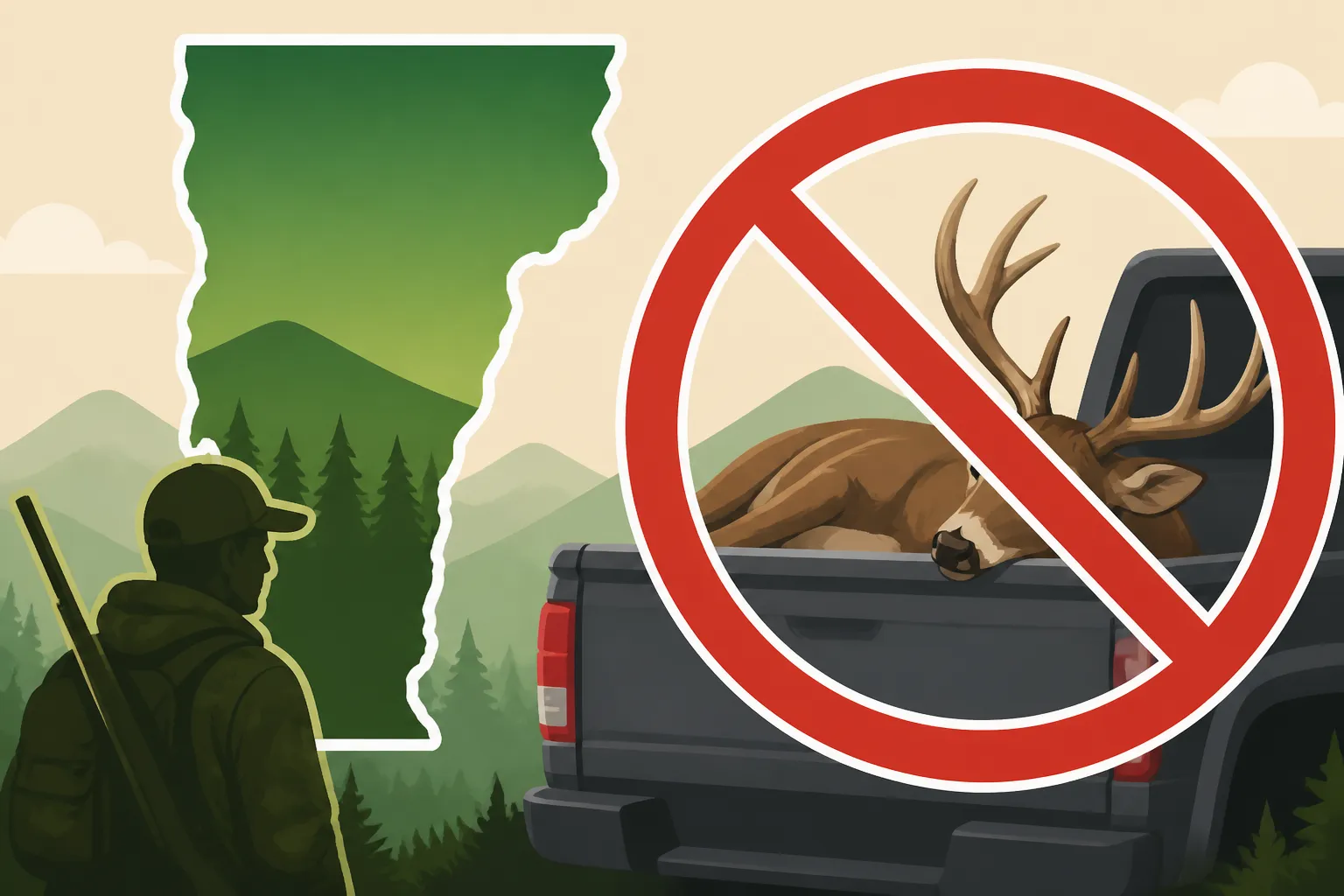
Vermont's core restriction, often referred to as the "clean carcass" rule, is designed to prevent the importation of specified risk materials (SRMs) – those parts of a cervid most likely to harbor CWD prions. What does this mean for you, the hunter? It means that if you harvest a deer, moose, or elk outside of Vermont, you generally cannot bring the whole carcass, or even major parts containing nerve tissue, back into the state.
What is allowed?
- Deboned meat: This is the safest and most common way to transport your harvest. All meat must be removed from the bone.
- Cleaned skull plates/antlers: These are fine, but all brain tissue and any visible soft tissue must be completely removed. Antlers attached to a skull cap with all brain material gone are usually acceptable.
- Hides: Hides are generally allowed, provided no part of the head (especially the brain and spinal column) is attached. Make sure they are thoroughly cleaned of any visible tissue or fluids.
- Taxidermy-ready hides: If you plan to have a mount done, the hide can come in as long as it's prepared by a licensed taxidermist to be free of all brain and spinal column tissue, or if it's accompanied by a permit and proof of CWD-negative testing from the state of origin.
The critical components to avoid bringing in are the brain, spinal cord, eyes, spleen, tonsils, and lymph nodes. These are the parts where CWD prions tend to concentrate. By removing them before crossing the border, you eliminate the vast majority of the risk.
Specific Restrictions for Deer, Moose, and Elk
Let's get a bit more granular. When you're talking about deer, moose, and elk harvested outside Vermont, these animals fall under the strictest import rules. You cannot bring in:
- A whole carcass.
- Any head parts that still contain brain tissue (e.g., a full skull with brain material present).
- Spinal columns (the backbone with spinal cord intact).
- Any entrails or internal organs that have not been completely cleaned out.
So, if you've harvested a beautiful buck in, say, New York and want to bring it back to your Vermont camp, you absolutely must field dress and process it substantially before crossing the border. This typically means deboning all the meat and leaving the problematic parts behind in the state of harvest. For skull plates, ensure you've done a thorough job cleaning all brain matter. You can read more about Vermont's CWD Prevention Rules to get the most up-to-date information directly from the source.
The intent is to ensure that only the least risky parts of the animal enter Vermont. This might mean making arrangements with a processor in the state where you hunted or being prepared to do extensive field processing yourself. It's a hassle, sure, but it's a small price to pay for protecting our state's wild deer.
Exemptions and Processed Products
Thankfully, not everything is restricted. There are common-sense exemptions for products that pose virtually no CWD risk. This makes it easier to enjoy the fruits of your hunt without worrying about violating import laws.
Generally, you can bring the following into Vermont:
- Commercially processed and packaged meat: If your deer was processed by a licensed butcher in the state of harvest and the meat is deboned, wrapped, and clearly labeled, it's usually acceptable. Think of it like buying venison jerky or sausages from a store; it's already safe.
- Hides cleaned and tanned: A fully tanned hide, or a hide that has been cleaned to the point where all visible tissue, especially from the head, is removed, can be imported.
- Finished taxidermy mounts: A mount that has been professionally prepared, where all brain and spinal column material has been removed or replaced, is typically allowed.
- Antlers and skull plates: Again, the key here is that they must be completely free of brain matter and any other soft tissue. A clean, bleached skull cap with antlers is perfectly fine.
It's all about ensuring that those CWD-causing prions aren't hitching a ride into Vermont. If you're ever in doubt, the safest bet is to completely debone your animal and thoroughly clean any skull plates or hides before attempting to cross the border. You can always check with the Vermont Fish & Wildlife Department if you have specific questions about a unique situation. For general guidance on managing your harvest, you might find information on Handling Venison From a Healthy Herd helpful.
Vermont Cervid Carcass Import Rules Summary
| Item to Import (from outside VT) | Status | Conditions/Notes |
|---|---|---|
| Whole Carcass | NOT Allowed | Risk of CWD prions in brain, spinal cord, lymph nodes. |
| Deboned Meat | Allowed | Meat removed from all bone; no spinal or brain tissue. |
| Cleaned Skull Plates/Antlers | Allowed | All brain tissue and soft tissue completely removed. |
| Full Skulls (with brain) | NOT Allowed | High risk of CWD prions in brain matter. |
| Hides | Allowed | Must be clean, free of any attached head/spinal tissue. Taxidermy-ready hides generally okay if cleaned. |
| Spinal Columns | NOT Allowed | High risk of CWD prions in spinal cord. |
| Commercially Processed Meat | Allowed | Deboned, packaged, and labeled by a licensed processor. |
| Finished Taxidermy Mounts | Allowed | Professionally prepared with no CWD risk materials. |
| Teeth | Allowed | Generally considered low risk. |
| Bones (cleaned) | Allowed | Must be completely stripped of meat and all soft tissue; typically applies to skull plates for European mounts. |
Navigating the Rules as an Out-of-State Hunter
For hunters coming from outside Vermont, these carcass import restrictions add an extra layer of planning to your hunt. It's not enough to just know the regulations of the state you're hunting in; you also need to understand what you can and cannot bring home to Vermont. This often means adjusting your post-harvest routine significantly, especially if you're used to bringing whole animals back to your home processing setup.
Planning Your Hunt to Comply
The key to a smooth, legal return to Vermont after a successful out-of-state hunt is preparation. You simply cannot wait until you're at the state line to figure out what to do with your deer. Before you even head out, spend some time researching the regulations in both the state you plan to hunt and Vermont's import rules. These rules, including Vermont's Urine-Based Lure Ban, are subject to change, so an annual check is always a good idea. Many online resources, including hunting platforms like GoHunt, offer valuable, up-to-date information on state-specific regulations that can help you plan.
Consider your logistics:
- Field processing capabilities: Are you comfortable deboning an animal in the field? Do you have the necessary tools (knives, game bags, coolers)?
- Processor access: Is there a local, licensed processor near your hunting area in the state you're visiting who can prepare your meat and skull plate to Vermont's specifications? This might be the easiest option, especially for larger animals like moose or elk.
- Travel time: How long is the drive back to Vermont? Will processed meat remain cool and safe?
- Border states: If you're hunting in New York, New Hampshire, or Massachusetts, which all share a border with Vermont, remember that crossing the line with an intact carcass is still a no-go. Even if it's just a short drive. The same applies if you're hunting in Quebec and planning to bring your harvest across the international border.
This planning phase is critical for avoiding unpleasant surprises and ensuring you don't run afoul of the law. Think through every step, from harvest to your freezer in Vermont.
Essential Field Processing Steps
If you choose to process your animal yourself in the field, which many dedicated hunters do, mastering a few key steps will ensure you comply with Vermont's import restrictions. This is where your skills as a hunter really come into play, beyond just the shot. For some, this process can feel like a chore, but it's a vital part of responsible hunting.
Here’s a general guide for getting your cervid "Vermont-ready":
- Field dress immediately: Remove all entrails. This is good practice for meat quality anyway, especially in warmer weather.
- Debone the meat: This is the most crucial step. Carefully remove all muscle tissue from the bone. Leave the rib cage, spine, and pelvis behind. Cut the meat into manageable pieces and place them in clean game bags. Focus on getting all the good meat, but ensure no bone fragments (especially spine) are mixed in.
- Clean the skull plate (if keeping antlers): If you want to keep the antlers, saw off the skull plate so it's relatively small. Then, thoroughly scrape and clean off all brain matter, eyes, and any other soft tissue. A stiff brush and water can help. Make sure it's bone-white and dry.
- Handle the hide: If you're bringing the hide back for tanning or taxidermy, skin the animal carefully. Ensure no head or spinal column material remains attached to the hide. Salt the hide if needed, especially if it's a long journey, to preserve it.
- Transport processed game: Pack your deboned meat in coolers with ice or frozen gel packs. Keep it separate from your cleaned skull plate and hide. It's often helpful to keep clear documentation (e.g., your tag, proof of harvest from the state you hunted) with your processed game.
If you're unsure about the exact steps, there are many excellent online tutorials for field deboning. Practicing on a harvested animal in your home state (if allowed) can build confidence. Knowing how to do this yourself means you’re not reliant on a commercial processor, offering more flexibility during your hunt. For more detailed guidance on handling your harvest, consider looking into Field Dressing a Deer in Cold Weather or Butchering a Deer at Camp, even if you’re doing it on the go.
What to Do If You Harvest Near Vermont's Border
Hunting in a bordering state like New York or New Hampshire and live just a few miles into Vermont? The rules still apply. You cannot drive that whole carcass, even a short distance, across the state line. This can be a real logistical challenge for many hunters.
- Plan for roadside processing: Be prepared to perform the necessary deboning and cleaning steps before you reach the Vermont border. This might mean setting up a tarp in a pull-off, or at a friend's house in the state where you hunted.
- Identify local processors: Before your trip, identify meat processors or taxidermists in the border towns of the state you are hunting. Call them in advance to confirm their services, hours, and whether they are familiar with Vermont's import rules. They can often provide the necessary processing that ensures your meat or trophy is compliant. For example, if you are hunting in northern New York, find a processor in a town like Plattsburgh or Malone before you drive towards the Lake Champlain crossing.
- Use designated check stations (if available): Some states, particularly those with CWD zones, might have designated check stations or facilities where hunters can get their animals sampled and processed for transport. Always check the regulations of the state you're hunting in for such resources.
The goal is to prevent any high-risk material from entering Vermont's ecosystem. It might be inconvenient, but remember, it’s about protecting our wild populations.
Penalties, Reporting, and Further Resources
Ignoring Vermont's carcass import restrictions isn't just a minor oversight; it's a serious violation with real consequences. The state takes its CWD prevention efforts very seriously, and understanding the ramifications, as well as knowing where to get accurate information, is paramount for every responsible hunter.
Consequences of Non-Compliance
Let's be direct: if you're caught bringing an illegal cervid carcass or parts into Vermont, you're looking at more than just a slap on the wrist. The state's stance on CWD prevention is firm, and violations are met with significant penalties. These can include:
- Hefty Fines: Expect substantial monetary fines. These are not minor tickets; they can run into hundreds or even thousands of dollars, reflecting the seriousness of the potential threat to wildlife.
- Confiscation of Game: Your hard-earned harvest, whether it's the entire carcass, meat, or antlers, will likely be confiscated. This means all your effort and expense for the hunt will be lost.
- Loss of Hunting Privileges: Depending on the severity of the violation, you could face temporary or even permanent suspension of your hunting licenses, not just in Vermont but potentially in other states as well through interstate compacts.
- Legal Charges: In some cases, violations could lead to misdemeanor charges, which might appear on your record.
It's important to distinguish between accidental and intentional violations, though ignorance of the law is rarely an excuse. The Vermont Fish & Wildlife Department prefers education and compliance, but they will not hesitate to enforce these critical rules to protect the state's cervid population. It's truly not worth the risk, both for your personal hunting future and for the health of our deer and moose.
Where to Find Official Information and Stay Updated
The best way to avoid any issues is to stay informed. The official source for all Vermont hunting regulations, including carcass import restrictions and specific rules like Vermont's Dual Antlerless Permit Rule, is the Vermont Fish & Wildlife Department (FWD). Their website is a treasure trove of information, and it's updated regularly.
Here's how to ensure you're always operating with the most current information:
- Vermont FWD Website: Make it a habit to check the FWD website before every hunting season, especially if you plan to hunt out-of-state. Look for sections on CWD, deer regulations, and import restrictions.
- Annual Hunting Law Digest: The FWD publishes an annual digest of hunting laws. Always get the latest version, whether online or a physical copy.
- Direct Contact: If you have a specific, nuanced question, don't hesitate to call the Vermont Fish & Wildlife Department directly. Their wardens and biologists are there to help ensure compliance and protect wildlife.
- Reliable Hunting Apps: Reputable hunting apps and online platforms, such as GoHunt, often compile state regulations in an easy-to-digest format. While these can be excellent resources, always cross-reference critical information with the official FWD site to ensure accuracy and currency, as state laws can change.
Remember, rules can change. A regulation that was in place last year might have been updated. Staying proactive is the sign of a truly responsible and ethical hunter.
The Role of Hunters in CWD Prevention
As hunters, we are the front-line conservationists. Our actions, both individually and collectively, have a profound impact on wildlife management and the health of the ecosystems we cherish. When it comes to CWD, our role is absolutely critical.
- Be Informed and Responsible: Take the time to understand CWD, why these rules exist, and how to comply. Share this knowledge with fellow hunters. Responsible hunting means understanding the broader implications of our actions.
- Support Wildlife Management Efforts: The Vermont Fish & Wildlife Department works tirelessly to monitor, manage, and protect our wildlife. Supporting their initiatives, even when they involve inconvenient regulations, is vital for the long-term health of the resource. You can learn more about their efforts by looking at a Vermont Deer Harvest Records or through their annual reports.
- Participate in Surveillance: If the FWD ever requests CWD testing of your harvested animal (though not generally required for non-resident imports), participate willingly. This data is crucial for monitoring the health of the herd and detecting any potential outbreaks early.
- Report Suspicious Activity: If you ever see someone attempting to bring a whole carcass into Vermont from out-of-state, or observe any other suspicious activity that could introduce CWD, report it to the Vermont Fish & Wildlife Department. You'd be protecting the very resource we all value.
By working together, we can ensure that Vermont's wild deer, moose, and elk populations remain healthy and CWD-free for generations to come. It's a collective responsibility, and it's one of the most important ways we can demonstrate our commitment to ethical hunting and wildlife conservation.
Disclaimer
The information provided in this guide is intended for educational and informational purposes only and is not a substitute for official legal advice. Hunting regulations, including carcass import restrictions, are subject to change by the Vermont Fish & Wildlife Department. Always consult the most current official Vermont hunting regulations and contact the Vermont Fish & Wildlife Department directly for any specific questions or clarifications before planning your hunt or transporting game.