Vermont October Muzzleloader Antlerless Window
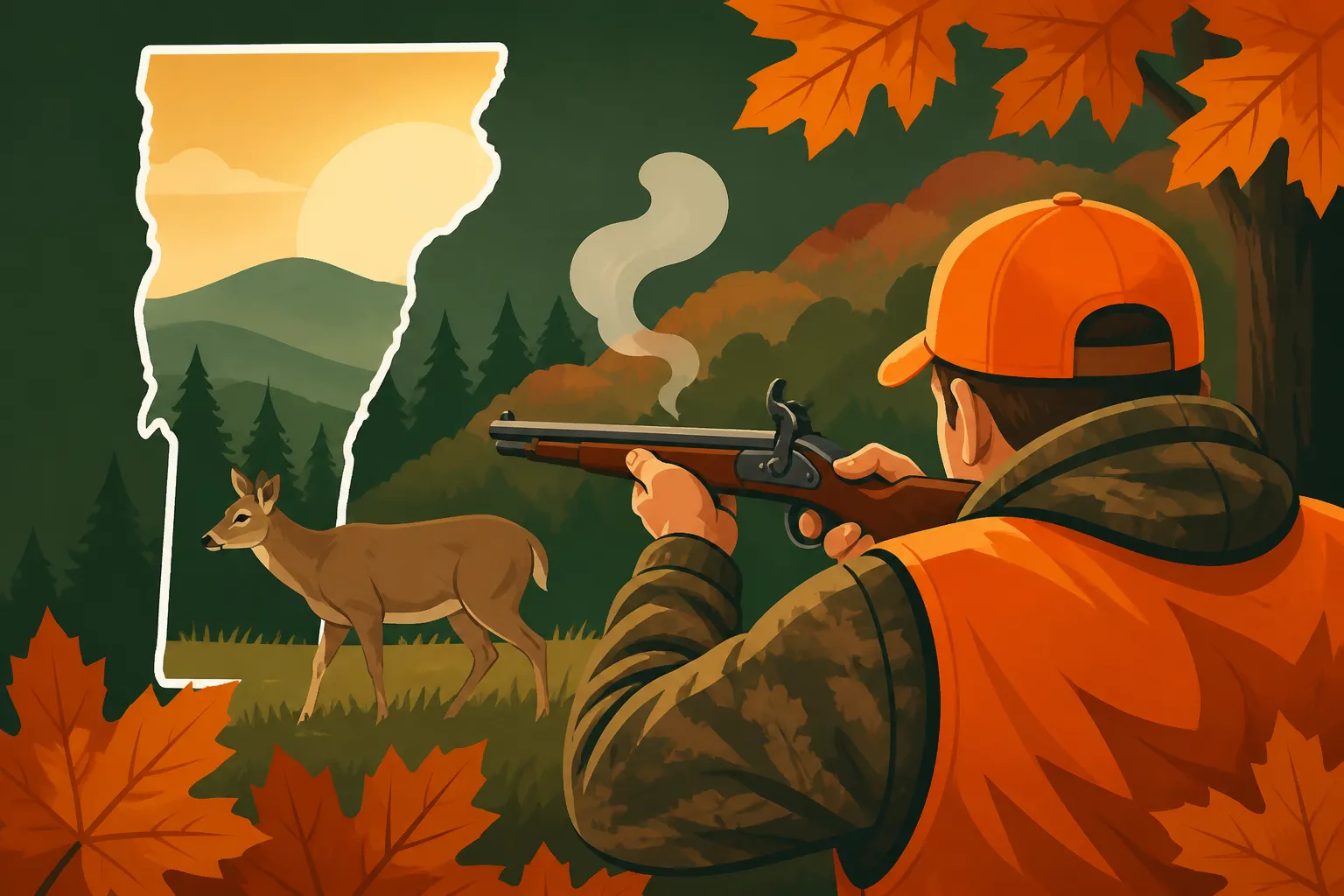
It's easy to get tangled up in Vermont's diverse and sometimes complex deer hunting seasons. Many of us are already counting down the days to rifle season, but there's a unique and incredibly valuable opportunity that often gets overlooked right in the heart of October: the Vermont October Muzzleloader Antlerless Window. This specific period is all about targeting antlerless deer with a muzzleloader, and understanding its nuances is key to filling your freezer and contributing to healthy herd management. This guide will walk you through everything you need to know to make the most of this distinct hunting opportunity.
The Unique Purpose of Vermont's October Antlerless Muzzleloader Window
This isn't just another hunting season; it's a strategically placed window designed with a clear purpose: managing the deer herd. The Vermont Fish and Wildlife Department often relies on antlerless harvests to keep deer populations in balance with their habitat, especially in areas where numbers might be higher than the land can sustainably support. For hunters, this translates into a fantastic chance to secure venison for the winter, often under less pressured conditions than the later, more popular seasons.
Why Antlerless Deer in October?
The focus on antlerless deer during this October window is intentional. By removing does, especially before the peak of the rut, wildlife managers can help control population growth and reduce the potential for overbrowsing in specific areas. This can be critical in regions like the Champlain Valley or parts of southern Vermont where agricultural lands meet prime deer habitat. It's a proactive approach to ensure the long-term health of the herd and the ecosystem. For you, the hunter, it means an opportunity to target mature does that can provide a substantial amount of meat, often without the intense competition you might face during the November rifle season. It's also a great way to put your muzzleloader skills to the test in crisp autumn weather before the deeper cold sets in.
Historical Context and Modern Relevance
Vermont's hunting seasons have evolved significantly over time, and specialized windows like the October muzzleloader season reflect a modern approach to wildlife management. Historically, hunting seasons were simpler, but as our understanding of deer biology and population dynamics grew, so did the sophistication of our regulations. This specific season, often highlighted in the annual hunting guide, isn't arbitrary; it's a response to decades of data and observation. It acknowledges that hunters are a vital part of the conservation equation, and by participating, you're not just pursuing game, but actively aiding in the health and vitality of Vermont's deer population. For many, it's a cherished tradition, offering a quiet, focused hunt before the woods get bustling with more hunters in November.
Navigating Permits and Legal Requirements
Understanding the specific permits and regulations for the Vermont October Muzzleloader Antlerless Window is absolutely crucial. Missteps here can lead to fines, lost hunting privileges, and a lot of frustration. Vermont’s rules are designed to be clear, but they require careful attention.
Required Permits and Application Process
To participate in the October muzzleloader antlerless season, you'll need a valid Vermont hunting license, specifically one that includes muzzleloader privileges. Beyond that, the critical component is an antlerless deer permit for the specific Wildlife Management Unit (WMU) you plan to hunt. These permits are typically issued via a lottery system, often in the late summer or early fall, so you need to be proactive about applying.
It can be really frustrating if you miss the application deadline, so make it a point to check the Vermont Fish and Wildlife website well in advance or set a reminder on your phone. Sometimes, depending on herd numbers in a particular WMU, extra antlerless permits might become available later in the season, but don't count on that for the October window. Always check the official Vermont Muzzleloader Season Dates and related regulations to ensure you're squared away. For residents, remember the possibility of Vermont's Dual Antlerless Permit Rule, which could potentially allow you to hold two antlerless permits for different WMUs in some scenarios, giving you even more flexibility.
Here's a quick overview of what to remember:
| Requirement | Detail |
|---|---|
| Base License | Valid Vermont Hunting License (Resident or Non-Resident) |
| Muzzleloader Endorsement | Must be added to your base license |
| Antlerless Permit | Specific to the WMU; usually obtained via lottery, non-transferable |
| Blaze Orange | Required to be worn visibly while hunting |
| Legal Weapon | Muzzleloader only (specific caliber/ignition rules apply) |
| Deer Reporting | All harvested deer must be reported online or at a check station |
Muzzleloader Specifics and Safety
Vermont has specific rules regarding what constitutes a legal muzzleloader for deer hunting. Generally, this means a firearm loaded from the muzzle, using black powder or a suitable substitute, and firing a single projectile. Pay close attention to minimum caliber requirements, which are typically .45 caliber for rifles and .50 caliber for shotguns. Sabots are generally allowed, which gives you more flexibility with projectile choice, an important consideration as we'll discuss later under Sabot Choices for an Antlerless-Only Hunt. Always verify these specifics in the current year's hunting regulations, as rules can occasionally be updated.
Safety is paramount, especially when handling muzzleloaders. Familiarize yourself with loading and unloading procedures, proper powder charges, and storage. Given that October weather in Vermont can be unpredictable, ensuring your powder stays dry is a critical aspect of muzzleloader hunting. A misfire or hangfire in cold, damp conditions can ruin a hunt and potentially be dangerous. Practice at the range with the exact load you plan to use in the field. Also, remember that blaze orange is a non-negotiable requirement during this season, as it is during all firearm deer seasons in Vermont.
Effective Strategies for October Muzzleloader Hunting
Hunting antlerless deer in October with a muzzleloader presents a unique set of challenges and opportunities. The woods are still relatively full of leaves, which can limit visibility, but deer patterns are generally more predictable than during the chaos of the rut. This is a time to focus on consistent food sources and movement corridors.
Scouting for Antlerless Deer Movement
Successful October muzzleloader hunting starts long before opening day. Pre-season scouting is absolutely critical, and during this time of year, you're looking for different things than you might be for a rutting buck. Focus on food sources that are active in early to mid-fall. Acorns, beechnuts, apples (especially wild ones), and persistent green browse like clover or winter wheat plots are all high on a doe's menu. Identifying these areas and the trails leading to and from them will be your primary objective.
Don't just drive by; get into the woods and look for fresh tracks, droppings, and signs of recent feeding. Pay close attention to Reading Vermont Mud for Fresh Deer Movement, as soft ground near water sources or field edges can tell you exactly when and where deer are moving. Using mapping apps like GoHunt can be invaluable here. You can layer satellite imagery with topography, mark potential bedding areas, feeding zones, and travel corridors. This helps you visualize the landscape and pinpoint optimal stand locations. While scouting, remember to practice low-impact techniques to avoid pressuring the deer before the season even begins.
Stand Placement and Hunting Tactics
Once you've identified key travel routes and food sources, strategic stand placement is paramount. Antlerless deer, especially mature does, are incredibly wary. They'll use cover to their advantage and often move during low light conditions. Consider setting up along natural funnels, such as a narrow strip of woods between two fields, a pinch point along a creek bottom, or a saddle on a ridge. Hunting a Funnel Between Two Woodlots can be particularly effective, as deer are often forced through these areas.
Think about prevailing wind direction. Does will almost always approach a feeding area with the wind in their favor, so setting your stand downwind or crosswind of their expected approach is critical. Early morning and late afternoon are prime times, as deer transition between bedding and feeding. Still-hunting can also be effective, especially if you're exploring new public land or navigating thick cover. Move slowly, deliberately, and stop often to glass and listen. Focus on areas where you've seen fresh sign and anticipate where a doe might pause to browse or survey her surroundings. Remember, the goal isn't just to see a deer, but to get a clean, ethical shot with your muzzleloader.
Preparing for a Successful October Antlerless Hunt
A successful hunt isn't just about finding deer; it's about being prepared for everything Vermont's October weather can throw at you and having the right gear to ensure a clean, ethical harvest.
Gear Essentials for the Muzzleloader Hunter
Your muzzleloader is obviously the star of the show, but don't overlook the supporting cast of gear. For optics, a good pair of binoculars (8×42 or 10×42) will be indispensable for scanning feeding areas and confirming your target's sex and whether it's antlerless. A rangefinder is also highly recommended, as judging distance with a muzzleloader can be tricky, and knowing your exact yardage is key for ethical shot placement.
As for the muzzleloader itself, an in-line design is often preferred for its reliability and ease of cleaning, especially if you're dealing with the damp conditions October can bring. Make sure you've sighted it in properly with the exact load you plan to hunt with. When considering projectiles, think about Sabot Choices for an Antlerless-Only Hunt. While conical bullets are traditional, sabots often offer better accuracy and ballistic performance, which can be a real advantage for a cleaner kill. Remember extra primers/caps, a speedloader with pre-measured powder charges, and a cleaning jag for any field emergencies.
Beyond the firearm, comfortable, waterproof boots are essential for navigating potentially wet and muddy terrain. Layered clothing is also a must for Vermont's fluctuating October temperatures, which can range from chilly mornings to surprisingly warm afternoons. Pack rain gear, just in case. GoHunt also offers some great resources and gear lists that can help you cross-reference your packing plans to make sure you're not forgetting anything critical for a successful hunt.
Cold Weather and Field Care Considerations
While October isn't usually the deep freeze of December, mornings can be quite cold, especially at higher elevations or in exposed areas. Dressing in layers, starting with a good base layer and adding insulating layers, will help you stay comfortable during long sits. Don't forget a warm hat and gloves. Late-Season Food Sources for Vermont Whitetails are also worth studying as the season progresses, as deer will begin to shift their focus more intensely on calorie-rich foods as winter approaches, influencing their movement patterns.
Once you've successfully harvested an antlerless deer, proper field care is vital to preserve the meat. While October temperatures are often cooler than early archery season, they can still be warm enough to warrant quick and efficient field dressing. Get the deer gutted as soon as possible, and if you're a long way from your vehicle, consider quartering the animal to make extraction easier. If you plan to haul it out whole, a game cart can be a lifesaver, especially over uneven terrain. Finally, remember to complete your Vermont Deer Reporting Requirements within 48 hours of harvest. This critical step ensures that the Vermont Fish and Wildlife Department gets the data they need for future herd management, and it keeps you compliant with state law.
Disclaimer
Hunting is an inherently dangerous activity. This guide provides general information and recommendations. Always consult the most current Vermont Fish and Wildlife Department regulations and obtain appropriate licenses and permits before hunting. Prioritize safety, ethical hunting practices, and respect for wildlife and private landowners.