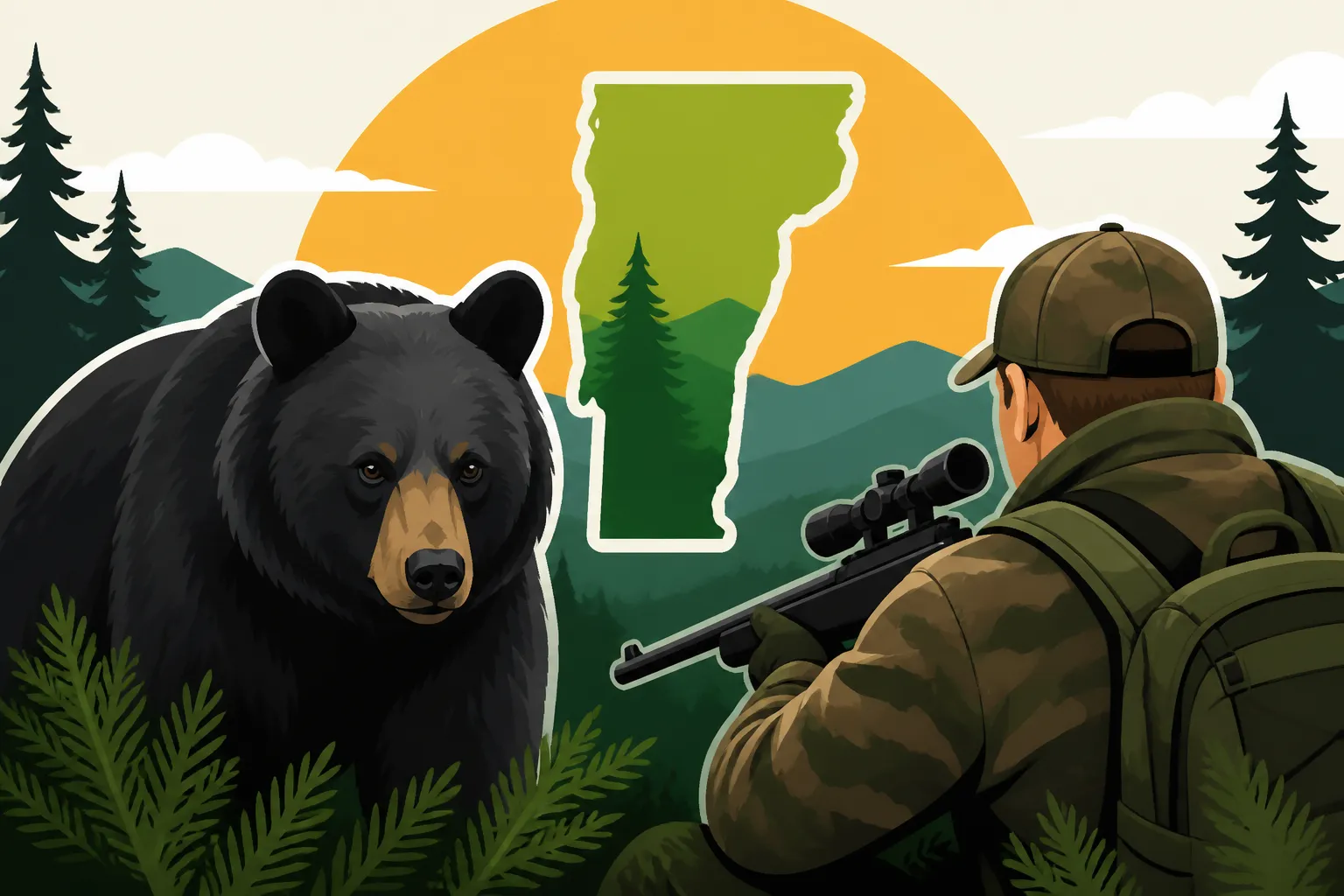
Vermont Bear Season Opening Day
The crisp chill of early autumn mornings, the leaves just starting to turn in the Green Mountains—it’s a magical time in Vermont, and for many, it signals the start of bear season. But if you’re new to hunting black bears in the Green Mountain State, or even if you’ve been at it a while, trying to pinpoint the exact "opening day" can feel like deciphering an ancient riddle. It's not as simple as marking a single date on the calendar, and that can certainly be a source of frustration. This comprehensive guide is here to untangle Vermont's unique bear season structure, laying out the precise opening dates and key considerations you'll need to know for a successful and legal hunt.
Understanding Vermont's Layered Bear Season Structure
Unlike the straightforward two-week rifle season for deer, Vermont’s bear hunting opportunities are thoughtfully segmented to manage the state's healthy black bear population effectively. This isn't just about giving hunters more time in the woods; it’s a strategic approach to balance harvest objectives with the bears' natural cycles, food availability, and breeding patterns. The Vermont Fish & Wildlife Department uses these distinct periods to spread out hunting pressure, reduce conflicts, and provide various hunting experiences. So, when we talk about "opening day," it's really about understanding which segment you're aiming for.
There are primarily two overarching periods: the Early Bear Season and the Late Bear Season. Each has its own nuances regarding weapon choice, specific dates, and even the need for a special permit. This layered approach can seem a bit much at first glance, but once you break it down, it makes perfect sense for ensuring a sustainable bear population and quality hunting opportunities. Knowing these distinct phases is crucial for planning your pursuit, whether you're an archery aficionado or a rifle hunter. It's all part of the unique challenge and reward of hunting in Vermont.
Pinpointing the Early Bear Season Opening Day
The Early Bear Season is what most hunters think of when they talk about "opening day" for bears, and it actually kicks off with an archery-only window. This is designed to give bowhunters a chance to get out before the woods are filled with the sounds of rifle fire.
The earliest segment of Vermont's bear season opens September 1st statewide, and it is strictly archery-only. This initial phase runs for about a month, giving bowhunters ample opportunity to get into the woods and pursue bears when they are still actively feeding on late-summer mast crops and berries. The beauty of this early period is that bears are often more predictable, focusing heavily on available food sources to pack on weight before winter. Scouting prior to this opening day, focusing on berry patches, early apple trees, and beech nut ridges, can be incredibly productive. You'll need to have your regular hunting license and a Vermont bear tag to participate.
Following the statewide archery-only opening, a second segment of the Early Bear Season opens, typically starting in mid-September (check the current Vermont Fish & Wildlife digest for precise dates, as they can shift slightly year to year). This segment opens September 14th statewide for archery, rifle, muzzleloader, and pistol, specifically targeting certain Wildlife Management Units (WMUs). This is where things get a bit more specific. Not all WMUs are open to all weapon types simultaneously. For instance, some WMUs in the Northeast Kingdom might have an earlier opening for all legal methods than others further south. This staggered approach helps manage bear populations more finely in different regions. To participate in any part of the Early Bear Season, you absolutely need to purchase a separate "early bear permit" in addition to your regular hunting license and bear tag. This permit is crucial and must be acquired before you head into the woods. Without it, even if you have your regular license and bear tag, you are not legally allowed to hunt bear during this early window. It’s a common point of confusion, so double-check those regulations!
- You can learn more about the specifics of obtaining the required permit in the article on Vermont Early Bear Permit Cost.
- For a deeper dive into the overall bear hunting calendar, check out Vermont Bear Season Dates.
Understanding the Late Bear Season Opener
Once the early season concludes, there's a lull before the Late Bear Season begins. This later period coincides directly with Vermont's highly anticipated rifle season for deer, which is a major draw for hunters across the state and beyond. So, in essence, the "opening day" for the Late Bear Season is tied directly to the opening of deer rifle season, which is typically the second Saturday in November.
During this late season, hunters with a valid Vermont hunting license and bear tag can pursue bears with any legal weapon for deer, including rifles, shotguns, muzzleloaders, and bows. The key difference here is that no separate early bear permit is required for this segment; your standard hunting license with a bear tag is sufficient. This makes it a popular time for deer hunters who also want a chance at a bear, as they can carry their bear tag along with their deer tag. However, bear hunting during the rifle season presents a different set of challenges. Bears are often less active, having put on significant fat reserves and starting to think about denning. Finding fresh sign might be harder, and they may be less responsive to traditional hunting methods like still-hunting or calling. Many hunters will simply carry a bear tag as an opportunistic option while primarily focusing on deer.
This overlap also means you'll be sharing the woods with a much higher density of deer hunters, so extra vigilance regarding safety and shot identification is paramount. You'll need to abide by all the blaze orange requirements for the rifle season, even if you're primarily pursuing bear. For those keen on maximizing their opportunities, understanding Hunting Bear Before the November Close can provide valuable insights into late-season bear behavior.
| Season Segment | Opening Date | Required Permit (Beyond Base License & Bear Tag) | Legal Weapons | General Strategy |
|---|---|---|---|---|
| Early Archery Only | September 1st (Statewide) | Early Bear Permit | Archery (Bow/Crossbow) | Focus on active feeding, mast crops, berries |
| Early All-Legal | Mid-September (WMU-specific) | Early Bear Permit | Archery, Rifle, Muzzleloader, Pistol (WMU-specific) | Active feeding, but potentially higher pressure |
| Late Season | Second Saturday in November (Coincides with Rifle Season) | None (Standard License & Bear Tag Suffices) | Archery, Rifle, Muzzleloader, Pistol (Legal for deer) | Opportunistic, bears less active, focus on dens |
Essential Considerations for a Successful and Ethical Bear Hunt
Regardless of which opening day you choose to target, a successful bear hunt in Vermont requires thorough preparation, adherence to regulations, and a deep respect for these intelligent animals.
Pre-Season Scouting and Food Sources
Bears are creatures of habit, especially when it comes to food. Their movements are largely dictated by the availability of mast crops like acorns and beechnuts, as well as soft mast such as berries and apples. Before any opening day, spending time in the woods scouting for these food sources is absolutely critical. Look for heavily used trails, fresh scat, claw marks on apple trees, and overturned rocks or logs where bears have been foraging. If you can locate a consistent food source, you’ve found a prime location for a stand or for still-hunting.
Digital mapping tools like GoHunt can be an invaluable asset here. You can use their satellite imagery to identify potential apple orchards, oak ridges, or clear-cuts that might hold berry bushes. Marking these potential hot spots on your GoHunt app and then verifying them on the ground allows you to optimize your scouting time. Furthermore, understanding the Vermont Bear Population Estimate can give you an idea of bear density in different regions, helping you refine your scouting efforts.
Regulatory Compliance and Mandatory Reporting
Vermont takes bear management very seriously, and strict regulations are in place to ensure a healthy population. Beyond just the correct permits, you must be intimately familiar with bag limits (usually one bear per calendar year), weapon restrictions for specific seasons, and carcass tagging requirements.
One of the most critical aspects is mandatory bear reporting. All harvested bears in Vermont must be reported to the Vermont Fish & Wildlife Department within 48 hours of harvest. This can often be done online through their reporting portal or via their mobile app, but sometimes in-person check stations are required, especially for CWD surveillance purposes or specific research. The data collected from these reports is vital for wildlife biologists to monitor bear health and population trends. Failing to report a bear is a serious violation. Similarly, when carrying your bear from the woods, ensure it's tagged properly according to regulations. GoHunt's mobile application can also help keep track of regulations and reporting deadlines through its state-specific resources. Staying informed about these rules, including the broader Vermont Bear Hunting Permit Requirements, is not just a suggestion—it's a legal obligation.
Safety in Bear Country and Meat Care
Hunting bears, especially in the rugged terrain of Vermont, demands a high level of situational awareness and safety. While black bear attacks are rare, it’s always wise to carry bear spray, especially if you’re hunting in areas known for higher bear densities or if you’re entering thick cover. Make noise as you move, and be aware of your surroundings at all times. If you encounter a bear, remain calm, speak in a low voice, and make yourself look as large as possible. If the bear approaches, stand your ground and be prepared to use your bear spray.
Once you’ve harvested a bear, prompt and proper meat care is paramount, especially if opening day is warm. Bear meat is delicious when handled correctly, but it can spoil quickly if not cooled down. Field dress the bear immediately to allow the carcass to cool. If you're deep in the backcountry, consider quartering the bear to facilitate packing it out quickly. Game bags are essential for keeping the meat clean and protected from insects. If temperatures are high, having a plan for ice or cold storage back at camp is crucial. Many hunters swear by having a reliable GPS or mapping app like GoHunt to mark the location of a downed bear, especially if you need to leave to retrieve help or equipment for extraction. This ensures you can return directly to the site without wasting valuable time.
Conclusion
Vermont's bear season might not have a single, straightforward opening day, but its layered structure offers diverse and exciting opportunities for hunters. Whether you prefer the quiet challenge of early archery season in September or the opportunistic pursuit during the November rifle season, understanding the distinct dates, permit requirements, and regulations is the foundation of a successful hunt. By preparing thoroughly, adhering to the rules, and embracing the unique challenges of hunting these incredible animals, you can enjoy a rewarding experience in Vermont's wild landscapes. Always consult the most current Vermont Fish & Wildlife Department regulations before heading afield, as dates and rules can be subject to change.
Disclaimer
The information provided in this guide is for informational purposes only and is not a substitute for official regulations. Always consult the current Vermont Fish & Wildlife Department hunting regulations and laws before participating in any hunting activity. Seasons, dates, and rules are subject to change, and it is the hunter's responsibility to ensure full compliance with all applicable laws.